A newly landscaped yard can completely change the appearance of a property. Fresh sod, neatly arranged plants, decorative rock, and new hardscaping can make an outdoor space feel finished and inviting.
But a landscaping project isn't just about how everything looks on installation day. Some of the most important work happens beneath the surface, where homeowners may never see it.
Poor soil preparation, improper drainage, rushed installation, and unsuitable materials can lead to problems that don't become noticeable until months or even years later.
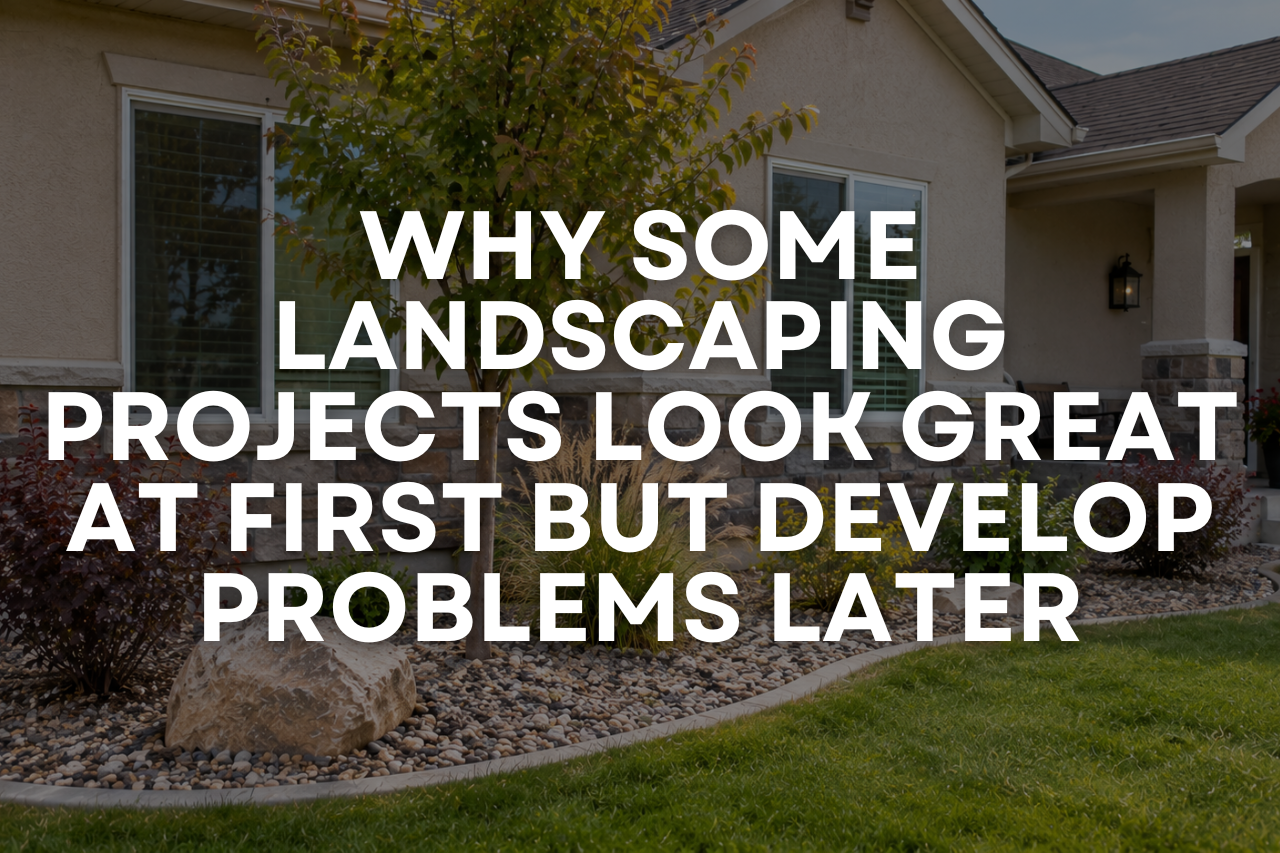
A patio that looked perfectly level may begin to shift. New grass might struggle to grow evenly. Decorative rock could start washing into unwanted areas, or plants that initially looked healthy may begin to decline.
While some changes are a normal part of maintaining a landscape, others can be traced back to decisions made during the planning and installation process.
At C&K Landscaping, we believe understanding what goes into a landscaping project can help homeowners make better decisions about their outdoor spaces.
Proper Ground Preparation Makes a Difference
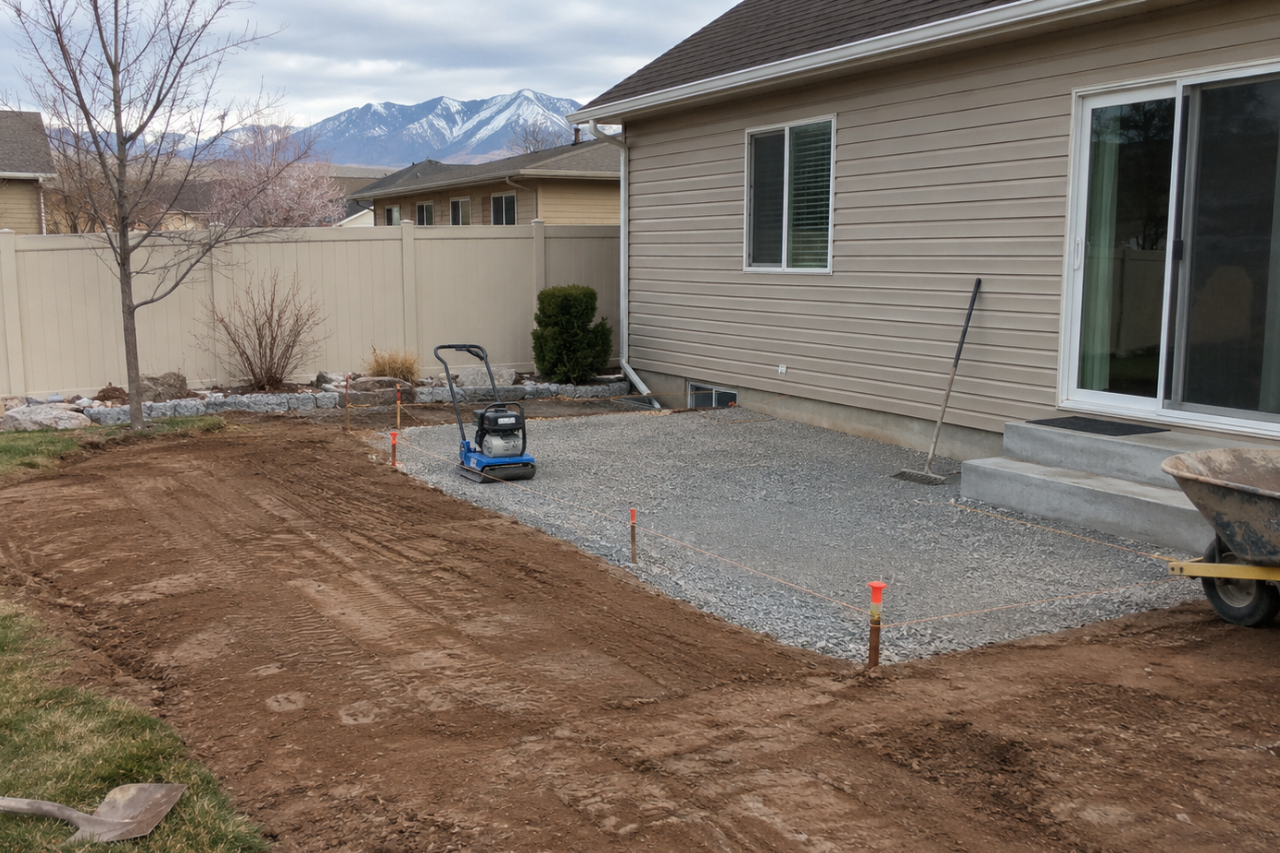
One of the biggest differences between landscaping that lasts and landscaping that develops problems is what happens before the visible materials are installed.
Soil conditions, grading, compaction, and drainage all influence how well a finished landscape performs.
For example, installing sod over poorly prepared soil can make it difficult for grass roots to establish. Similarly, placing pavers over an improperly prepared base can contribute to settling, shifting, or uneven surfaces.
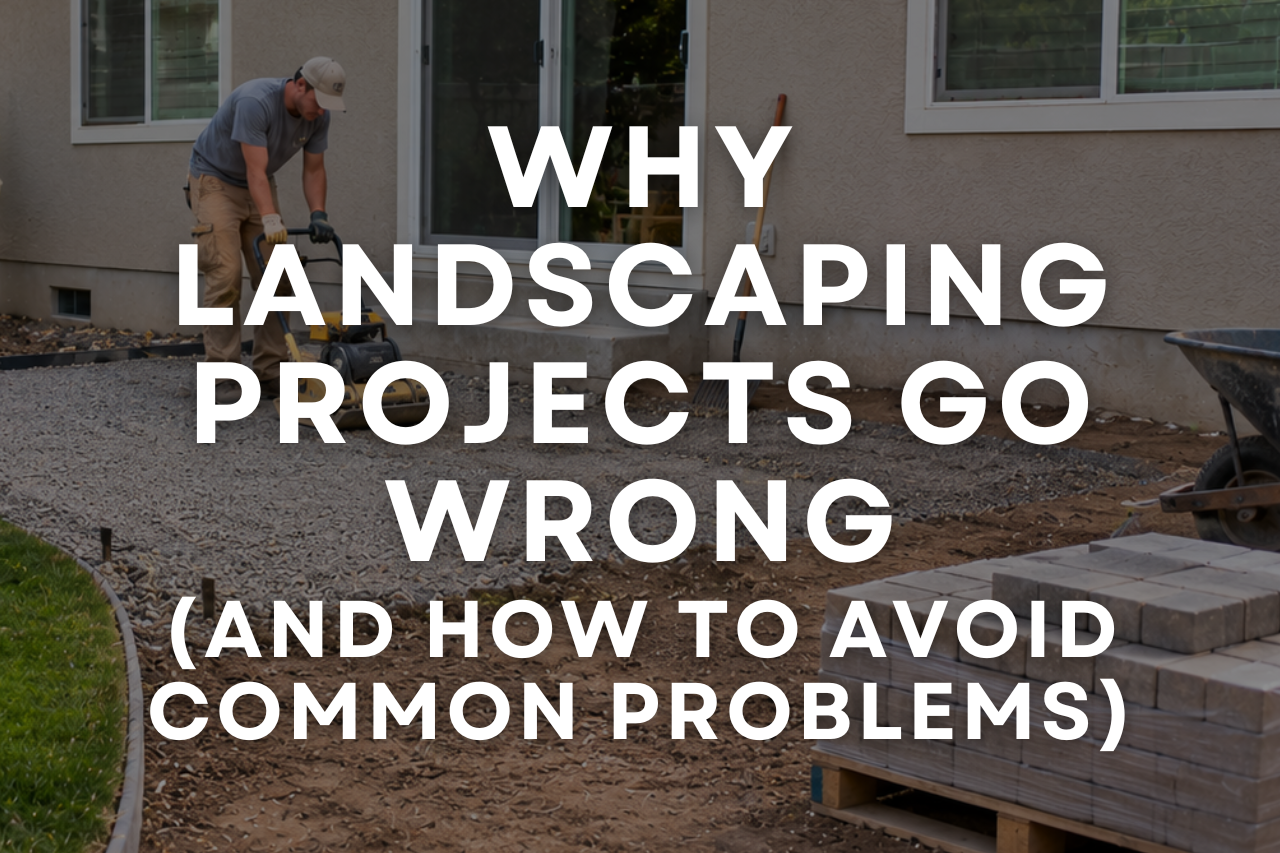
Proper preparation may involve removing unsuitable material, adjusting the grade, improving soil conditions, or compacting the base beneath a hardscape installation.
The amount and type of preparation needed will depend on the property and the materials being installed.
Some yards may have compacted soil left behind from construction equipment. Others may contain loose fill, rocky areas, or soil that doesn't drain consistently.
These conditions can affect how well plants grow and how stable certain landscape features remain over time.
Although this work isn't always visible in the finished project, it plays an important role in its long-term performance.
Poor Drainage Can Cause Problems Later
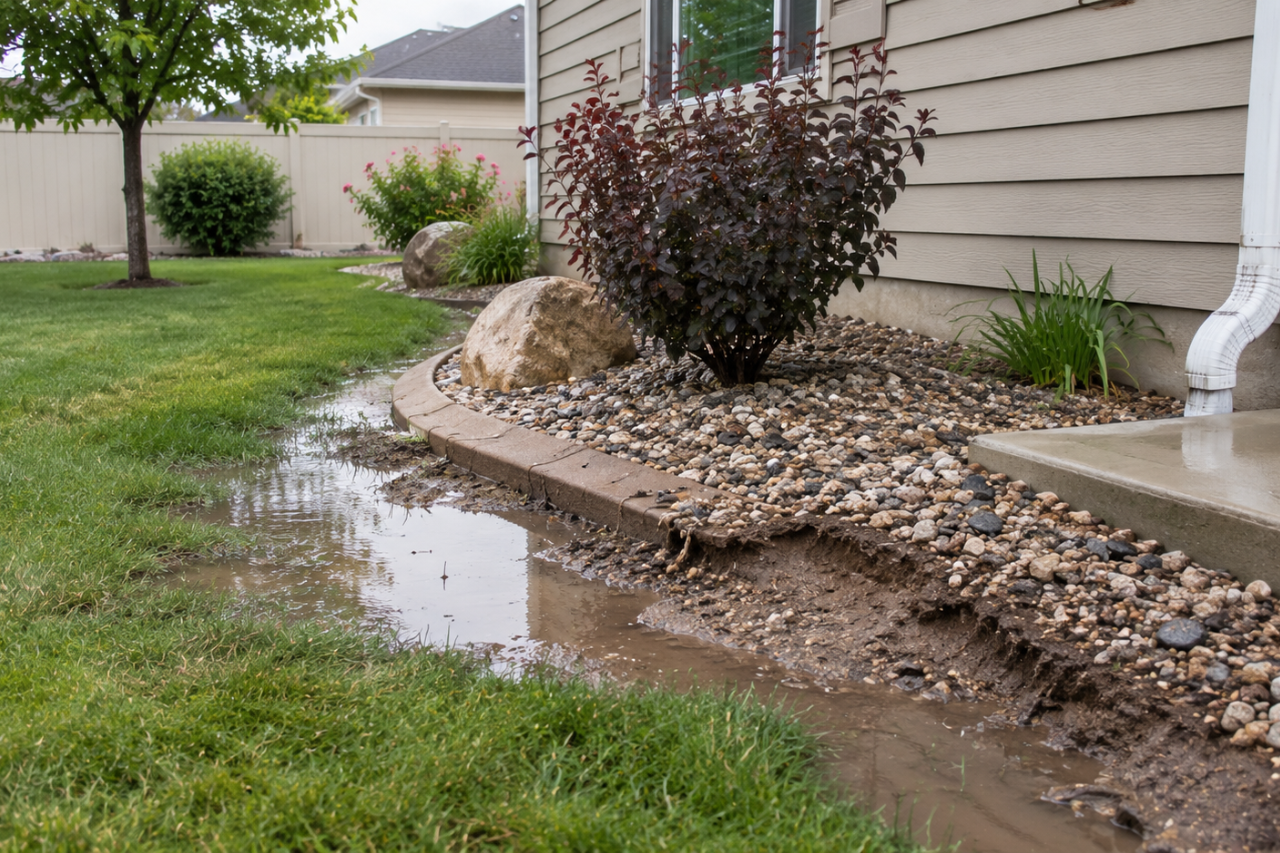
Water management is another important consideration when planning landscaping improvements.
A yard may look perfectly level and attractive, but if water doesn't have an appropriate place to go, problems can develop during heavy rain, snowmelt, or irrigation.
Poor drainage can contribute to:
- Standing water in low areas of the yard
- Soil erosion around planting beds and walkways
- Excess moisture near a home's foundation
- Washed-out decorative rock or mulch
- Uneven settling in certain landscaped areas
- Oversaturated soil that makes it difficult for some plants to thrive
In Utah, where soil conditions and seasonal weather can vary considerably, drainage deserves attention during the planning process.
A well-designed landscape considers how water moves across the property and how grading, irrigation, and other features may affect that movement.
Drainage concerns can also become more noticeable after new landscaping is installed. Adding raised planting beds, patios, retaining walls, or other features can change how water travels through a yard.
That's why it's important to consider drainage before making major changes to the layout of a property rather than waiting until standing water or erosion becomes a problem.
Choosing the Right Landscaping Materials
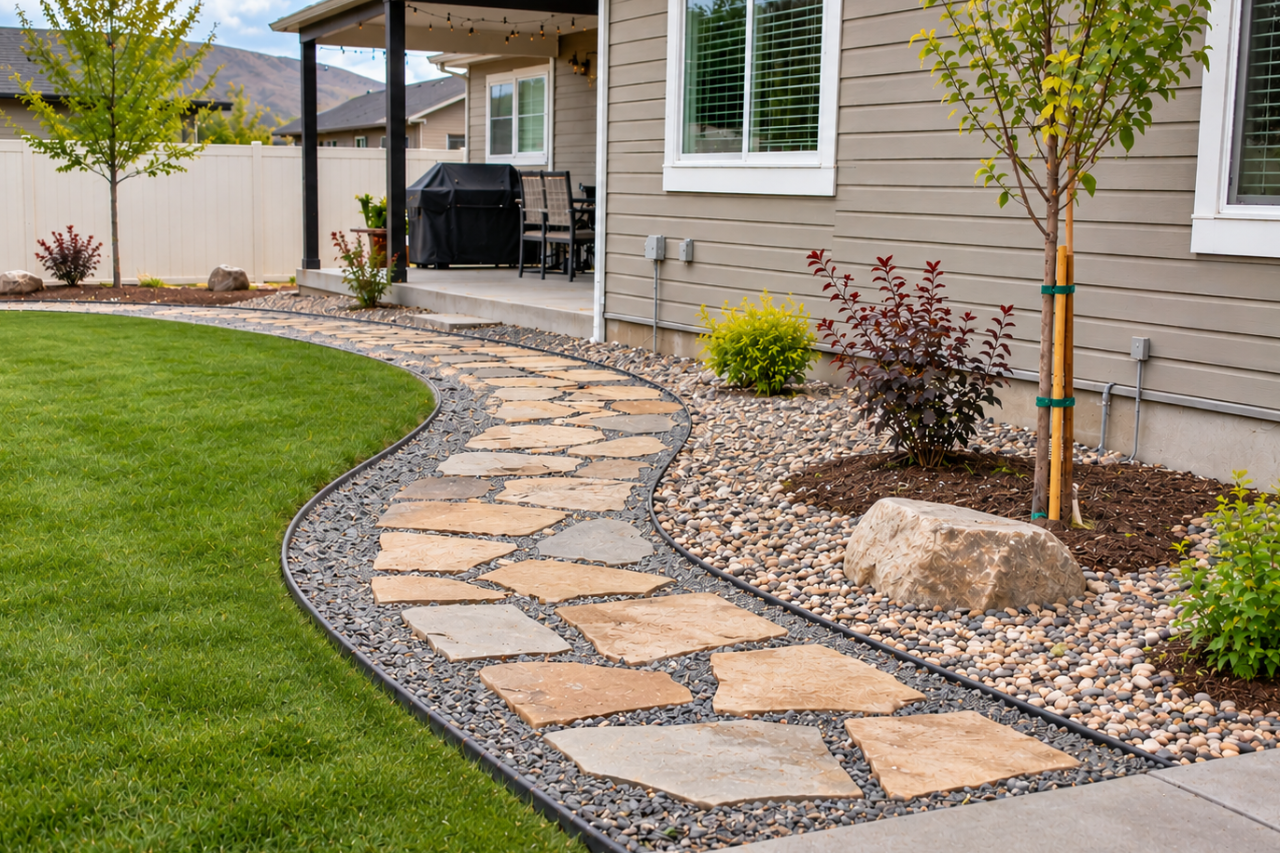
Not every landscaping material is appropriate for every application.
A decorative rock that looks beautiful in a small planting bed might not be the best option for an area that experiences frequent foot traffic. Certain plants may struggle in locations with intense afternoon sun, while others may not tolerate the amount of shade or moisture available.
The same principle applies to pavers, edging, retaining walls, and other landscape features.
When selecting materials, it's important to consider more than appearance.
Durability, maintenance requirements, climate, drainage, and intended use all influence whether a material is a good fit.
For example, a homeowner interested in a low-maintenance yard may benefit from drought-tolerant plants and appropriately designed rock landscaping. However, even these landscapes require planning to help manage weeds, irrigation needs, and long-term upkeep.
Materials should also be selected with seasonal conditions in mind.
Outdoor surfaces in Utah may experience hot summer temperatures, freezing winter conditions, and repeated temperature changes. Some materials are better suited to these conditions than others, depending on their composition and installation requirements.
Choosing materials based on how they'll actually be used can help reduce unnecessary maintenance and future changes.
Plan for Plant Growth and Growing Conditions
Plants can make a landscape feel established and welcoming, but their placement can create problems if their mature size and growing requirements aren't considered.
A small shrub planted close to a walkway may eventually grow large enough to obstruct the path. Trees placed too close to structures may create maintenance concerns as their branches and roots develop.
Sun exposure also plays an important role.
A plant that thrives in a partially shaded area may struggle when exposed to direct sunlight throughout the hottest part of the day.
When planning planting beds, consider:
- How large each plant will grow
- The amount of sunlight the area receives
- Soil conditions and irrigation requirements
- Spacing between plants and nearby structures
- Seasonal appearance and maintenance needs
- Whether surrounding plants have similar watering requirements
Another important consideration is how plants will look as they mature.
New landscaping often includes younger plants that haven't reached their full size. While it may be tempting to place them close together to create a fuller appearance immediately, overcrowding can eventually lead to competition for sunlight, water, and nutrients.
Allowing appropriate space for growth can help plants develop more naturally and reduce the need for frequent trimming or replacement.
Thinking beyond the first growing season helps create landscaping that can develop naturally without becoming overcrowded.
Match Irrigation to Your Landscape
Even a carefully selected landscape can struggle when the irrigation system doesn't match the needs of the plants and lawn.
Different areas of a yard may require different amounts of water. Turfgrass, established shrubs, newly planted trees, and drought-tolerant plants don't necessarily benefit from the same watering schedule.
When everything is watered together without considering those differences, some areas may receive too much moisture while others don't receive enough.
Overwatering can contribute to runoff, saturated soil, and certain plant health problems. Underwatering can make it difficult for new plants to establish healthy root systems.
Irrigation planning should account for plant types, soil conditions, sun exposure, and the layout of the property.
It's also important to remember that watering needs change throughout the year. A schedule that works during the hottest part of summer may provide unnecessary moisture during cooler months.
Reviewing and adjusting irrigation settings as conditions change can help maintain a healthier landscape while reducing wasted water.
Avoid Rushing Important Installation Steps
It's understandable for homeowners to want their landscaping completed as quickly as possible, especially when preparing for an event, moving into a new home, or finishing a construction project.
However, certain installation steps shouldn't be rushed.
Proper base preparation, soil compaction, grading, and irrigation planning all require attention to detail.
Skipping or shortening these steps may save time initially, but it can increase the likelihood of future problems.
For example, a patio that begins settling unevenly may need sections removed and reinstalled. An irrigation system that wasn't planned around plant needs may require adjustments after the landscaping is complete.
Even smaller details, such as properly securing landscape edging or preparing planting areas, can influence how well the finished project holds up.
Homeowners should also understand that some projects require multiple stages of work. Preparing the site, installing underground components, placing materials, and completing final adjustments may all need to happen in a particular order.
Taking the time to address these details during installation can help homeowners avoid additional work later.
Design a Yard That Fits Your Lifestyle
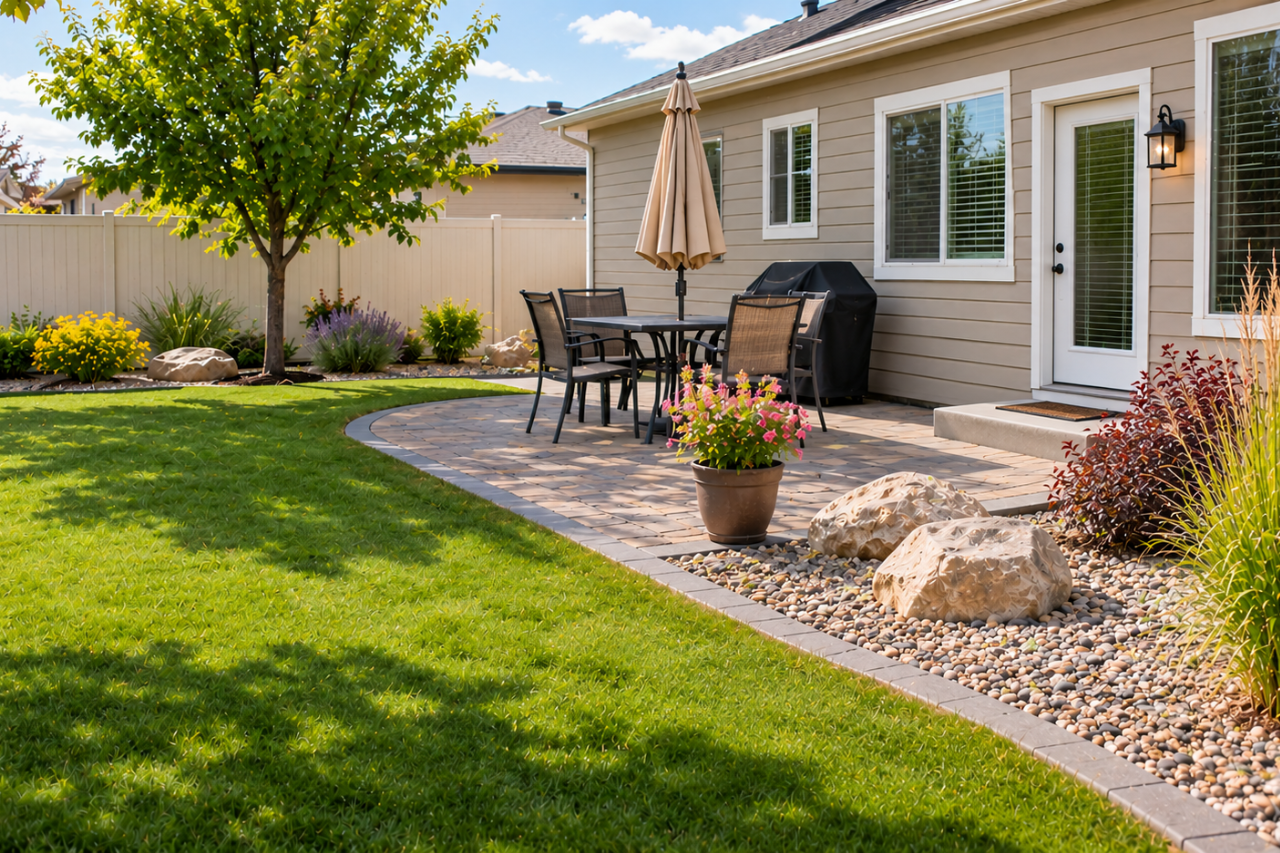
Another common issue is creating an outdoor space that looks attractive but doesn't function well for the people using it.
A family with children and pets may need durable lawn areas and clear walking paths. Someone who enjoys outdoor entertaining might prioritize a patio, seating area, and convenient access from the house.
Other homeowners may prefer landscaping that requires less watering, mowing, or seasonal upkeep.
Before beginning a project, consider how you want to use your yard throughout the year.
Will you need room for outdoor furniture? Do you want space for gardening? Are there areas that receive heavy foot traffic? How much time do you realistically want to spend maintaining the landscape?
It's also worth considering how different areas connect.
A walkway may look attractive but become inconvenient if it doesn't follow the route people naturally take across the yard. A seating area might receive more direct afternoon sunlight than expected, making it uncomfortable during summer.
These practical details can influence how much homeowners enjoy their outdoor spaces after the project is complete.
Answering these questions early can help guide decisions about materials, layout, and overall design.
Set Realistic Maintenance Expectations
One reason homeowners become frustrated with new landscaping is that the amount of maintenance doesn't always match their expectations.
A beautiful landscape can still require regular attention to remain healthy and attractive.
Lawns may need mowing, fertilization, and irrigation adjustments. Planting beds may require occasional weeding, pruning, or mulch replacement. Hardscape surfaces may need cleaning or periodic maintenance depending on the materials and conditions.
Even landscaping designed to reduce maintenance isn't completely maintenance-free.
For example, decorative rock can help reduce the amount of lawn that needs watering and mowing, but weeds may still develop over time as soil and organic debris collect between the rocks.
Before choosing landscaping features, homeowners should consider both the initial installation and the work required to maintain them.
A landscape that fits your available time and maintenance preferences is often more enjoyable than one that requires constant attention.
Plan for the Whole Property and Future Improvements
One of the best ways to approach a landscaping project is to think about the property as a whole, even if the work will be completed in stages.
For example, if you plan to add a patio next year, it may make sense to account for that future installation when planning irrigation lines, drainage, or planting beds today.
Likewise, homeowners who eventually want outdoor lighting, additional walkways, or new lawn areas can benefit from discussing those goals before starting their current project.
A thoughtful plan can help minimize unnecessary changes and make future improvements easier to incorporate.
Budget planning is another important part of the process.
Rather than focusing only on the most noticeable features, homeowners should consider the preparation and supporting work required for the project.
Investing in appropriate grading, soil preparation, and installation methods may not create the same immediate visual impact as decorative features, but those steps can be essential to the finished landscape.
When budgets are limited, completing a project in carefully planned stages may be a better approach than cutting corners on the work that supports the entire installation.
Create a Landscape That Lasts
A successful landscaping project should do more than create a good first impression. It should provide an outdoor space that works for your property, supports your lifestyle, and continues to look good as the landscape matures.
From ground preparation and drainage to material selection, irrigation, and plant placement, the details behind a project can make a significant difference over time.
Homeowners don't need to understand every technical aspect of landscaping before starting a project. However, asking questions about materials, preparation, maintenance, and long-term performance can help them make more informed decisions.
C&K Landscaping helps homeowners plan and improve outdoor spaces with attention to both appearance and functionality.
Whether you're starting a new landscaping project or considering improvements to an existing yard, contact C&K Landscaping to discuss your goals and explore options for your property.
Topics: