A landscaping project can completely change the appearance and functionality of your property. Whether you're installing a new lawn, adding plants, building a patio, or updating an existing yard, the goal is usually the same: create an outdoor space that looks great and works well for years to come.
Unfortunately, not every landscaping project turns out as expected.
Some homeowners invest in new landscaping only to discover drainage problems after the first heavy rain. Others watch newly installed plants struggle to survive, deal with weeds returning almost immediately, or notice that patios and walkways are beginning to shift.
These frustrations can be especially disappointing when you've already invested considerable time and money into improving your property.
The good news is that many common landscaping problems can be prevented with better planning, proper installation, and an understanding of your property's conditions.
Here are some of the most common reasons landscaping projects go wrong and what homeowners should consider before starting their next outdoor improvement.
Drainage Problems Were Overlooked
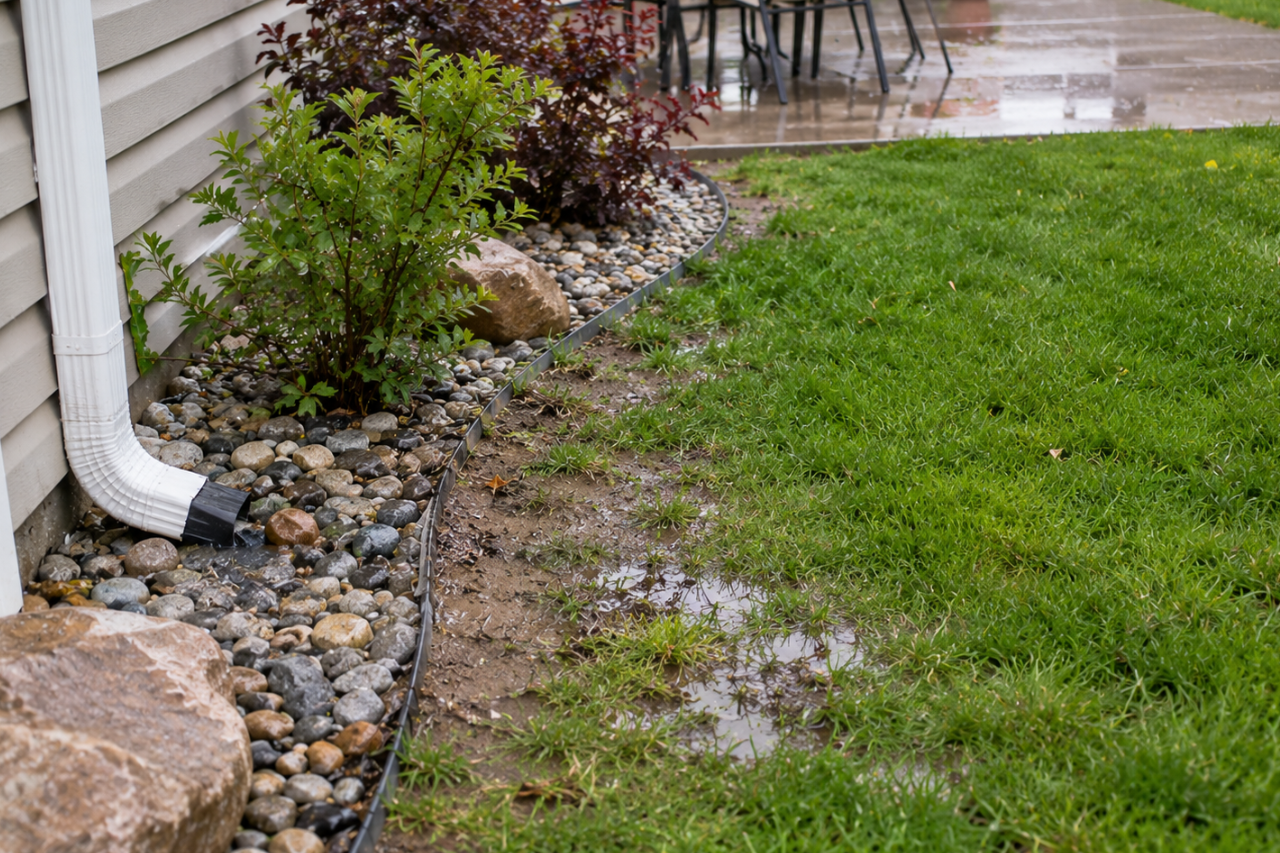
One of the biggest mistakes in landscaping is focusing on how a yard looks without considering where water will go.
Drainage affects nearly every part of your landscape, from the health of your lawn and plants to the stability of patios, retaining walls, and other outdoor features.
When water doesn't drain properly, homeowners may notice:
- Puddles forming in low areas after rain or irrigation
- Soggy grass that never seems to dry
- Soil washing away from planting beds
- Water collecting near the home's foundation
- Mulch or decorative rock being displaced by runoff
These problems often become more noticeable after landscaping changes the natural slope of a property.
For example, adding a raised planting bed or installing a patio without considering drainage can unintentionally redirect water toward areas where it shouldn't collect. Before beginning a landscaping project, evaluate the property's existing drainage patterns.
Pay attention to low spots, slopes, downspout locations, and areas where water collects during storms.
Depending on the property, solutions might include adjusting the grading, installing appropriate drainage systems, or modifying how irrigation water is distributed.
Addressing drainage during the planning process is generally easier than correcting problems after the landscaping has been completed.
Plants Were Chosen for Appearance Instead of Growing Conditions
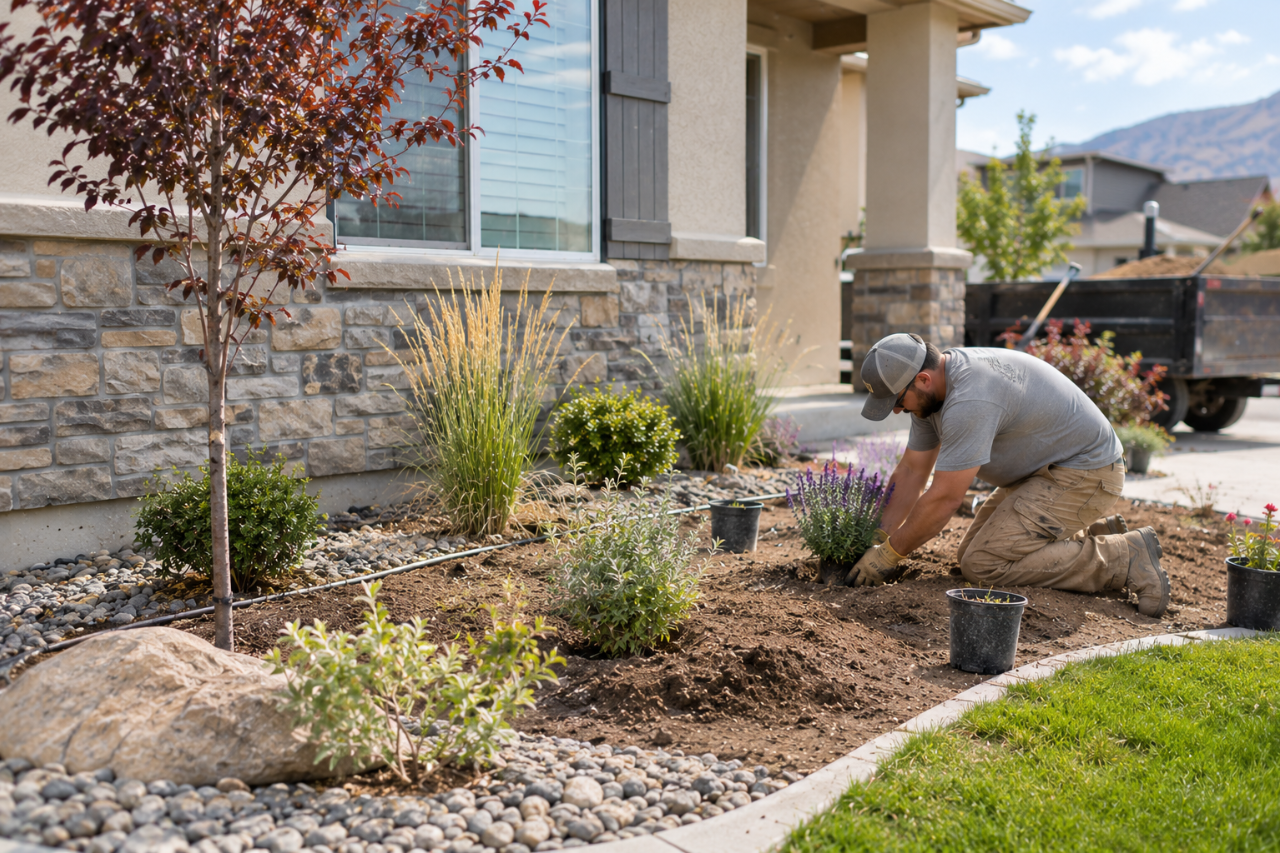
It's easy to choose plants based on how they look at a nursery or in a landscaping photo.
However, a plant that looks beautiful in one yard may struggle in another.
Different plants have specific requirements for sunlight, water, soil conditions, and temperature. Ignoring these requirements can lead to disappointing results, even when plants receive regular care.
In Utah, landscaping can be particularly challenging because of hot summers, freezing winter temperatures, dry conditions, and varying soil types.
A plant that thrives in a shaded, protected area may struggle when installed in a location that receives direct afternoon sunlight.
Similarly, plants that require consistently moist soil may not be practical for every landscape. Before selecting plants, consider:
- Sun exposure: Does the area receive full sun, partial shade, or mostly shade?
- Water requirements: Will the plant work with the property's irrigation system?
- Mature size: How large will the plant become after several years?
- Climate suitability: Can it tolerate local summer and winter temperatures?
- Maintenance needs: How much pruning, watering, or seasonal care will it require?
Choosing plants that match the actual growing conditions can reduce replacement costs and help create a healthier landscape.
It's also important to consider how different plants will grow together. A planting bed may look perfectly spaced when everything is new, but overcrowding can become a problem as shrubs and trees mature.
Irrigation Was Not Planned for the Landscape
An irrigation system should make maintaining a yard easier, not create additional problems.
Unfortunately, poorly planned irrigation can leave some areas receiving too much water while others remain consistently dry.
Homeowners may notice brown patches in the lawn, plants that appear overwatered, or sprinklers spraying sidewalks and driveways instead of landscaped areas.
Sometimes the issue isn't the irrigation equipment itself. It's how the system was designed for the landscape.
For example, lawn areas and planting beds often have different watering requirements. Using the same watering schedule for everything can make it difficult to provide the right amount of moisture. Irrigation planning should be part of the overall landscape design rather than an afterthought.
Different watering zones can help accommodate areas with different plant types, sunlight exposure, and moisture requirements.
Sprinkler placement, water pressure, soil conditions, and appropriate watering methods should also be considered.
Once installed, irrigation systems should be checked periodically for leaks, clogged emitters, damaged sprinkler heads, and uneven coverage.
Even a well-designed system may need seasonal adjustments as temperatures and plant watering requirements change.
Patios and Walkways Were Installed Without Proper Preparation
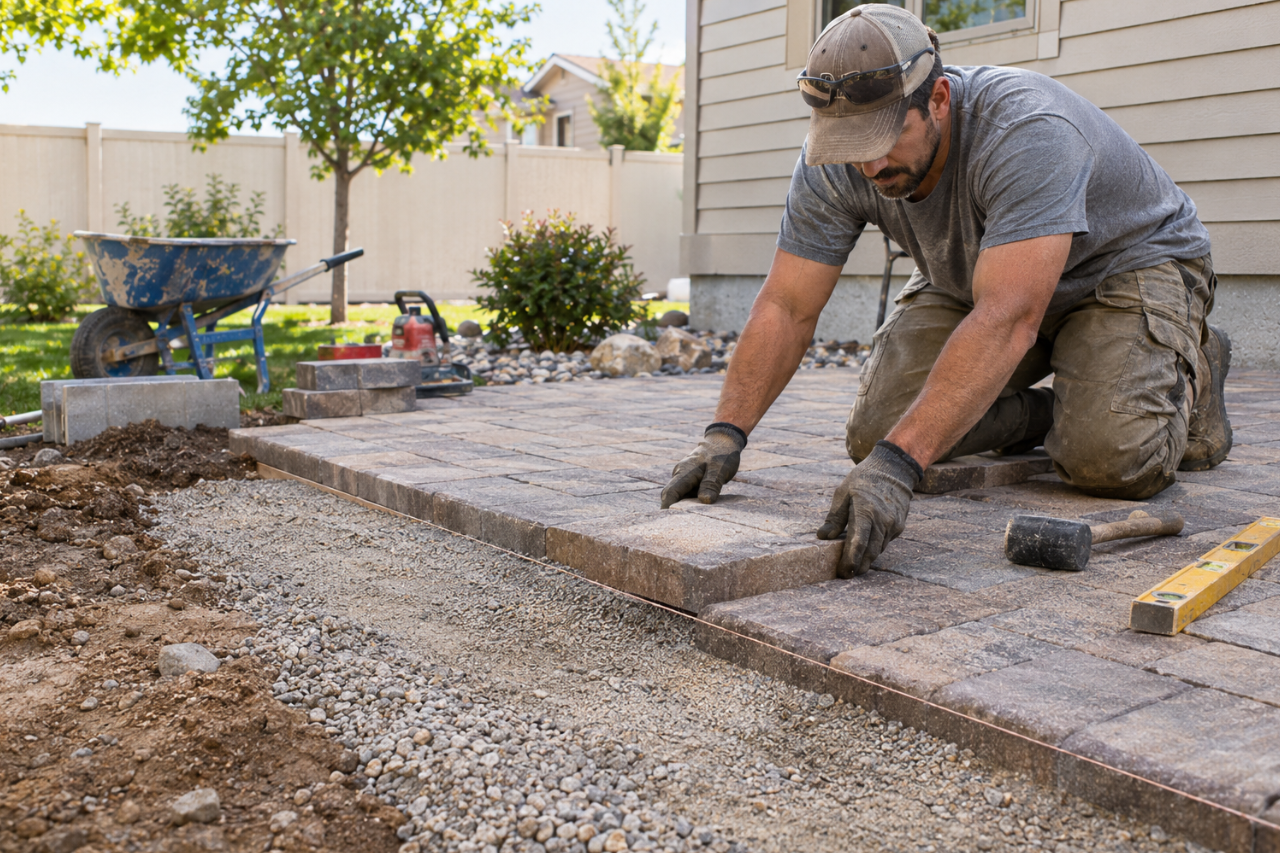
Patios, walkways, and other hardscape features can add structure and functionality to a yard.
However, their long-term performance depends heavily on what happens before the visible materials are installed.
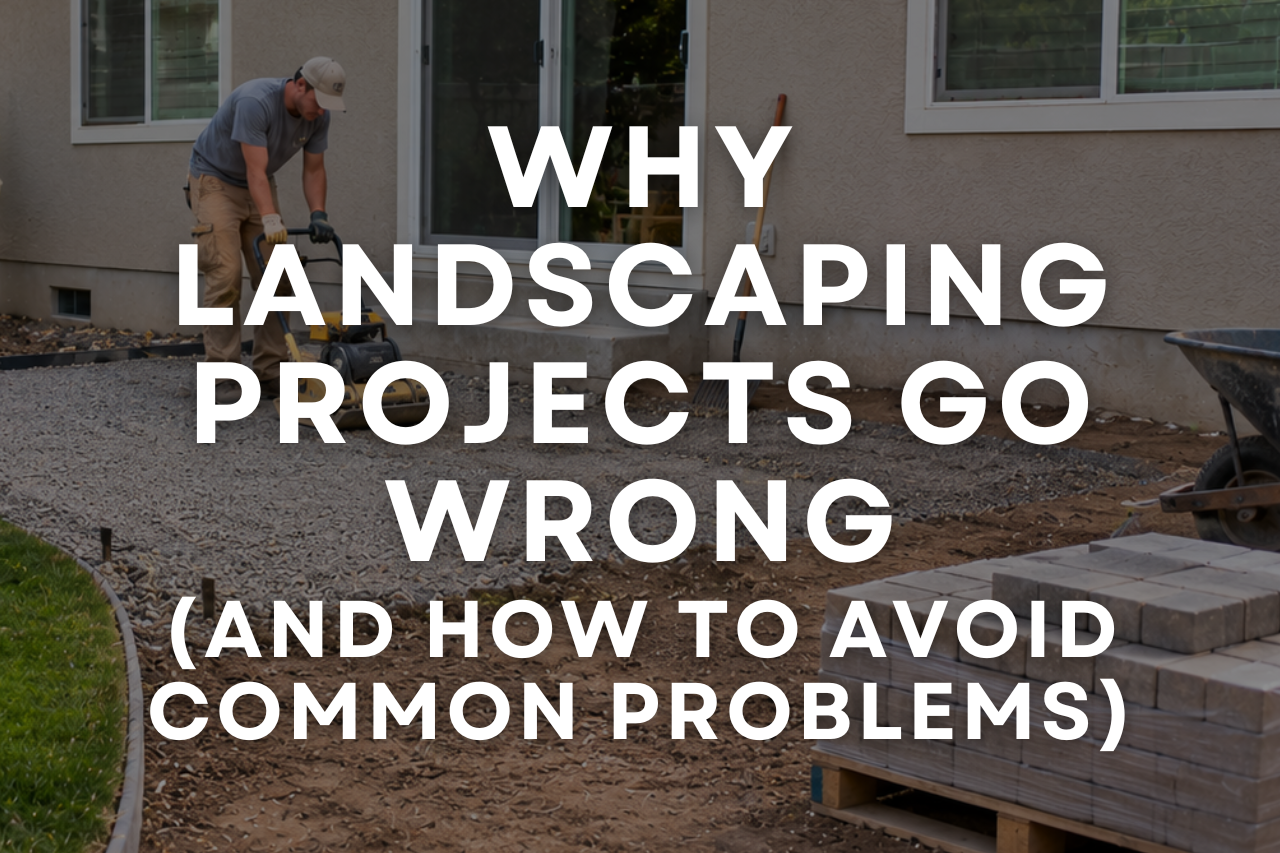
One common frustration involves pavers that begin to shift, settle, or become uneven shortly after installation.
In many cases, the underlying issue involves inadequate site preparation, an unsuitable base, poor compaction, or drainage problems.
The finished surface may look great initially, but problems can develop as the ground experiences moisture changes, temperature fluctuations, and regular use. Proper hardscape installation begins with evaluating the soil and preparing a suitable foundation.
Depending on the project, this may involve excavation, installing and compacting appropriate base materials, establishing the correct slope, and providing edge restraints.
The exact requirements vary based on the materials, soil conditions, and intended use of the area.
A walkway designed for occasional foot traffic may have different construction requirements than a patio supporting heavy outdoor furniture.
Homeowners should also discuss material choices before installation. Different paving materials have different maintenance requirements, installation methods, and long-term performance characteristics.
Investing in proper preparation can help reduce the likelihood of premature settling and expensive repairs.
Weed Management Was Overlooked
Few things are more frustrating than spending time and money improving a yard only to see weeds returning a few weeks later.
Weeds can grow in lawns, planting beds, gravel areas, and even between patio pavers.
While landscaping improvements can help reduce weed growth, no landscape is completely weed-proof.
Weed seeds can already be present in the soil, blow into the yard, or arrive through other natural sources.
Disturbed soil during construction may also bring buried seeds closer to the surface, where they can germinate. Long-term weed management usually requires several approaches working together.
These may include removing existing weeds before installation, using suitable mulch in planting beds, maintaining healthy turf, and addressing irrigation problems that encourage unwanted growth.
Landscape fabric may be appropriate in certain applications, but it isn't a permanent solution for every area. Organic material can accumulate above the fabric over time, allowing new weeds to establish.
Regular maintenance is still important, especially during the growing season.
Instead of expecting landscaping to eliminate weeds entirely, homeowners should focus on creating a landscape that makes weed control more manageable.
Existing Landscaping Was Not Protected
When homeowners hire someone to improve their property, they generally expect the areas outside the project to be respected.
Unfortunately, construction activity can sometimes damage established plants, irrigation lines, lawn areas, or existing hardscape features.
Heavy equipment, repeated foot traffic, and material storage can compact soil or damage vegetation.
Even relatively small projects can affect nearby landscaping if access routes and work areas aren't considered beforehand. Before work begins, identify which existing landscape features should remain undisturbed.
Discuss the location of irrigation lines, established trees, planting beds, walkways, and other features that could be affected by construction.
It can also help to establish where equipment will enter the property and where materials will be stored.
Some temporary disruption may be unavoidable, depending on the project, but planning ahead can help minimize unnecessary damage.
Homeowners should also discuss cleanup expectations so they understand what condition the property will be left in when the work is complete.
Expectations Were Not Clearly Communicated
Another common source of frustration is a finished landscape that doesn't match what the homeowner originally envisioned.
Sometimes the issue involves plant sizes, material colors, or the placement of landscape features.
In other situations, the homeowner and landscaping contractor simply had different understandings of the project.
For example, one person might picture a full, established planting bed, while the actual installation uses younger plants that will need several growing seasons to fill in.
Neither expectation is necessarily unreasonable, but the difference should be discussed before installation. Clear communication is one of the most important parts of a successful landscaping project.
Before work begins, make sure you understand the proposed design, materials, plant sizes, and overall scope.
Ask questions about anything that seems unclear.
It can also help to review photos, samples, or a landscape plan when available.
For larger projects, discussing the work in stages can make it easier to understand what will happen and when.
Changes may occasionally be necessary because of site conditions or material availability. When that happens, homeowners should understand the proposed changes and any associated costs before additional work proceeds.
Maintenance Needs Were Underestimated
A newly completed landscape can look beautiful, but keeping it that way requires ongoing care.
One mistake homeowners sometimes make is assuming that a professionally installed landscape will remain in excellent condition with very little attention.
In reality, maintenance requirements depend on the types of plants, lawn areas, irrigation systems, and hardscape materials included in the design.
Some landscapes require frequent mowing, pruning, and seasonal cleanup. Others can be designed with lower-maintenance plants and materials.
Even low-maintenance landscapes need occasional attention. Think about how much time you realistically want to spend maintaining your yard.
If you prefer minimal upkeep, communicate that preference during the planning process.
Consider alternatives such as appropriately selected drought-tolerant plants, manageable lawn areas, and landscape materials that fit your maintenance goals.
It's also helpful to understand what care new plants and lawns will need immediately after installation.
New landscaping often requires closer attention while plants establish their root systems and irrigation schedules are adjusted.
A landscape designed around your lifestyle is more likely to remain enjoyable over time.
Questions to Ask Before Starting a Landscaping Project
Whether you're planning a complete yard transformation or making improvements to an existing landscape, asking the right questions can help prevent misunderstandings.
Before moving forward, consider asking:
- What preparation will be needed before installation?
- How will drainage and irrigation be addressed?
- Are the recommended plants suitable for my property's growing conditions?
- What materials will be used for patios, walkways, or retaining features?
- How will existing landscaping be protected?
- What is included in the project estimate?
- How will unexpected issues or changes be handled?
- What maintenance will the finished landscape require?
You don't need to know everything about landscaping to make informed decisions.
A good planning process should help you understand what is being installed, why certain recommendations are being made, and what to expect after the project is finished.
Plan Ahead for a Landscape That Lasts
Landscaping is about more than creating an attractive yard. It's also about making sure the outdoor space functions properly and fits the needs of the people using it.
Poor drainage, struggling plants, recurring weeds, and shifting hardscape materials can turn an exciting improvement into an ongoing source of frustration.
While some problems are unavoidable, many can be reduced through thoughtful planning, appropriate materials, proper installation, and realistic maintenance expectations.
Taking the time to understand your property's conditions before beginning a project can help you make better decisions and avoid unnecessary expenses later.
Discuss Your Project with C&K Landscaping
Whether you're updating an existing yard or starting a new landscaping project, having a clear plan can make a difference in the final result.
C&K Landscaping helps homeowners create outdoor spaces that balance appearance, functionality, and long-term maintenance needs.
If you're considering landscaping improvements or dealing with problems in your current yard, contact C&K Landscaping to discuss your property and explore your options.
Topics: