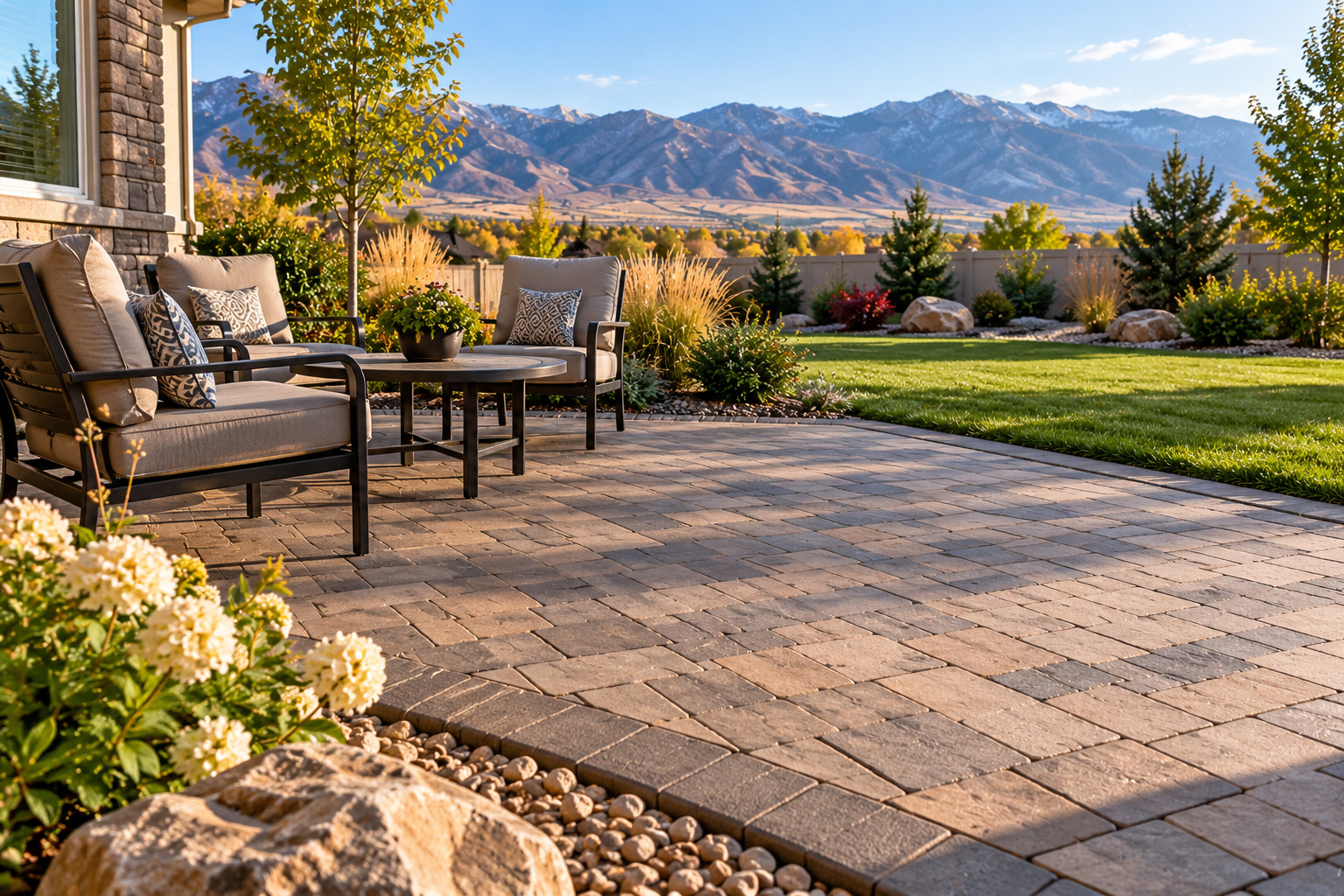
A well-designed landscape can completely change the appearance of a home, but what happens to that landscaping once the sun goes down?
For many homeowners, outdoor spaces become less usable after dark. Walkways can be difficult to navigate, patios lose their functionality, and beautiful landscaping features disappear into the shadows.
Outdoor landscape lighting offers a practical way to address these challenges while improving the overall appearance of your property.
Whether you want to highlight trees, illuminate a walkway, or create a more inviting backyard, the right lighting design can make your outdoor space more enjoyable throughout the year.
For homeowners in Central Utah, where seasonal daylight hours vary significantly, professionally planned landscape lighting can be a valuable addition to both new and existing landscaping.
What Is Outdoor Landscape Lighting?
Outdoor landscape lighting involves strategically placing lighting fixtures throughout a property's exterior to improve visibility, highlight design features, and create a specific atmosphere.
Unlike a standard porch light or floodlight, landscape lighting is typically designed to complement the layout and appearance of the yard.
Fixtures may be installed along pathways, near trees and shrubs, around patios, or beside architectural features.
The goal is not necessarily to make every part of the yard brightly illuminated. Instead, an effective lighting design uses a combination of brightness, placement, and direction to create a balanced appearance.
Some areas may need stronger lighting for visibility, while others benefit from softer illumination that draws attention to landscaping details.
A thoughtful design considers how the property looks from different perspectives, including the street, front entrance, patio, and interior windows.
Improve Visibility Around Walkways and Outdoor Steps
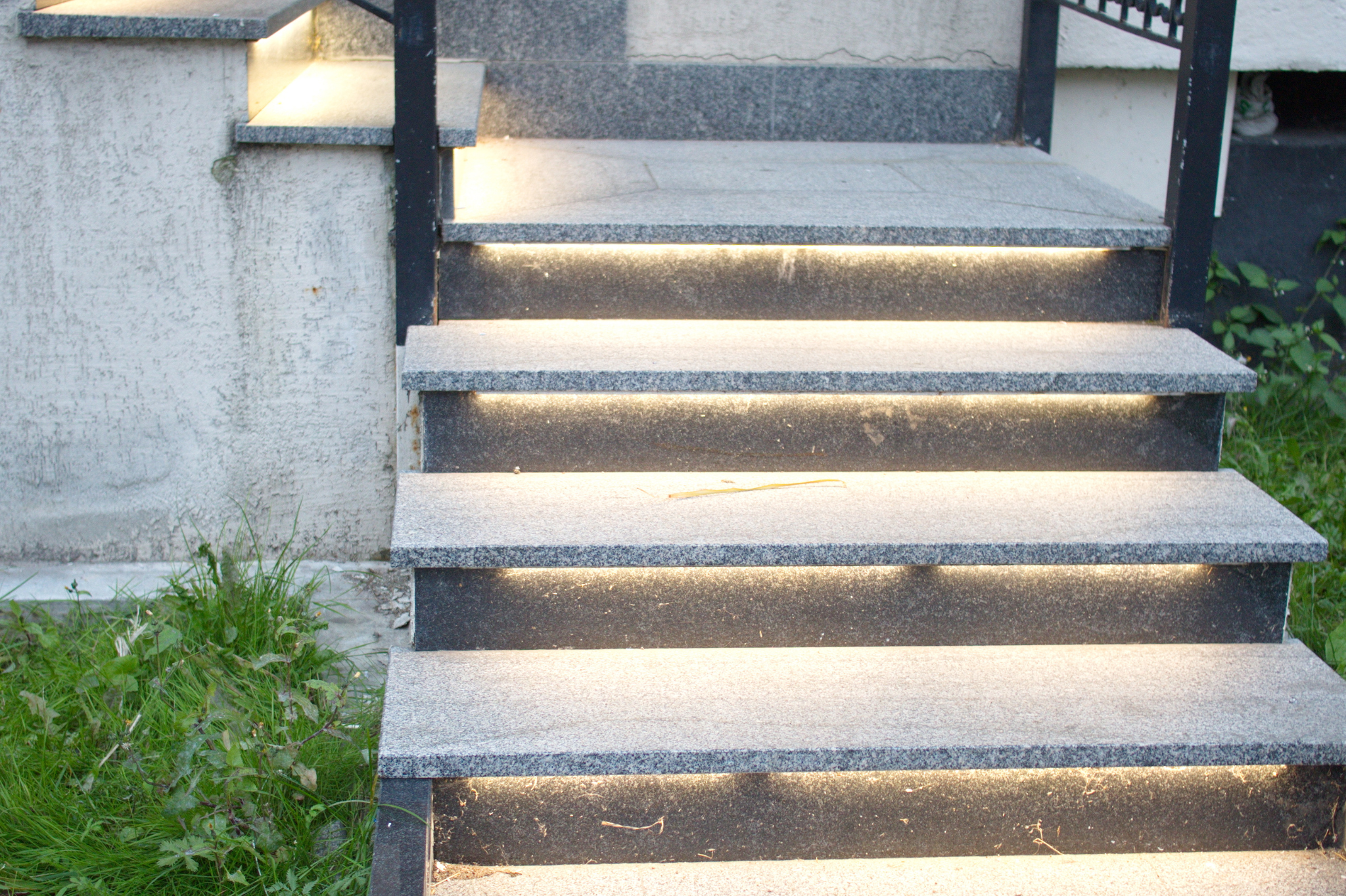
One of the most practical benefits of landscape lighting is improved visibility around areas where people regularly walk.
Uneven pathways, steps, changes in elevation, and landscape borders can become difficult to see after dark.
This is particularly important during the fall and winter when daylight hours are shorter and homeowners may arrive home after sunset.
Installing properly positioned lighting can make it easier to navigate these areas.
Common locations for pathway lighting include:
- Walkways leading to the front entrance
- Garden paths and stepping-stone walkways
- Steps connecting different levels of a yard
- Patio entrances and outdoor seating areas
- Pathways between a home and detached garage
- Areas near retaining walls or changes in elevation
Lighting should provide enough visibility to help people recognize obstacles without creating excessive glare.
For example, a series of low pathway lights may be more effective than a single bright fixture that casts strong shadows.
Fixture placement is also important. Lights installed too close together can make a pathway appear overly bright, while lights spaced too far apart may leave sections difficult to see.
Professional landscape lighting design considers these details to create a safer and more comfortable outdoor environment.
Highlight Trees and Landscape Features
Landscaping often represents a significant investment of time, planning, and money.
Homeowners carefully select trees, shrubs, decorative rock, and other features to create an attractive outdoor space. However, many of those details become nearly invisible at night.
Landscape lighting can help showcase these elements even after daylight fades.
One popular technique is uplighting, which involves positioning a fixture near the base of a tree or architectural feature and directing the light upward.
This technique can emphasize the shape of a tree trunk, the texture of its bark, or the structure of its branches.
For properties with mature trees, uplighting can create an attractive focal point that adds depth to the landscape.
Accent lighting can also be used around:
- Ornamental trees
- Decorative boulders
- Retaining walls
- Garden beds
- Water features
- Architectural columns
- Entryway landscaping
Not every feature needs its own light. In fact, selecting a few important focal points often creates a more attractive result than illuminating everything.
The goal is to complement the landscaping rather than overwhelm it.
For example, a large ornamental tree near the front of a home might serve as the primary focal point, while softer lighting along nearby shrubs provides additional depth.
This approach allows different elements of the landscape to work together as part of a cohesive design.
Make Patios and Outdoor Living More Functional
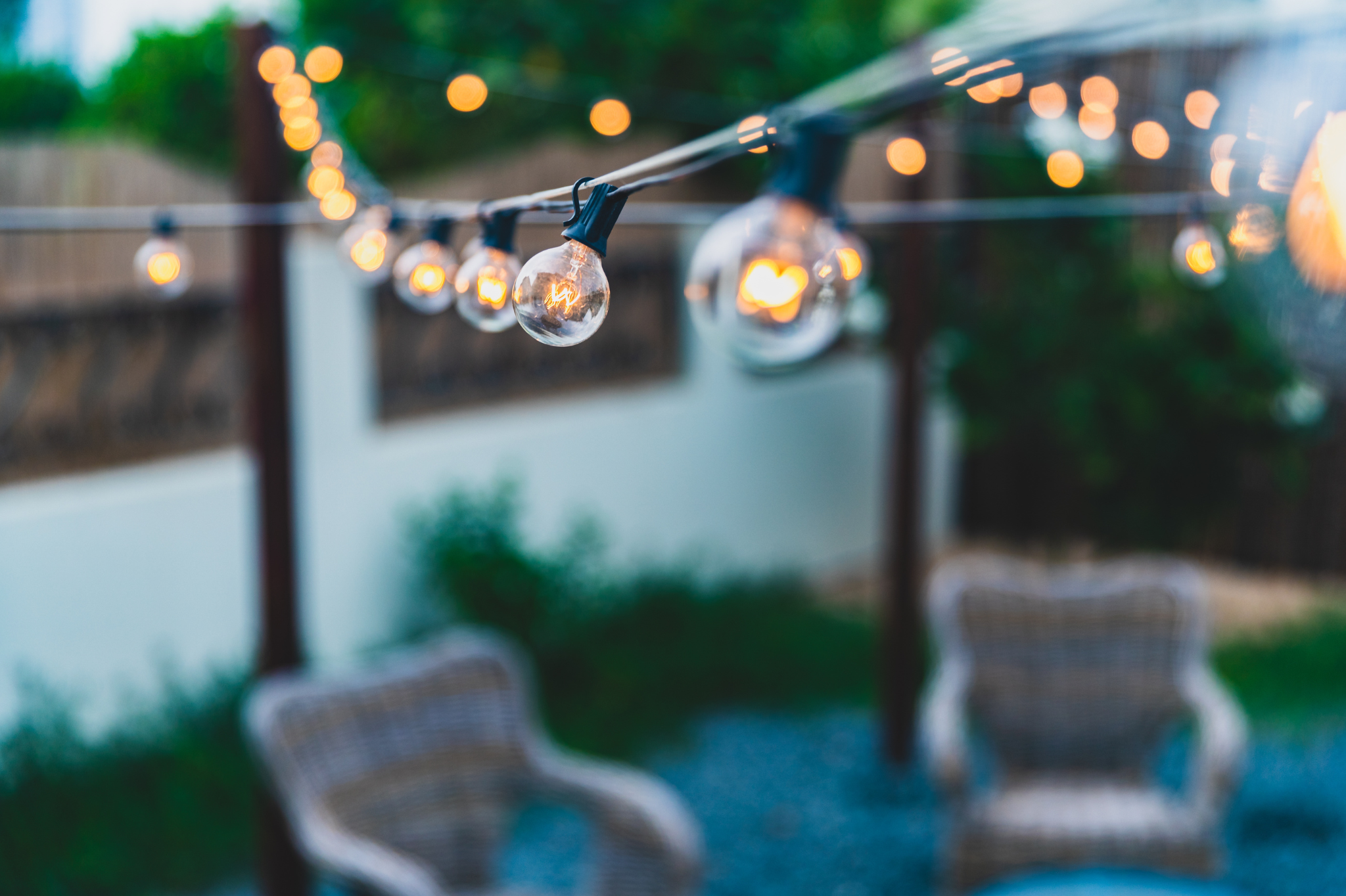
A patio or outdoor seating area is often one of the most enjoyable parts of a residential landscape.
These spaces provide opportunities for family gatherings, outdoor meals, relaxing evenings, and entertaining guests.
However, without adequate lighting, their usefulness may be limited to daylight hours.
Outdoor landscape lighting can help extend the amount of time homeowners comfortably spend outside.
Patio lighting can be designed around the activities that take place in the space.
For example, an outdoor dining area may need enough illumination for people to see their meals and move around comfortably.
A seating area intended for relaxing may benefit from softer, warmer lighting that creates a welcoming atmosphere.
Steps and pathways leading to the patio should also be considered to help people move safely between different areas.
Depending on the design, lighting may be incorporated into surrounding landscaping, retaining walls, steps, or other hardscaping features.
One important consideration is avoiding excessive brightness.
A patio surrounded by extremely bright fixtures may feel less comfortable than one with carefully positioned lighting that provides visibility without shining directly into people's eyes.
When lighting is included during the initial landscape design process, fixtures and wiring can often be incorporated more seamlessly into the finished outdoor space.
However, existing patios and backyard landscapes can also be evaluated for lighting improvements.
Enhance Curb Appeal After Dark
Curb appeal is often associated with maintaining a green lawn, trimming shrubs, and keeping landscape beds clean.
While these elements are important during the day, lighting can influence how a property looks at night.
A well-lit front yard can create a more welcoming appearance by drawing attention to the home's entrance, architectural features, and surrounding landscaping.
For example, soft lighting along a front walkway can guide visitors toward the entrance while adding visual interest.
Accent lighting near trees or decorative stone features can create depth and prevent the yard from appearing completely dark.
Lighting may also help emphasize features that make a home unique.
A property with natural stone accents, decorative columns, or a distinctive entryway may benefit from carefully directed illumination.
The best results generally come from balancing lighting with the home's existing architecture and landscape design.
Too many bright fixtures can create glare and make the property appear harsh rather than inviting.
A thoughtful design uses lighting to enhance what is already there.
For homeowners planning to sell their property in the future, attractive exterior lighting may also contribute to a positive first impression during evening showings.
Although lighting alone does not guarantee an increase in property value, it can improve the presentation and usability of outdoor spaces.
Add Visibility Around Driveways and Entrances
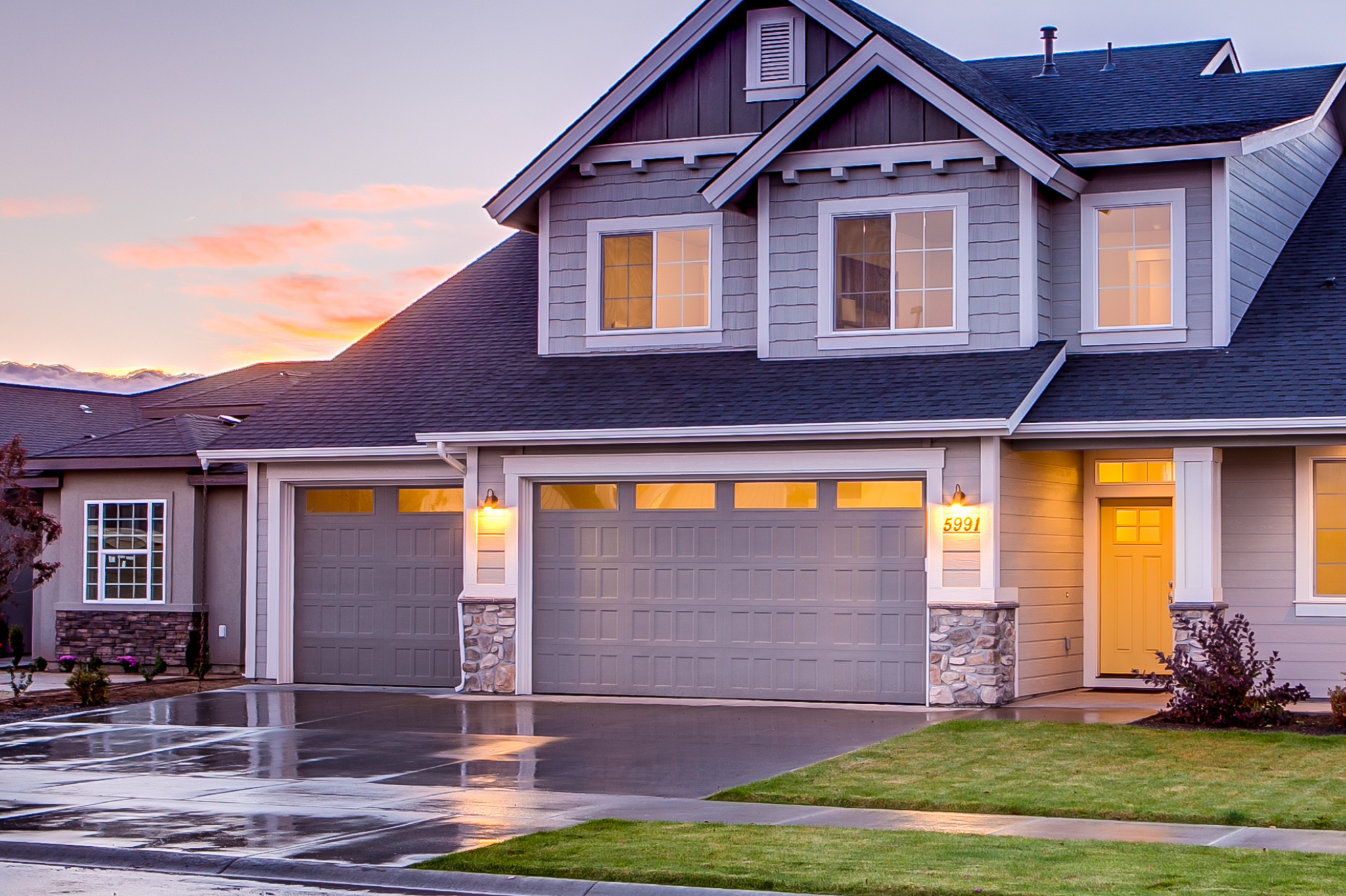
Driveways and exterior entrances are frequently used after dark, especially during the shorter days of fall and winter.
Proper lighting can make it easier to identify driveway edges, navigate toward entrances, and recognize changes in elevation.
For homes with longer driveways or larger properties, lighting may be particularly useful in areas that receive little illumination from nearby streetlights.
However, lighting a driveway does not necessarily mean installing several powerful floodlights.
Low-profile fixtures, carefully positioned accent lights, or lighting integrated into surrounding landscaping may provide adequate visibility while maintaining an attractive appearance.
The layout of the driveway and the surrounding landscape should guide the design.
For example, a curved driveway may benefit from lighting that helps define its edges.
A driveway bordered by retaining walls or decorative planting beds may offer opportunities to integrate lighting into existing features.
It's also important to consider how fixtures will be affected by regular property maintenance.
Lights placed near driveways should be positioned where they are less likely to be damaged by vehicles, lawn equipment, or snow removal activities.
A well-planned installation considers both appearance and long-term functionality.
Choose Efficient Lighting and Convenient Controls
Energy efficiency is an important consideration for homeowners who want to improve their outdoor spaces without creating unnecessary electricity costs.
LED lighting has become a popular option for residential landscape applications because it typically uses less electricity than traditional incandescent lighting and offers a long service life.
LED fixtures are available in a variety of brightness levels, beam angles, and color temperatures, making them suitable for different landscape features.
Warm white lighting is often used in residential landscapes because it creates a softer appearance around patios, trees, and walkways.
Cooler lighting may be appropriate for certain applications, but using too many different color temperatures can make the landscape feel inconsistent.
Homeowners should also consider lighting controls.
Timers, photocells, and compatible smart controls can help manage when outdoor lights operate.
For example, a timer may turn landscape lighting on around sunset and switch it off later in the evening.
Photocells can respond to changing daylight conditions, helping lighting systems adjust as sunrise and sunset times change throughout the year.
Some systems also allow homeowners to control lighting zones independently.
This can be useful when certain areas, such as a front walkway, need illumination for longer periods than decorative features in the backyard.
Choosing appropriate fixtures and controls can help create a lighting system that is both practical and efficient.
Why Fixture Placement Matters
One of the biggest differences between basic outdoor lighting and a professional landscape lighting design is fixture placement.
Even high-quality lighting fixtures may produce disappointing results if they are installed in the wrong locations.
For example, a spotlight positioned too close to a wall may create an overly bright area without highlighting the intended architectural details.
A fixture aimed directly toward a seating area may cause uncomfortable glare.
Pathway lights installed without considering the shape of the walkway may leave unevenly illuminated sections.
Successful lighting design requires attention to several factors, including:
Beam angle: The width of the light beam affects how much of a feature is illuminated. Narrow beams may work well for tall trees or specific focal points, while wider beams can illuminate larger surfaces.
Brightness: Different areas require different levels of illumination. Decorative accent lighting typically serves a different purpose than lighting installed for steps or entrances.
Direction: Aiming fixtures carefully helps control glare and directs attention toward the intended feature.
Spacing: Proper spacing helps create a balanced appearance and prevents areas from becoming excessively bright or dark.
Surrounding landscaping: Trees and shrubs grow over time, so fixture placement should account for how plants may change.
It's also important to consider neighboring properties. Outdoor lights should be positioned to minimize unwanted light entering nearby windows or yards.
Thoughtful fixture placement can create attractive results without relying on excessive numbers of lights.
Plan for Central Utah Weather and Maintenance
Outdoor lighting systems must be able to withstand the environment where they are installed.
In Central Utah, landscape lighting may be exposed to summer heat, dust, wind, snow, freezing temperatures, and changing soil conditions.
These factors make proper equipment selection and installation especially important.
Fixtures should be rated for their intended outdoor locations and exposure to moisture.
Electrical connections, wiring, transformers, and other components should also be installed according to applicable electrical requirements and manufacturer instructions.
For low-voltage landscape lighting, the transformer and wiring layout must be appropriate for the number of fixtures and the system's electrical load.
Homeowners should also consider seasonal maintenance.
Snow accumulation can cover low fixtures, while shifting soil or growing vegetation may affect the direction of light over time.
Fixtures installed near lawns should be positioned to reduce the risk of damage from mowers, trimmers, and other maintenance equipment.
Occasional inspections can help identify loose fixtures, damaged wiring, or lights that are no longer properly aimed.
Cleaning dirt and debris from fixture lenses may also help maintain consistent illumination.
By choosing suitable materials and planning for local conditions, homeowners can help their lighting systems remain functional through changing seasons.
Common Outdoor Lighting Mistakes to Avoid
Adding outdoor lighting may seem straightforward, but several common mistakes can affect the finished result.
One of the most frequent problems is installing too many fixtures.
Homeowners sometimes assume that brighter lighting will automatically improve visibility and appearance. However, excessive illumination can create glare, harsh shadows, and unnecessary light spill.
Another mistake is using the same type of fixture throughout the entire yard.
Different landscape features require different lighting approaches. A tall tree, narrow walkway, and outdoor dining area should not necessarily be illuminated in the same way.
Other common mistakes include:
- Positioning fixtures where they shine directly into windows
- Using lights that are not rated for outdoor exposure
- Ignoring future plant growth when placing fixtures
- Installing lights where snow removal equipment may damage them
- Failing to consider wiring and transformer capacity
- Overlooking the need for maintenance access
- Choosing inconsistent lighting colors throughout the landscape
Homeowners should also be mindful of light pollution.
Unnecessary nighttime lighting can affect neighboring properties and wildlife. Using shielded fixtures, appropriate brightness levels, and timers can help reduce these impacts.
A successful design provides the illumination needed for the property without creating excessive light.
Include Lighting in Your Landscape Design
If you're planning a new landscape installation or major backyard renovation, lighting is worth discussing early in the design process.
Including lighting in the initial plans allows the layout, wiring, and fixture locations to be considered alongside other landscape features.
For example, a new paver patio may include lighting around steps or retaining walls.
A front yard redesign may incorporate accent lighting near trees, decorative rock features, or the main entrance.
A new walkway can be planned with lighting locations that complement its shape and surrounding planting beds.
Considering these elements together can help create a more cohesive finished appearance.
It may also reduce the need to disturb completed landscaping later to install wiring or fixtures.
However, homeowners do not need to complete an entire landscape renovation to benefit from outdoor lighting.
Existing yards can often be improved with carefully selected fixtures and a lighting plan that works with the property's current layout.
Whether the project involves a few pathway lights or a more extensive lighting system, the most important step is identifying how the outdoor space will be used.
Is Landscape Lighting Worth It for Your Property?
The value of landscape lighting depends on your property, goals, and how frequently you use your outdoor spaces.
For some homeowners, the main benefit is improved visibility around walkways and entrances.
Others may be more interested in creating an attractive backyard for evening gatherings or highlighting landscaping features they have invested in over the years.
Outdoor lighting can provide several benefits at once.
A well-designed system may improve nighttime visibility, extend the usability of patios, enhance curb appeal, and draw attention to the most attractive features of a landscape.
The overall cost will depend on factors such as the size of the property, number of fixtures, equipment selection, wiring requirements, and installation complexity.
Rather than focusing only on the number of lights, homeowners should consider which areas of the property would benefit most from illumination.
Starting with high-priority areas, such as entrances, steps, and frequently used pathways, can be a practical approach.
Additional accent lighting can then be incorporated based on the desired appearance and budget.
Explore Outdoor Lighting with C&K Landscaping
A beautiful landscape should be something you can enjoy beyond daylight hours.
Whether you're interested in improving visibility around your home, highlighting decorative landscaping, or creating a more inviting patio, outdoor lighting can make a meaningful difference in how your property looks and functions.
At C&K Landscaping, we help homeowners throughout Central Utah create outdoor spaces that combine attractive design with everyday practicality.
Our landscaping services include landscape design and installation, hardscaping, lawn care, irrigation systems, and outdoor lighting installation.
Whether you're updating an existing yard or planning a completely new landscape, our team can help you explore options that complement your property and fit your goals.
Contact C&K Landscaping today to discuss your outdoor lighting or landscaping project and request a free estimate.
Visit candklandscaping.com or call (435) 558-0596 to get started.
Topics: