As temperatures begin to drop across Central Utah, homeowners often shift their attention away from their yards. However, the work you do before winter arrives can make a significant difference in how your lawn, plants, and landscaping look when spring returns.
Cold temperatures, freezing soil, snow, and fluctuating weather conditions can all affect your outdoor spaces. Without proper preparation, lawns may experience damage, irrigation systems can freeze, and plants may struggle to recover after winter.
While Utah landscapes are often designed to withstand changing seasons, even established yards benefit from regular maintenance. Taking care of a few important landscaping tasks during the fall can help protect your investment, reduce preventable damage, and make spring maintenance easier.
Whether you have a traditional grass lawn, decorative rock landscaping, mature trees, or a combination of outdoor features, understanding how to prepare your property for winter is an important part of keeping it in good condition year after year.
Give Your Lawn Attention Before Winter
Your lawn may be growing more slowly as temperatures cool, but that does not mean it no longer needs attention.
For cool-season grasses commonly used in Utah, fall is an important time for root development and recovery from summer heat. Even when grass growth above the ground begins to slow, the roots may continue developing while soil temperatures remain favorable.
Proper maintenance during this period can help support healthier growth when warmer temperatures return.
Start by continuing to mow your lawn as needed until growth slows significantly. Avoid cutting the grass excessively short before winter, as doing so can expose the crowns of the grass plants to additional stress. On the other hand, allowing grass to become excessively long may contribute to matting under snow.
Maintaining an appropriate mowing height for your grass variety is generally the best approach.
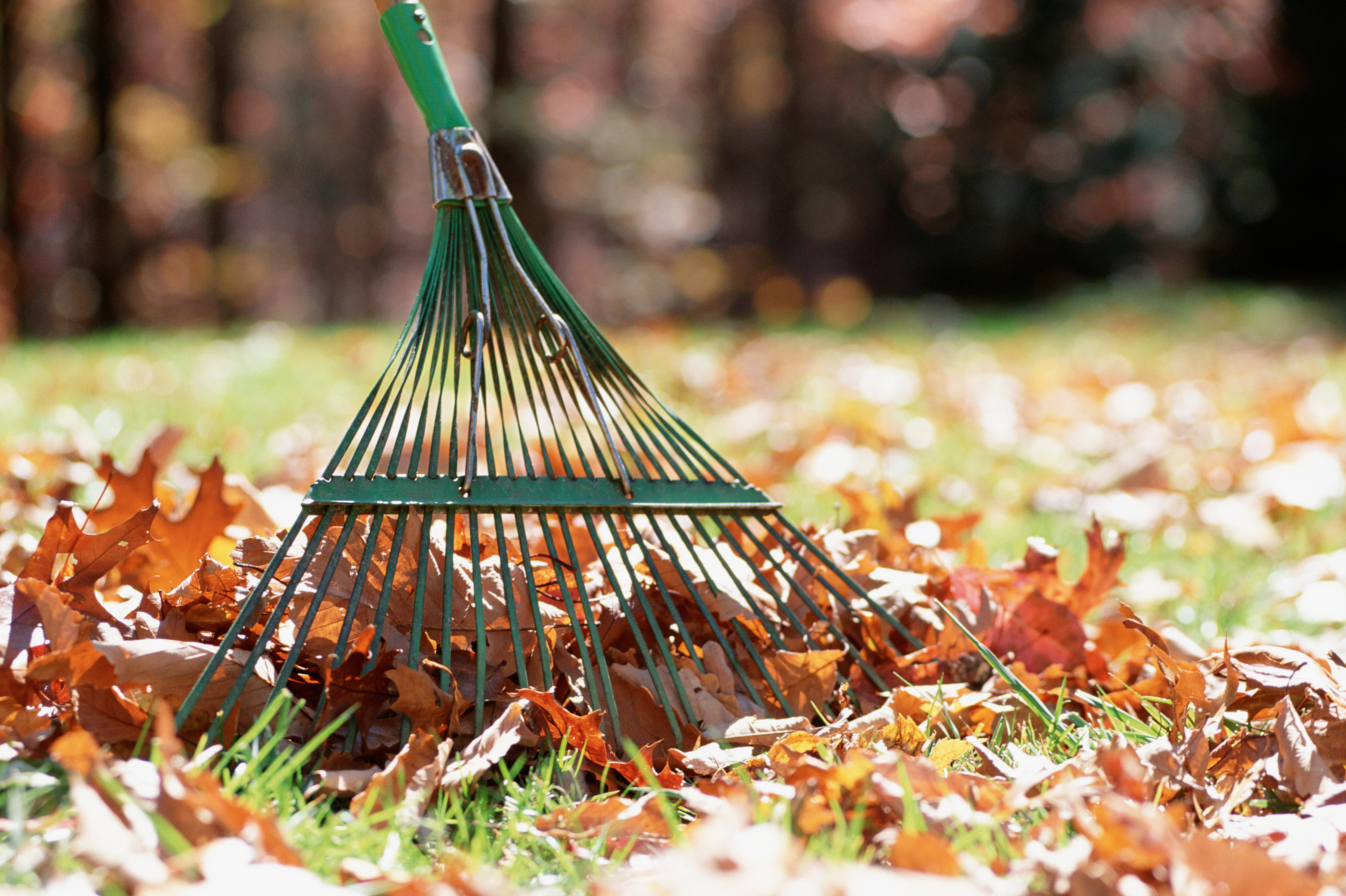
It's also important to remove heavy accumulations of fallen leaves. A thick layer of leaves left on the lawn can block sunlight, trap moisture, and create conditions that may contribute to turf problems. Light layers of dry leaves can sometimes be mulched into the lawn with a mower, but large piles should be removed.
Depending on your lawn's condition and grass type, fall fertilization may also be beneficial. Applying the right nutrients at the appropriate time can help support root health and prepare the grass for the next growing season.
However, applying too much fertilizer or using the wrong product can create additional problems. Soil testing and an understanding of your grass type can help determine whether fertilization is necessary.
If your lawn experienced thinning, discoloration, or bare patches during the summer, fall may also be an opportunity to evaluate whether overseeding or other improvements would be beneficial.
Addressing these concerns before winter can give your lawn a better starting point when spring arrives.
Winterize Your Irrigation System
One of the most important fall landscaping tasks in Utah is preparing your irrigation system for freezing temperatures.
Water left inside sprinkler lines, valves, or other irrigation components can freeze and expand. This expansion may damage pipes, fittings, sprinkler heads, and other parts of the system.
Unfortunately, some of this damage may not become noticeable until the irrigation system is turned back on in the spring.
A homeowner might discover broken sprinkler heads, leaking underground lines, or sections of the yard that no longer receive adequate water. These problems can lead to unexpected repair expenses and delays when regular watering needs to resume.
Proper sprinkler winterization generally involves shutting off the water supply and removing water from the system using a method appropriate for its design.
Some systems require compressed air to clear remaining water from irrigation lines. This process should be completed using appropriate equipment and pressure settings to avoid damaging components.
Why is sprinkler winterization important?
- Helps reduce the risk of frozen or cracked irrigation pipes
- Protects sprinkler heads, valves, and fittings
- May prevent expensive repairs in the spring
- Helps prepare the irrigation system for the next watering season
- Reduces the likelihood of hidden leaks caused by freezing damage
Homeowners should also check exposed irrigation components, outdoor faucets, and backflow prevention assemblies that may be vulnerable to freezing conditions.
Because Central Utah can experience freezing temperatures during late fall and winter, it's important to complete winterization before a hard freeze threatens the irrigation equipment.
Waiting until snow appears or the ground begins freezing can make the process more difficult.
If you're unfamiliar with your irrigation system's layout or winterization requirements, working with a qualified irrigation professional can help ensure the equipment is prepared correctly.
Protect Trees, Shrubs, and Perennial Plants
Not every plant responds to winter conditions the same way.
Some trees and shrubs are well adapted to Utah's climate, while others may need additional protection from freezing temperatures, dry winter winds, or heavy snow.
Young trees and recently installed landscaping can be especially vulnerable because their root systems may not be fully established.
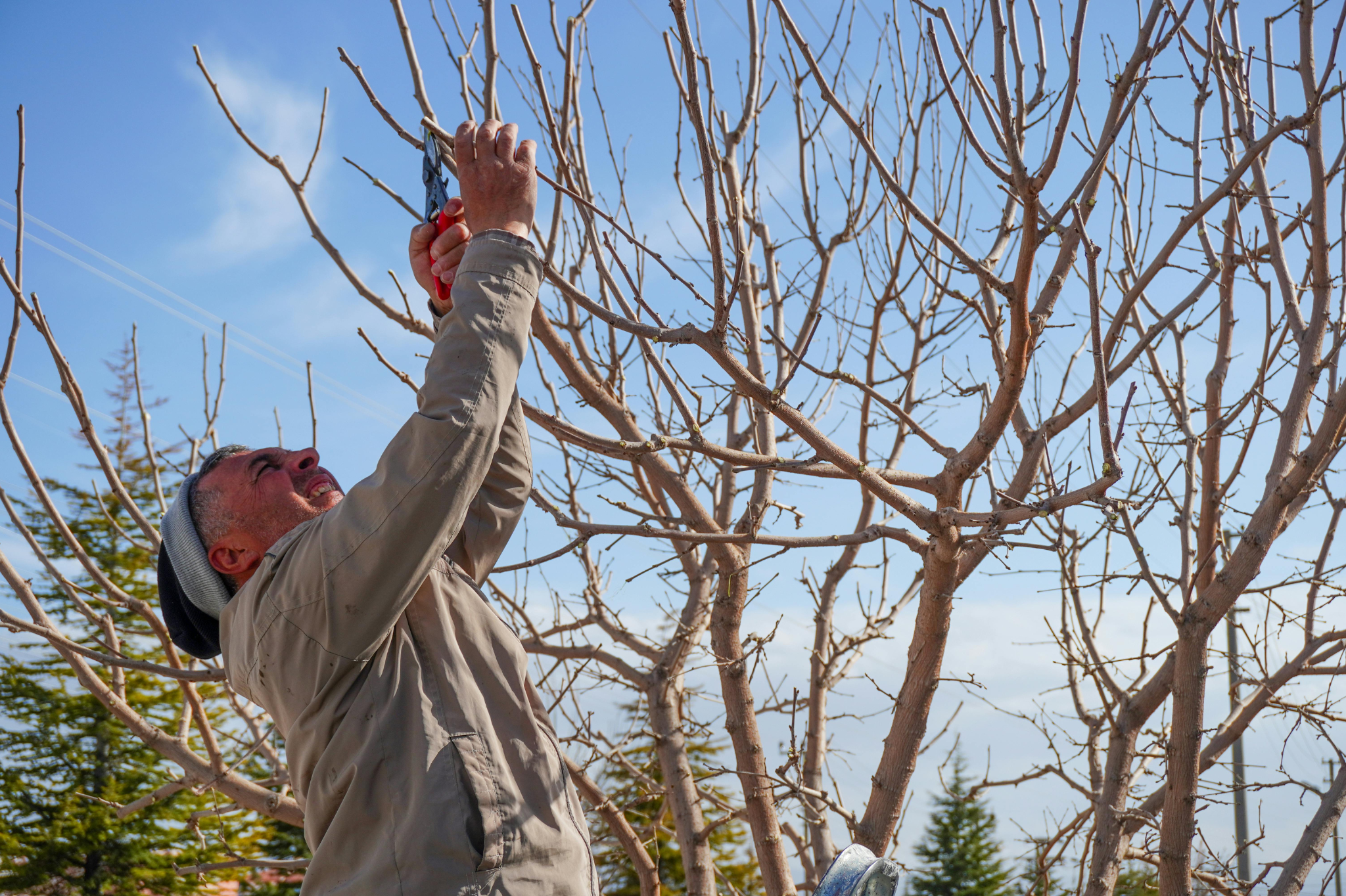
Start by checking the condition of your trees and shrubs. Remove dead or damaged branches when appropriate, especially those that could become hazardous under the weight of snow.
However, avoid unnecessary heavy pruning late in the season. Certain plants are better pruned during dormancy or at specific times of the year, depending on their growth habits and flowering cycles.
Young trees may also benefit from trunk protection to reduce the risk of winter sunscald and animal damage.
Sunscald can occur when winter sunlight warms the bark during the day, followed by a rapid temperature drop after sunset. These changes can damage sensitive bark, particularly on young or thin-barked trees.
Properly installed tree wraps or guards can help protect vulnerable species when used according to appropriate seasonal recommendations.
For shrubs and perennial plants, a layer of mulch around the root zone can help moderate soil temperature changes and conserve moisture.
Keep mulch away from direct contact with tree trunks and plant stems to avoid creating conditions that encourage rot or other problems.
It's also important to consider how snow will accumulate around your landscaping.
Heavy snow pushed onto delicate shrubs during driveway clearing can bend or break branches. When possible, identify suitable snow storage areas that will not place unnecessary weight on vulnerable plants.
Taking these precautions can help preserve the appearance and health of your landscaping throughout the winter.
Clean Up Landscape Beds and Decorative Rock
Fall cleanup is about more than making your yard look tidy.
Leaves, fallen branches, weeds, and other debris can accumulate in landscape beds throughout the season. While some organic material can benefit soil and wildlife, excessive buildup in the wrong areas may contribute to drainage problems, plant disease, or unwanted pests.
Before winter, take time to inspect flower beds, decorative rock areas, and planting spaces.
Remove weeds before they have another opportunity to spread. Many weeds continue growing during cooler weather, and some can survive through winter or produce seeds that create problems the following spring.
Removing weeds before they become established can reduce the amount of maintenance required later.
Clear debris from drainage paths and around irrigation components. Cut back perennial plants when appropriate for the species, while leaving healthy stems or seed heads that provide winter interest or habitat where practical.
It's also a good time to inspect landscape edging and identify areas where mulch or decorative rock may need to be replenished.
For properties with decorative gravel or rock beds, fallen leaves can become trapped between stones. Removing excessive buildup before winter helps keep these areas looking maintained and can prevent organic material from accumulating over time.
Landscape fabric, edging, and other materials should also be checked for visible damage.
Although these tasks may seem minor individually, completing them during the fall can help prevent small maintenance issues from becoming larger projects in the spring.
Check Patios, Walkways, and Retaining Walls
Hardscaping features are designed to provide long-lasting structure and functionality, but they can still be affected by winter weather.
Patios, paver walkways, retaining walls, and decorative stone features should be inspected before freezing temperatures arrive.
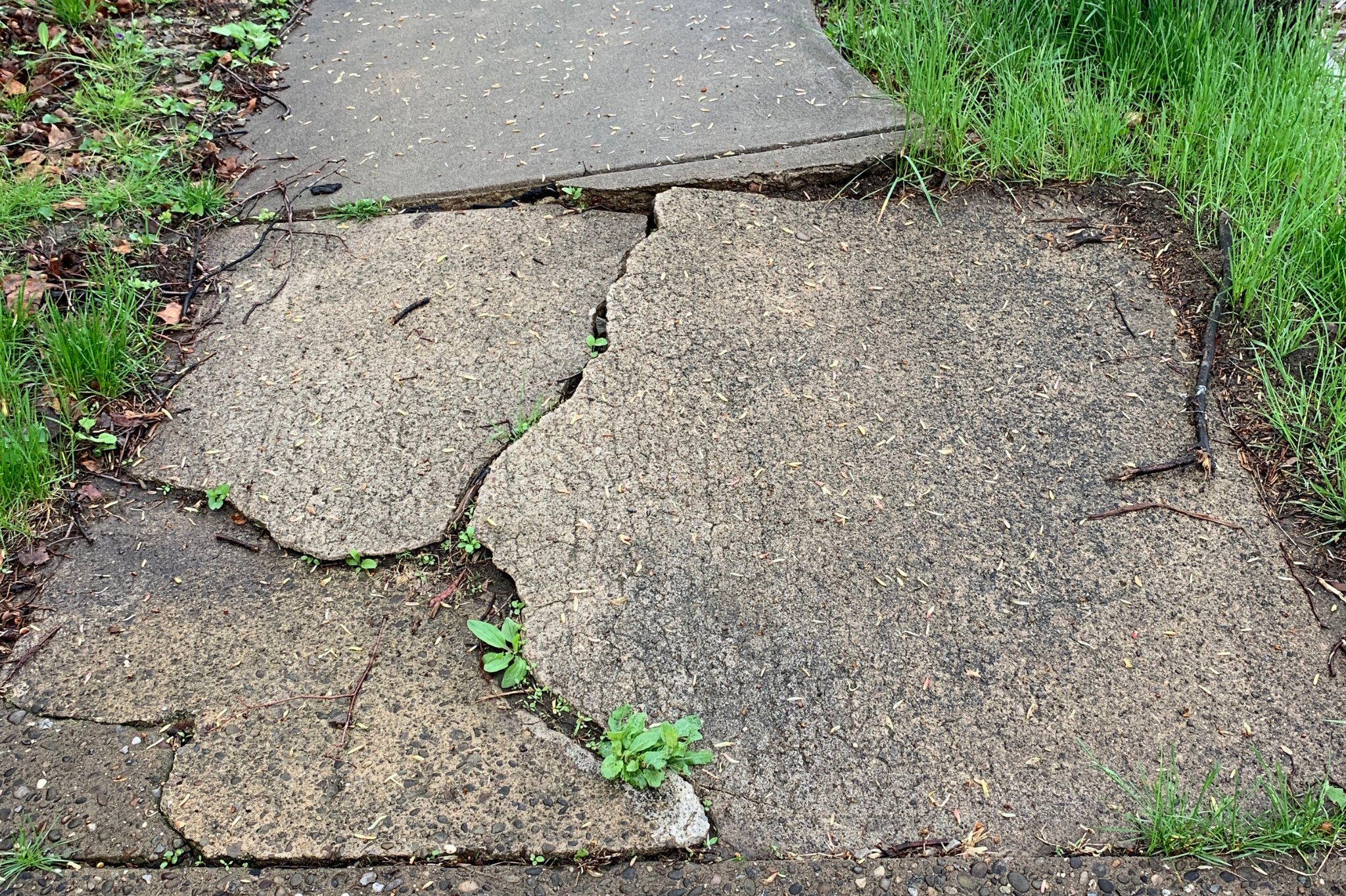
Pay attention to areas where water collects or where soil appears to be washing away. When moisture enters cracks or gaps and freezes, repeated expansion and thawing can contribute to deterioration over time.
Uneven pavers, loose stones, and drainage issues are worth addressing before they become more serious.
A fall hardscape inspection should include:
- Checking paver patios and walkways for settling or movement
- Looking for cracks or loose materials
- Clearing leaves and debris from drainage areas
- Inspecting retaining walls for signs of shifting or bulging
- Identifying places where water collects near structures
- Checking landscape steps and pathways for potential tripping hazards
Drainage is particularly important around hardscaping features.
When water does not drain properly, it may collect beneath or alongside patios, walkways, and retaining walls. Over time, excess moisture and freeze-thaw cycles can contribute to movement, erosion, or deterioration.
If you notice water consistently pooling in the same area, it may indicate a grading or drainage issue that should be evaluated.
Not every minor crack or uneven surface requires a major repair. However, identifying potential problems early can make it easier to plan appropriate maintenance.
Homeowners should also use care when removing snow and ice from decorative surfaces. Certain deicing products and metal tools can damage some pavers, concrete finishes, or natural stone materials.
Following the manufacturer's recommendations for winter maintenance can help preserve the appearance of your outdoor features.
Monitor Plants During Dry Winter Periods
One common misconception is that plants never need water during the winter.
In reality, evergreen trees, shrubs, and newly established plants may still require occasional moisture during dry winter periods.
Central Utah can experience stretches of cold weather with limited precipitation. When soil is dry and temperatures remain above freezing, certain landscape plants may benefit from supplemental watering.
Evergreen plants are particularly important to monitor because they continue losing some moisture through their foliage even during colder months.
When roots cannot replace that moisture due to frozen or excessively dry soil, plants may experience winter desiccation. This can lead to browning foliage or damaged branches that become more noticeable in the spring.
Winter watering should only be done when the soil is not frozen and conditions allow water to soak into the ground.
The amount and frequency depend on the plant species, soil conditions, recent precipitation, and how established the plants are.
Newly planted trees and shrubs often require closer attention because their root systems have not yet expanded into the surrounding soil.
Avoid watering when freezing temperatures could create icy surfaces or prevent water from entering the soil.
It's also important not to assume that snow always provides enough moisture. Light snowfall may not supply sufficient water during an extended dry period.
Paying attention to soil moisture rather than relying on a fixed schedule can help prevent both drought stress and unnecessary watering.
Pay Attention to Drainage Before Snow Arrives
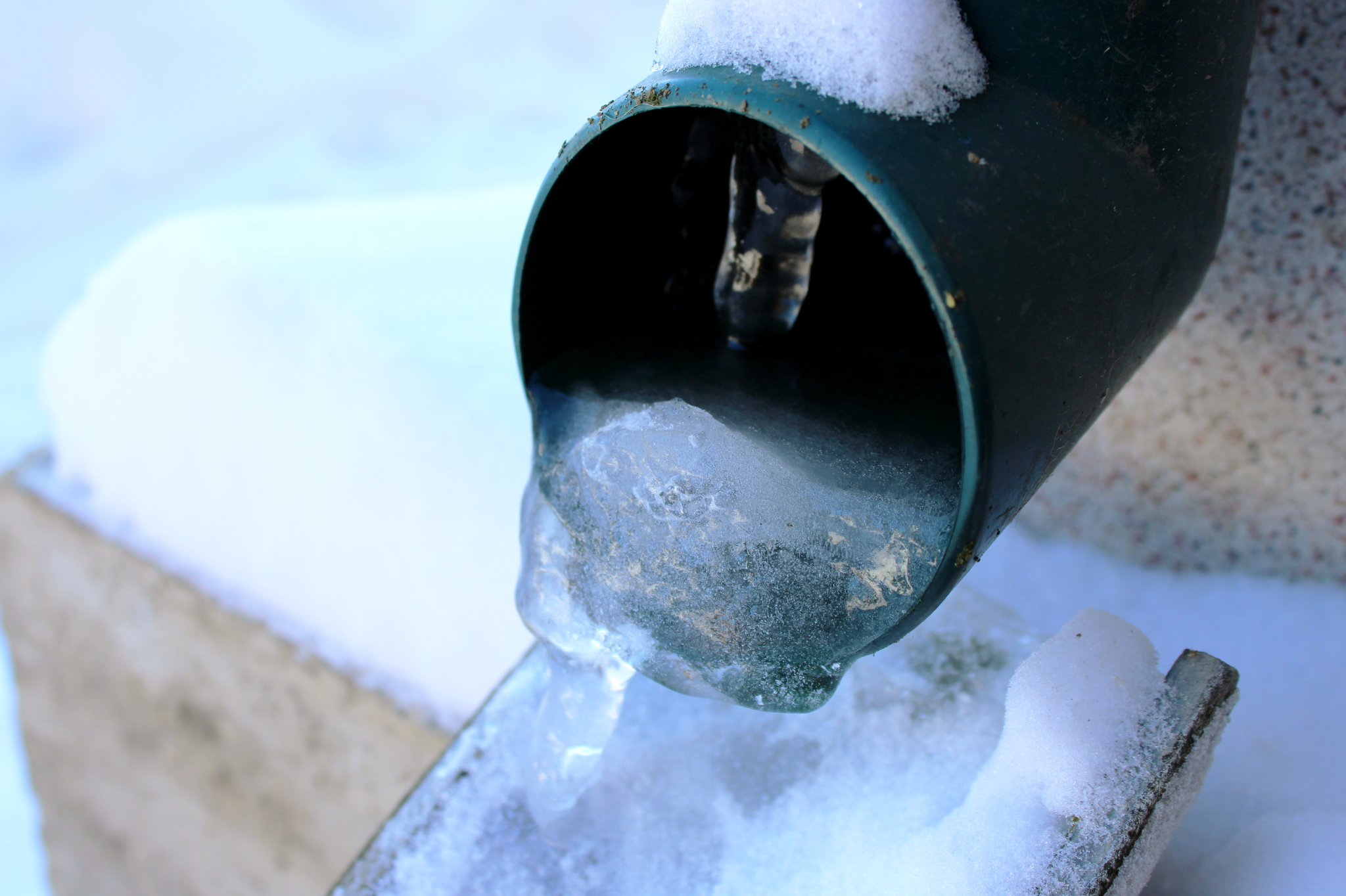
Drainage problems are often easier to identify during warmer months, but they can become more noticeable when snow begins melting.
Water from melting snow needs a clear path away from homes, patios, walkways, and other landscape features.
If your property has low areas where water frequently collects, those areas may experience additional problems during winter and early spring.
Repeated freezing and thawing can create icy patches on walkways, contribute to soil movement, and place additional stress on certain landscape materials.
Before winter, inspect your yard for signs of poor drainage.
Look for areas where soil remains unusually wet, mulch has washed away, or decorative rock has shifted after heavy rain.
Also check that drainage channels and surface drains are free of leaves, dirt, and other obstructions.
Properties with retaining walls should have drainage systems that allow water to move away appropriately rather than building up behind the structure.
While clearing debris may solve minor drainage concerns, ongoing water accumulation may require professional grading or drainage improvements.
Addressing these issues can help protect your landscape and make outdoor areas safer and easier to maintain during winter.
Common Winter Landscaping Mistakes to Avoid
Even homeowners who regularly maintain their yards can overlook a few important details when preparing for winter.
Understanding common mistakes can help you avoid unnecessary damage.
Waiting too long to winterize irrigation: Freezing temperatures can arrive before winter officially begins. Preparing your sprinkler system early helps reduce the risk of unexpected damage.
Pruning every plant at the same time: Different trees and shrubs have different pruning requirements. Cutting back plants at the wrong time may remove next year's flower buds or create unnecessary stress.
Leaving thick layers of leaves on the lawn: Heavy leaf accumulation can block sunlight and trap moisture. Removing excessive buildup helps maintain healthier turf conditions.
Ignoring dry soil during winter: Some plants still need moisture during dry periods, particularly evergreens and newly established trees.
Placing snow piles on delicate landscaping: Repeatedly piling heavy snow onto shrubs or planting beds can damage branches and compact certain plants.
Overlooking drainage concerns: Water that collects near walkways, patios, or retaining walls can contribute to winter damage and slippery conditions.
Using inappropriate ice-melting products: Certain deicers can damage plants, soil, and hardscape materials. Selecting products carefully and following application instructions can help reduce these risks.
Avoiding these mistakes does not require a complete landscape renovation. In many cases, consistent maintenance and a little seasonal planning can make a meaningful difference.
Plan Ahead for Spring Landscaping Projects
Winter may not seem like the ideal time to think about landscaping projects, but it can actually be a useful planning period.
If you've been considering a new patio, updated planting beds, improved irrigation, or a complete landscape redesign, starting the planning process before spring can give you more time to consider your options.
Think about how your outdoor space performed during the past year.
Did certain areas of your lawn struggle during summer? Were there places where water collected after storms? Did your backyard provide enough usable space for entertaining or relaxing?
These observations can help guide improvements that address actual problems rather than simply changing the appearance of your yard.
For example, a lawn that repeatedly develops dry patches may benefit from an irrigation evaluation rather than simply receiving more water.
An outdoor area that becomes muddy after storms may need improved drainage or a different landscape design.
If your yard requires more maintenance than you'd like, you might consider incorporating lower-maintenance plants, decorative rock, or other landscaping features that complement your property's needs.
Homeowners can also use the winter months to consider outdoor living improvements.
Patios, pathways, retaining walls, and gathering spaces can improve the functionality of a yard while creating opportunities to enjoy the property during warmer weather.
Planning ahead gives you time to evaluate materials, discuss design ideas, and establish a realistic budget before the busy landscaping season begins.
Account for Your Central Utah Property Conditions
Utah's climate presents some unique challenges for residential landscaping.
Hot, dry summers can put stress on lawns and plants, while cold winters introduce the risk of freezing temperatures, snow accumulation, and changing soil conditions.
The transition between these seasons can be especially important.
A landscape that has already experienced summer stress may be more vulnerable to winter damage if it is not properly maintained.
Soil conditions can also vary significantly from one property to another. Some yards may have compacted soil that drains slowly, while others contain sandy or rocky soil that loses moisture more quickly.
These differences affect how lawns and plants respond to seasonal changes.
Elevation, sun exposure, wind, and the placement of buildings can also influence winter conditions within a single property.
For example, plants located along a south-facing wall may experience more temperature fluctuations than those in a shaded area. Landscaping exposed to strong winter winds may lose moisture more quickly than protected planting areas.
Because of these differences, there is no single winter maintenance approach that works perfectly for every Utah yard.
Understanding the specific needs of your property is one of the best ways to make effective landscaping decisions.
By taking a proactive approach to seasonal landscaping, homeowners can help protect their lawns, plants, irrigation equipment, and hardscaping features.
Winter preparation does not guarantee that every plant will survive or that every maintenance issue can be avoided. However, it can reduce preventable problems and create a better starting point for the following growing season.
Get Help Preparing Your Landscape for Winter
Preparing your yard for winter can feel overwhelming, especially when you have a large property or several different landscaping features to maintain.
At C&K Landscaping, we understand the challenges of maintaining attractive, functional outdoor spaces in Utah's changing climate.
Our team provides professional landscaping services, including lawn care and maintenance, landscape design, irrigation systems, and hardscaping.
Whether you're looking to improve your existing yard, address landscape maintenance concerns, or begin planning a new outdoor project, we're here to help you make informed decisions about your landscape.
Taking care of your landscaping today can help protect the time and money you've already invested while preparing your outdoor space for another growing season.
Contact C&K Landscaping today to discuss your landscaping needs and request a free estimate.
Visit candklandscaping.com or call (435) 558-0596 to get started.
Topics: