You love spending time in your backyard, but it's hard to relax when neighboring windows overlook your patio, traffic is visible beyond your fence, or your outdoor seating area feels completely exposed.
The good news? You don't necessarily need a taller fence or a giant wall to create a more private outdoor space.
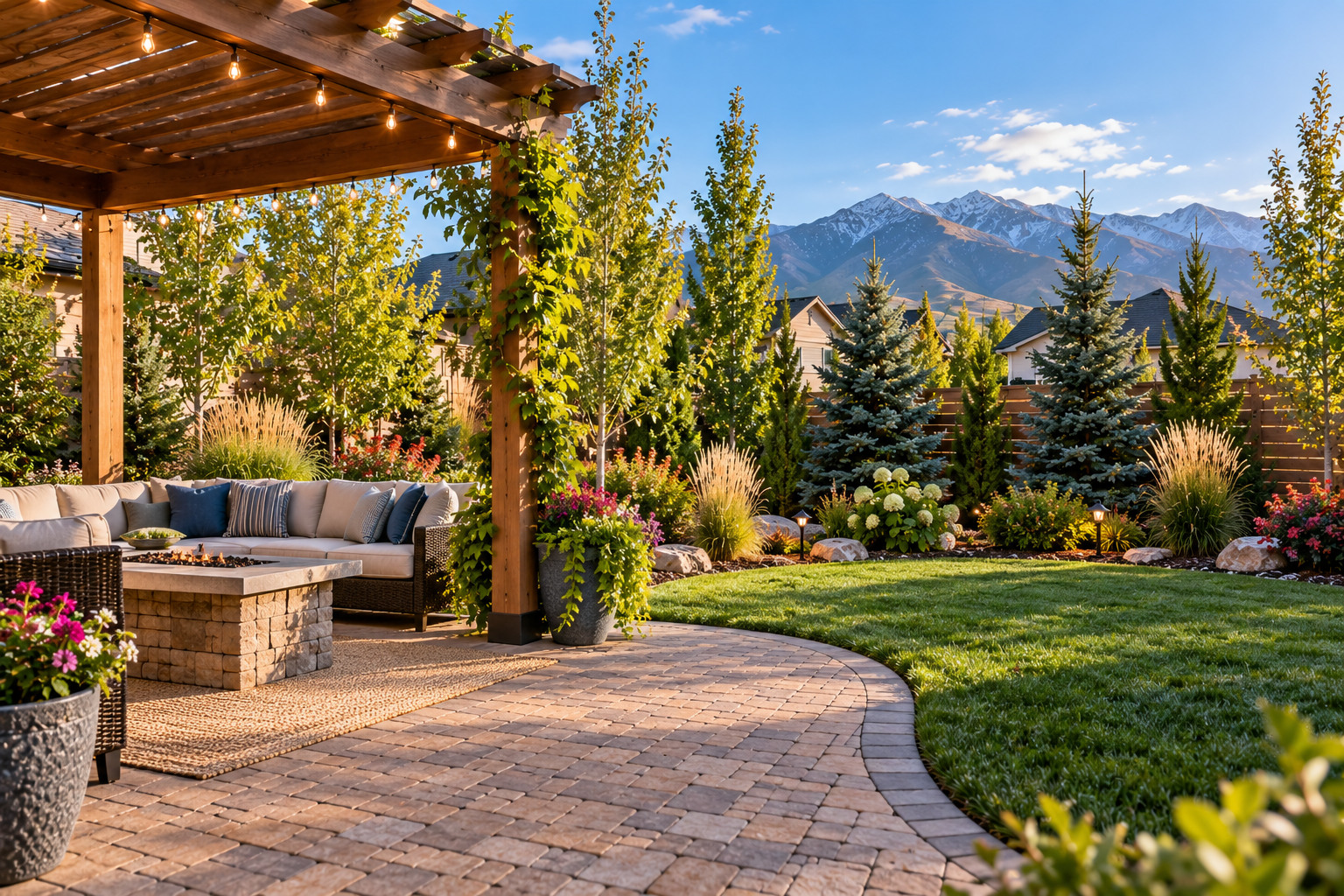
With thoughtful landscaping, you can use trees, shrubs, layered planting beds, decorative screens, pergolas, and carefully placed hardscaping to create a backyard that feels comfortable and secluded without feeling closed in.
For homeowners in Richfield, Gunnison, Manti, Ephraim, Salina, and surrounding Central Utah communities, the right privacy design also needs to account for dry summers, cold winters, wind, irrigation, and the amount of room available.
Here's how to create more backyard privacy while keeping your landscape beautiful, functional, and welcoming.
Start by Identifying Where You Actually Need Privacy
Before planting a row of trees or building a screen, take a few minutes to understand where the privacy problem is coming from.
Stand in the areas where you spend the most time.
Look around your patio, outdoor dining area, lawn, and other gathering spaces. Notice which neighboring windows, streets, sidewalks, or adjoining yards are visible.
Then ask yourself a few questions:
- Are you trying to block a view from a second-story window?
- Do you want more separation from a neighboring patio?
- Is your outdoor dining area exposed to the street?
- Do you need privacy throughout the entire backyard or only in one section?
- Would you prefer year-round screening or privacy mainly during warmer months?
These details matter because different problems require different solutions.
A shrub border may be perfect for screening a neighboring patio at ground level but won't necessarily block the view from an upstairs window.
Likewise, a tall row of evergreen trees may provide excellent screening but take up more space than necessary if your only concern is a small seating area.
The best backyard privacy landscaping focuses on blocking the unwanted view—not automatically enclosing the entire yard.
1. Use Evergreen Trees for Year-Round Backyard Privacy
Evergreen trees are among the most popular natural privacy options because they retain foliage through the winter.
Unlike deciduous trees that lose their leaves each fall, evergreens can continue providing visual separation throughout the year.
Which Evergreen Trees Work for Privacy in Utah?
The right choice depends on your property's growing conditions, available space, and desired appearance.
Potential options include selected varieties of:
- Junipers: Some upright varieties work well as narrow visual screens and can tolerate relatively dry conditions once established.
- Spruces: Certain varieties provide dense foliage but require enough space and appropriate moisture.
- Pines: Depending on the species and branching pattern, pines can provide screening at particular heights.
Utah State University Extension identifies junipers, pines, and spruces among the evergreen options used in windbreak and screening designs.
Not every variety is suitable for every Central Utah property. Soil drainage, exposure, mature size, and irrigation requirements should guide the final selection.
Avoid Planting Trees Too Close Together
One common mistake is planting trees tightly because homeowners want instant privacy.
While close spacing may create a fuller appearance initially, overcrowding can lead to competition for water, restricted growth, and additional maintenance.
A tree that looks small at the nursery may eventually become much wider and taller than expected.
Always plan around the plant's mature size rather than its appearance on installation day.
2. Create a Layered Privacy Landscape With Trees and Shrubs
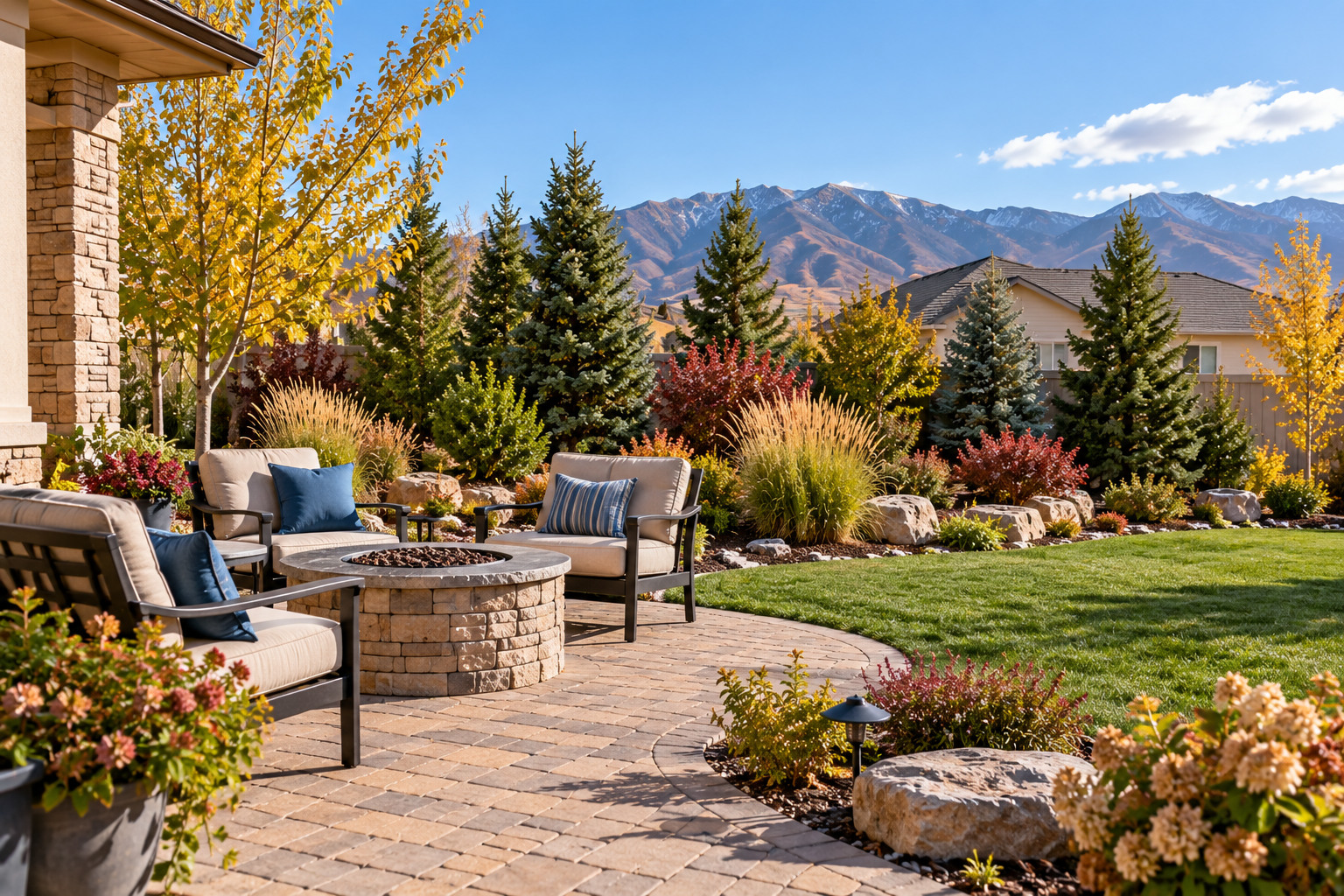
One of the most attractive ways to create privacy is by combining plants of different heights, textures, and shapes.
Instead of installing one straight row of identical trees, consider creating a layered planting bed.
How Layered Privacy Landscaping Works
A layered design might include:
Back layer:
Taller evergreen trees or ornamental trees that interrupt distant views.
Middle layer:
Medium-height shrubs that provide screening at eye level.
Front layer:
Lower shrubs, ornamental grasses, and flowering perennials that soften the planting bed.
The result feels more like a garden than a barrier.
This approach can also make a privacy planting more visually interesting throughout the seasons.
Choose Shrubs for Their Mature Height
Some shrubs remain compact, while others can grow tall enough to screen a patio or neighboring window.
When selecting shrubs, consider:
- Mature height and width.
- Sunlight and soil conditions.
- Water requirements.
- Cold tolerance.
- Whether the plant loses its leaves.
- Pruning and maintenance needs.
Colorado State University Extension's guide to deciduous shrubs explains how shrubs can be used for privacy and screening while emphasizing appropriate spacing and site conditions.
Mix Evergreen and Deciduous Plants
Evergreens provide year-round structure, while deciduous shrubs can add flowers, seasonal color, and variety.
Combining them can create a more natural-looking landscape.
If winter privacy is essential, make sure the design doesn't depend entirely on plants that lose their leaves.
3. Add Decorative Privacy Screens Where Plants Aren't Enough
Sometimes you need privacy sooner than trees and shrubs can provide it.
That's where decorative screens can be useful.
Privacy screens can be made from materials such as wood, metal, or composite panels. Depending on the design, they can provide partial or substantial visual separation.
Where Privacy Screens Work Best
Screens are especially helpful around:
- Outdoor dining areas.
- Patios.
- Hot tubs.
- Seating areas near neighboring windows.
- Small side yards.
- Outdoor kitchens.
Rather than surrounding the entire property, a screen can be positioned only where additional coverage is needed.
Combine Screens With Landscaping
A freestanding screen can feel stark if it's installed by itself.
Surrounding it with ornamental grasses, shrubs, or carefully placed planters can soften its appearance and make it feel like part of the overall landscape.
Screens should also be designed for local wind conditions and installed in accordance with applicable property, building, and neighborhood requirements.
4. Use a Pergola to Make a Patio Feel More Private
A pergola can help define an outdoor living area and create a sense of enclosure without constructing solid walls.
Although a traditional open-roof pergola doesn't automatically block views, its design can incorporate features that improve privacy.
Consider Side Screens or Climbing Plants
Depending on the structure and growing conditions, a pergola may be paired with:
- Decorative side panels.
- Slatted screening.
- Outdoor curtains suited to the weather.
- Climbing plants supported by an appropriate structure.
- Carefully positioned planters.
A pergola can also help visually separate a patio from the rest of the yard.
The key is deciding which direction needs screening.
If a neighboring window overlooks your patio from the side, you may need a vertical screen rather than additional overhead coverage.
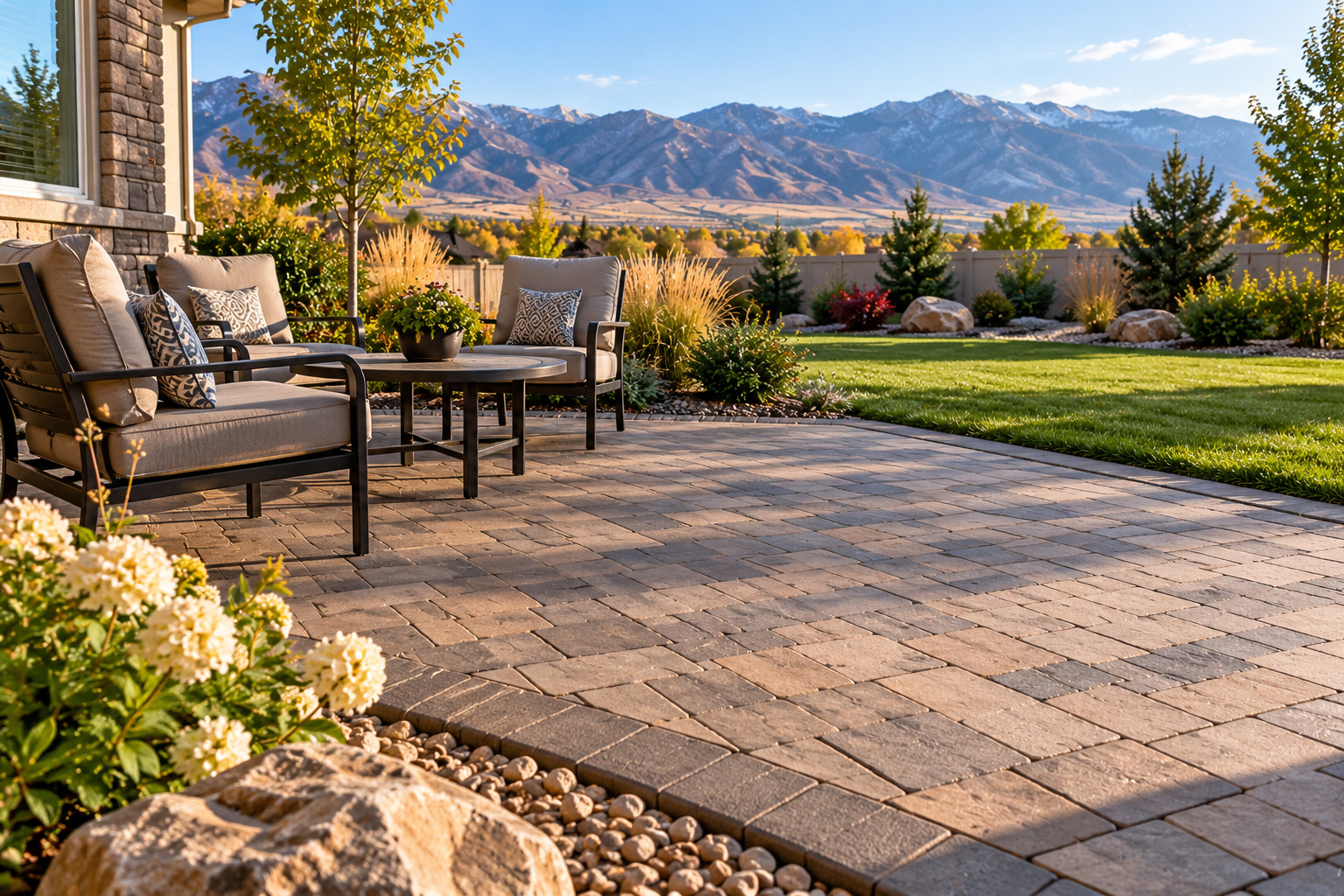
For homeowners planning a new patio or outdoor living space, C&K Landscaping's hardscaping and patio services can help establish a functional foundation for the overall backyard design.
5. Use Hardscaping to Create Natural Separation
Privacy doesn't always require tall plants or structures.
Sometimes changing the layout of your outdoor space can make a surprisingly big difference.
Position Seating Areas Strategically
For example, moving a seating area closer to the house or placing it beside an existing landscape feature may reduce direct views from neighboring properties.
A patio surrounded by planting beds can also feel more enclosed than one sitting in the middle of an open lawn.
Incorporate Low Retaining Walls
Low retaining walls can define outdoor rooms, create raised planting beds, and help organize sloped landscapes.
When combined with appropriately sized shrubs or ornamental grasses, raised planting areas can provide screening at a useful height.
This can be particularly helpful when you want to create separation without installing an extremely tall feature.
Retaining walls must be designed for the site's soil, drainage, slope, and structural needs. They shouldn't be used simply to raise a planting bed without considering the engineering involved.
Consider Changes in Elevation
If your backyard has natural grade changes, use them thoughtfully.
A lower patio, raised planting area, or strategically placed terrace may help interrupt certain sightlines.
However, elevation changes won't always improve privacy. The right approach depends on where the neighboring views originate.
6. Design Privacy Around Your Favorite Outdoor Spaces
Not every part of the backyard needs the same amount of screening.
Think about how you actually use your outdoor space.
For an Outdoor Dining Area
Combine a patio with medium-height shrubs or a decorative screen along the most exposed side.
This can create a comfortable gathering space without blocking every view.
For a Backyard Fire Pit
Use a curved planting bed, natural stone features, and well-positioned shrubs to make the area feel like a separate outdoor room.
Leave appropriate clearances between vegetation, structures, and fire features.
For a Small Backyard
Avoid planting large trees that will eventually overwhelm the available space.
Consider upright plant varieties, compact shrubs, or a targeted privacy screen.
For a Large Backyard
Use layered trees and shrubs to define multiple spaces while preserving open lawn areas and views worth keeping.
You can see examples of C&K Landscaping's landscape and hardscape projects for inspiration when planning your own backyard.
7. Plan for Utah's Climate and Long-Term Plant Growth
A privacy landscape should still work five or ten years after installation.
That's why long-term planning matters.
Think About Irrigation
New trees and shrubs require appropriate establishment watering.
Even drought-tolerant plants need adequate moisture while their roots are developing.
Grouping plants with similar watering requirements can make irrigation more efficient.
Account for Winter Conditions
Central Utah winters can bring freezing temperatures, wind, and snow.
Choose plants that are suitable for the property's actual growing conditions, not just varieties that look attractive at the garden center.
Evergreens may also need protection from drying winter winds, particularly during establishment.
Leave Room for Maintenance
Consider how you'll access fences, irrigation equipment, utilities, and the sides of your home after plants mature.
Avoid placing large trees too close to buildings, overhead lines, or underground utilities.
Be Realistic About How Quickly Privacy Develops
A newly planted landscape rarely provides the same screening as mature vegetation.
If you need immediate privacy, consider combining young plants with a temporary or permanent screen.
This can provide useful coverage while allowing the landscape to develop naturally.
8. Avoid These Common Backyard Privacy Mistakes
Before investing in privacy landscaping, watch out for these common problems:
- Planting too close to the property line. Mature trees and shrubs may eventually extend into neighboring spaces.
- Choosing plants based only on their current size. Mature width matters as much as height.
- Using only deciduous plants when year-round privacy is needed. Winter leaf loss can expose the very views you wanted to block.
- Ignoring irrigation requirements. Poor watering can leave a privacy screen thin, stressed, or uneven.
- Blocking useful sunlight or attractive views. A taller screen isn't always a better screen.
- Forgetting about wind and snow. Structures and plantings must be suited to local conditions.
- Trying to screen the entire yard unnecessarily. Targeted screening may cost less and look more natural.
A thoughtful plan helps avoid these problems before installation begins.
What Is the Best Way to Add Backyard Privacy Without a Fence?
For many Utah homeowners, the most effective solution is a combination of landscaping and carefully positioned features.
Evergreen trees can provide long-term coverage. Shrubs can screen views at eye level. Decorative panels can create immediate privacy around patios, and hardscaping can define more intimate outdoor gathering areas.
You don't have to choose only one approach.
In fact, combining several smaller features often produces a more attractive and flexible design than relying on one oversized wall or hedge.
Create a Backyard That Feels Like Your Own
Your backyard should be a place where you can relax, entertain, and enjoy spending time outside.
If your current landscape feels too exposed, you may have more options than you realize.
From layered planting beds and evergreen screening to patios, natural stone features, and strategically positioned outdoor spaces, thoughtful landscaping can help you create the privacy you want without sacrificing the beauty of your yard.
C&K Landscaping works with homeowners throughout Central Utah, including Richfield, Gunnison, Salina, Manti, Ephraim, Monroe, and surrounding communities.
Whether you're planning a complete backyard transformation or want to improve an existing outdoor living area, we're here to help you explore practical options for your property.
Ready to create a more private, comfortable backyard?
Contact C&K Landscaping for a free landscaping estimate and start planning an outdoor space that works for you.
Topics: