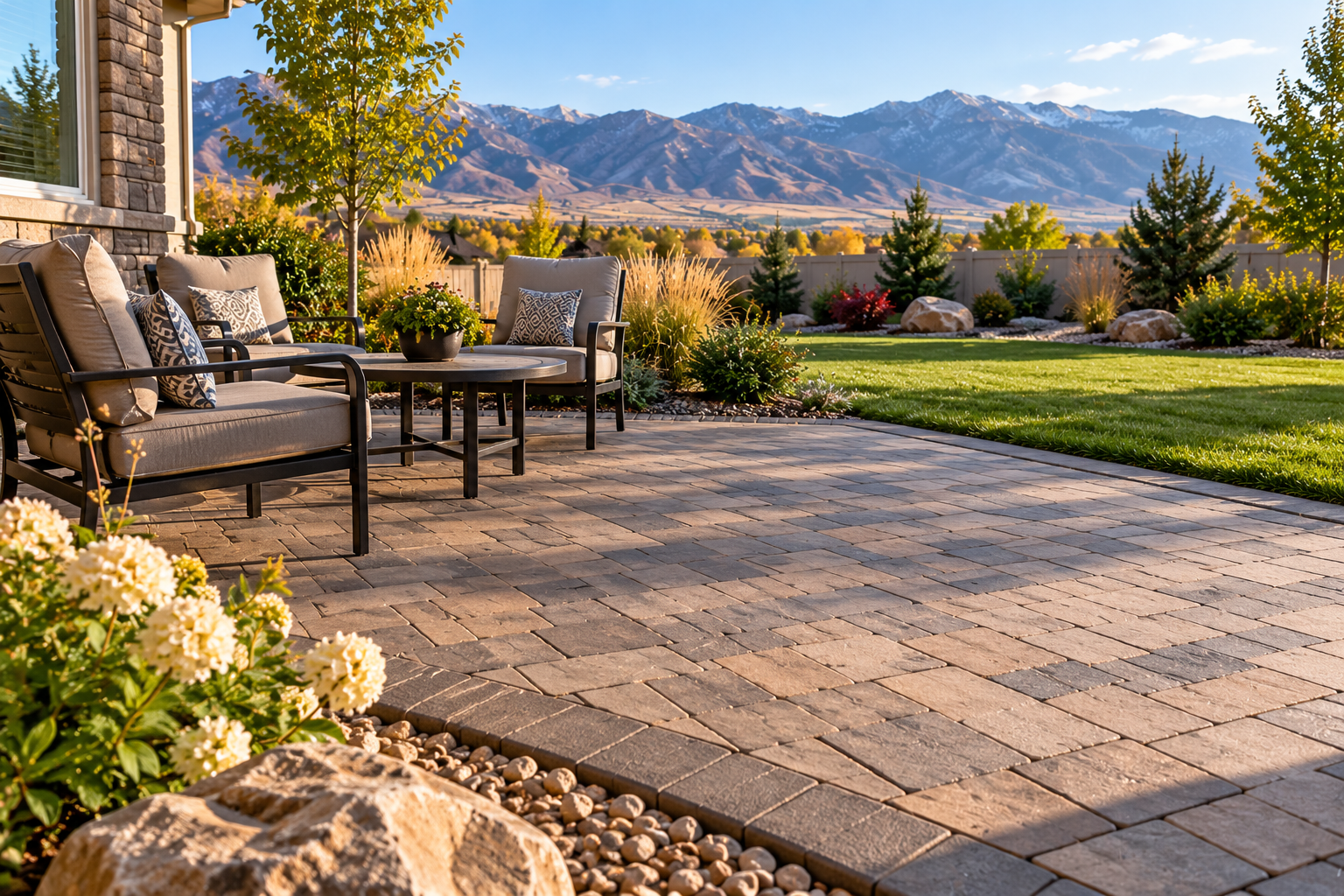
A beautiful paver patio or walkway can completely transform an outdoor space. Whether you're creating a backyard entertaining area, a welcoming front entrance, or a pathway through your landscaping, pavers offer attractive design options and long-term versatility.
But what happens when those once-even pavers begin to shift, sink, or separate?
You might notice a low spot collecting water, an uneven walkway, or individual pavers that no longer sit level with their neighbors. These problems aren't just cosmetic. They can create tripping hazards, drainage concerns, and expensive repairs if left unaddressed.
For homeowners in Central Utah, proper installation is especially important because our landscapes experience seasonal temperature changes, freezing conditions, and varying soil types.
Understanding why pavers shift or sink can help you make better decisions when planning a patio, walkway, or other hardscaping project.
Why Do Pavers Shift or Sink Over Time?
Pavers are designed to work together as part of an interconnected surface.
Unlike a solid concrete slab, an interlocking paver system consists of individual units supported by a carefully prepared foundation. The joints and edges help the surface remain stable while accommodating small movements.
When installed correctly, pavers can create a durable surface suitable for patios, walkways, and other outdoor spaces.
However, problems can develop when the underlying foundation isn't properly prepared or when water, soil movement, and outside forces affect the installation.
Here are the most common reasons pavers become uneven.
1. Poor Base Preparation
One of the biggest causes of sinking pavers is an improperly prepared base.
What Is the Base Beneath Pavers?
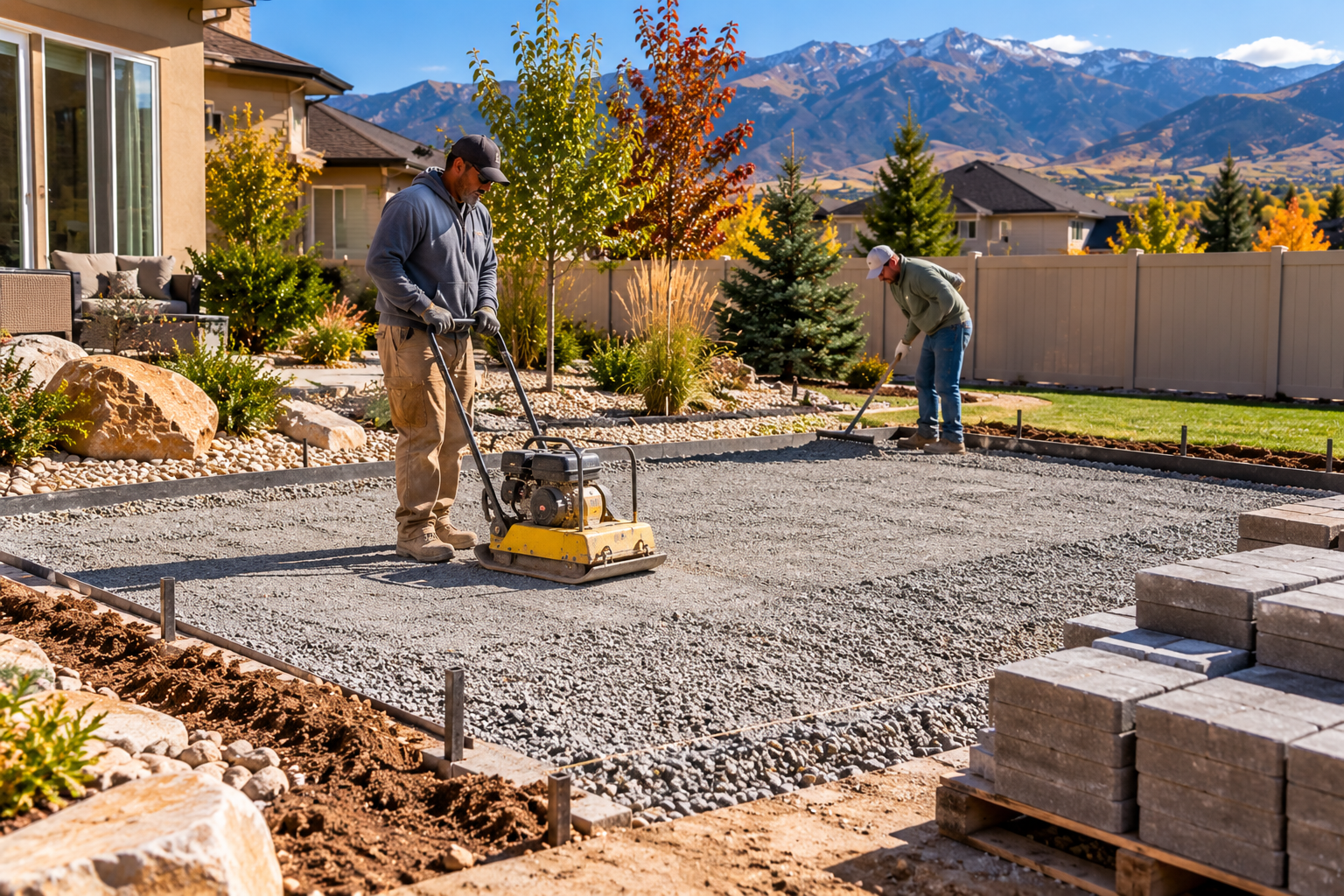
A typical sand-set concrete paver installation includes several layers:
- Subgrade: The existing soil beneath the project.
- Aggregate base: Properly selected crushed stone or aggregate that provides structural support.
- Bedding sand: A carefully leveled layer that supports the individual pavers.
- Pavers: The finished walking or patio surface.
- Joint sand and edge restraints: Components that help maintain interlock and prevent unwanted movement.
Each layer serves a purpose.
The visible pavers may be the most attractive part of the finished project, but their long-term performance depends heavily on what's underneath.
What Happens When the Base Isn't Prepared Correctly?
If the soil contains loose material, organic debris, or poorly compacted fill, it may settle over time.
As the supporting material settles, the pavers above it can sink.
A patio may look perfectly level immediately after installation, only to develop low areas after seasonal weather changes or repeated use.
The Concrete Masonry & Hardscapes Association's guide to interlocking concrete pavement construction emphasizes proper subgrade preparation, aggregate selection, and compaction as essential installation steps.
Why Base Depth Matters
The required base thickness depends on several factors, including:
- Existing soil conditions.
- Expected foot or vehicle traffic.
- Drainage characteristics.
- Local frost conditions.
- The type of paver system being installed.
A pedestrian walkway may require a different foundation design from a driveway.
Rather than relying on a single base depth for every project, a professional installer evaluates the property and intended use before determining the appropriate installation method.
2. Inadequate Soil and Aggregate Compaction
Even quality base materials can settle when they aren't properly compacted.
Compaction helps reduce air spaces within the soil and aggregate, creating a more stable foundation.
Why Compaction Is So Important
When loose aggregate is placed beneath a patio, the material can continue settling under pressure.
Foot traffic, outdoor furniture, and seasonal moisture changes may contribute to uneven movement.
Professional installation generally involves compacting the subgrade and aggregate base with equipment suited to the materials and site conditions.
Depending on the depth and type of base, aggregate may need to be placed and compacted in layers rather than all at once.
This process helps create consistent support across the entire patio or walkway.
Can You Fix Poor Compaction by Adding More Sand?
Not reliably.
Bedding sand is intended to provide a uniform setting layer for the pavers, not compensate for significant low spots in an improperly prepared base.
Adding excessive sand to fill depressions can create inconsistent support and future settlement.
If the foundation is uneven, the underlying base needs to be corrected before the pavers are installed.
3. Poor Drainage Around the Patio or Walkway
Water is another major factor in paver movement.
When water collects beneath or around a paver installation, it can affect the supporting soil and base materials.
How Water Causes Problems
Depending on the soil and installation conditions, excessive moisture can contribute to:
- Softening of the underlying soil.
- Movement or erosion of supporting materials.
- Loss of bedding or joint sand.
- Uneven settlement.
- Increased vulnerability to freezing conditions.
A patio that repeatedly collects water in the same location may have an underlying grading or drainage problem.
Why Proper Grading Matters
Patios and walkways should be designed to move surface water toward appropriate drainage areas rather than trapping it against a home or within the hardscape.
The exact slope and drainage method depend on the property and installation system.
Sometimes surface grading is sufficient. Other projects may require additional drainage solutions.
When planning a patio, it's important to consider nearby roof downspouts, irrigation, planting beds, and existing drainage patterns.
C&K Landscaping provides hardscaping and paver patio installation for Central Utah homeowners, helping incorporate patios and walkways into the overall landscape design.
4. Utah's Freeze-Thaw Cycles
Winter conditions can create additional challenges for hardscaping.
In parts of Utah, soil temperatures may fall below freezing during winter and rise again as conditions warm.
When frost-susceptible soil contains enough moisture, freezing can cause ice lenses to form beneath the surface.
This process, known as frost heave, can push portions of the ground upward.
When the soil thaws, the affected area may settle unevenly.
What Does Frost Heave Look Like?
Possible signs include:
- Pavers that appear raised after winter.
- Uneven sections along a walkway.
- Changes in the slope of a patio.
- New gaps between adjacent pavers.
- Low spots that develop after spring thaw.
Not every uneven paver is caused by frost heave, but it is an important consideration in Utah's climate.
The Federal Highway Administration's explanation of frost-susceptible soils identifies three main conditions involved in frost heave: susceptible soil, freezing temperatures, and available water.
How Proper Installation Helps
A properly designed aggregate base, suitable drainage, and appropriate site preparation can reduce the risk of frost-related movement.
The goal is to create a foundation suited to the local conditions rather than simply laying pavers over existing soil.
5. Missing or Improper Edge Restraints
Have you ever noticed a paver walkway spreading outward along its edges?
This can happen when the installation lacks suitable edge restraints.
What Do Edge Restraints Do?
Edge restraints help hold the pavers together as an interconnected surface.
Without sufficient lateral support, pavers can gradually move outward.
This movement may create wider joints, crooked edges, and an unstable finished surface.
Depending on the installation, edge restraints may include concrete curbing or manufactured restraint systems designed for interlocking pavers.
Proper placement and secure installation are essential.
A strong foundation alone cannot prevent every type of movement if the edges aren't properly supported.
6. Incorrect or Missing Joint Sand
The material between pavers does more than improve their appearance.
Joint sand contributes to the interlocking action that helps individual pavers work together.
Why Joint Material Matters
When paver joints are properly filled, they help transfer loads between neighboring units and support the stability of the surface.
Over time, some joint material may be lost through water movement, cleaning, or normal wear.
As joints become depleted, the pavers may lose some of their interlocking support.
Does Polymeric Sand Prevent Pavers From Sinking?
Polymeric sand can help stabilize joints when it's appropriate for the selected paver system and installed according to the manufacturer's instructions.
However, it cannot correct an unstable base.
If pavers are sinking because the supporting soil or aggregate is settling, adding polymeric sand won't solve the underlying problem.
Joint material is one part of a properly installed system—not a substitute for good foundation preparation.
7. Heavy Loads and Unexpected Use
A patio designed primarily for walking and outdoor seating may not be constructed to support vehicles or heavy equipment.
When a surface experiences loads beyond its intended design, the foundation may become overstressed.
This can lead to settlement, movement, or damage.
That's why a paver driveway requires different planning from a decorative garden pathway.
Before installation, discuss how the area will actually be used.
Consider outdoor kitchens, hot tubs, vehicles, equipment access, and other concentrated loads that could affect the project.
How Can You Tell If Your Pavers Are Starting to Fail?
Not every minor change requires a complete renovation.
However, certain warning signs deserve attention.
Look for These Common Problems
- Individual pavers sitting noticeably lower than neighboring units.
- Water collecting in new low spots.
- Widening or uneven joints.
- Edges spreading outward.
- Loose or rocking pavers.
- A walkway becoming uneven enough to create a tripping hazard.
- Repeated settlement in the same area after repairs.
It's particularly important to investigate recurring problems.
If pavers continue sinking after they've been reset, the cause may be below the surface.
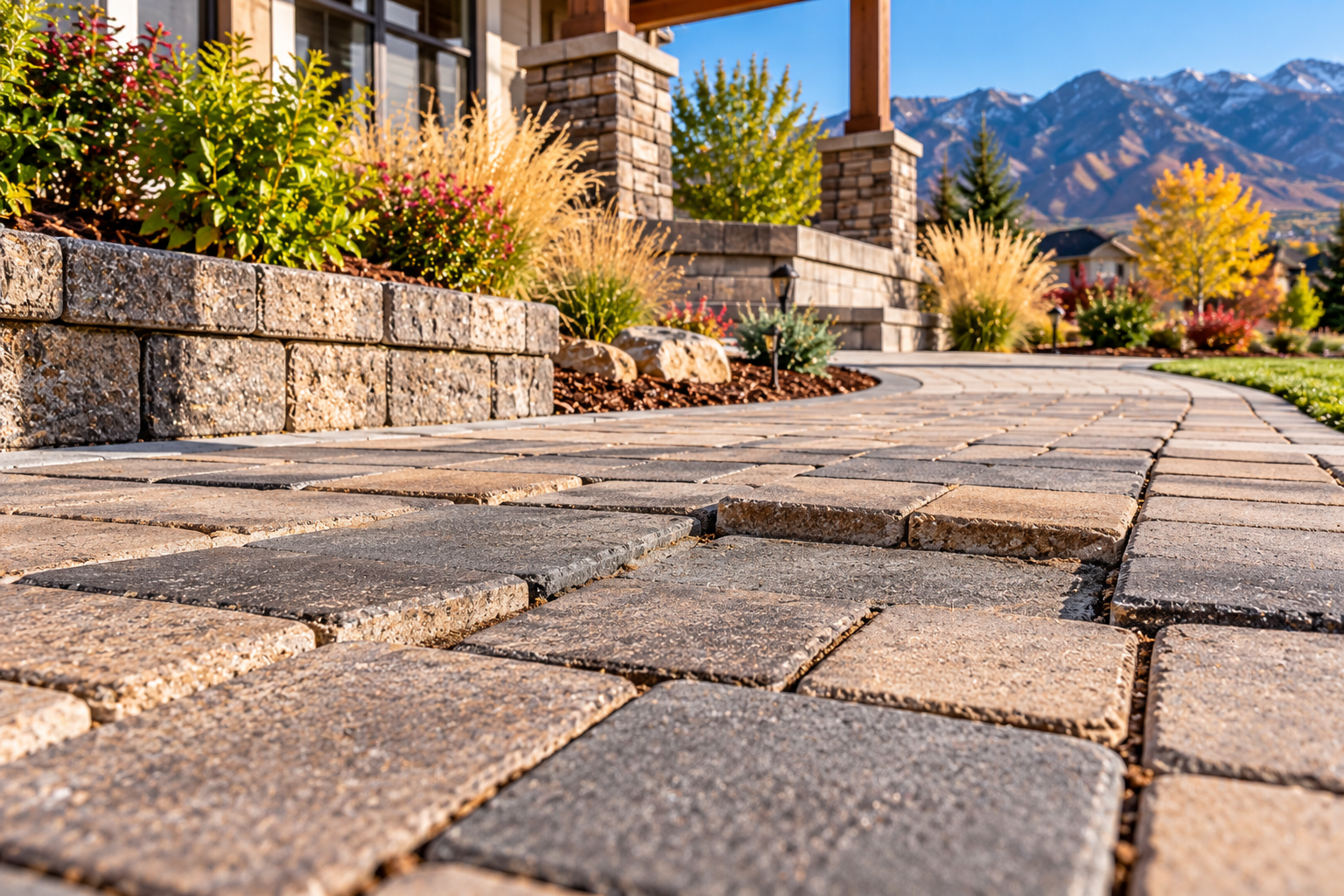
Can Sunken Pavers Be Repaired?
In many situations, individual pavers can be lifted and reset without replacing the entire surface.
One advantage of interlocking pavers is that sections can often be removed to access the materials beneath them.
However, the right repair depends on the cause of the problem.
When a Localized Repair May Work
A small area of settlement may be repairable by removing the affected pavers, correcting the supporting base, restoring the bedding layer, and reinstalling the units.
The surrounding area should also be inspected to make sure the issue isn't part of a larger problem.
When a Larger Repair May Be Necessary
More extensive work may be needed if the patio has widespread settlement, major drainage problems, or an inadequate foundation.
Simply resetting the visible pavers without correcting the cause can allow the same issue to return.
A professional assessment can help determine whether a localized repair is reasonable or whether a larger section needs reconstruction.
What Should Homeowners Ask Before Hiring a Paver Installer?
Choosing attractive pavers is only one part of planning a successful hardscaping project.
Before installation begins, ask how the contractor plans to address the foundation and site conditions.
Useful questions include:
- How will the existing soil be evaluated and prepared?
- What type and depth of aggregate base will be used?
- How will the soil and base be compacted?
- How will water drain away from the patio or walkway?
- What type of edge restraint will be installed?
- What bedding and joint materials are appropriate for the pavers?
- How will Utah's freezing conditions affect the installation plan?
- Is the surface designed for the loads it will experience?
A knowledgeable contractor should be able to explain these decisions in terms that make sense for your property.
You can also explore C&K Landscaping's recent landscaping and hardscaping projects to see examples of outdoor spaces and installation work.
How to Help Your Paver Patio Last Longer
Even professionally installed pavers benefit from occasional maintenance.
A few simple habits can help you identify potential problems early.
Keep the Surface Clean
Remove leaves, dirt, and debris that accumulate between pavers.
This can help keep the patio looking attractive and make it easier to notice developing problems.
Watch for Drainage Changes
Pay attention to standing water after rain or snowmelt.
If water begins collecting where it didn't before, investigate the cause.
Maintain Joint Material
Inspect the joints periodically.
If material has washed away or become depleted, determine whether replenishment is appropriate for your particular paver system.
Address Movement Early
A small uneven area is often easier to evaluate and repair than a larger section that has continued shifting.
Early attention can help prevent minor problems from becoming more disruptive.
Build a Paver Patio That Lasts in Utah
A beautiful paver patio or walkway should be more than an attractive surface.
It should be designed with the right foundation, drainage, materials, and installation techniques for the property.
While pavers can shift or sink for several reasons, many common problems can be reduced through proper preparation, compaction, edge restraint, and thoughtful water management.
In Central Utah, where changing temperatures and winter conditions add another layer of complexity, those details matter.
Whether you're planning a new patio, replacing an uneven walkway, or improving your backyard, working with an experienced hardscaping team can help you avoid preventable problems.
C&K Landscaping provides professional hardscaping services throughout Central Utah
, including Richfield, Salina, Gunnison, Manti, Ephraim, Monroe, and surrounding communities.
From paver patios and walkways to retaining walls and complete outdoor living areas, we help homeowners create landscapes that combine beauty with practical functionality.
Ready to get started?
Contact C&K Landscaping for a free hardscaping estimate and let's discuss a patio or walkway designed for your property and Utah's conditions.
Topics: