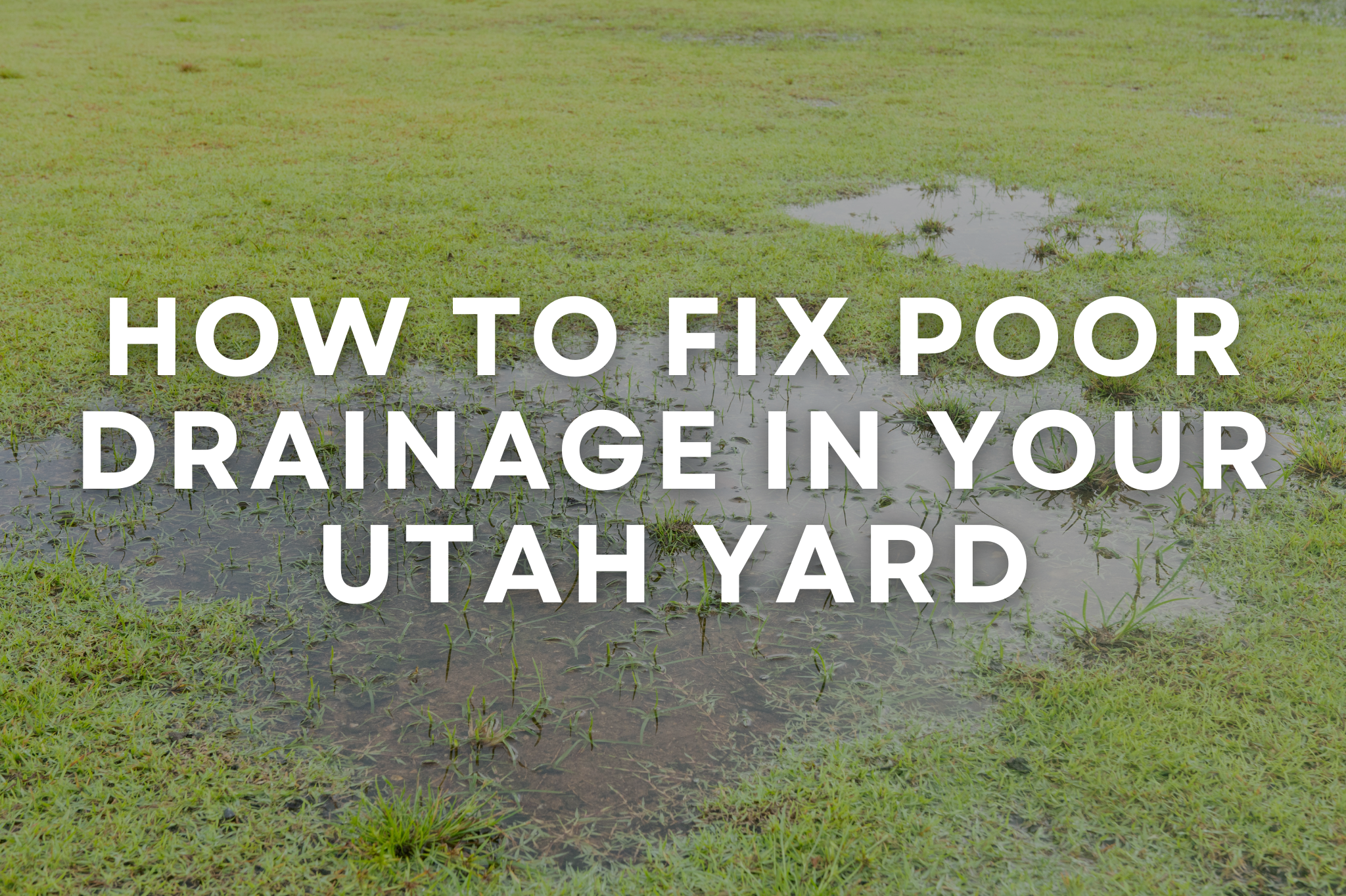
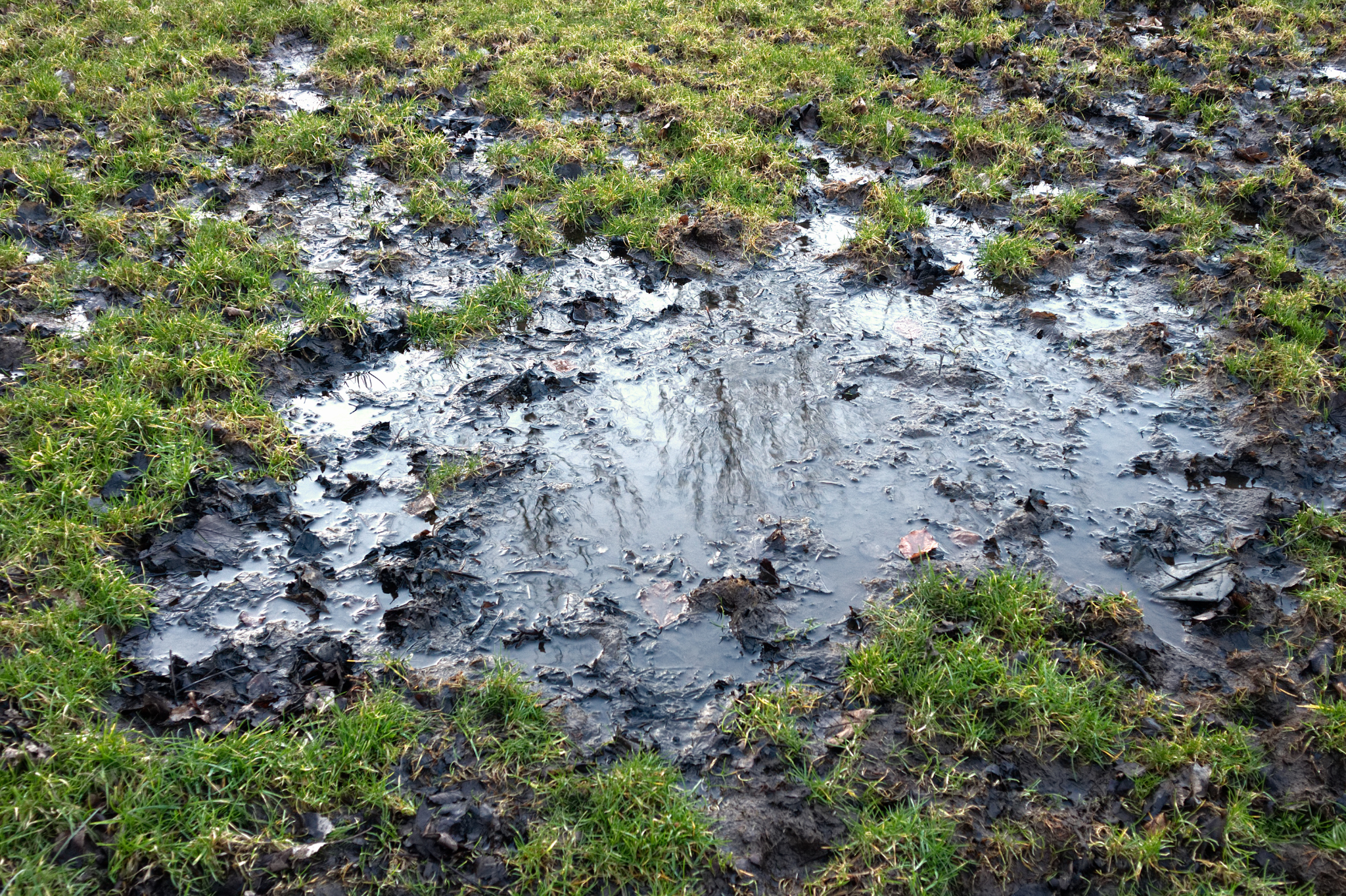
Standing water, muddy patches, eroding soil, and grass that refuses to grow can all be signs of poor yard drainage. While Utah is known for its dry climate, homeowners throughout Central Utah can still experience drainage problems caused by soil conditions, compacted ground, landscape grading, irrigation, and water runoff.
The key to fixing poor yard drainage is finding the reason water is collecting in the first place. In some yards, improving the soil or adjusting irrigation may solve the problem. Other properties may need landscape grading, a French drain, or a more extensive drainage system.
Understanding the cause will help you choose a solution that manages water instead of simply treating the symptoms.
Signs of Poor Yard Drainage
Drainage problems are not always immediately obvious. A large puddle that remains several days after a storm is easy to recognize, but other problems can develop slowly.
Look for these common signs of lawn drainage problems:
- Standing water after rain or irrigation
- Water pooling in yard low spots
- Muddy or consistently wet areas
- Grass that turns yellow or dies in certain locations
- Plants that struggle even though they receive adequate care
- Soil that remains saturated for long periods
- Water flowing toward your house, patio, driveway, or other structures
- Erosion or channels forming in the soil
- Mulch or topsoil being washed away
- Drainage problems that return after replacing grass or plants
According to Utah State University Extension's soil drainage guidance, water pooling in low areas can indicate a drainage problem, while poorly drained soil can leave plant roots exposed to excessive moisture.
If you continually repair the same section of lawn only to have it become muddy or unhealthy again, the underlying drainage issue may need to be addressed first.
What Causes Drainage Problems in Utah Yards?
There are several reasons a Utah yard may struggle to move water effectively. Identifying the cause is an important part of choosing the right yard drainage solution.
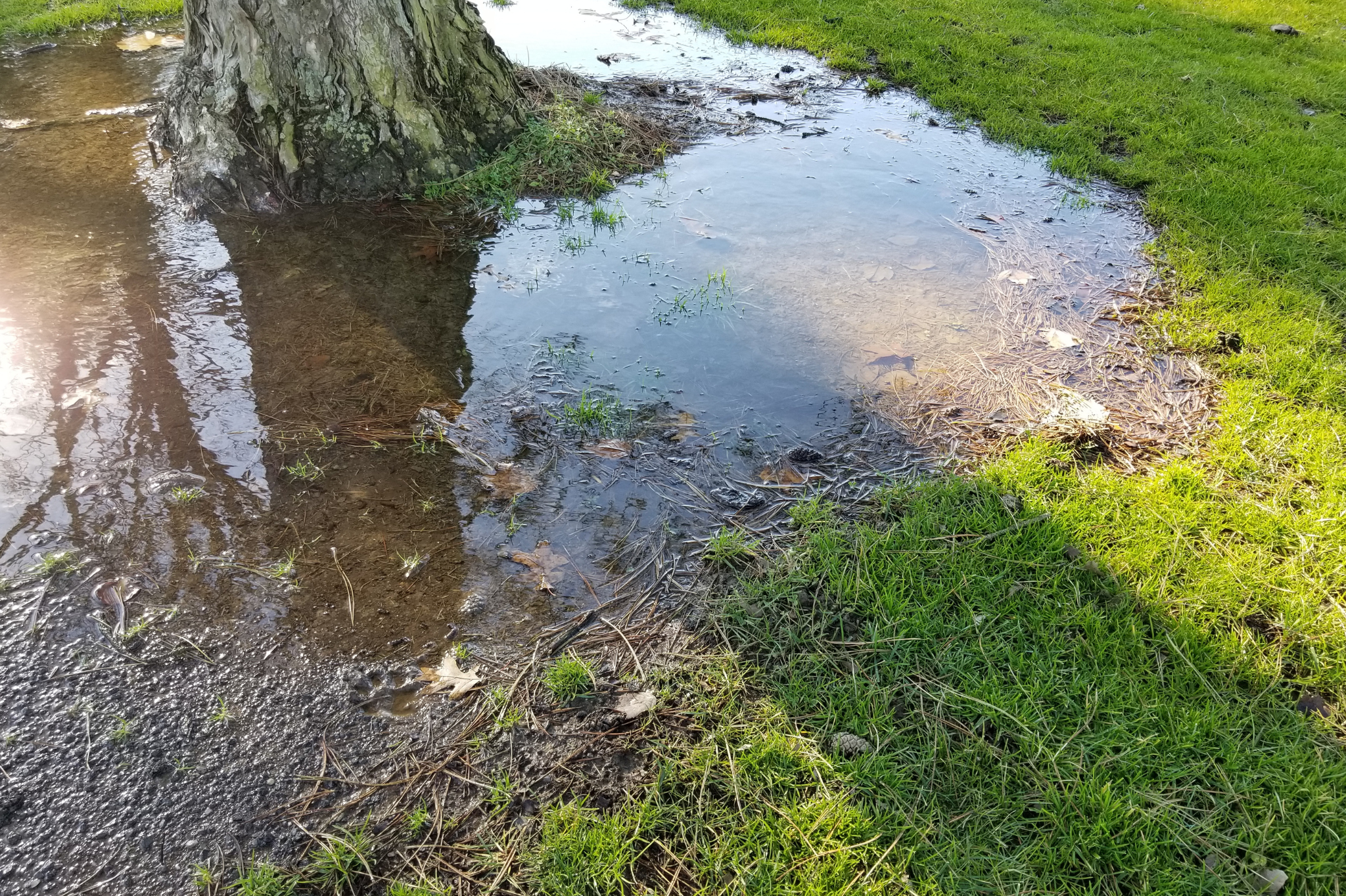
Compacted Soil
Soil needs open spaces for air and water to move through it. When soil becomes heavily compacted, water may have difficulty penetrating the ground and can instead remain on the surface.
Construction activity, heavy equipment, foot traffic, and other disturbances can contribute to compaction. Utah State University Extension explains how soil compaction and layers of different soil types can restrict drainage, particularly around newly constructed properties.
Clay and Poorly Draining Soil
Some soils naturally drain more slowly than others. Fine-textured or clay-heavy soil can hold water, making it difficult for excess moisture to move through the ground.
Soil amendments can sometimes improve these conditions. Organic matter can improve soil structure and help fine-textured soil drain more effectively, while also helping excessively sandy soil retain moisture.
However, adding soil amendments will not solve every drainage problem. If water is collecting because of the property's slope or because there is no suitable place for runoff to go, a larger solution may be necessary.
Poor Landscape Grading
The shape and slope of your yard have a major impact on water movement. If the landscape contains low areas or slopes toward a home, water can collect instead of flowing toward an appropriate drainage area.
Proper yard grading in Utah creates intentional slopes that help direct water where it can safely disperse or be collected.
Grading problems are particularly common when landscaping is installed without considering how the entire property handles runoff.
Irrigation Problems
Rain is not the only source of excess water. An irrigation system can contribute to drainage problems if it applies more water than the soil can absorb.
Check for:
- Sprinkler heads that overlap excessively
- Sprinklers watering sidewalks or driveways
- Irrigation zones running too long
- Leaking sprinkler components
- Water flowing downhill faster than the soil can absorb it
- Irrigation schedules that do not match current conditions
Water management is especially important in Utah's dry climate. The Utah Division of Water Resources landscape resources provide homeowners with information about water-wise landscape practices and efficient water use.
Natural Low Spots
Some yards simply have areas where water naturally collects. A low point surrounded by higher ground may not have enough slope to move water away.
If the low spot is relatively minor, grading or soil improvements may help. Persistent water pooling may require a dedicated drainage system.
How to Fix Poor Yard Drainage
There is no single solution that works for every property. The best approach depends on your soil, slope, amount of water, existing landscaping, and where the water can safely be redirected.
Here are some of the most common yard drainage solutions.
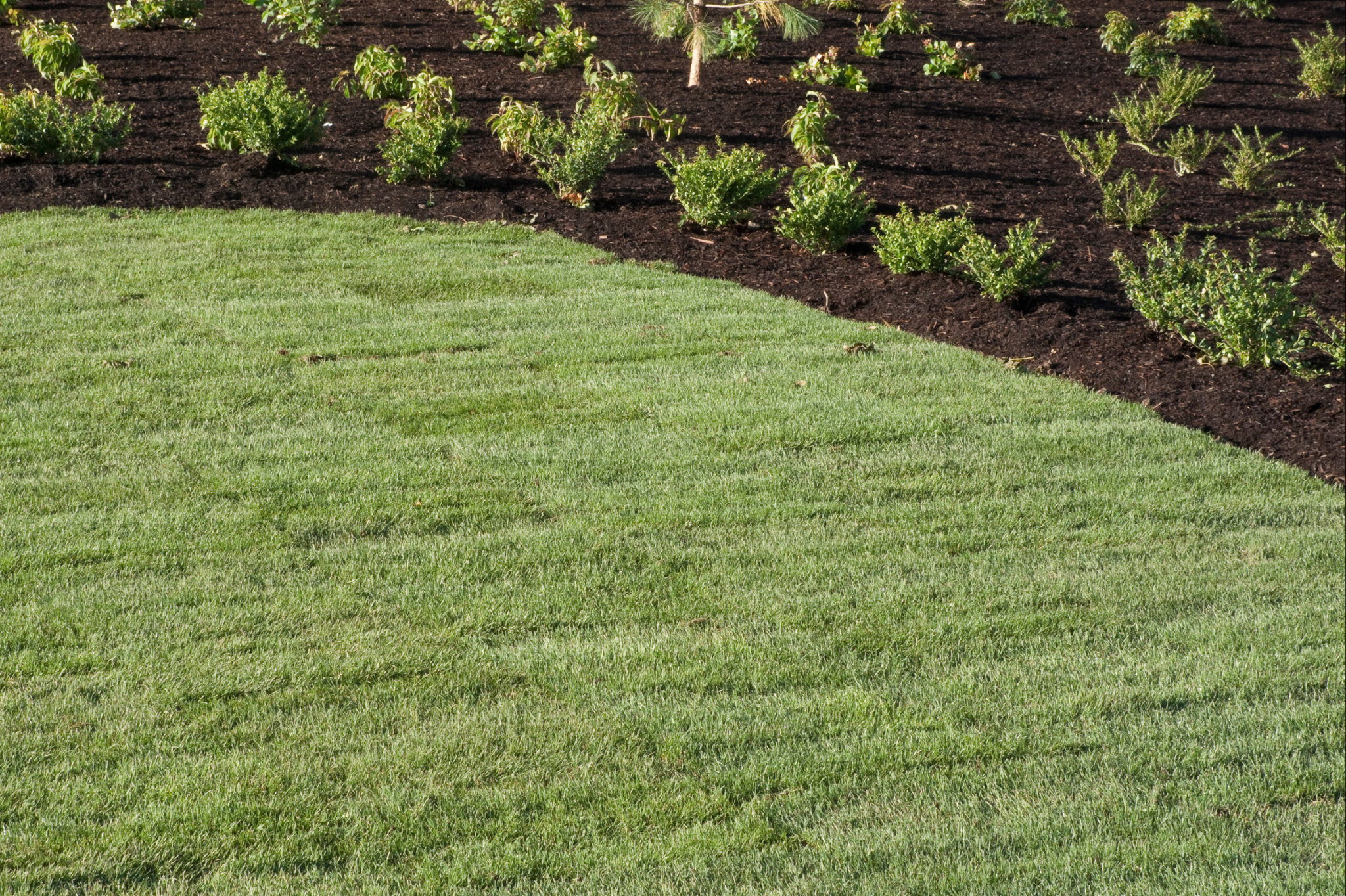
1. Improve the Soil
If compacted or poorly structured soil is contributing to the problem, improving the soil may help increase water movement.
Adding appropriate organic matter can improve soil structure and create better conditions for drainage. Before adding large amounts of material, however, it is helpful to understand what type of soil you already have and why it is holding water.
For more severe problems, soil may need to be mechanically loosened or replaced in certain areas.
USU Extension's recommendations for improving drainage through soil management can help homeowners understand why soil structure matters.
2. Correct the Landscape Grading
Landscape grading changes the shape and elevation of the ground so water can move in the intended direction.
Depending on the property, grading may involve:
- Removing soil from high areas
- Adding soil to low areas
- Creating a consistent slope
- Redirecting surface runoff
- Protecting planting beds
- Keeping water away from structures
- Correcting areas where erosion has changed the grade
Grading can be particularly effective when water pooling is caused by the shape of the yard rather than the soil itself.
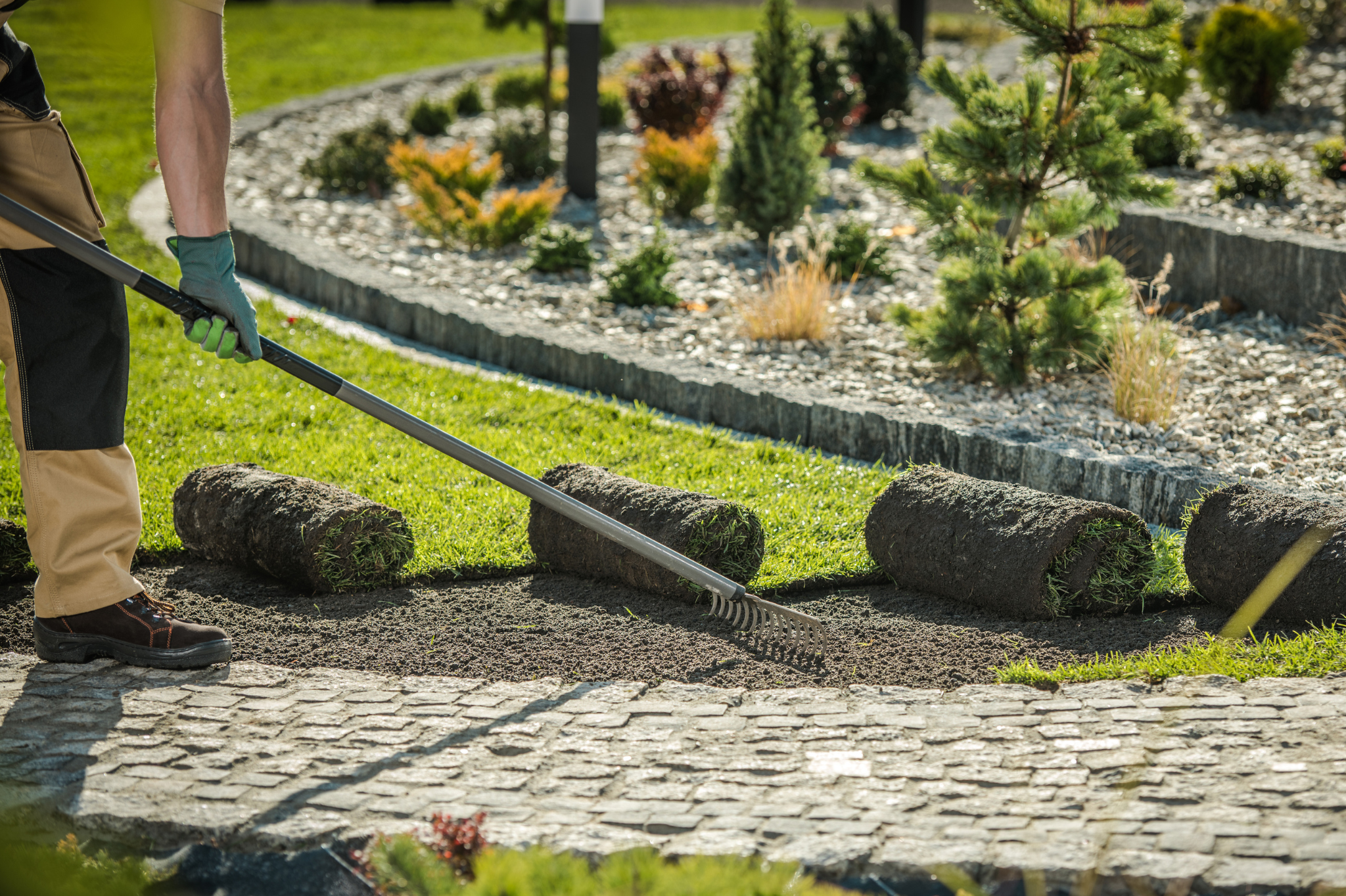
It is also something worth considering before installing a new lawn, planting beds, patios, or other landscape features. C&K Landscaping provides landscape design and installation services for Central Utah homeowners, allowing grading, soil preparation, irrigation, and other landscape elements to be considered together.
3. Install a French Drain
A French drain in Utah can be an effective option when surface water needs to be collected and redirected underground.
A typical French drain uses a perforated pipe surrounded by drainage material. Water enters the system and travels through the pipe toward an appropriate outlet rather than remaining in the problem area.
French drains may be useful for:
- Persistent water pooling
- Wet areas along a yard
- Runoff moving toward a low point
- Water collecting near hardscape
- Drainage problems that cannot be solved through grading alone
The design should be based on the property's slope, soil, water volume, and available discharge location. Installing a drainage system without considering where the collected water will ultimately go can simply move the problem somewhere else.
4. Consider Subsurface Drainage
Some drainage problems occur below the surface rather than on top of the soil. In these situations, subsurface drainage can provide a way to collect excess water and move it away from plant root zones.
Utah State University Extension's drainage guidance discusses subsurface tile drains as one approach for managing excess water in poorly drained areas.
This type of system may be appropriate when surface grading cannot resolve persistent wet soil.
5. Use Raised Beds or Berms
If poor drainage is concentrated in a garden or planting area, raised beds or berms can sometimes provide a practical solution.
Raising the planting area gives plant roots access to better-draining soil above the saturated ground. USU Extension recommends raised beds, hills, and berms as potential approaches for landscapes with drainage limitations.
This approach is more suitable for localized planting problems than for large-scale water runoff across an entire property.
6. Adjust Irrigation and Water Runoff
A complete landscape drainage plan should consider both rainfall and irrigation.
If sprinklers are applying more water than your soil can absorb, even a properly graded yard can experience water pooling. Adjusting sprinkler heads, irrigation zones, watering schedules, or system components may reduce the amount of excess water entering the landscape.
C&K Landscaping offers sprinkler systems and water-wise landscaping solutions designed for Central Utah properties. Addressing irrigation alongside grading and soil conditions can help create a landscape that uses water more efficiently while reducing unnecessary runoff.
How Drainage Problems Can Lead to Erosion
Poor water management can create more than muddy grass. Fast-moving runoff can also cause erosion.
As water travels across bare or exposed soil, it can carry soil particles, mulch, gravel, and other landscape materials with it. Over time, this can create channels, expose plant roots, damage planting beds, and change the grade of the yard.
Good erosion control in Utah begins with controlling the water that causes the erosion.
Depending on the property, this may involve:
- Improving landscape grading
- Establishing plants or ground cover
- Adding appropriate mulch
- Creating controlled drainage paths
- Installing underground drainage
- Stabilizing slopes
- Using retaining walls where appropriate
C&K Landscaping's landscaping project portfolio includes projects involving retaining walls, grading-related landscape work, irrigation systems, and landscape renovations, demonstrating how different components can work together in a finished landscape.
When Should You Hire a Landscape Drainage Contractor?
Some minor drainage issues can be addressed by homeowners. Adjusting an irrigation schedule, improving a small planting area, or correcting minor soil problems may be enough in some situations.
Professional help becomes more valuable when drainage involves significant grading, large amounts of runoff, underground systems, steep slopes, or recurring erosion.
Consider contacting a landscape drainage contractor if:
- Water repeatedly collects in the same locations
- Water is moving toward your home's foundation
- The yard has significant low spots
- Grading appears to be the primary problem
- You may need a French drain or drainage system
- Erosion continues to worsen
- Several areas of the property are affected
- Previous attempts to fix the problem have failed
- You are already planning a major landscape renovation
A professional can look at the entire property and determine how water enters, where it collects, how it moves, and where it can be safely redirected.
Why Drainage Should Be Planned Before Landscaping
Drainage is often easiest to address before a landscape is installed. If you are already planning a new lawn, planting beds, patio, retaining wall, or other major landscape project, evaluating drainage first can prevent problems later.
The process may involve assessing existing slopes, identifying low areas, examining soil conditions, and determining how irrigation and rainwater will move through the finished landscape.
C&K Landscaping's landscape design and installation services can incorporate these considerations into a larger landscaping project rather than treating drainage as an afterthought.
This is especially useful for Central Utah homeowners who are planning a complete yard renovation. C&K Landscaping serves communities including Richfield, Salina, Gunnison, Manti, Mt. Pleasant, Ephraim, Monroe, Central Valley, Elsinore, and Annabella.
Choosing the Right Yard Drainage Solution
The best solution for poor yard drainage depends on what is causing the problem.
If compacted soil is the issue, improving soil structure may help. If water is collecting because of the property's slope, grading may be the better approach. If water needs to be collected and redirected, a French drain or another drainage system may be appropriate.
In many cases, more than one solution works together.
For example, a landscape renovation might include correcting the grade, improving the soil, adjusting irrigation, and installing drainage in a particularly wet area. Taking a whole-property approach can produce a more reliable result than repeatedly repairing individual wet spots.
Fix Poor Yard Drainage Before It Becomes a Bigger Problem
Poor yard drainage can make it difficult to maintain healthy grass, plants, and usable outdoor space. It can also contribute to erosion and direct unwanted water toward areas where it can cause additional problems.
The right solution starts with identifying the source of the water and understanding why it is not moving properly. From soil improvements and irrigation adjustments to landscape grading, French drains, and subsurface drainage, there are several ways to improve water management in a Utah landscape.
If you are dealing with recurring standing water, erosion, or drainage problems in your Central Utah yard, contact C&K Landscaping to request a free on-site consultation and landscaping estimate. Their team can evaluate your property and help determine practical options for creating a landscape that looks good and manages water more effectively.
Topics: