A beautiful Utah yard does not have to require constant watering. With thoughtful design, climate-appropriate plants, healthy soil, mulch, and efficient irrigation, Central Utah homeowners can create attractive outdoor spaces that use water more responsibly.
Water-efficient landscaping in Utah is less about removing everything green and more about putting the right plants and landscape features in the right places. A well-planned yard can still include turf, colorful planting beds, trees, decorative rock, patios, and other features while reducing unnecessary irrigation.
What Is Water-Smart Landscaping?
Water-smart landscaping considers how a property will be used, its existing soil and site conditions, the plants being installed, and how irrigation will be managed.
The EPA's Water-Smart Landscape Design guide recommends approaching landscape design as a complete system, from planning and plant selection to irrigation and maintenance. A water-efficient landscape can still provide shade, recreation areas, colorful plants, and strong curb appeal.
For Central Utah homeowners, this means designing around local conditions rather than trying to make every part of the property look the same.
Start With a Smart Landscape Design
One of the best ways to reduce water use is to consider water requirements before installing the landscape.
Instead of treating the entire yard as one irrigation area, divide it into sections based on how the space will be used and how much water different plants need.
Create Functional Landscape Zones
Consider dividing your property into areas such as:
- Turf areas: Keep grass where children play, pets spend time, or an open lawn provides an important function.
- Planting beds: Use shrubs, perennials, ornamental grasses, and other climate-appropriate plants.
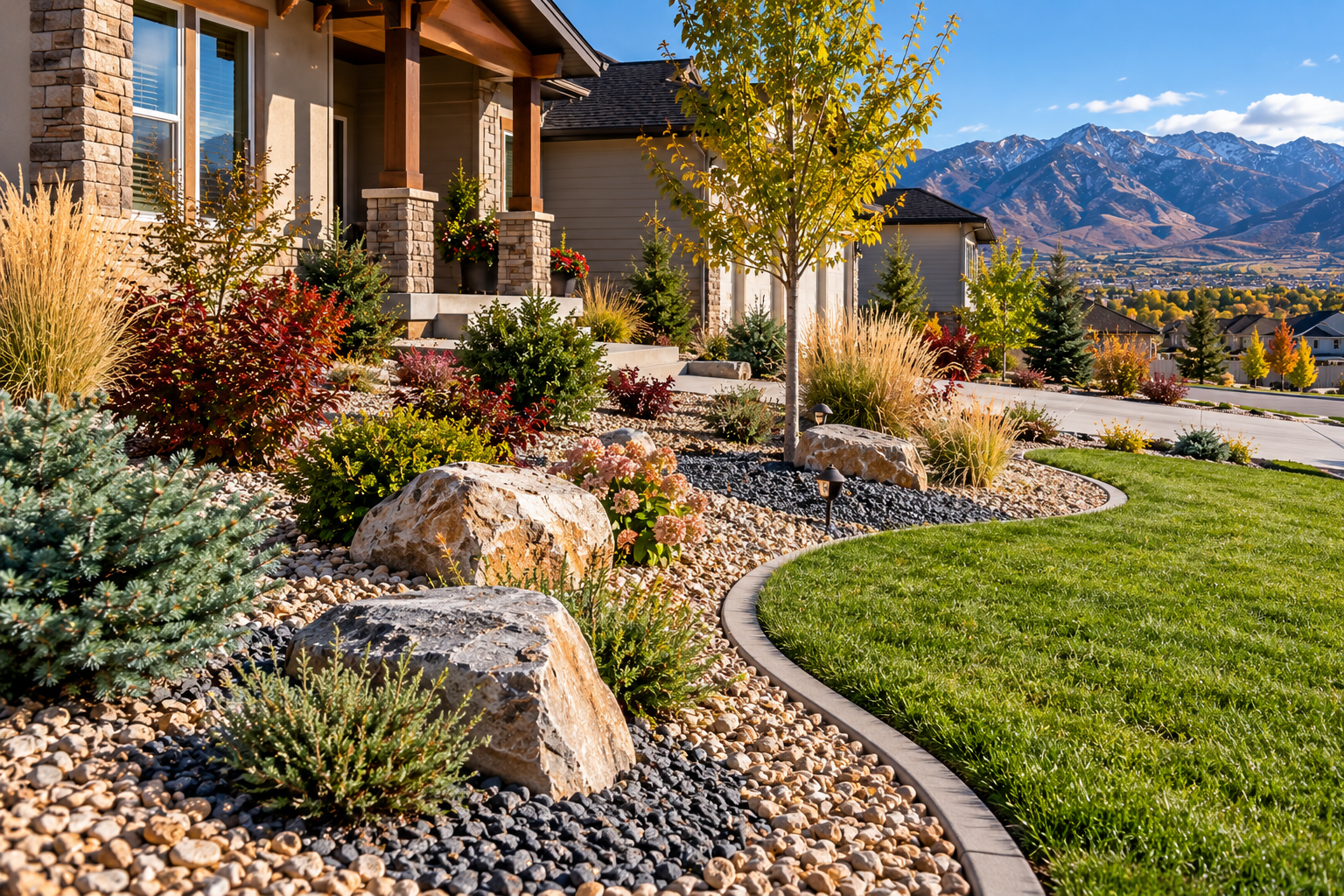
- Low-water areas: Decorative rock, gravel, boulders, and drought-tolerant plants can work well where turf is unnecessary.
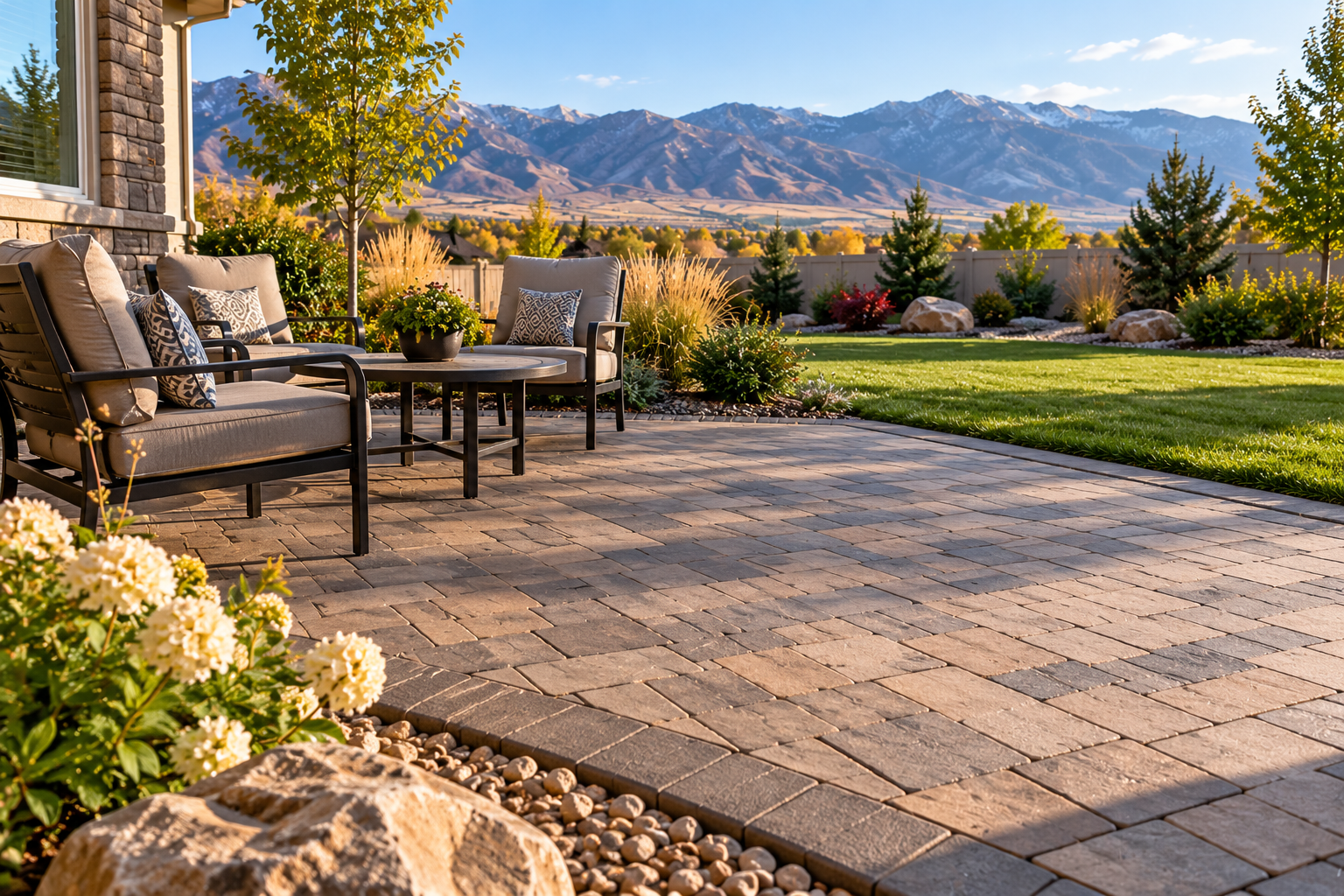
- Outdoor living areas: Patios and walkways can add function without creating additional areas that require irrigation.
- Shade areas: Properly placed trees can provide shade and add structure to the landscape.
Utah State University Extension recommends considering sun, shade, soil, slope, function, and aesthetics when developing a water-wise landscape plan. Its Seven Principles for Water-Wise Landscaping provides a useful starting point for Utah homeowners.
If you are planning a larger project, C&K Landscaping's landscaping project portfolio provides examples of completed landscape designs, planting beds, decorative rock, irrigation projects, xeriscape features, and outdoor spaces.
Choose Plants That Fit Utah's Climate
Plant selection has a major effect on how much water a landscape requires.
Plants that are well suited to Utah's climate generally make more sense for a low-water landscape than plants that require frequent irrigation to stay healthy. USU Extension recommends considering irrigation requirements, climate hardiness, mature plant size, adaptability, and the purpose of the planting area when choosing landscape plants.
For homeowners interested in drought-tolerant landscaping in Utah, C&K Landscaping's guide to drought-tolerant plants for Utah landscapes offers examples of plants that can contribute to an attractive, lower-water landscape.
Think Beyond Green Grass
Curb appeal does not depend on having a large expanse of lawn.
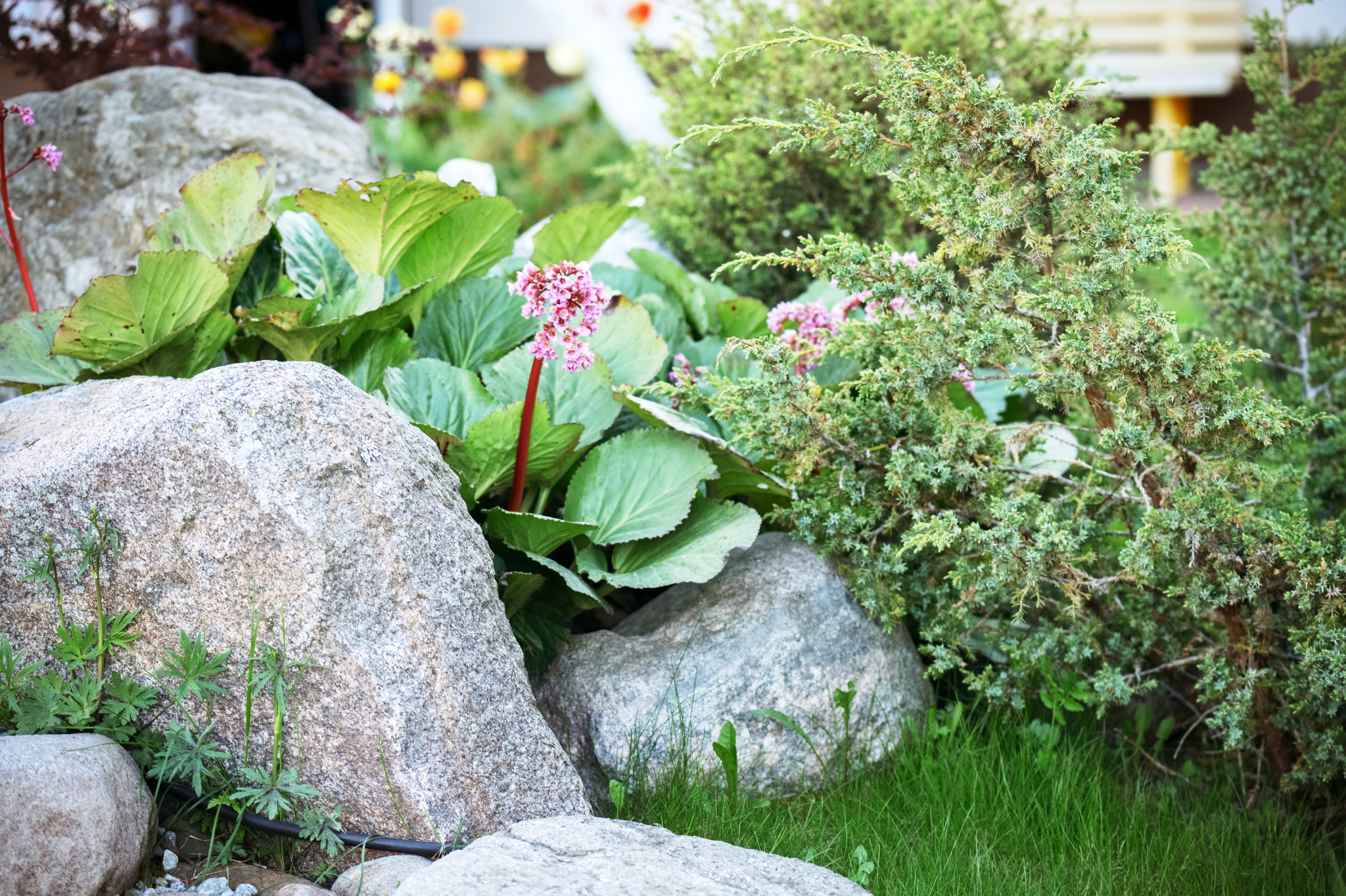
A water-smart yard can use contrasting foliage, flowering plants, decorative rock, mulch, boulders, pathways, and hardscape features to create visual interest. Different plant heights, textures, and bloom periods can also keep planting beds interesting throughout the growing season.
The goal is not simply to use fewer plants. It is to create a landscape where every plant and feature has a purpose.
Prepare the Soil Before Planting
Healthy soil is another important part of water-saving landscaping.
Compacted or poorly prepared soil can make it harder for water to move into the root zone. Before installing plants, assess the soil and address problems that could affect plant establishment.
USU Extension recommends considering soil texture, structure, organic matter, nutrients, and pH as part of landscape preparation. Its water-wise landscaping guidance also emphasizes proper soil preparation as one of the foundational steps in creating an efficient landscape.
Depending on the property, preparation may include:
- Evaluating existing soil conditions.
- Addressing compacted areas.
- Adding appropriate soil amendments when needed.
- Correcting grading problems.
- Designing planting areas so irrigation reaches plant roots effectively.
Proper preparation can help the landscape establish more successfully and make the irrigation system more effective.
Use Mulch to Protect Planting Beds
Mulch is a simple feature that can support a low-water landscape while also improving its appearance.
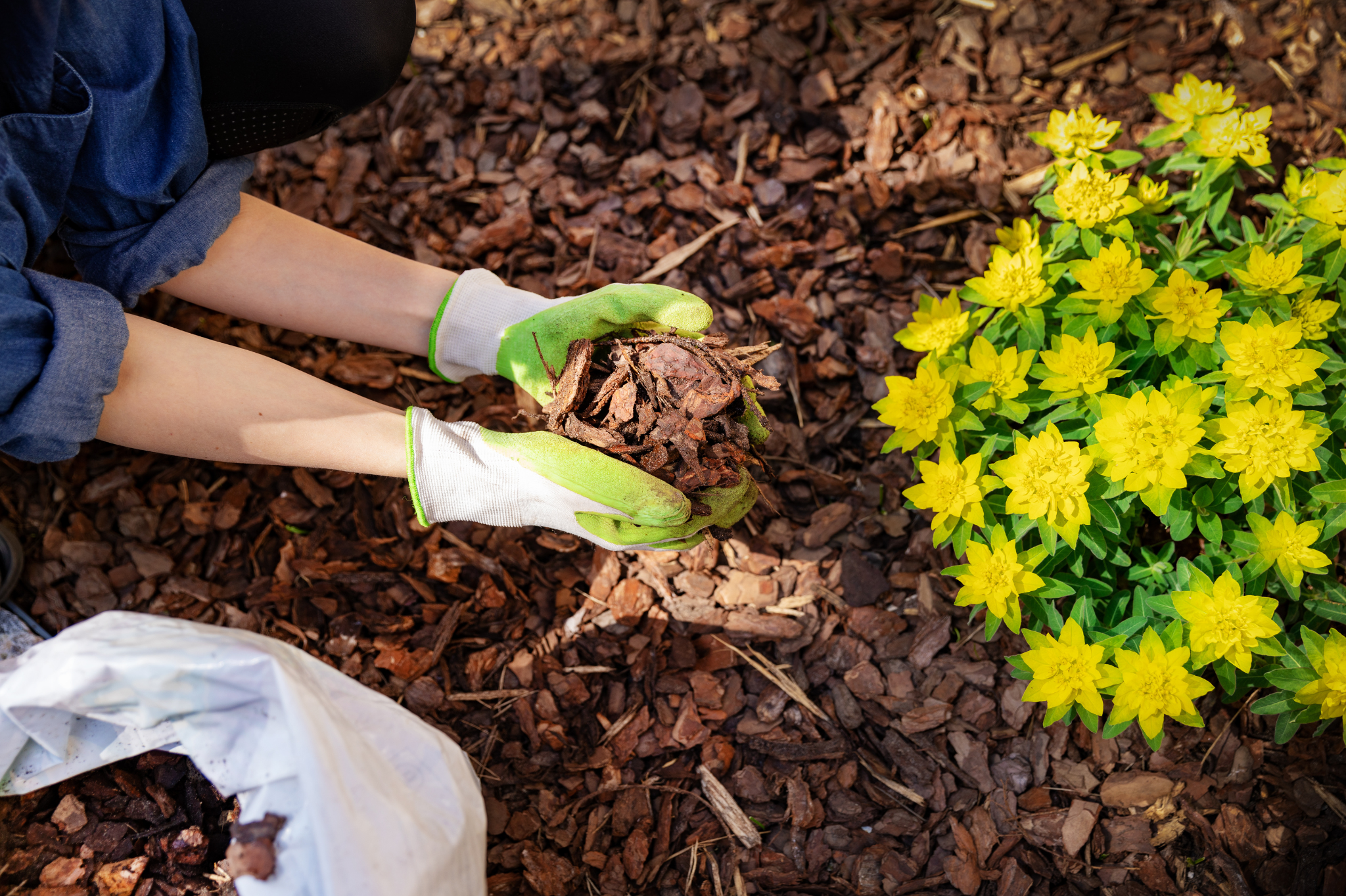
USU Extension recommends covering bare soil with mulch to help reduce evaporation and protect the soil surface. Organic materials such as wood or bark chips can be used, while inorganic options include gravel, crushed stone, and other landscape rock.
Mulch can also create a clean visual transition between plants, lawns, walkways, and other landscape features.
For homeowners interested in incorporating rock, patios, walkways, or other non-irrigated features, C&K Landscaping's hardscaping and paver patio services can be incorporated into a larger landscape design.
Make Your Irrigation System Work Smarter
Even a well-designed landscape can waste water if the irrigation system is inefficient.
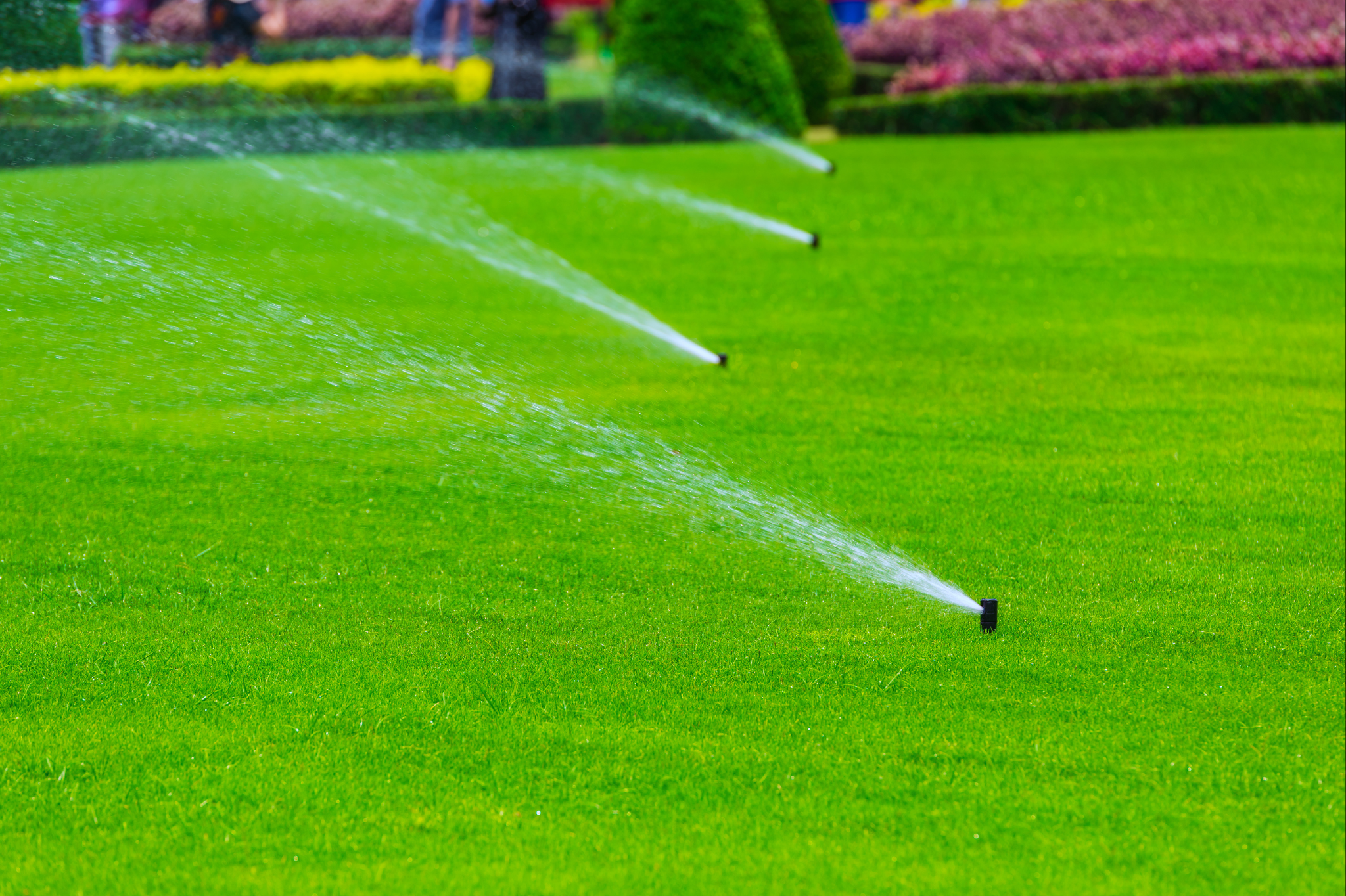
The EPA recommends checking irrigation systems for leaks, broken or clogged sprinkler heads, overspray, and other problems. Its Watering Tips for Home Landscapes also recommends adjusting irrigation based on seasonal conditions and plant needs.
Group Plants With Similar Water Needs
Hydrozoning means grouping plants with similar water requirements into the same irrigation zone.
For example, established shrubs and drought-tolerant planting beds may not need the same irrigation schedule as a lawn. USU Extension recommends grouping plants according to their water requirements and using drip irrigation where appropriate. This allows different areas of the landscape to receive water according to their individual needs.
Consider Drip Irrigation
Drip irrigation can be useful for planting beds, shrubs, trees, and gardens because it applies water slowly near plant roots.
It can be particularly useful when combined with a landscape design that separates higher-water turf areas from lower-water planting zones.
Consider Smart Irrigation Controls
Modern irrigation controllers can also help homeowners adjust watering based on actual landscape conditions.
The EPA's WaterSense-labeled irrigation controller information explains how weather-based and soil-moisture-based controllers can adjust irrigation more efficiently than a basic fixed schedule.
Smart irrigation does not replace proper landscape design, but it can complement an efficient landscape by helping apply water when plants actually need it.
Water at the Right Time
Efficient irrigation is about more than the equipment. Timing and scheduling also matter.
The EPA recommends avoiding unnecessary midday watering because water can evaporate before reaching plants. Irrigation schedules should also be adjusted as weather and landscape conditions change.
Watch for signs that your system needs adjustment:
- Water pooling in planting beds or lawn areas.
- Sprinklers spraying sidewalks or driveways.
- Dry spots that remain after irrigation.
- Runoff flowing away from the landscape.
- Irrigation running during or immediately after significant rainfall.
If your irrigation system is older or difficult to manage, a professional evaluation may help identify areas where water is being wasted.
Keep Lawn Where It Makes Sense
Creating a water-smart landscaping plan does not necessarily mean eliminating your lawn.
Grass can provide a useful surface for recreation, pets, children, and outdoor gatherings. The better strategy may be to keep turf where it serves a purpose and reconsider areas that are difficult to use or maintain.
For example, a homeowner could maintain a defined front lawn while converting unused side-yard strips or difficult-to-mow corners into planting beds, decorative rock, or other low-water features.
If you want to maintain a healthy lawn while improving its efficiency, C&K Landscaping's guide to choosing the right grass for a Utah lawn provides additional information about grass selection for Central Utah conditions.
Combine Water Efficiency With Curb Appeal
A water-efficient landscape should look intentional rather than simply reduced.
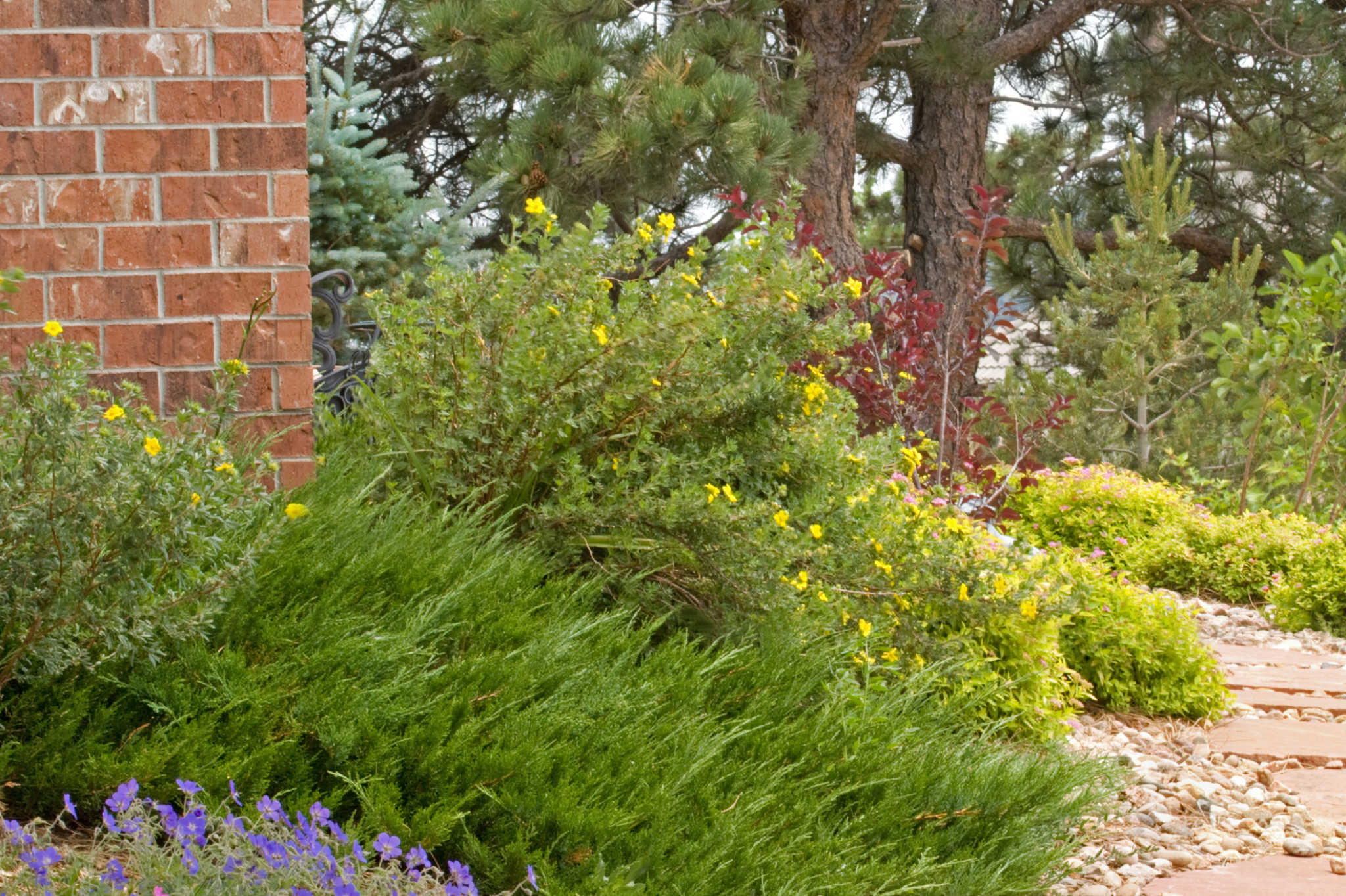
A well-designed Central Utah yard might combine:
- A defined lawn area.
- Drought-tolerant shrubs and perennials.
- Decorative rock or mulch.
- Trees positioned appropriately for shade and structure.
- Clearly defined planting beds.
- Patios or walkways.
- Efficient irrigation zones.
- Landscape lighting or other decorative features.
The result can be a landscape with greater visual variety while reducing the amount of vegetation that requires frequent irrigation.
This is where professional landscape planning can be especially helpful. Instead of selecting individual plants and materials separately, a complete design can coordinate the lawn, planting beds, irrigation, grading, hardscape, and other features.
A Simple Water-Efficient Landscaping Checklist
Before starting a landscape project, ask:
- Which parts of the property actually need turf?
- Where are the full-sun, partial-shade, and shaded areas?
- Which plants are appropriate for the local climate?
- Can plants with similar water requirements be grouped?
- Does the soil need preparation before planting?
- Where would mulch or decorative rock make sense?
- Is the irrigation system distributing water evenly?
- Are sprinklers watering sidewalks, driveways, or other hard surfaces?
- Would drip irrigation work well for planting beds?
- Could smart irrigation controls improve scheduling?
- Could patios, walkways, or other hardscape features reduce unnecessary irrigated space?
Planning these details before installation can help prevent costly changes later.
Water-Efficient Landscaping Can Still Look Beautiful
A low-water landscape does not have to be plain or dominated by gravel.
The strongest Utah landscaping designs combine practical water management with thoughtful aesthetics. Appropriate plants, prepared soil, mulch, strategically placed turf, attractive hardscaping, and efficient irrigation can work together to create a yard that is both attractive and better suited to Central Utah's climate.
The EPA's WaterSense program and Utah State University Extension both emphasize planning, appropriate plant selection, soil preparation, efficient irrigation, and proper maintenance as important components of water-wise landscaping.
Ready to Create a More Water-Smart Yard?
If your Central Utah yard needs a refresh, you do not have to choose between curb appeal and responsible water use.
C&K Landscaping provides landscape design, hardscaping, irrigation, and other landscaping services for homeowners throughout Central Utah. Visit the C&K Landscaping contact page to request a free estimate and discuss options for creating a landscape that fits your property, lifestyle, and water-use goals.
Topics: