A well-designed outdoor space can be beautiful, functional, and beneficial to the local environment.
Creating a pollinator-friendly garden is one of the most rewarding ways to bring more color and activity into your yard while supporting butterflies, native bees, hummingbirds, and other important pollinators.
At C&K Landscaping, we help Southern Utah homeowners create outdoor spaces that reflect their lifestyle while working with the region's climate and natural environment.
Whether you have a large backyard, a small planting bed, or a few outdoor containers, you can create a welcoming habitat for pollinators. The key is to provide the right combination of food, water, shelter, and safe places for pollinators to reproduce.
What Is a Pollinator-Friendly Garden?
A pollinator-friendly garden is a landscaped area designed to support animals and insects that move pollen between flowers.
Common pollinators include:
- Butterflies
- Native bees
- Honeybees
- Hummingbirds
- Moths
- Beetles
- Other beneficial insects
A successful pollinator garden provides more than colorful flowers. It creates a complete habitat where pollinators can feed, rest, find water, avoid harmful chemicals, and raise their young.
A butterfly garden is one type of pollinator-friendly garden. It includes nectar plants for adult butterflies as well as host plants that support caterpillars and butterfly reproduction.
Why Are Pollinator Gardens Important?
Pollinators play an essential role in the reproduction of flowering plants and food crops.
However, habitat loss, limited plant diversity, pesticide exposure, drought, and changing environmental conditions can make it difficult for pollinators to find the resources they need.
A thoughtfully designed pollinator garden can help by providing:
- Reliable sources of nectar and pollen
- Native host plants
- Water and minerals
- Shelter from weather and predators
- Nesting and overwintering areas
- A pesticide-free environment
Pollinator-friendly landscaping can also make your yard more visually appealing, dynamic, and connected to the natural environment.
Step 1: Choose the Right Location
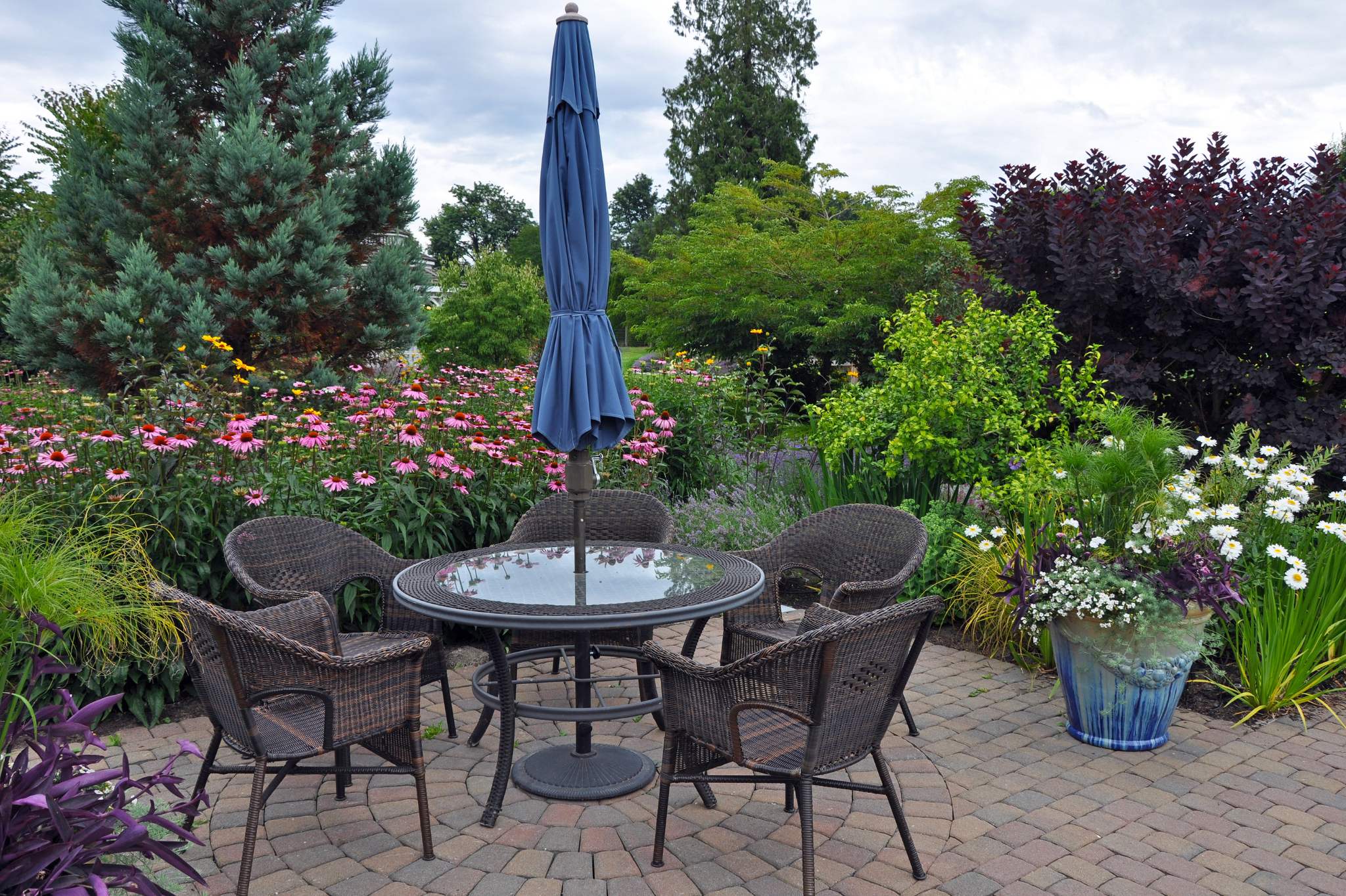
The first step in designing a pollinator-friendly garden is selecting an appropriate location.
You do not need a large yard. A small garden bed, side yard, patio container arrangement, or landscape border can still provide meaningful habitat.
Look for Adequate Sunlight
Most butterfly and pollinator plants perform best in full sun.
Choose an area that receives approximately six or more hours of direct sunlight each day.
Butterflies are cold-blooded and rely on sunlight to warm their bodies. Sunny areas help them remain active, feed, and move between plants.
Many nectar-rich flowers also produce more blooms when they receive sufficient sunlight.
Provide Protection From Strong Winds
Pollinators may struggle to feed in exposed areas with frequent or strong winds.
Select a garden location near natural or built-in protection, such as:
- Shrubs
- Trees
- Fences
- Garden walls
- Raised beds
- Other landscape features
Wind protection creates calmer spaces where butterflies, bees, and hummingbirds can rest and feed more easily.
Make the Garden Easy to Observe
Place your pollinator garden where you and your family can enjoy it.
Consider locations near:
- Patios
- Walkways
- Outdoor seating areas
- Kitchen windows
- Entryways
- Backyard gathering spaces
A visible garden makes it easier to observe visiting butterflies, bees, and birds while adding color to the areas of your property you use most.
Step 2: Start With a Manageable Garden Size
It is not necessary to redesign your entire landscape at once.
Starting with a smaller area can make the project easier to plan and maintain. You can gradually expand the garden as you learn which plants perform well and attract the most pollinators.
Good starting points include:
- A small foundation bed
- A section of an existing flower border
- A raised garden bed
- Several large containers
- A strip along a fence
- A corner of the backyard
- A converted lawn section
A smaller garden can still become an effective pollinator habitat when it contains the right plants and resources.
Step 3: Prioritize Native Plants
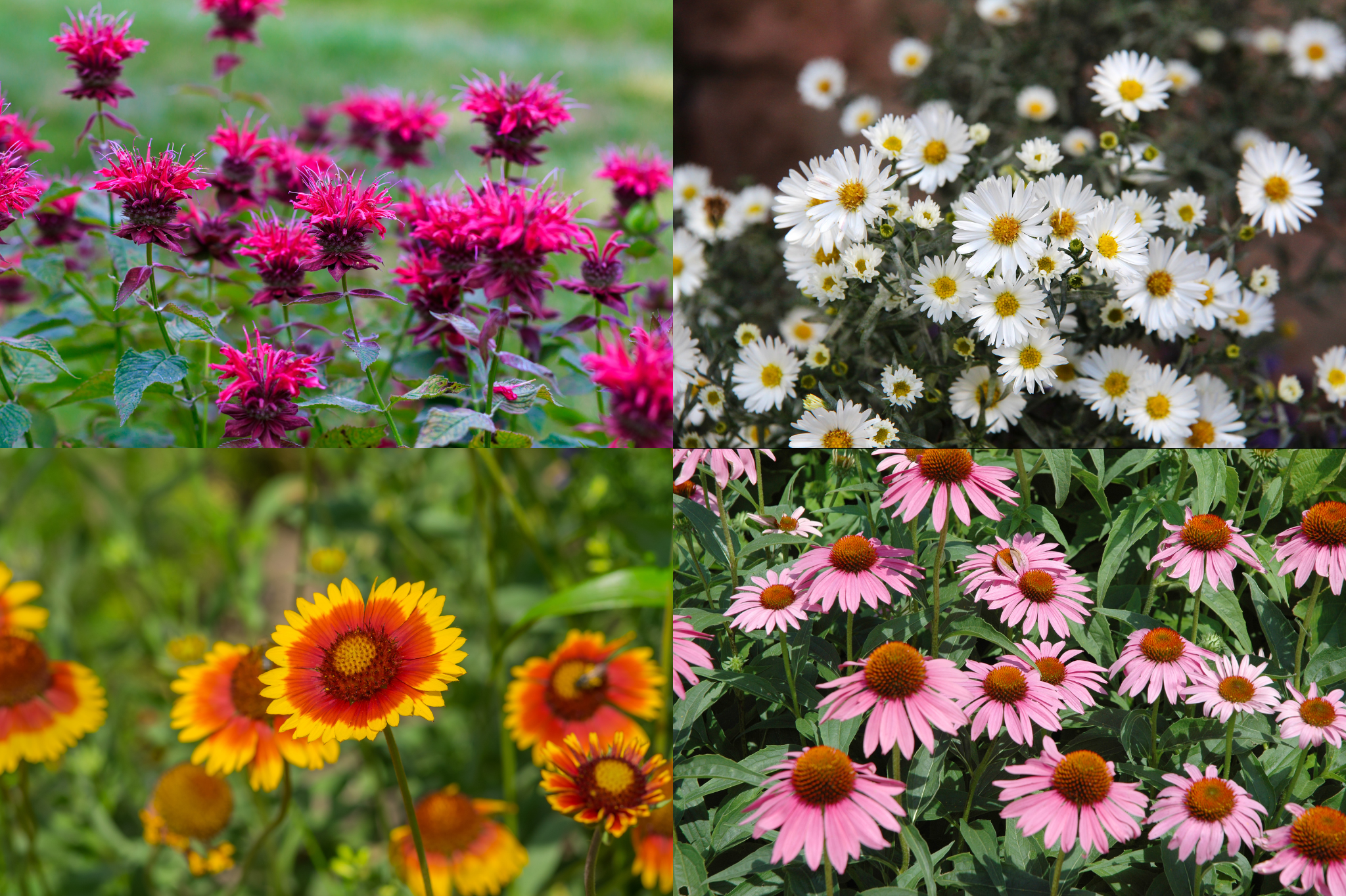
Plant selection is one of the most important parts of pollinator garden design.
Native plants are especially valuable because they have developed alongside local pollinators. They are often better suited to the region's soil, rainfall, temperatures, and seasonal conditions.
Native plants may also require less water, fertilizer, and maintenance once established.
Benefits of using native plants include:
- Better adaptation to local growing conditions
- Greater value to native insects and wildlife
- Reduced irrigation needs
- Improved resistance to local pests
- Stronger support for butterfly and bee life cycles
- Lower long-term landscape maintenance
For Southern Utah landscapes, plant choices should also account for heat, drought, elevation, soil conditions, and available irrigation.
Potential pollinator-friendly plants may include:
- Bee balm
- Coneflowers
- Asters
- Blanket flowers
- Penstemon
- Yarrow
- Salvia
- Milkweed
- Goldenrod
- Sunflowers
Plant suitability can vary by location, so it is important to choose species that are appropriate for your specific property and growing conditions.
Step 4: Include Nectar Plants
Nectar plants provide food for adult butterflies, bees, hummingbirds, and other pollinators.
Flowers with abundant nectar help pollinators maintain the energy they need to fly, reproduce, and continue pollinating other plants.
Popular nectar-producing flowers include:
- Coneflowers
- Asters
- Bee balm
- Blanket flowers
- Lavender
- Salvia
- Zinnias
- Sunflowers
- Goldenrod
- Verbena
Different pollinators may prefer different flower shapes and colors.
For example:
- Butterflies often prefer wide, flat flowers where they can land.
- Hummingbirds are commonly attracted to tubular red, pink, and orange flowers.
- Bees frequently visit blue, purple, white, and yellow flowers.
- Moths may be attracted to pale, fragrant flowers that open in the evening.
Including a variety of flower shapes and colors can support a wider range of pollinators.
Step 5: Include Butterfly Host Plants
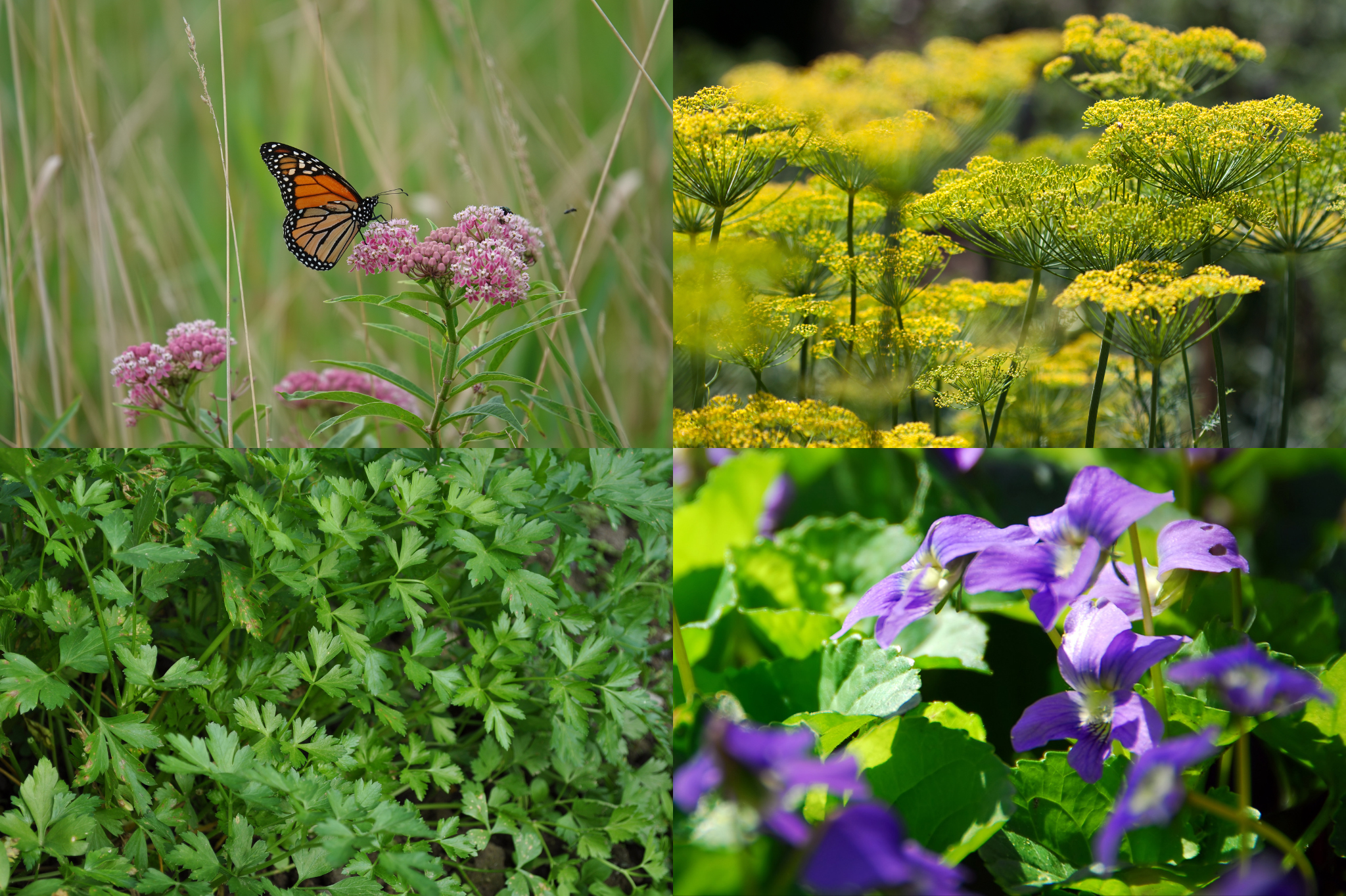
A butterfly garden needs more than nectar flowers.
Adult butterflies use nectar plants for food, but they rely on specific host plants when laying eggs. Once the eggs hatch, the caterpillars feed on those host plants.
Without appropriate host plants, butterflies may visit your garden but will not be able to complete their full life cycle there.
Examples include:
- Milkweed for monarch butterflies
- Parsley for swallowtail butterflies
- Fennel for swallowtail butterflies
- Dill for swallowtail butterflies
- Native grasses for certain skipper butterflies
- Violets for fritillary butterflies
Caterpillars will eat portions of these plants. This is a sign that the habitat is working, not that the garden has failed.
When possible, place host plants in areas where some leaf damage will not affect the overall appearance of the landscape.
Step 6: Plan for Continuous Blooms
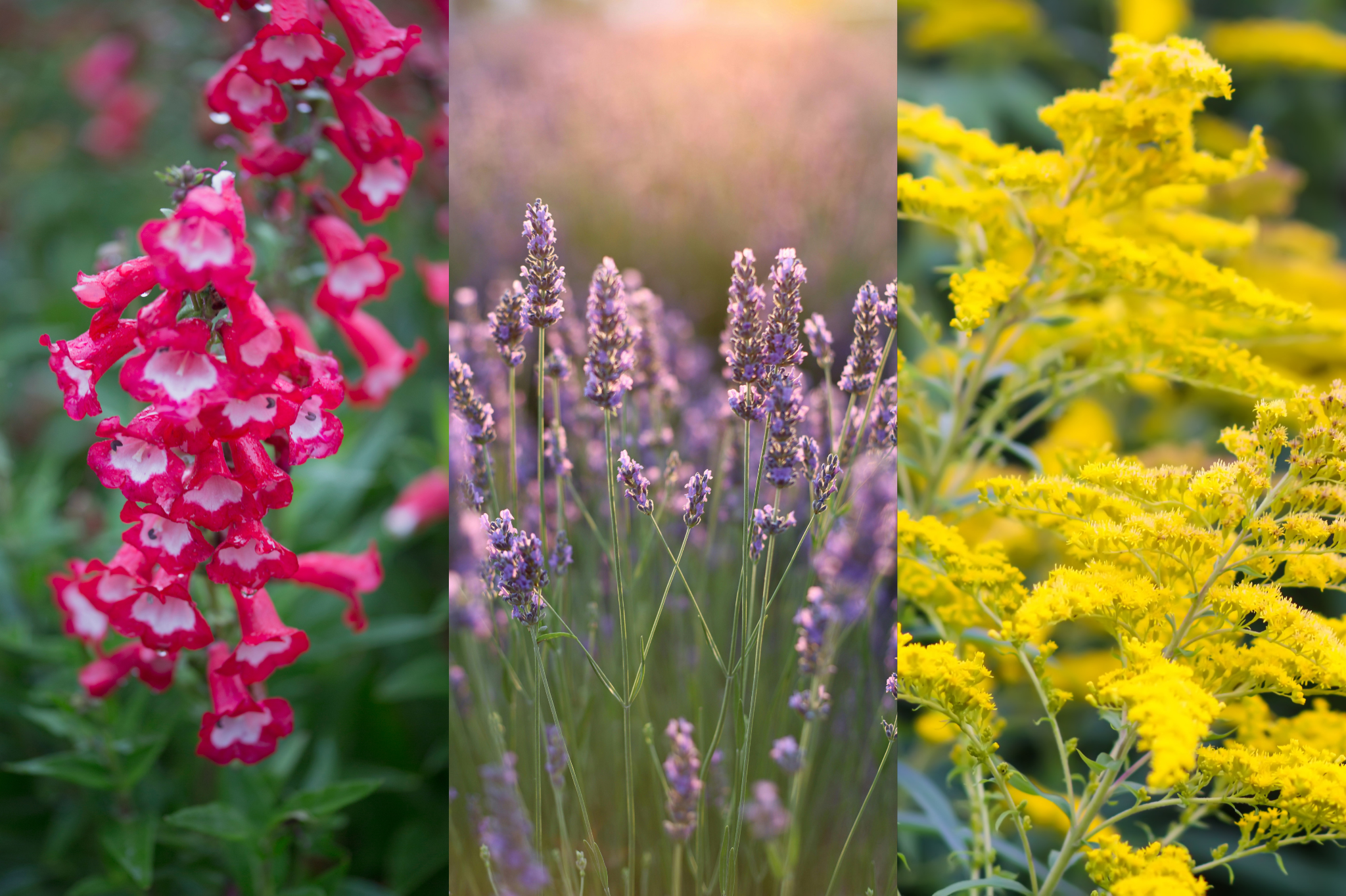
Pollinators need food throughout the growing season, not just during one part of the year.
Select plants with overlapping bloom times so that flowers are available from early spring through fall.
Spring-Blooming Plants
Spring flowers provide early food when pollinators become active after winter.
Examples may include:
- Penstemon
- Columbine
- Lupine
- Early-blooming salvias
- Native flowering shrubs
Summer-Blooming Plants
Summer is often the busiest period for butterfly, bee, and hummingbird activity.
Summer options may include:
- Bee balm
- Coneflowers
- Blanket flowers
- Milkweed
- Lavender
- Yarrow
- Sunflowers
Fall-Blooming Plants
Late-season flowers are particularly valuable because nectar sources may become harder to find.
Fall-blooming plants may include:
- Asters
- Goldenrod
- Sedum
- Late-blooming salvias
- Rabbitbrush
A landscape professional can help you build a bloom calendar so your garden continues providing color and pollinator support across multiple seasons.
Step 7: Plant Flowers in Clusters
Planting flowers in groups makes it easier for pollinators to locate them.
A single flower may be difficult to spot, while a cluster of the same species creates a stronger visual target and provides more food in one location.
For the best results:
- Plant several of the same species together.
- Repeat plant groupings throughout the garden.
- Use larger clusters where space allows.
- Combine different heights and flower shapes.
- Avoid scattering individual plants randomly.
Grouped plantings also create a more intentional and professionally designed landscape.
Step 8: Add a Pollinator Water Source
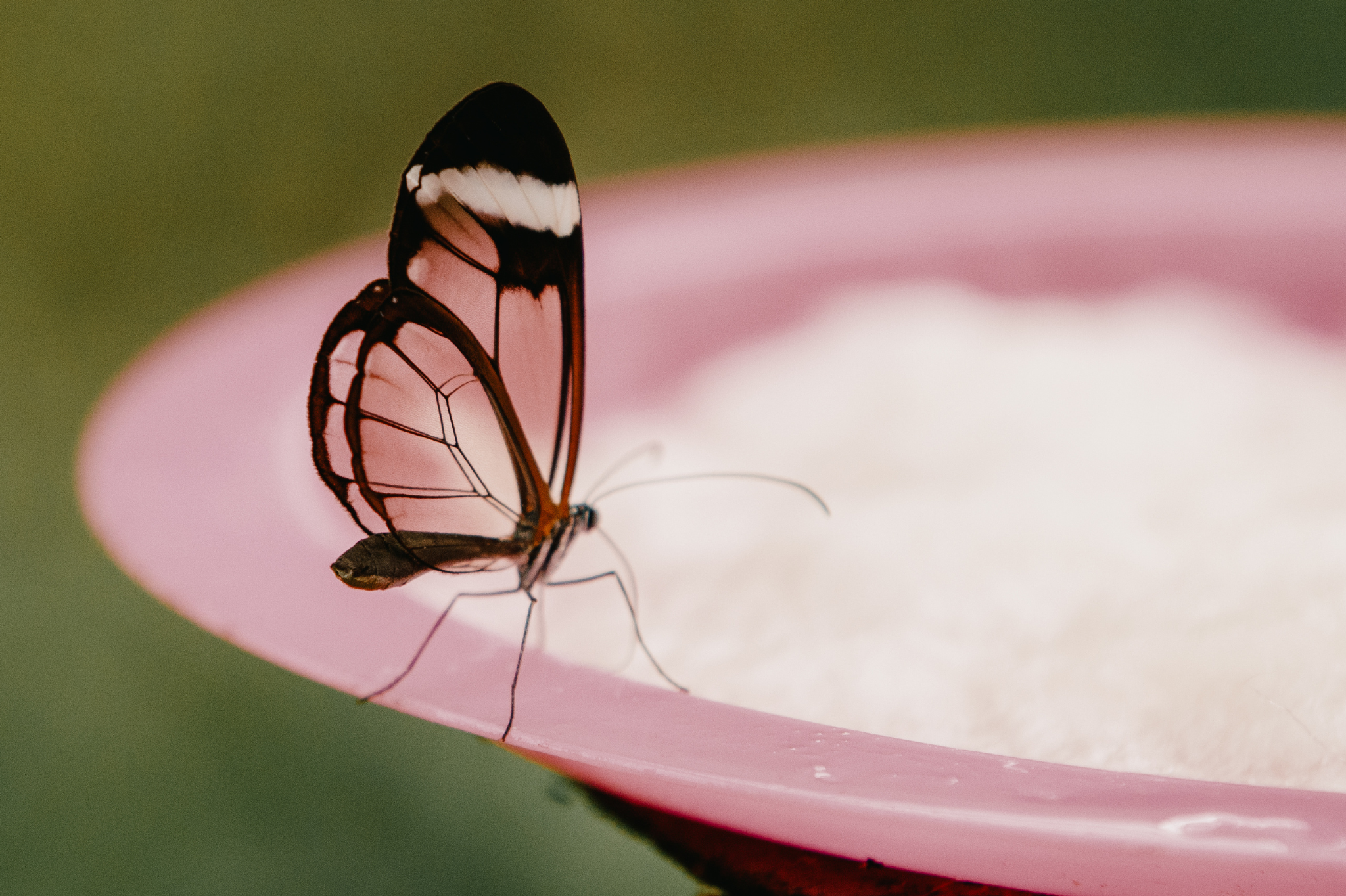
Pollinators need access to water, but deep bowls and open containers can be dangerous for small insects.
A shallow water source is generally more appropriate.
Create a Butterfly Puddling Station
Butterflies often gather moisture and minerals from damp soil or sand. This behavior is known as puddling.
To create a simple puddling station:
- Choose a shallow dish or plant saucer.
- Fill it with sand, soil, or small gravel.
- Add enough water to keep the material damp.
- Place it in a warm, sunny location.
- Refresh the water regularly.
You can also place flat stones in a shallow water dish to give insects safe landing surfaces.
Avoid allowing water to become stagnant for long periods, as this may encourage mosquitoes.
Step 9: Provide Shelter and Resting Areas
Pollinators need places to rest, hide from predators, escape harsh weather, and survive through colder seasons.
Your landscape can provide shelter through:
- Native shrubs
- Small trees
- Tall ornamental grasses
- Dense plantings
- Rock features
- Hollow plant stems
- Leaf litter
- Logs and natural debris
- Protected garden corners
Butterflies also benefit from flat stones placed in sunny areas. The stones absorb heat and provide warm resting surfaces.
A balanced garden can look intentional while still leaving enough natural material to support wildlife.
Step 10: Avoid Excessive Fall Cleanup
A completely cleared garden may look tidy, but it can remove valuable pollinator habitat.
Many native bees, butterflies, moths, and beneficial insects overwinter in:
- Hollow stems
- Fallen leaves
- Dead wood
- Seed heads
- Loose soil
- Plant debris
Consider leaving some stems, leaves, and seed heads in place through the winter.
A less aggressive cleanup approach can also provide seeds for birds and visual interest during the colder months.
Instead of clearing the entire landscape in fall, you can:
- Leave selected perennial stems standing.
- Keep some leaf litter beneath shrubs.
- Delay major cleanup until spring.
- Maintain a few designated natural habitat zones.
- Remove only diseased or problematic plant material.
This approach supports pollinators without allowing the yard to become unmanaged.
Step 11: Avoid Pesticides and Harmful Chemicals
A pollinator garden should be managed without broad-spectrum pesticides whenever possible.
Products designed to kill unwanted insects may also harm butterflies, bees, caterpillars, and other beneficial species.
Herbicides and fungicides can also affect habitat quality when used excessively or incorrectly.
Consider safer landscape management practices such as:
- Hand-pulling weeds
- Using mulch to suppress unwanted growth
- Selecting pest-resistant native plants
- Removing damaged plant material
- Encouraging beneficial insects
- Using targeted treatments only when necessary
- Following all product labels carefully
- Avoiding chemical applications during bloom periods
A diverse landscape often supports natural predators that help control common garden pests.
For example, ladybugs, lacewings, birds, and predatory insects can reduce certain pest populations without relying heavily on chemicals.
Step 12: Design for Southern Utah Conditions
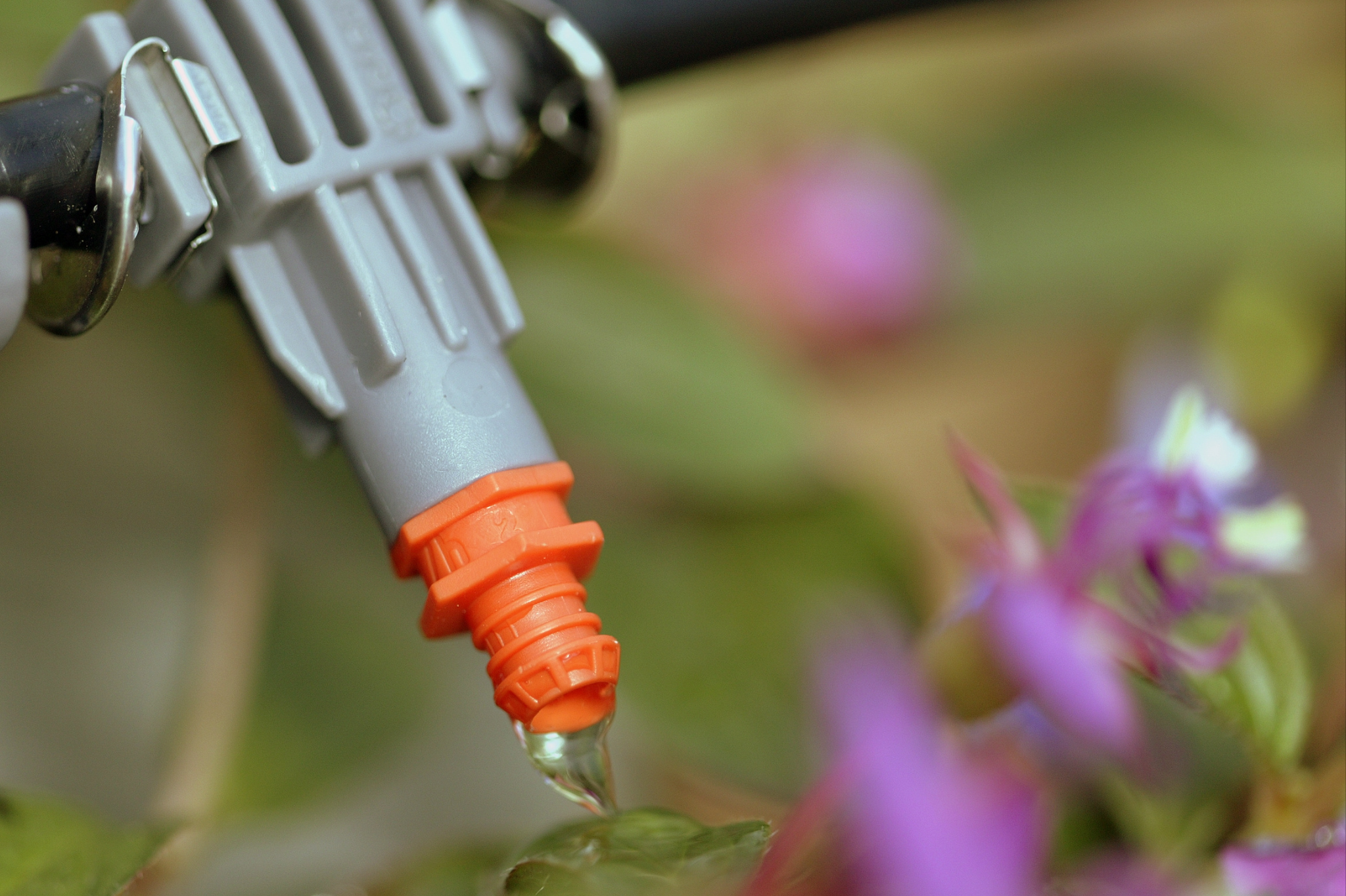
A pollinator-friendly garden in Southern Utah should be designed for the local climate.
Southern Utah landscapes may experience:
- Intense summer heat
- Long dry periods
- Strong sunlight
- Low humidity
- Variable soil quality
- Seasonal winds
- Water-use restrictions
- Significant temperature changes
Choosing drought-tolerant and heat-resistant plants can reduce water use while improving long-term garden performance.
Other useful design strategies include:
- Installing efficient drip irrigation
- Applying mulch to retain soil moisture
- Grouping plants with similar water needs
- Improving soil before planting
- Using rocks or hardscape thoughtfully
- Providing afternoon shade for sensitive plants
- Selecting plants suited to the property's elevation
A well-planned garden can support pollinators without creating an excessive maintenance or irrigation burden.
How to Arrange a Pollinator Garden
A successful garden design should consider plant height, bloom time, color, water needs, and viewing angles.
A simple arrangement may include:
Back Layer: Use taller plants, shrubs, or ornamental grasses along fences or at the back of garden beds.
Middle Layer: Place medium-height flowering perennials in the center of the planting area.
Front Layer: Use shorter plants and groundcovers along walkways, borders, and visible edges.
Accent Areas: Add rocks, shallow water features, seating, decorative containers, or focal plants.
This layered approach creates visual depth while giving pollinators access to different types of habitat.
Can You Create a Pollinator Garden in Containers?
You can create a pollinator-friendly garden even without a traditional yard.
Containers can be placed on:
- Patios
- Balconies
- Porches
- Decks
- Entryways
- Small courtyards
Choose containers with adequate drainage and enough space for plant roots.
Container-friendly pollinator plants may include:
- Salvia
- Lavender
- Verbena
- Zinnias
- Dwarf sunflowers
- Coneflowers
- Herbs such as parsley, dill, and fennel
Group multiple containers together to create a more visible and useful feeding area.
Container gardens may require more frequent watering than plants placed directly in the ground, especially during Southern Utah summers.
Common Pollinator Garden Mistakes to Avoid
Even a well-intentioned garden may provide limited value if certain design mistakes are made.
Common mistakes include:
- Planting only one type of flower
- Selecting plants with the same bloom period
- Using mostly non-native ornamental plants
- Forgetting host plants
- Applying pesticides near flowering plants
- Providing deep water without landing surfaces
- Cleaning up all leaves and stems in fall
- Planting species unsuited to the local climate
- Overwatering drought-tolerant plants
- Ignoring mature plant size
Planning ahead helps avoid unnecessary replacement costs and creates a healthier, more attractive landscape.
Benefits of a Pollinator-Friendly Landscape
A pollinator garden provides benefits beyond supporting butterflies and bees.
Homeowners may also enjoy:
- More seasonal color
- Increased wildlife activity
- Reduced lawn area
- Lower water use
- Greater plant diversity
- Improved curb appeal
- More opportunities for nature observation
- A stronger connection to the local environment
- A distinctive outdoor space
For families, these gardens can also create opportunities to teach children about plants, insects, food systems, and environmental responsibility.
Create Your Pollinator Garden With C&K Landscaping
Designing a pollinator-friendly garden requires thoughtful planning, appropriate plant selection, and an understanding of local growing conditions.
The most successful gardens combine:
- Native plants
- Nectar flowers
- Butterfly host plants
- Continuous seasonal blooms
- Safe water sources
- Shelter and nesting areas
- Reduced pesticide use
- Efficient irrigation
- A layout suited to the property
At C&K Landscaping, we create beautiful, functional landscapes for homeowners throughout Southern Utah.
Our team can help you choose plants, arrange garden beds, improve irrigation, create habitat features, and develop a custom landscape plan that complements your home and vision.
Contact C&K Landscaping for a free estimate and take the first step toward creating a vibrant pollinator-friendly garden in your own backyard.
Topics: