
A sprinkler system should keep your lawn and landscape healthy without sending unnecessary water down the driveway, into the street, or into areas that do not need it. If you notice pooling water, dry patches, excessive runoff, or sprinklers spraying where they shouldn't, your irrigation system may be wasting water.
Water waste is especially worth watching in Central Utah, where hot, dry conditions can put significant demands on residential landscapes. The good news is that many irrigation problems can be identified through a simple inspection and corrected with adjustments, replacement parts, or professional irrigation system repair.
According to the EPA's WaterSense Sprinkler Spruce-Up guidance, homeowners should regularly inspect irrigation systems for broken components, leaks, overspray, and inefficient watering schedules.
Here are five signs that your sprinkler system may be wasting more water than necessary.
1. Your Sprinklers Are Broken, Tilted, or Clogged
Broken sprinkler heads are one of the easiest irrigation problems to spot, but they can also go unnoticed if your system runs early in the morning.
A damaged head may spray water in an unintended direction, leak around its base, fail to pop up completely, or produce an irregular spray pattern. A clogged nozzle can create the opposite problem by reducing coverage and leaving parts of the lawn dry while other areas receive plenty of water.
Walk through your property while each irrigation zone is running and look for:
- Sprinkler heads that do not rise properly
- Water spraying from the side or top of a damaged head
- Heads that are tilted or sitting below the surrounding grass
- Clogged or uneven spray patterns
- Water pooling around a sprinkler
- Missing sprinkler heads
- Areas of lawn that remain noticeably dry
The EPA recommends inspecting irrigation systems for broken or damaged sprinkler heads, since damaged components can apply water where it isn't needed.
Some simple sprinkler head adjustments or replacements may be manageable for a homeowner. If several heads are damaged, you cannot identify the source of the problem, or the system has broader performance issues, professional sprinkler repair in Utah can help restore proper coverage.
For homeowners who need more extensive help, C&K Landscaping provides irrigation and sprinkler system repair in Central Utah.
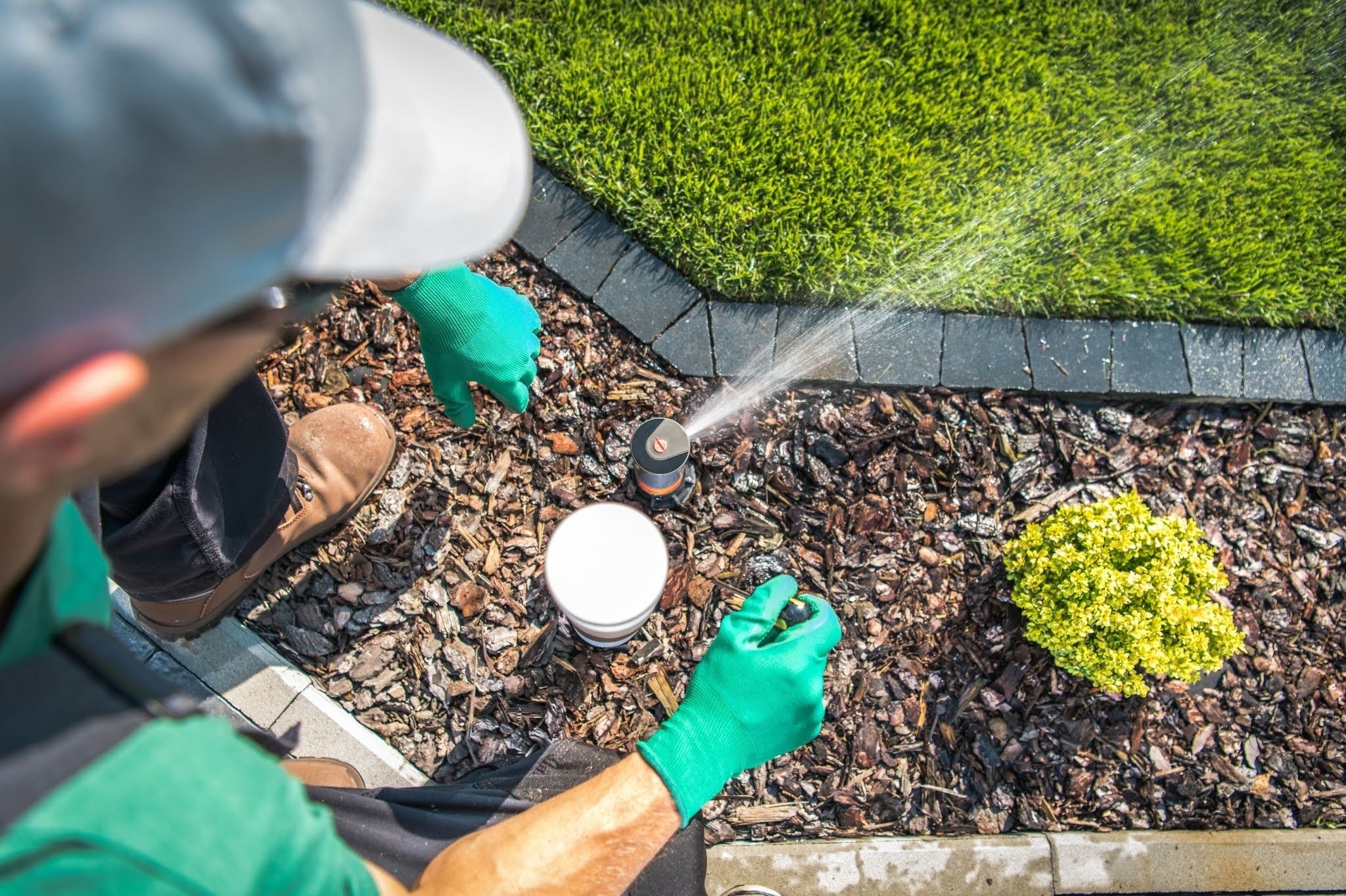
2. Water Is Spraying Onto Sidewalks, Driveways, or Other Hard Surfaces
Your sprinkler system should put water on plants and soil, not pavement.
If a sprinkler sprays across a sidewalk, driveway, patio, fence, or the side of your house, some of that water is being wasted. Water that lands on hard surfaces cannot soak into the landscape and may instead flow toward storm drains or low areas.
This problem can develop gradually. A sprinkler head may get bumped by lawn equipment, shifted by foot traffic, or become misaligned as the landscape changes.
How to Check for Overspray
Turn on each irrigation zone and watch the spray pattern. Pay particular attention to areas where turf meets sidewalks, driveways, curbs, or other hardscapes.
You may be able to correct a minor issue by adjusting the sprinkler head or nozzle. However, persistent overspray can indicate that the sprinkler type, nozzle, pressure, or system layout is not appropriate for the area.
The EPA recommends directing sprinklers toward the landscape and away from pavement. The Irrigation Association likewise recommends setting sprinklers to water plants rather than driveways, sidewalks, patios, or buildings.
If your landscape has been substantially changed since the irrigation system was installed, it may be worth having the system evaluated zone by zone. C&K Landscaping offers zone-by-zone irrigation coverage and sprinkler services for Central Utah properties.
3. Some Areas Are Soaked While Other Areas Stay Dry
Uneven watering is another common sign of irrigation problems.
Ideally, water should be distributed consistently throughout each irrigation zone. If one part of your lawn is constantly soggy while another section turns brown, the problem may not be the amount of water being applied. It could be the way the system distributes that water.
Uneven coverage can result from:
- Incorrect sprinkler spacing
- Clogged or damaged nozzles
- Mismatched sprinkler heads
- Incorrect water pressure
- Poorly adjusted spray patterns
- Changes to the landscape
- Different soil or sun conditions within the same zone
The Irrigation Association explains that an efficient irrigation system should account for factors such as soil type, plant type, sun exposure, sprinkler type, and slope when establishing watering schedules and system operation.
High water pressure can also contribute to poor performance. According to the EPA, excessive pressure can cause misting, fogging, excessive flow, and uneven coverage.
If adjusting individual heads does not solve the problem, an irrigation professional can evaluate the system's distribution and determine whether components need to be repaired, replaced, or repositioned.
4. You Notice Pooling Water or Unexpectedly Wet Areas
Standing water is one of the clearest signs that something may be wrong with your irrigation system.
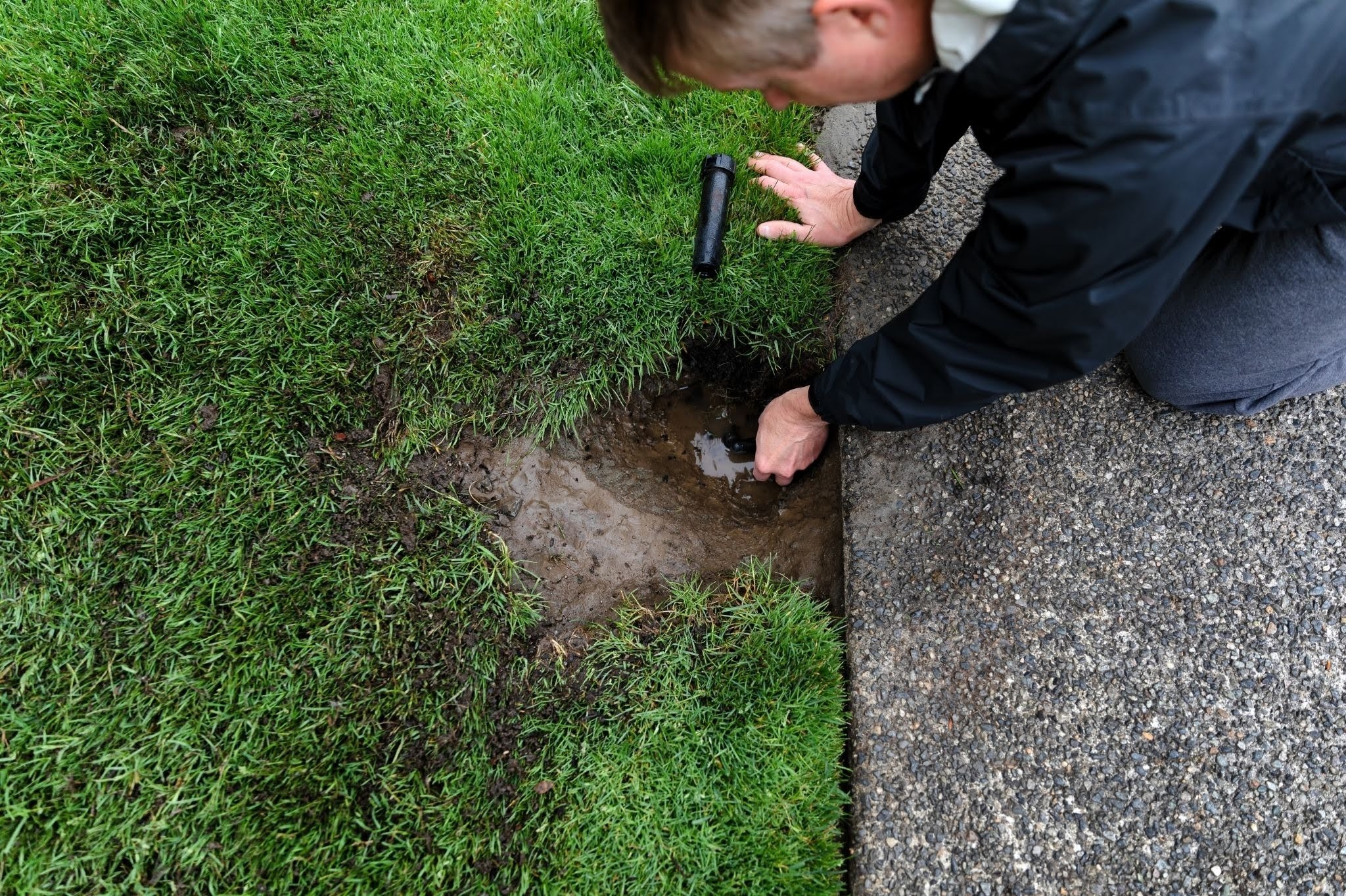
If water pools around a sprinkler head, collects in a low area, or appears in your landscape after the irrigation system has finished running, investigate the source. A leak may be occurring at a sprinkler head, valve, pipe connection, or underground line.
Not every wet area is caused by a leak. Soil conditions, drainage, slopes, and excessive watering can also contribute to pooling. However, persistent or unexplained wet spots should not be ignored.
The EPA notes that pooling water between irrigation cycles can be a sign of an underground leak.
When a Leak Needs Professional Attention
Some visible leaks are relatively straightforward to identify, but underground leaks can be much more difficult to locate. You may need professional irrigation system repair if:
- Water continues flowing after the zone shuts off
- A valve does not close properly
- Water is pooling away from sprinkler heads
- You suspect a broken underground pipe
- A sprinkler zone loses pressure unexpectedly
- Your water usage has increased without an obvious explanation
The EPA recommends checking irrigation systems for leaks and considering professional assistance when problems are difficult to identify or repair.
Prompt sprinkler maintenance in Utah can help catch these problems before a small leak becomes a much larger source of water waste.
5. Your Irrigation Controller Is Outdated or Set to the Wrong Schedule
Even a well-designed sprinkler system can waste water if the controller is programmed incorrectly.
A traditional clock-based controller follows the schedule you give it, regardless of whether the landscape actually needs that much water. Weather changes, seasonal temperatures, rainfall, and changes in plant growth can all affect how much irrigation is appropriate.
If your system is still running on a schedule that was programmed months ago, it may be watering too frequently or for too long.
Signs Your Controller Needs an Adjustment
Look for:
- Watering on rainy days
- Frequent runoff during irrigation
- Watering the same amount throughout the season
- Excessively wet soil
- Lawn or plants showing signs of overwatering
- An irrigation schedule that has not been adjusted for changing weather
The EPA recommends adjusting irrigation schedules based on seasonal conditions and notes that WaterSense-labeled controllers can use weather or soil-moisture information to help determine when watering is needed.
The Irrigation Association also recommends adapting watering schedules to seasonal conditions and programming individual zones according to their specific landscape requirements.
For some homeowners, simply updating the controller schedule may solve the problem. If your controller is outdated or your irrigation zones have different watering requirements, upgrading to a smart controller may be worth considering.
C&K Landscaping offers smart irrigation controllers and Wi-Fi integration as part of its irrigation services.
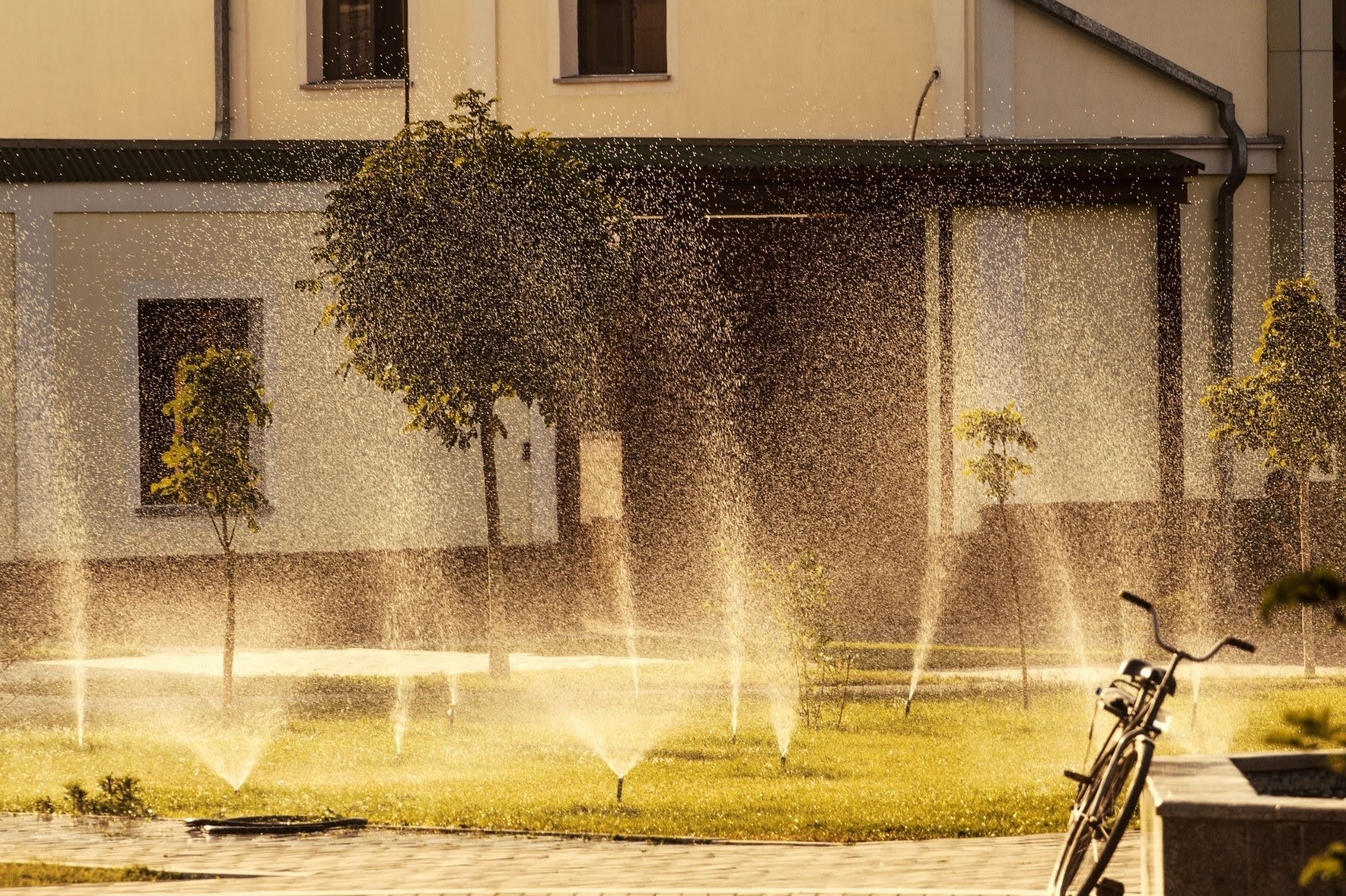
How to Reduce Water Waste From Your Sprinkler System
You do not necessarily need to replace your entire irrigation system to make it more efficient. Start by identifying where water is being lost and determine whether the issue is a simple adjustment or a larger system problem.
A good maintenance routine includes:
- Inspect sprinkler heads regularly. Look for broken, tilted, clogged, or missing components.
- Watch the system while it runs. Check every zone for leaks, overspray, runoff, and uneven coverage.
- Keep water off hardscapes. Adjust sprinkler heads so they target grass, plants, and soil.
- Review your controller settings. Update watering schedules as seasonal conditions change.
- Check for leaks. Look for pooling water and areas that remain unusually wet.
- Consider system upgrades. Pressure-regulated sprinkler components, efficient nozzles, rain sensors, and smart controllers may improve performance when appropriate.
The Irrigation Association recommends monthly inspections for leaks, broken or clogged sprinkler heads, and other problems.
When to Call for Professional Irrigation Service
Some irrigation repairs are simple. Replacing a damaged sprinkler head or adjusting a spray pattern may be something a homeowner can handle with basic tools and a little experience.
Other problems are more complicated. Underground leaks, malfunctioning valves, inconsistent pressure, poor zone design, and recurring coverage problems can require specialized equipment and knowledge.
A professional irrigation inspection can help determine whether your system needs a simple repair, a controller adjustment, component replacement, or a more comprehensive redesign. The Irrigation Association describes irrigation auditing as a process that evaluates system performance, identifies opportunities for improved water efficiency, and develops maintenance recommendations.
For homeowners in Central Utah, C&K Landscaping provides professional irrigation installation, maintenance, and repair, and seasonal irrigation services.
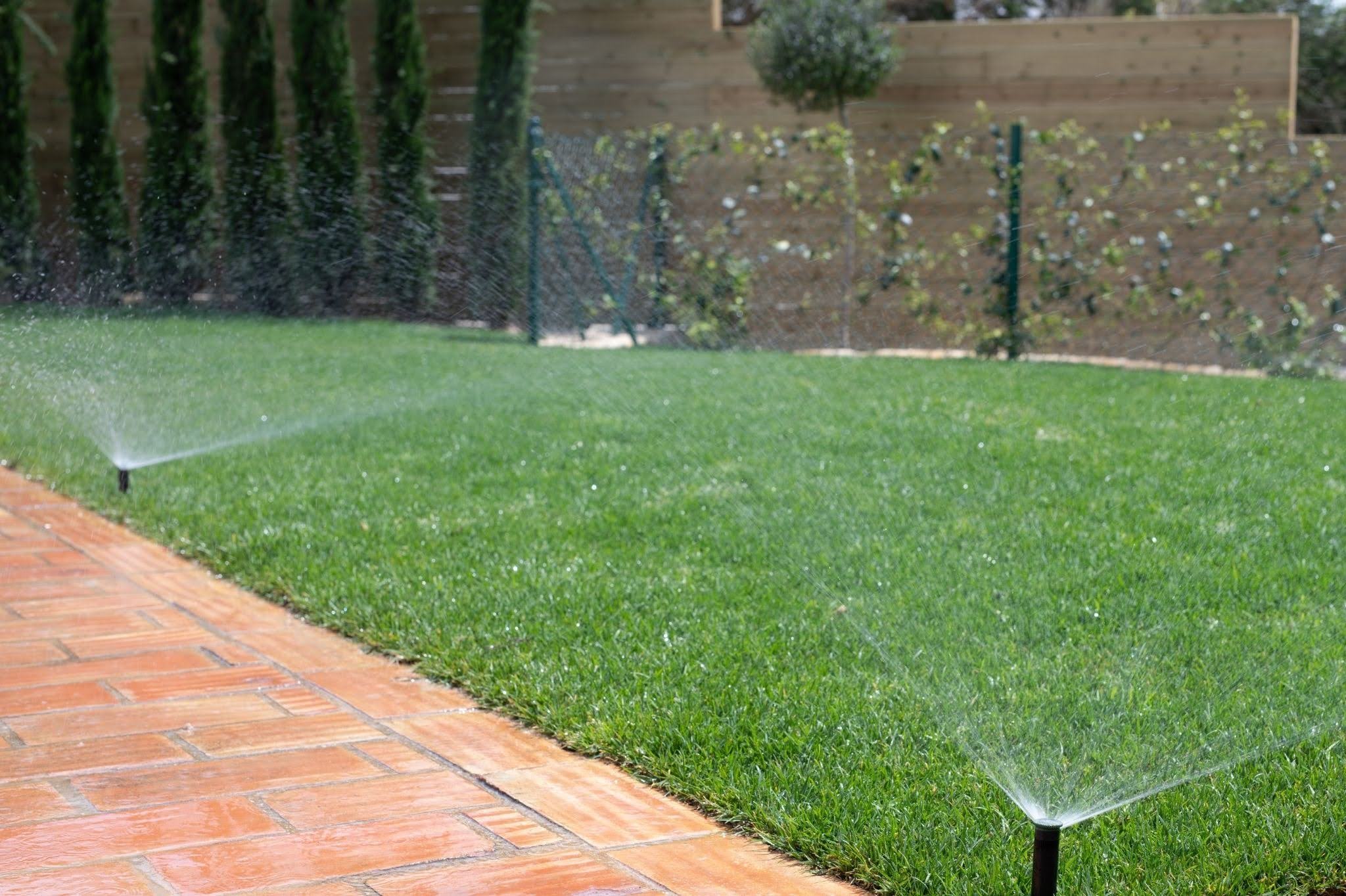
Keep Your Central Utah Landscape Healthy Without Wasting Water
A sprinkler system that is wasting water is often giving you warning signs: broken heads, overspray, uneven coverage, pooling water, or an outdated watering schedule.
Regular sprinkler maintenance in Utah can help identify these issues before they lead to unnecessary water use or landscape damage. Start by running each zone and observing what is happening across your property. If you find a problem that is difficult to diagnose or repair, professional irrigation service can help get the system back to efficient operation.
If your sprinkler system needs an inspection, repair, adjustment, or upgrade, contact C&K Landscaping for a free estimate. C&K Landscaping serves homeowners throughout Central Utah with professional irrigation and landscaping services.
Topics: