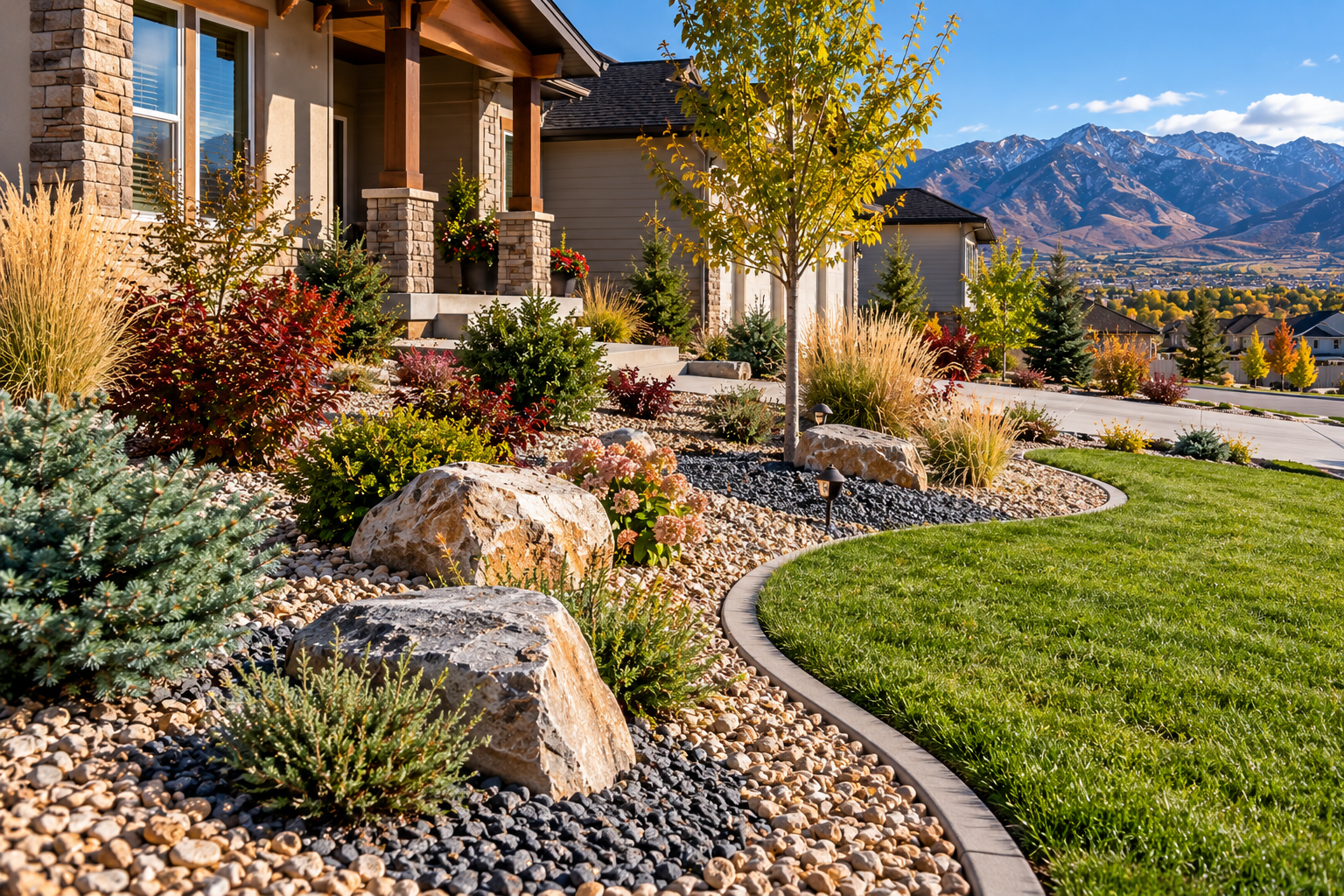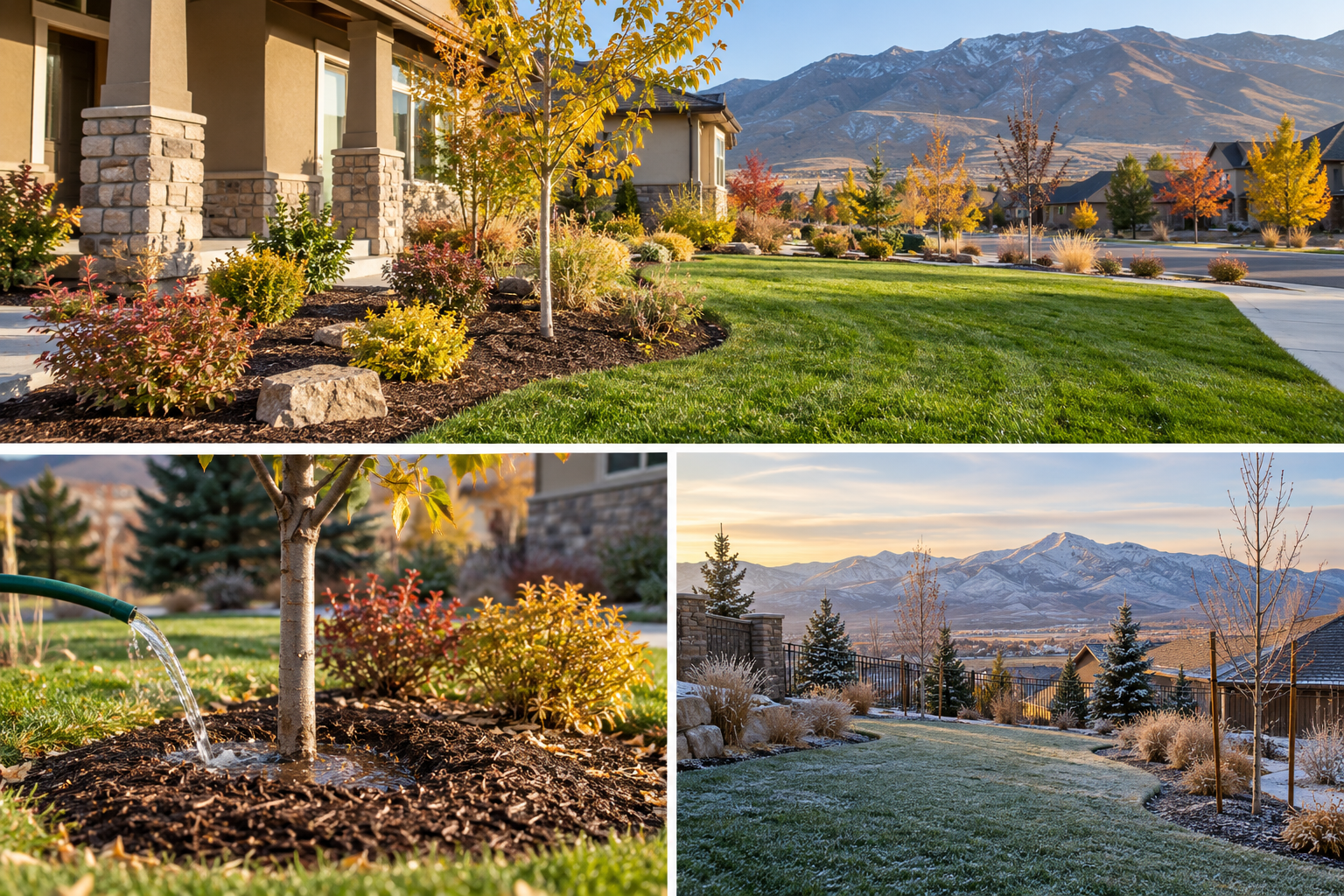

When most people think of a landscaper, they might picture someone mowing lawns or planting flowers. While those tasks are certainly part of the job, professional landscapers do far more than yard maintenance. Their expertise lies in transforming outdoor spaces into functional, beautiful, and sustainable environments.
In this article, we'll explore what landscapers actually do—from design and planning to installation and maintenance—and how hiring a landscaping professional can elevate the value and livability of your property.
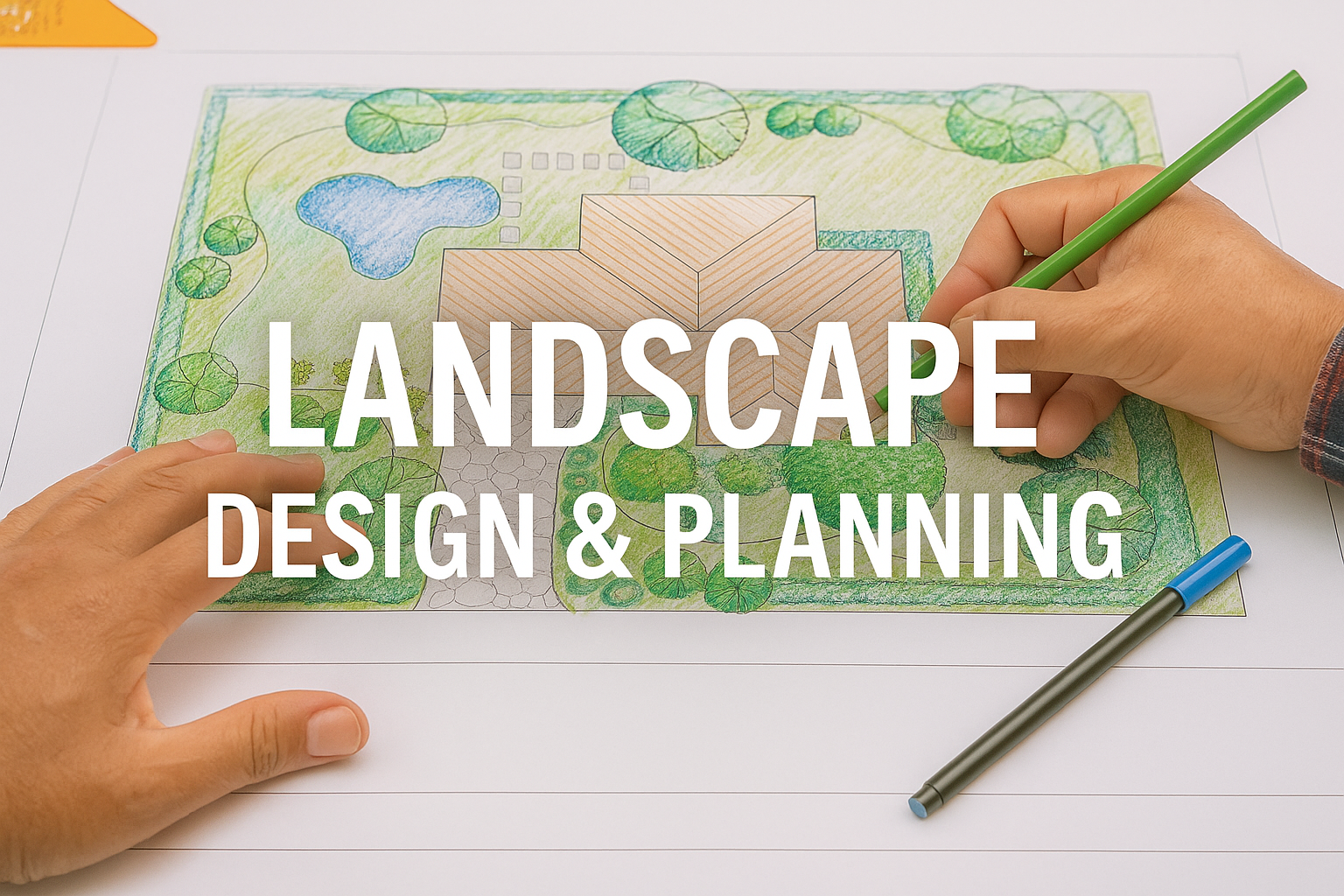
Landscape Design and Planning
A professional landscaper often begins by evaluating the space and consulting with the property owner to understand goals, preferences, budget, and how the space will be used. This phase includes:
- Site analysis: Assessing soil conditions, sun and shade patterns, wind exposure, drainage, and existing structures
- Design development: Creating a scaled landscape design that includes layout, plant selection, hardscapes, lighting, and water features
- Permits and compliance: Ensuring designs meet local regulations, zoning codes, and environmental guidelines
Landscape designers use their training in horticulture, architecture, and environmental science to create blueprints that balance aesthetics with functionality.
Site Preparation and Grading
Before a single plant goes into the ground, a landscaper prepares the site. This includes clearing existing vegetation and debris, grading the soil for proper drainage, amending soil with compost or topsoil, and installing irrigation infrastructure. Proper grading is essential to prevent water pooling and soil erosion, and to ensure that patios, walkways, and garden beds are built on a stable foundation.
Hardscape Installation
Hardscapes are the non-plant elements of a landscape—patios, retaining walls, walkways, fire pits, fences, and pergolas. Landscapers excavate and level areas, pour concrete or install pavers, build retaining walls to manage slopes, and construct outdoor kitchens, fire features, and seating areas. This part of the job requires skilled labor, knowledge of construction techniques, and attention to engineering details.
Plant Selection and Installation
Choosing the right plants for a specific climate, soil type, and light conditions is critical to long-term success. Landscapers select trees, shrubs, perennials, and ground covers suited for the area—considering native and drought-tolerant species for sustainability—and follow proper spacing and planting depth guidelines. A good landscaper also thinks about seasonal interest, bloom times, and how plantings will look as they mature.

Irrigation and Drainage Systems
Water management is one of the most important parts of landscaping. A professional landscaper may install sprinkler systems with smart controllers, drip irrigation for garden beds and xeriscapes, French drains and swales to redirect excess water, and rainwater harvesting systems. These systems help conserve water while ensuring that plants stay healthy through Utah's dry seasons.
Lighting and Electrical Work
Landscape lighting increases safety, extends the usability of outdoor spaces into the evening, and highlights architectural and natural features. Landscapers install pathway lights, uplighting for trees and walls, deck and step lighting, and solar-powered or low-voltage systems.
Lawn Installation and Care
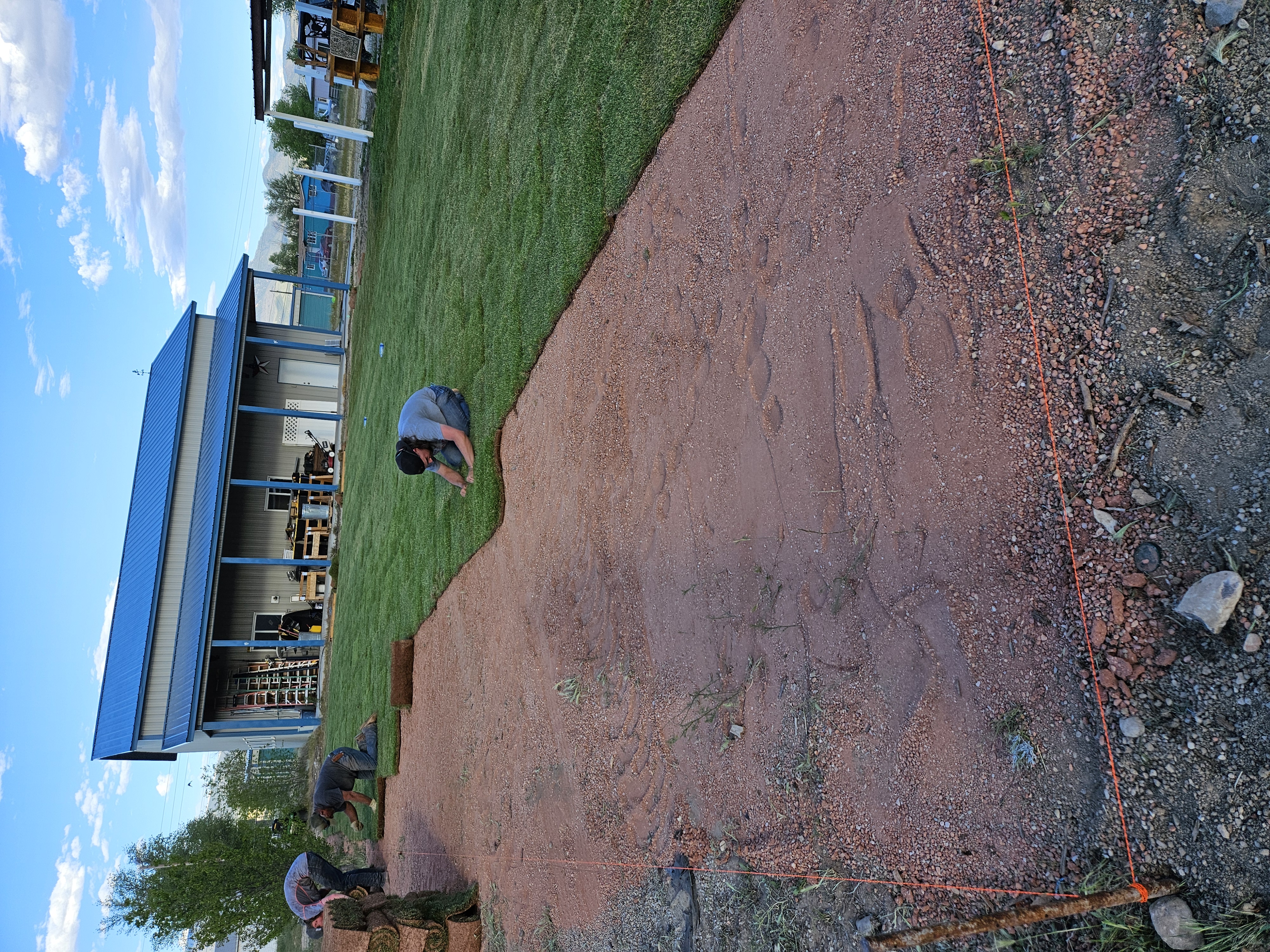
Grass is still a central feature in many Utah landscapes. Landscapers prepare the soil for sod or seed, choose the right turf variety for the climate (e.g., Kentucky Bluegrass, Tall Fescue), install sod rolls or use hydroseeding techniques, and set up regular mowing, fertilization, and aeration schedules. For clients seeking low-maintenance alternatives, landscapers may suggest replacing lawns with ground covers or xeriscaped elements.
Ongoing Landscape Maintenance
Once a project is complete, many clients hire landscapers for routine care including seasonal pruning and trimming, mulch replenishment, pest and weed control, irrigation system checks, and seasonal cleanups. Maintenance is essential for protecting your investment and keeping your property looking its best year-round.
Specialty Services
Many professionals also offer xeriscaping for water-efficient yards, landscape renovation for outdated or overgrown properties, outdoor living enhancements like patios and pergolas, erosion control for hillsides, and stormwater management systems.
Why Hire a Professional Landscaper?
While DIY landscaping projects can be rewarding, they often involve more complexity than expected. A professional landscaper brings technical expertise, access to quality materials and plants, efficient project management, and long-term planning to avoid costly mistakes. Whether you want a new lawn, a custom patio, or a drought-resistant garden, a landscaper can bring your vision to life while enhancing the beauty and value of your home.
📞 Need help with your landscape project in Central Utah? Contact C&K Landscaping today to schedule a consultation and see how we can turn your outdoor space into something exceptional.
Topics: