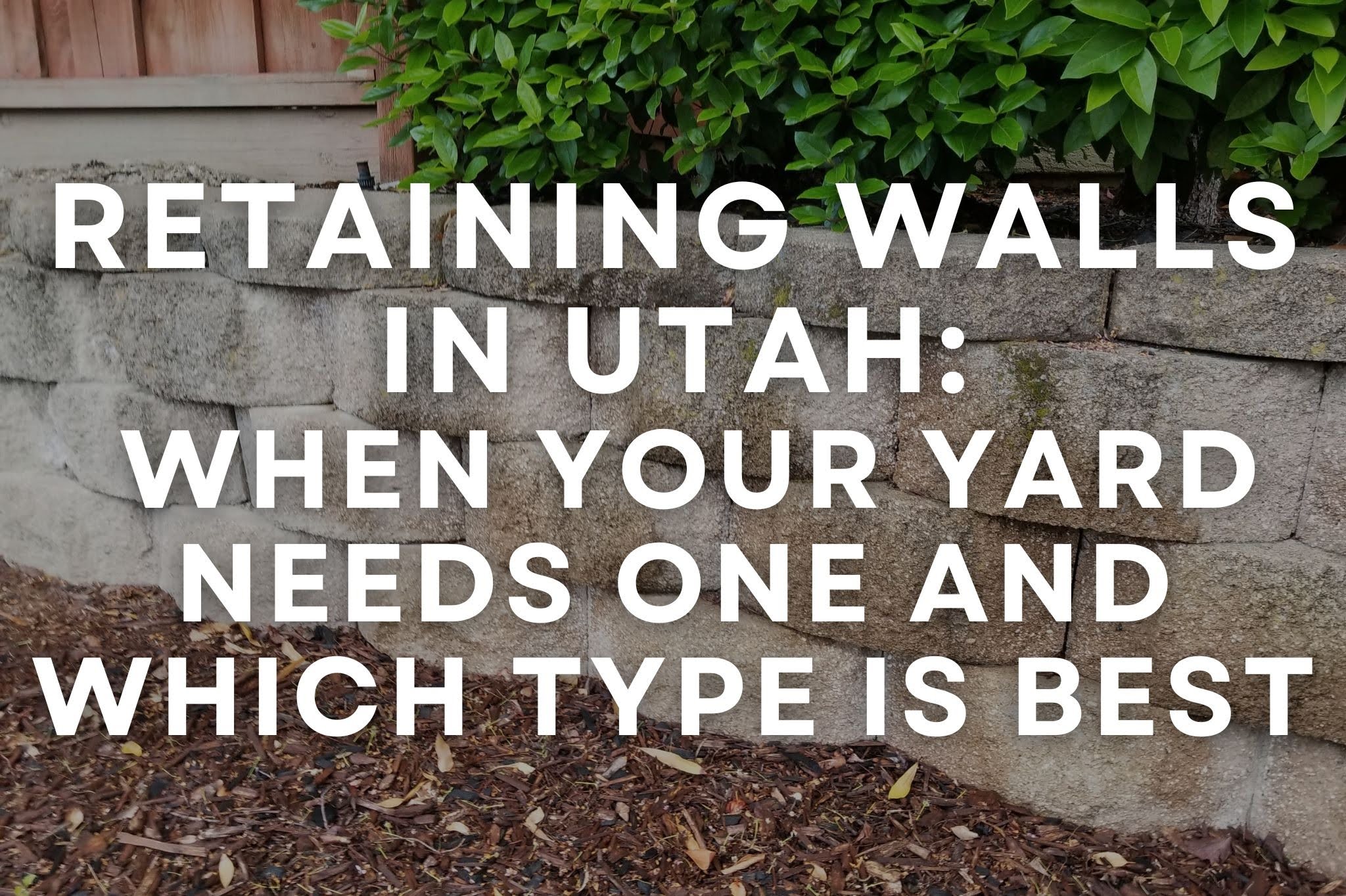
Utah's varied terrain can create some unique landscaping challenges. Sloped yards, soil erosion, drainage problems, and uneven outdoor spaces can make it difficult to create a landscape that is both functional and attractive. For many homeowners, a retaining wall can provide a practical solution while also improving the overall appearance and usability of the property.
But how do you know when your yard actually needs a retaining wall? And with so many materials and designs available, how do you choose the right one?
In this guide, we'll explain when retaining walls in Utah may be beneficial, the most common types of retaining walls, what affects retaining wall cost, and why proper drainage and installation are important.
What Is a Retaining Wall?
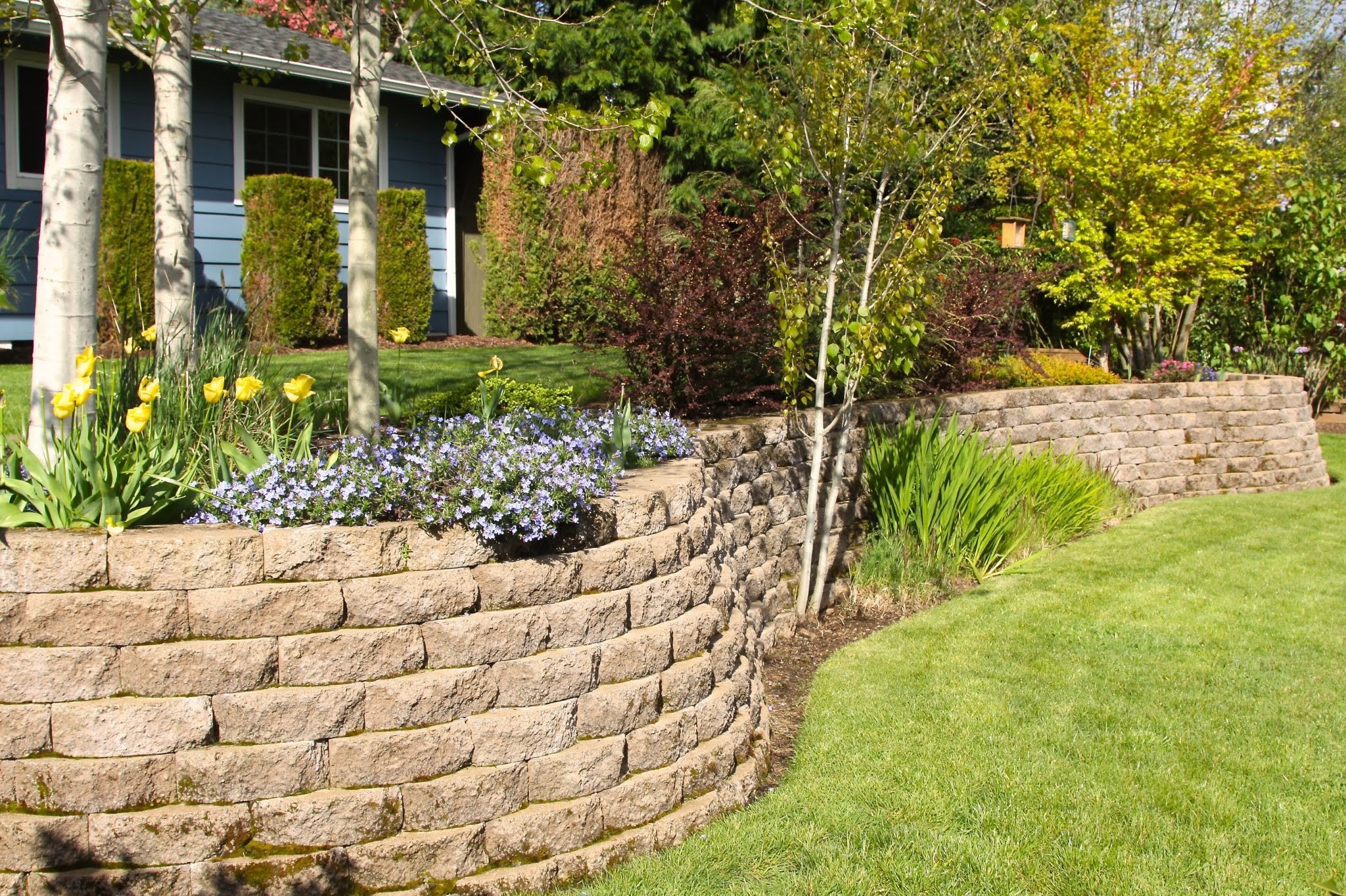
A retaining wall is a structure designed to hold soil in place and create a change in elevation within a landscape. Instead of allowing soil to naturally move downhill, the wall provides structural support and creates a more controlled transition between different levels of the yard.
Retaining walls can be relatively simple landscape features or more substantial structures designed to manage significant elevation changes. Their purpose isn't limited to holding back soil. A properly designed wall can help homeowners create usable areas, address erosion, define planting beds, and improve the overall layout of a sloped property.
For homeowners considering a larger landscape project, a retaining wall can also be incorporated into a broader landscape design to create a more functional outdoor space.
When Does a Utah Yard Need a Retaining Wall?
Not every sloped yard requires a retaining wall. However, there are several situations where one may provide significant benefits.
1. Your Yard Has a Steep Slope
Sloped properties can be difficult to landscape and maintain. A steep slope may limit where you can place grass, planting beds, patios, walkways, or other outdoor features.
A retaining wall can divide a steep slope into more manageable levels. This can create additional usable space while making the landscape easier to design and maintain.
In some cases, multiple shorter walls can be used to create a series of terraces rather than one large wall. The appropriate approach depends on the property's slope, soil conditions, drainage, available space, and overall landscape design.
2. You Are Experiencing Soil Erosion
Erosion occurs when soil is displaced by forces such as water or wind. Sloped areas can be particularly vulnerable because water moving downhill can carry soil away over time.
The USDA Natural Resources Conservation Service provides extensive information about soil conservation and erosion management. Its resources explain how structural and vegetative practices can be used to help protect soil from erosion.
A retaining wall may help stabilize a landscaped slope by changing the way soil is held and supported. However, erosion problems should be evaluated as part of the entire landscape and drainage system rather than treating the wall as a standalone solution.
3. Water Is Affecting Your Landscape
Drainage is one of the most important considerations when designing a retaining wall.
Water that collects behind a retaining wall can create hydrostatic pressure against the structure. Without appropriate drainage, that pressure can contribute to movement, cracking, or failure of the wall.
That's why retaining wall drainage design should account for where water comes from, where it needs to go, and how the area behind the wall will drain.
4. You Want More Usable Outdoor Space
A retaining wall can do more than solve a structural problem. It can help transform an awkward slope into functional outdoor space.
For example, a homeowner may use retaining walls to create:
- A level lawn area
- Garden or planting beds
- A patio
- A seating area
- Walkways
- Terraced landscaping
- Defined areas within a larger landscape
This makes retaining walls particularly useful when homeowners want to get more functional space from a sloped property.
Common Types of Retaining Walls
There isn't one retaining wall material that is best for every Utah property. The right choice depends on factors such as the height of the wall, soil conditions, drainage, appearance, durability, and budget.
Concrete Block Retaining Walls
Concrete block is a popular option for residential retaining walls because it provides a clean, structured appearance and can be used in a variety of landscape designs.
Manufactured retaining wall blocks are available in different colors, textures, shapes, and sizes, making it possible to coordinate the wall with other hardscape features.
Concrete block can be especially appropriate for homeowners who want a finished, contemporary appearance while still having flexibility in the overall design.
Natural Stone Retaining Walls
Natural stone can provide a more organic appearance that blends naturally with surrounding landscaping.
Because every piece of natural stone is different, these walls can have a distinctive appearance and work particularly well in landscapes designed around natural materials.
Natural stone can also be incorporated with planting areas, pathways, and other landscape features to create a cohesive design.
Timber Retaining Walls
Timber is another material that has historically been used for retaining walls. It can provide a warm, natural appearance and may work well in certain landscape designs.
However, wood is exposed to moisture, soil, insects, and weather over time. The expected lifespan and maintenance requirements should therefore be considered when comparing timber with masonry or concrete-based options.
Terraced Retaining Walls
Instead of building one large wall, a property may sometimes benefit from multiple walls separated by landscaped areas.
This approach, often called terracing, can make a steep yard more manageable while creating additional planting opportunities and visual interest.
Terraced retaining walls can be particularly attractive on properties with significant elevation changes, but their design still needs to account for drainage, soil stability, wall placement, and the forces acting on each structure.
How to Choose the Right Retaining Wall
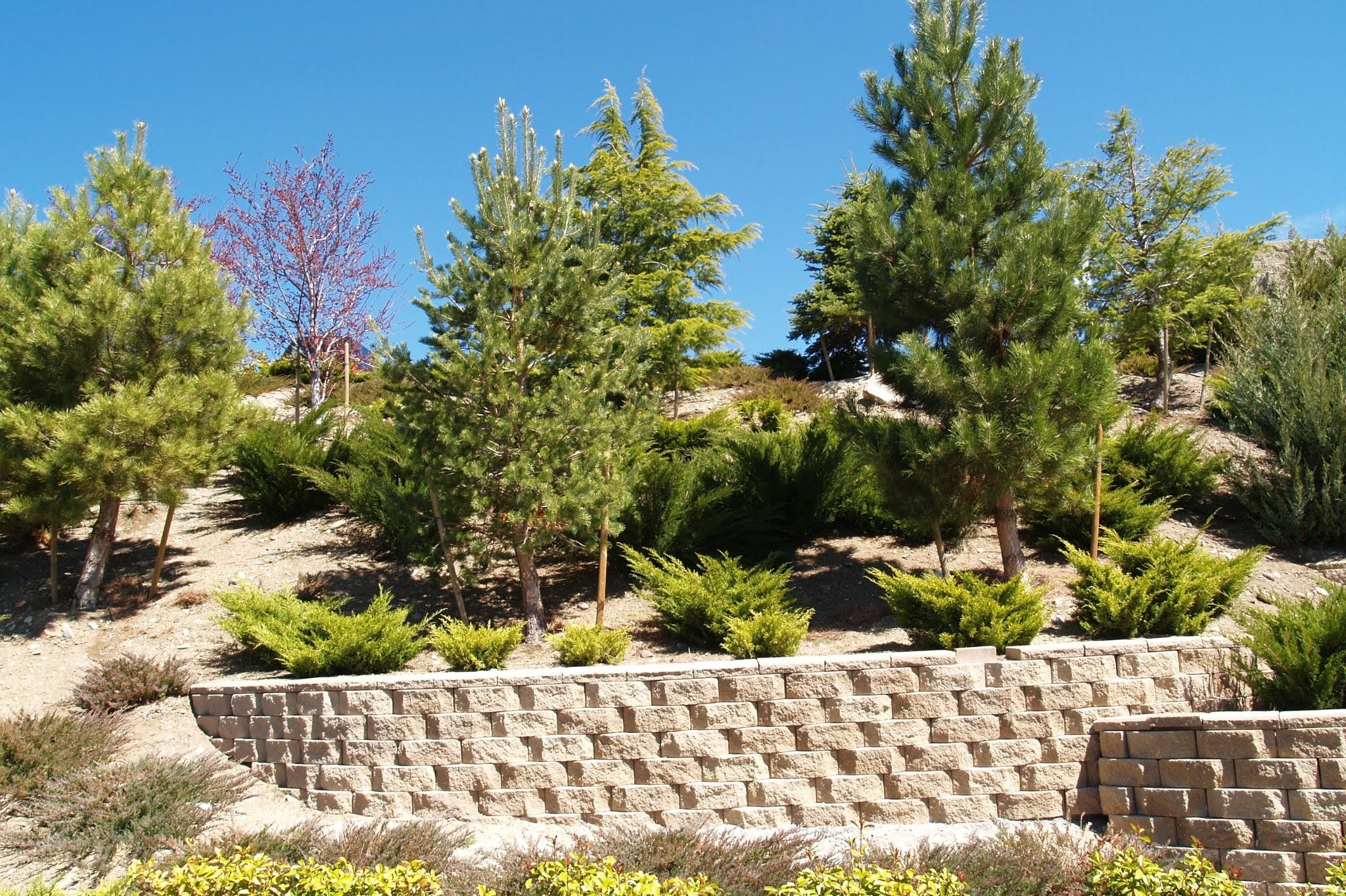
Choosing between different types of retaining walls involves more than selecting the material you like best.
Consider these factors before beginning a project:
Slope and Elevation
How much elevation needs to be retained? A small elevation change may require a very different solution than a steep hillside.
Soil Conditions
The type and condition of the soil can affect how a retaining wall should be designed. Utah properties can have very different soil characteristics depending on the location.
The USDA NRCS provides Utah-specific soil information and soil survey resources that can help illustrate why understanding local soil conditions matters.
Drainage
Water management should be considered before construction begins. A retaining wall needs to be designed with appropriate drainage so water doesn't build up behind the wall.
Appearance
The wall should complement the rest of the property. Consider the colors, textures, materials, and architectural style already present in your home's landscaping.
Long-Term Durability
Different materials have different maintenance requirements and expected lifespans. A material that looks attractive initially may not necessarily be the best choice for every location.
Budget
Retaining wall cost in Utah can vary substantially from one project to another. Factors that can affect the total price include:
- Wall height
- Wall length
- Materials
- Site accessibility
- Amount of excavation required
- Soil conditions
- Drainage requirements
- Grading
- Labor
- Engineering or permitting requirements
- Additional landscaping or hardscaping
Because every property is different, homeowners should be cautious about relying on a generic price-per-square-foot estimate when planning a retaining wall project.
Do Retaining Walls Require a Permit in Utah?
Retaining wall requirements can depend on the height and design of the wall as well as the jurisdiction where the property is located.
Utah's state construction code includes provisions related to retaining walls. Under the residential code amendments, certain retaining walls under four feet may fall under an exception, provided they meet the applicable requirements and conditions.
Because permitting and construction requirements can vary, it's a good idea to determine what applies to your property before construction begins.
Why Drainage Matters So Much
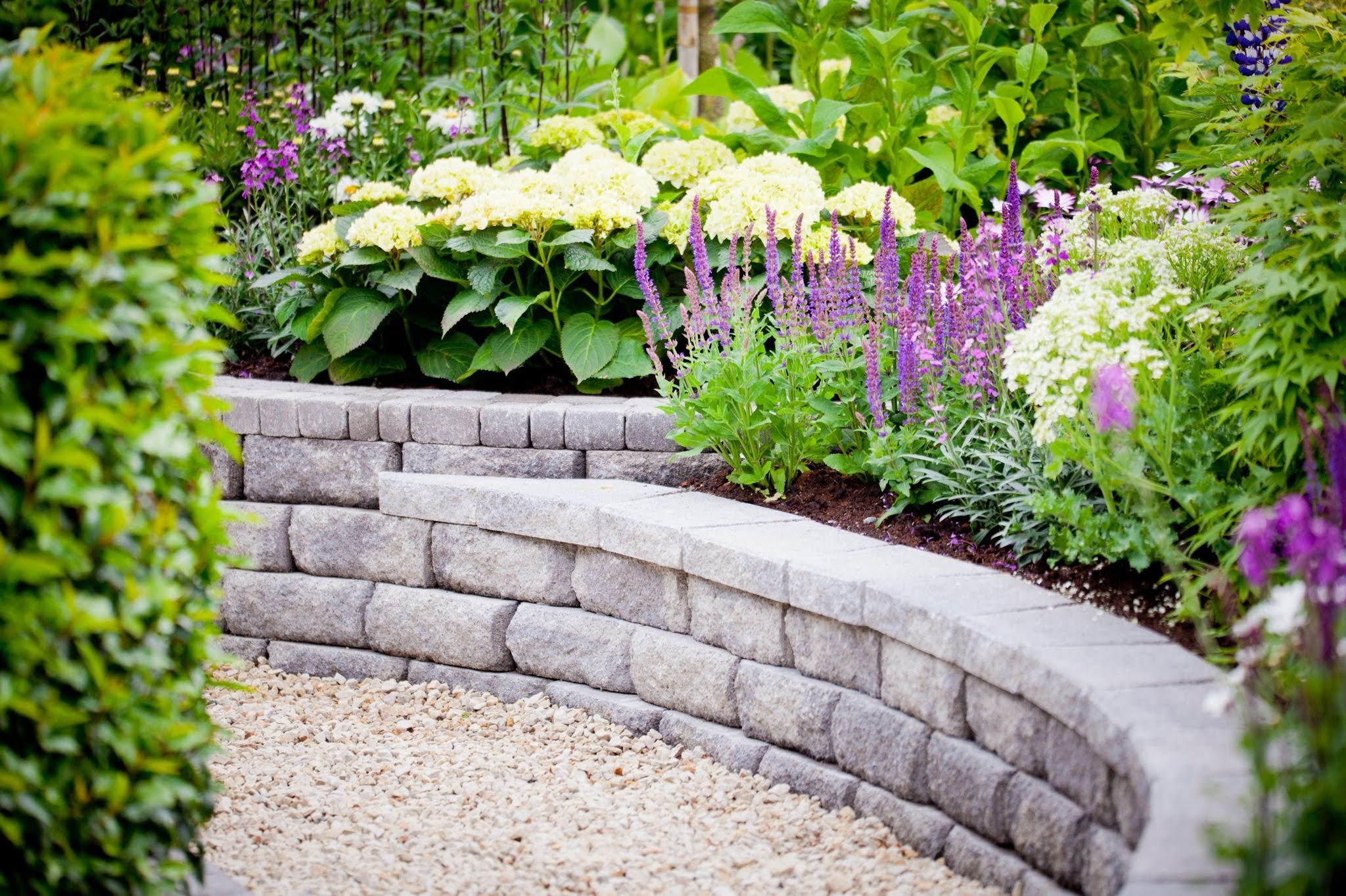
One of the biggest mistakes homeowners can make is thinking about the visible portion of a retaining wall without considering what is happening behind it.
Water needs a controlled path away from the wall. If drainage isn't properly addressed, water can accumulate behind the structure and increase pressure against the wall.
Drainage should therefore be considered during the planning and installation process rather than added as an afterthought.
This is particularly important for Utah properties where a landscape may experience periods of heavy precipitation followed by dry conditions. Understanding the property's grading and water movement can help create a more durable landscape solution.
When Should You Hire a Professional?
A retaining wall may look like a straightforward landscaping project, but larger or more complicated walls can involve significant structural and drainage considerations.
Professional assistance can be especially valuable when:
- The wall will be relatively tall.
- The property has a steep slope.
- Significant amounts of soil need to be moved.
- Water or drainage is already a problem.
- The wall will be near a home or other structure.
- Multiple retaining walls will be terraced together.
- The project requires grading or additional hardscaping.
- You're unsure about local permitting requirements.
A professional landscaping contractor can evaluate the property as a whole and help determine how a retaining wall should fit into the larger landscape.
Retaining Walls Can Do More Than Hold Back Soil
A well-planned retaining wall can become an important part of a property's overall landscape design. It can help manage slopes, reduce erosion concerns, create usable space, define planting areas, and improve the visual structure of a yard.
The key is choosing a solution that matches the property's slope, soil, drainage, design, and long-term needs.
If you're considering retaining wall installation in Utah, C&K Landscaping can help you evaluate how a retaining wall could fit into your landscaping plans. From functional slope management to attractive outdoor spaces, professional planning can help ensure the finished project works with the rest of your landscape.
Final Takeaway
Retaining walls can be an effective way to address sloped yards, soil erosion, drainage challenges, and unused outdoor space. The best wall for your property will depend on factors such as elevation, soil, drainage, materials, appearance, and budget.
Before choosing a material or beginning construction, consider having your property evaluated by an experienced landscaping professional. A properly planned retaining wall can provide both practical benefits and lasting visual appeal.
Topics: