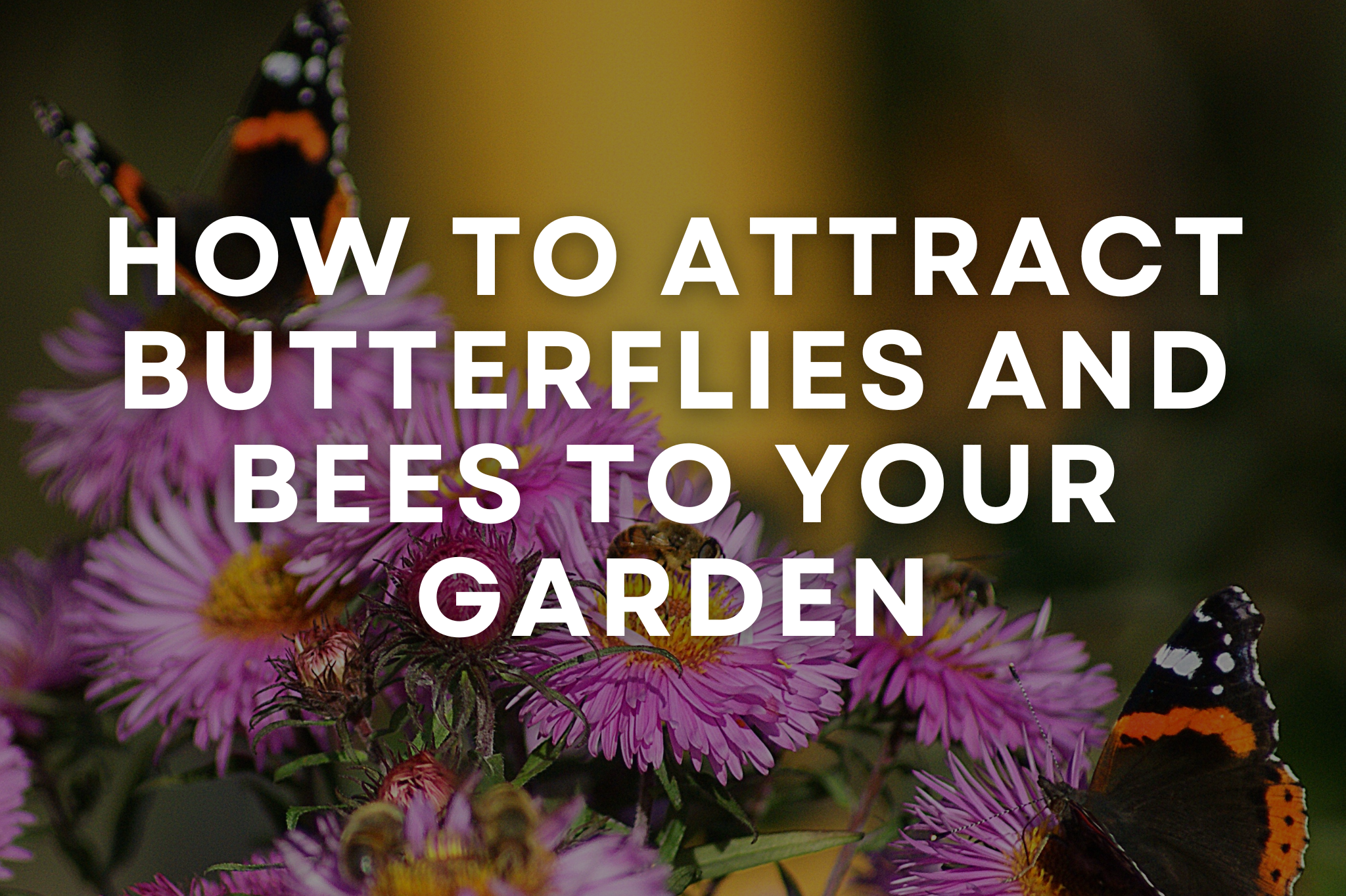
At C & K Landscaping, we believe a truly thriving yard is about more than just green grass. It is about creating a living, breathing ecosystem. In Southern Utah, where the desert climate challenges traditional gardening, one of the most rewarding transformations you can make is turning your landscape into a habitat for butterflies and bees.
These pollinators are the backbone of a healthy garden. Without them, flowers don't fruit, vegetables don't produce, and your landscape loses its vitality. Here is the exact blueprint to bring them home.
Why Focus on Butterflies and Bees?
Many homeowners see bees as a nuisance and butterflies as a rarity. In reality, they are indicators of success. A yard buzzing with activity is a yard that is chemically balanced, properly watered, and biologically diverse.
By designing specifically for butterflies and bees, you solve three problems at once:
- Higher yields from fruit trees and vegetable beds.
- Natural pest control (more pollinators attract beneficial predatory insects).
- Continuous blooms from spring through fall.
Step 1: Plant for "Continuous Bloom"
Butterflies and bees need food from early spring (March/April) to late fall (October/November). In St. George, Cedar City, and surrounding areas, the heat can kill shallow-rooted annuals. You need hardy perennials.
Top plants for Southern Utah:
- **For Bees:** Russian Sage, Lavender, and Catmint. Bees cannot resist the tiny, clustered purple flowers.
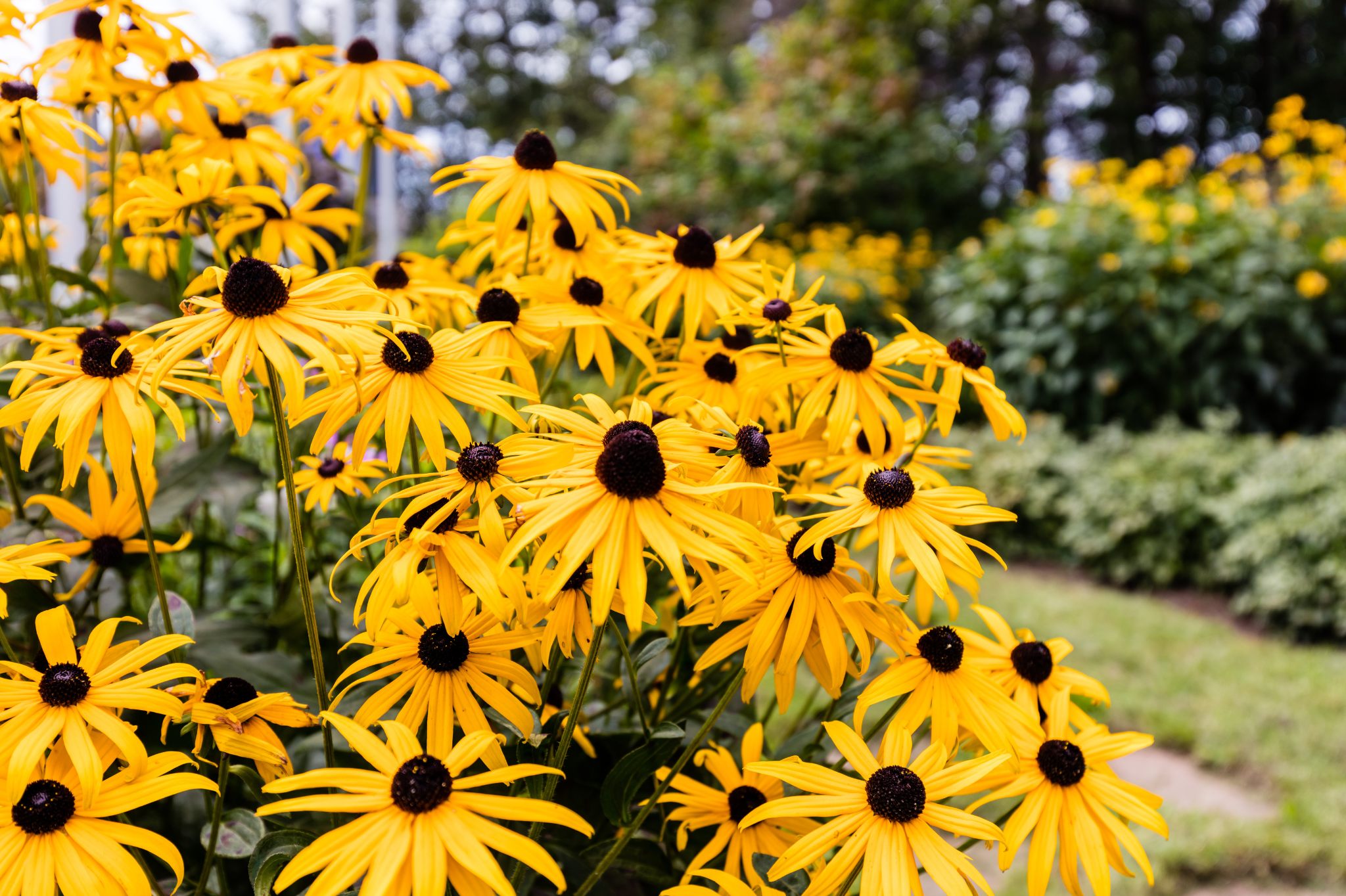
- **For Butterflies:** Butterfly Bush (Buddleia), Milkweed (critical for Monarchs), and Coneflowers.
- **For Both:** Black-eyed Susans and Penstemon (a Utah native).
Pro tip: Plant in drifts (clumps of 3–5 of the same plant). Butterflies and bees have poor long-distance vision. A single flower is invisible, but a "carpet" of color is a landing beacon.
Step 2: Provide Water (Without Drowning Them)
You cannot attract butterflies and bees without hydration. However, standard birdbaths are death traps for bees (they slip and drown).
The C&K Solution:
- **For Bees:** Place a shallow dish with pebbles or marbles in a shaded bed. Fill it just to the top of the rocks. The bees stand on the rocks to drink.
- **For Butterflies:** They practice "puddling" (drinking minerals from mud). Keep a consistently damp patch of soil near your drip irrigation lines.
.png)
Step 3: Stop the Chemical War
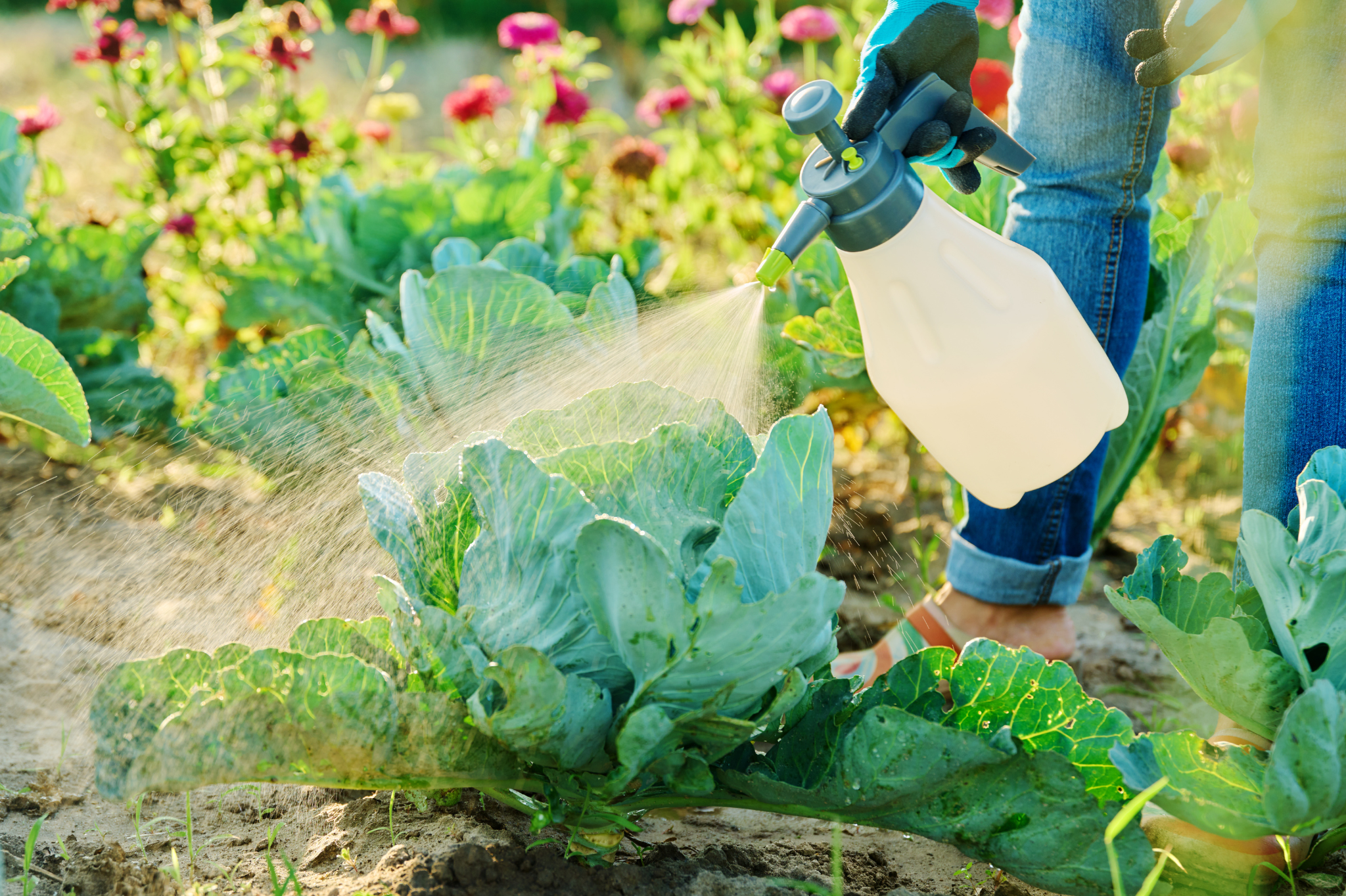
This is non-negotiable. If you hire a company that sprays broad-spectrum insecticides, you will never attract butterflies and bees. These chemicals do not distinguish between a pest beetle and a pollinator.
At C & K Landscaping, our maintenance plans prioritize Integrated Pest Management (IPM). We use targeted treatments that kill the bad bugs without harming the good ones.
- **Avoid:** Neonicotinoids and pyrethroids.
- **Use:** Horticultural oils or insecticidal soaps (applied at dusk when bees are asleep).
Step 4: Create "Shelter" Zones
Southern Utah winds and summer storms are harsh. Butterflies and bees need shelter to survive.
- **Leave a messy corner:** A small pile of dead branches or unmown grass gives bees a place to nest.
- **Undisturbed soil:** 70% of native bees nest in the ground, not in hives. Leave a 3x3 foot patch of bare, un-mulched dirt for them to dig into.
Design That Works for You (Not Against You)
You might be thinking, "I want pollinators, but I don't want a wild, messy jungle." Neither do we.
The C&K approach merges modern xeriscaping with pollinator zones. We install hardscaped borders (stone or gravel) that contain the "wild" areas. This gives you a manicured, modern look with designated pollinator beds tucked near patios or property lines.
The result: You sit on your patio with coffee, watching butterflies and bees work the flowers three feet away, while the rest of your yard remains pristine and tidy.
Attracting butterflies and bees is not difficult. It requires three specific actions: stop spraying poison, plant the right flowers, and add a water source.
Whether you are starting from a bare dirt lot in Washington County or retrofitting an old lawn in Iron County, C & K Landscaping can build the hardscape and plant the bioswales necessary to make your garden a certified pollinator haven.
Ready to stop fighting your yard and start working with nature? Schedule your free estimate today.
Topics: