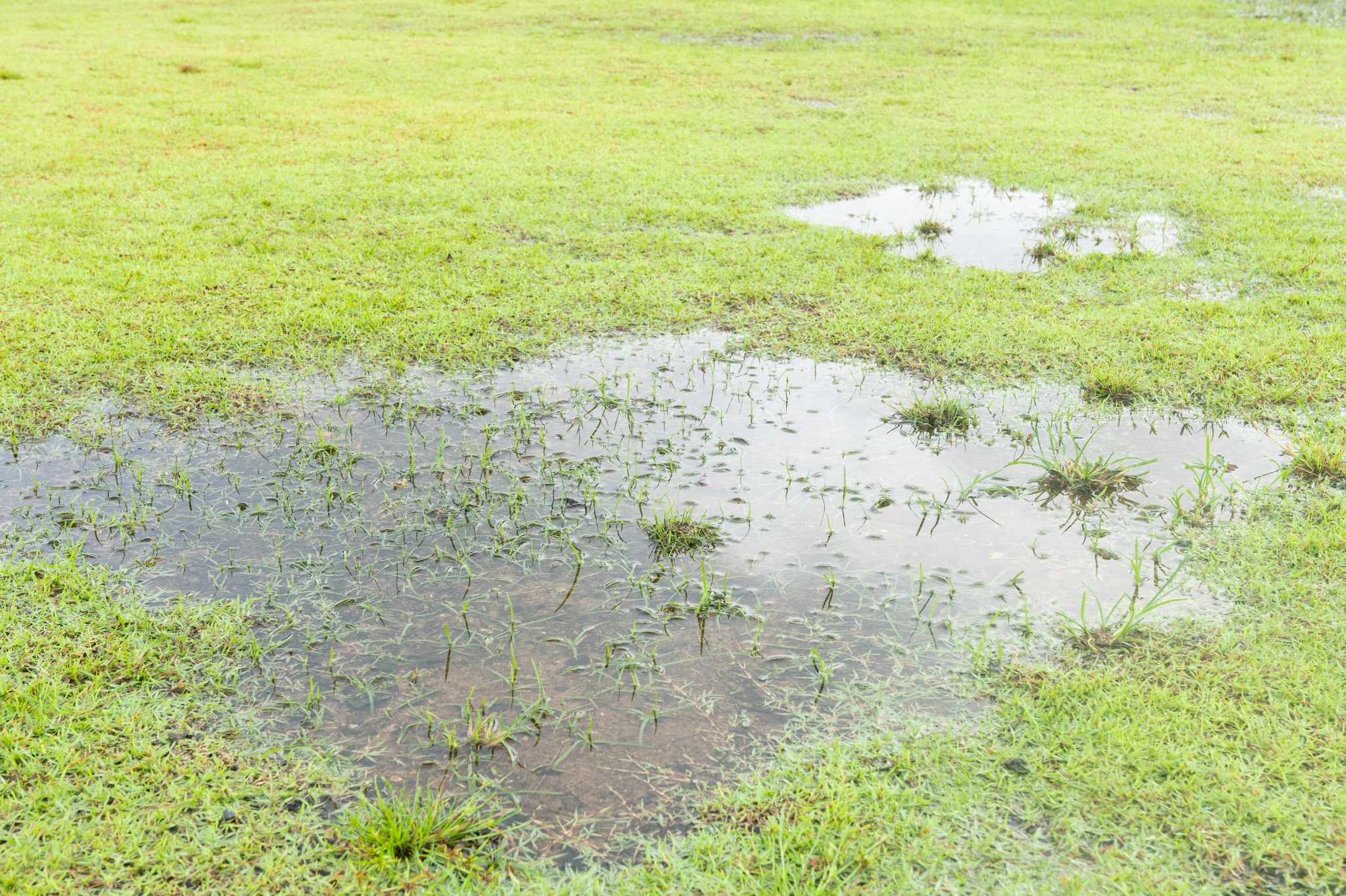
A beautiful, healthy lawn is the goal for most homeowners. But sometimes, after a heavy rain or even a regular watering cycle, you might notice something frustrating: standing water. Persistent water pooling can lead to muddy patches, dying grass, mosquito infestations, and even foundation issues over time. The good news? It's a fixable problem.
At C&K Landscaping, we help homeowners across Southern Utah transform these troublesome spots into functional parts of their landscape. Here's a practical guide on how to prevent water pooling and protect your outdoor space.
1. Improve Your Soil Composition
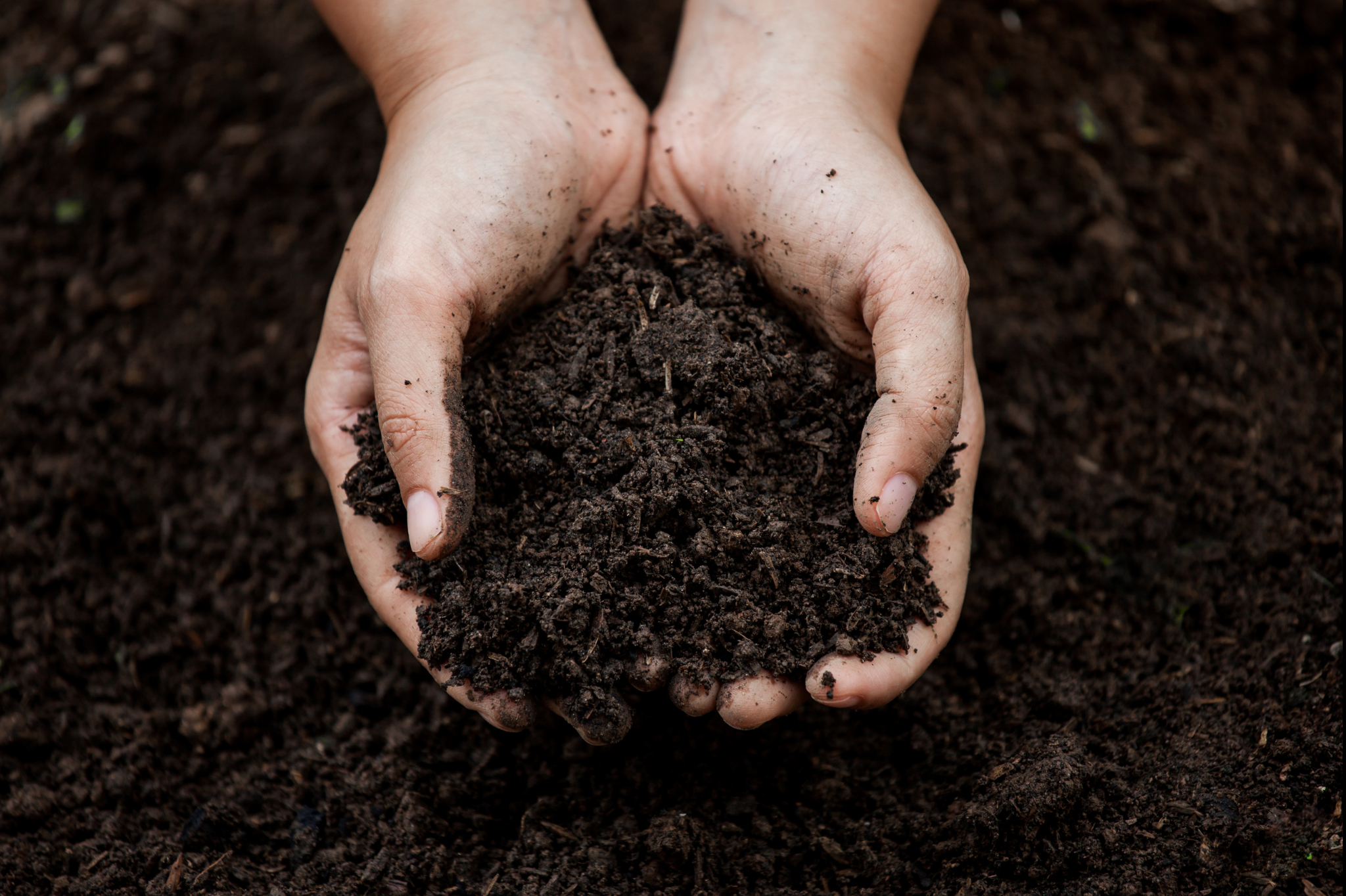
One of the most common causes of water pooling is poor soil. In many parts of Southern Utah, soil can be heavy in clay. While clay holds nutrients well, it drains poorly—when saturated, water has nowhere to go, creating puddles that take days to disappear.
The Solution: Amending your soil is a long-term fix. Integrating organic compost or sand into the existing soil improves its structure, allowing water to percolate down instead of sitting on the surface. For larger areas, core aeration can also help by breaking up compacted soil and giving water a path to seep through.
2. Adjust Your Grading
Your yard should have a gentle slope that directs water away from your home's foundation and toward the street, a drain, or a rain garden. If your yard is flat or slopes toward your house, you will inevitably experience water pooling.
The Solution: Regrading involves adding topsoil to low spots and sculpting the land to create a proper drainage plane. When we design landscapes at C&K, we always consider the natural flow of water to ensure your yard is both beautiful and structurally sound.
3. Install a French Drain or Catch Basin
For areas where topography or surrounding structures make regrading difficult, a drainage system is the answer. If water pools consistently in a specific spot—next to a patio, driveway, or at the bottom of a hill—the ground simply may not absorb water fast enough.
French Drains are trenches filled with gravel and a perforated pipe that captures surface and groundwater and redirects it to a safe discharge point. Catch Basins are drains installed at the low point of a yard that collect standing water and channel it away through underground pipes. Proper drainage systems not only solve water pooling but also protect your hardscaping and plantings from water damage.
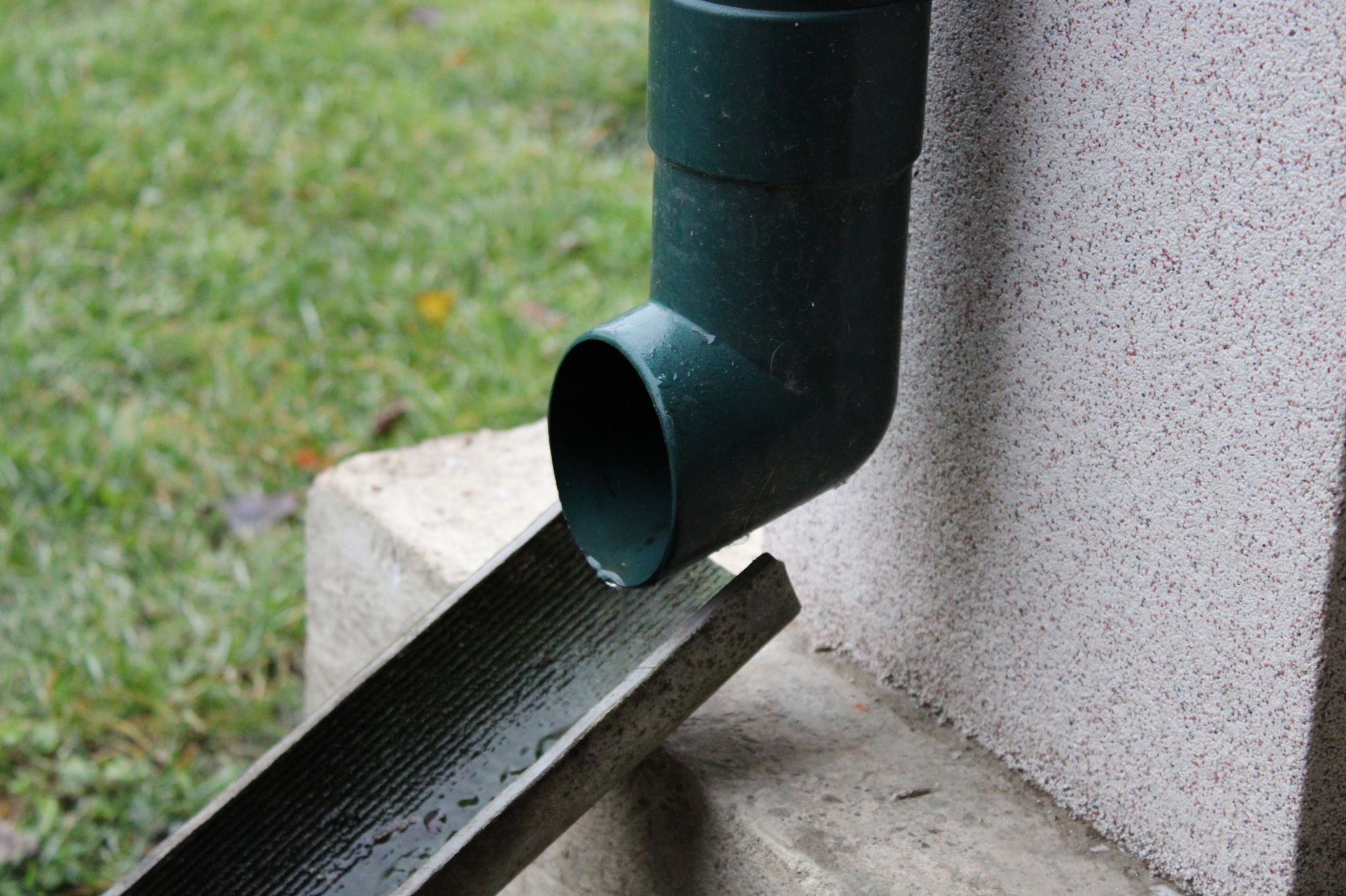
4. Extend Your Downspouts
Sometimes the source of pooling isn't the ground itself—it's your roof. During a storm, gutters funnel a massive amount of water into a concentrated area. If downspouts discharge right next to the foundation, that water often pools there or runs into the nearest low spot in your lawn.
The Solution: Ensure your downspouts extend at least 4–6 feet away from your home. Attach flexible extensions or rigid pipes to move water further into the yard where it has more space to be absorbed, or direct it into a drainage system.
5. Create a Rain Garden
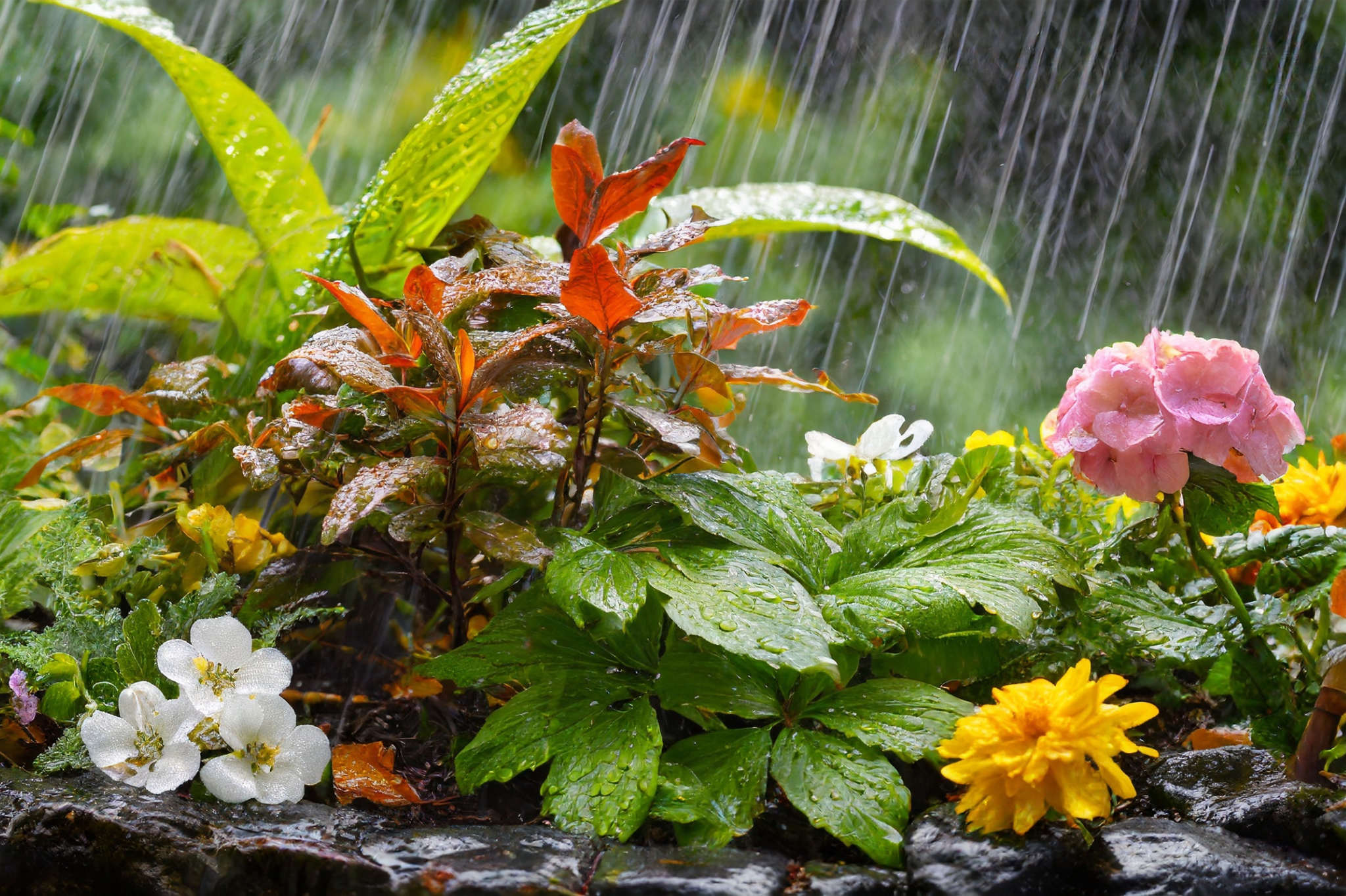
If you have a low spot that naturally collects water, consider turning that problem area into a feature. A rain garden is a shallow, planted depression designed to absorb runoff from roofs, driveways, and lawns.
The Solution: By choosing native, water-loving plants, you create a garden that acts as a natural sponge—capturing water pooling in that area, filtering it, and allowing it to soak slowly into the ground. It's an environmentally friendly solution that adds beauty and biodiversity to your yard.
6. Maintain Your Irrigation System
Sometimes water pooling is caused by a broken sprinkler head or a leak in the irrigation line. A head spraying in the wrong direction or a cracked pipe can dump gallons into one tiny area without you realizing it.
The Solution: Regularly inspect your system. Look for heads that are misting instead of spraying, or areas of the lawn that are extra spongy even when it hasn't rained. At C&K, we specialize in irrigation system maintenance to ensure your watering is efficient and doesn't contribute to drainage problems.
Why It Pays to Fix Water Pooling
Ignoring standing water can lead to more than just a soggy lawn. It attracts mosquitoes, can kill grass and plants by drowning their roots, and in the long term can compromise the integrity of your patio, walkways, and even your home's foundation. By addressing water pooling proactively, you're investing in the longevity and usability of your entire property.
At C&K Landscaping, we don't just mow lawns—we solve problems. If you're tired of dealing with muddy messes and standing water, we can help. We'll walk your property, listen to your frustrations, and create a custom plan to get your yard back on track.
Schedule your free estimate today and let's build a landscape that works as hard as you do.
Topics: