
For many homeowners, the sight of pests in their yard is more than a nuisance—it's an invasion. While reaching for chemical sprays might be the first instinct, a more effective and sustainable solution is often right outside your window. At C&K Landscaping, we know that a well-designed outdoor space isn't just beautiful; it's your first and most powerful line of defense against unwanted critters.
The principle is simple: your landscape can either attract pests or repel them. By understanding the relationship between plants, soil, water, and pests, you can create an environment that naturally minimizes infestations, protecting your home and family. Pests enter your yard seeking three things: food, water, and shelter. Strategic landscaping for pest control flips the script by eliminating these invitations.
1. Plant Choice is Your Primary Weapon
Not all plants are created equal. Many aromatic herbs and flowers are nature's own repellents.
Mosquito Deterrents: Lavender, citronella grass, marigolds, and rosemary emit scents that flying pests avoid. Tick and Flea Repellents: Cedar mulch's natural oils deter ticks and fleas, and plants like mint and sage can also help. Aphid and Beetle Control: Chrysanthemums contain pyrethrin, a natural insecticide. Garlic, chives, and onions can repel a variety of insects that attack more vulnerable plants.
The key is diversity. Monocultures—large areas of a single plant—are buffets for specific pests. A varied landscape creates a balanced ecosystem where beneficial insects thrive and keep problematic ones in check.

2. Water Management is Critical
Standing water is a mosquito nursery. Effective landscaping pest control requires smart water design. Ensure downspouts direct water away from your foundation. Grade your property to prevent puddling. Consider permeable paving to reduce runoff and pooling. If you have water features, ensure they are circulating or contain mosquito dunks that are safe for other wildlife.

3. Create a Haven for Beneficial Insects
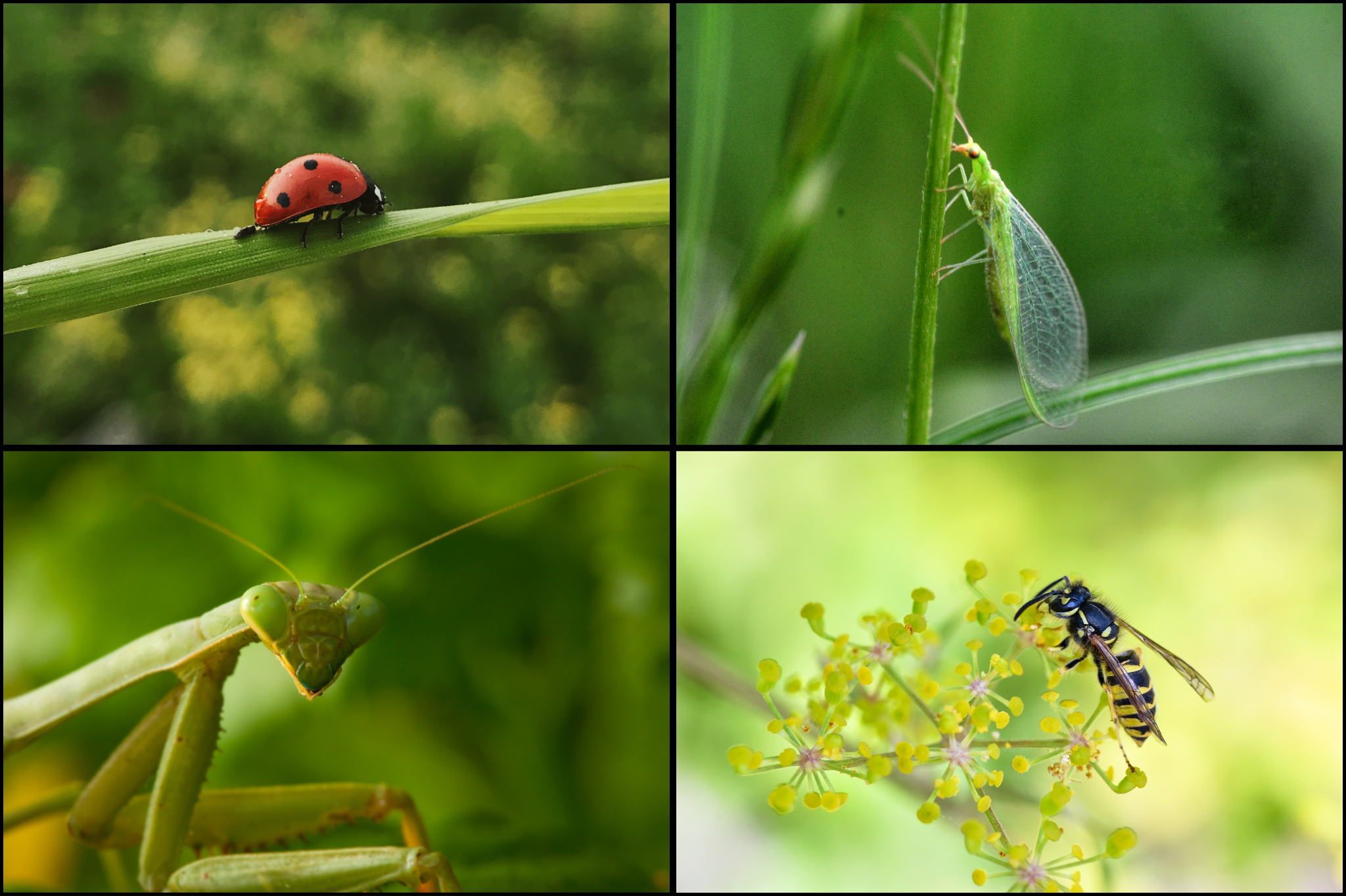
True pest control isn't about creating a sterile yard, but a balanced one. Ladybugs, lacewings, praying mantises, and certain wasps are voracious predators of aphids, caterpillars, and other damaging insects. Attract them by planting nectar and pollen-rich flowers like coneflowers, yarrow, and daisies.
4. Maintenance is Non-Negotiable
Overgrowth is a pest's paradise. Our core services are foundational to pest prevention.
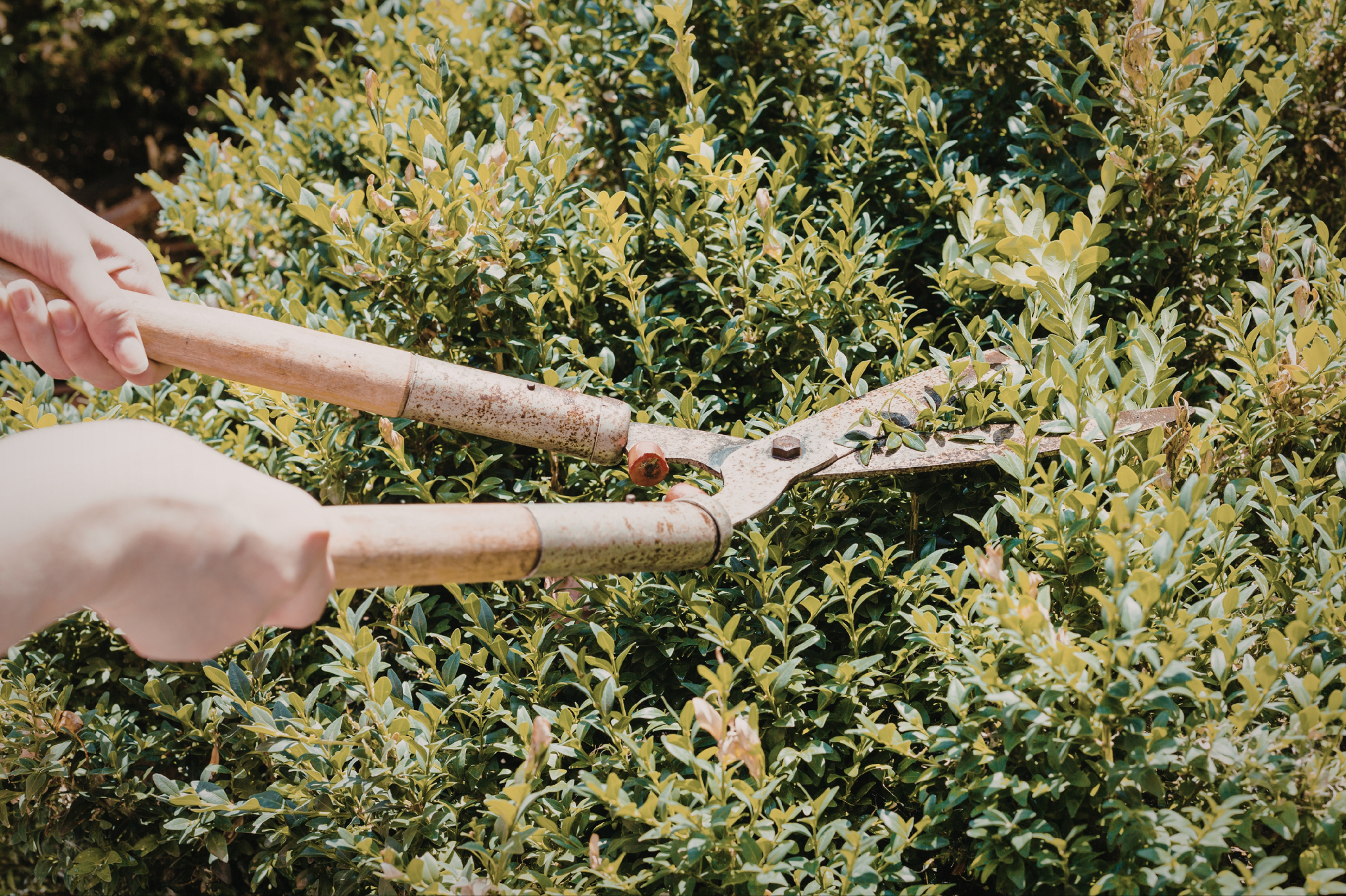
Pruning & Trimming: Keep tree branches and shrubs trimmed back from your home's exterior—this eliminates "bridges" for ants, rodents, and spiders. Dense, unkempt foliage also holds moisture, attracting mosquitoes and slugs. Lawn Care: A regularly mowed, healthy lawn leaves fewer places for ticks, fleas, and chinch bugs to hide. Proper aeration and dethatching prevent the moist, matted conditions they love. Mulching & Bed Maintenance: A clean, well-mulched bed discourages ground-dwelling pests. However, avoid piling mulch against foundations or tree trunks, as this creates ideal nesting sites for termites and rodents.
When Professional Landscaping Pest Control is Essential
While DIY steps help, some situations demand professional expertise. As your landscaper, C&K Landscaping can identify and rectify the environmental conditions fostering pest problems. We look for the root cause: Are damp, shaded areas from overgrown plantings encouraging ant colonies? Is a poorly drained lawn section creating a breeding ground for mosquitoes? Are aphids overwhelming a vulnerable, isolated plant that needs to be replaced or relocated?
Our holistic view allows us to implement solutions that are both aesthetically pleasing and functionally effective—redesigning a planting bed to include repellent species, adjusting your irrigation schedule to avoid excess moisture, or installing physical barriers hidden within the landscape's design.
Partnering for a Pest-Free Property
The most effective strategy combines vigilant homeowner practices with professional landscape design and maintenance. Start by auditing your own yard: look for standing water, overgrowth touching the house, and signs of pest activity.
For a comprehensive, long-term solution, contact C&K Landscaping today for a consultation. We design and maintain landscapes that are resilient—building beauty that works, creating outdoor spaces that are stunning retreats for you and inhospitable environments for pests.
Topics: