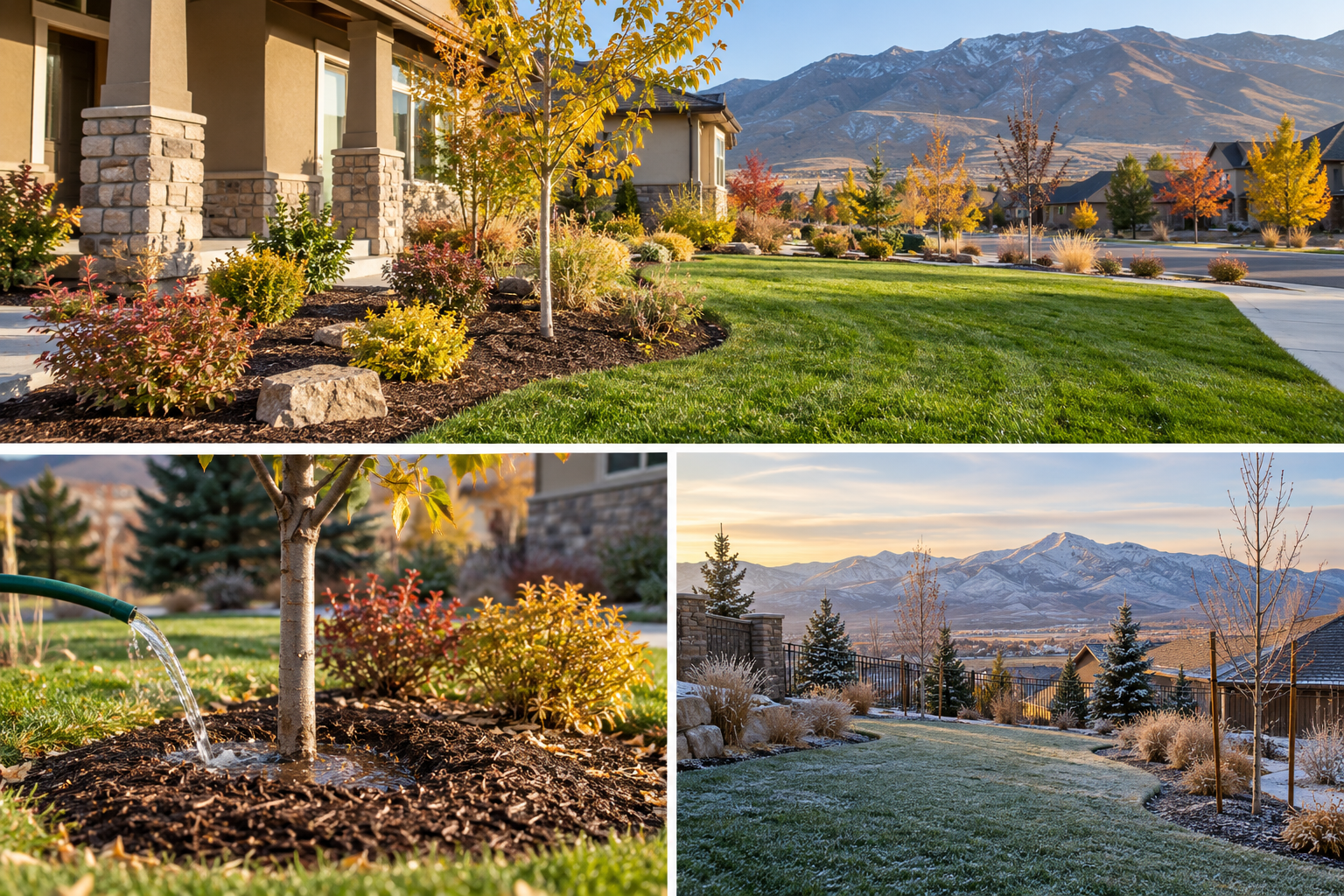

At C&K Landscaping, we often hear from homeowners who are unsure about one of the most fundamental tasks in yard maintenance: pruning. Knowing when to prune trees and shrubs isn't just about keeping things tidy—it's about investing in the long-term health and beauty of your landscape. As a locally owned company serving Southern Utah, we understand our unique climate and how it affects your plants.
The Golden Rule: Why Timing Matters
Pruning is a stressor for a plant—a beneficial one, like a workout is for us—but it needs to happen when the plant is best equipped to heal and respond. When you make a proper cut, you're directing the plant's energy and telling it where to grow next year. Prune at the right time, and you're rewarded with vigorous growth, more flowers, and a strong structure. Prune at the wrong time, and you could be inviting pests, sunscald, or disease into a fresh wound.
Late Winter to Early Spring (February–March): The Prime Time for Many
For a vast majority of trees and shrubs, the best time to prune is during the tail end of winter or very early spring, just before new growth begins—often called "dormant pruning." Plants are still asleep, so without leaves it's much easier to see the branch structure and identify problems. As soon as the weather warms, the plant will channel all its energy into healing those cuts and pushing out new, healthy growth.
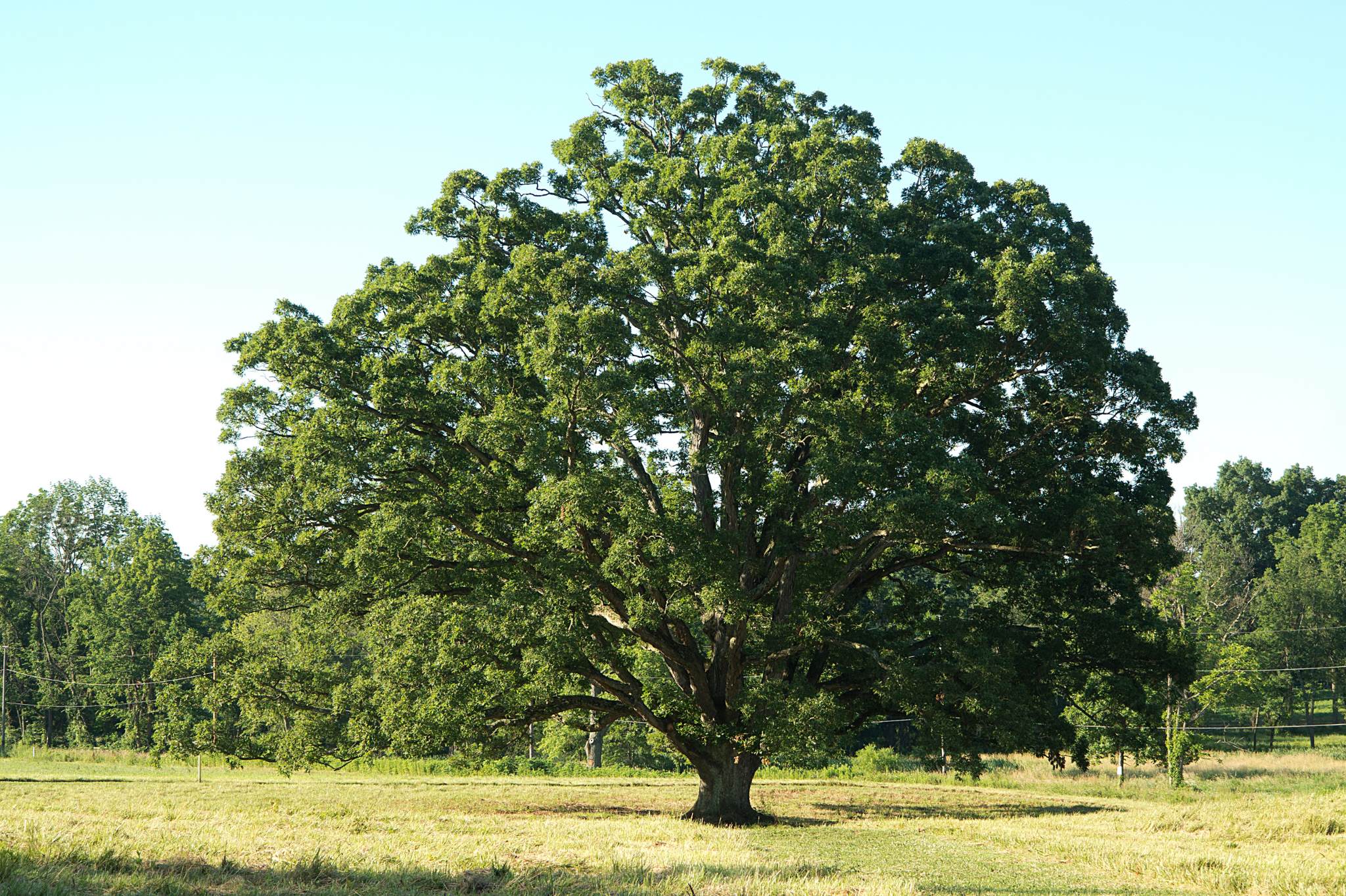
What to prune now: Deciduous trees like oaks, maples, and ashes benefit from pruning now to set them up for a strong growing season. Summer-blooming shrubs—like potentilla, spirea, and butterfly bush—bloom on "new wood" (growth they produce this year), so pruning in late winter encourages a flush of fresh growth covered in blooms by summer. Fruit trees like apples, peaches, and pears should be pruned now to shape them and maximize fruit production.
Late Spring to Early Summer (May–June): The Post-Bloom Window
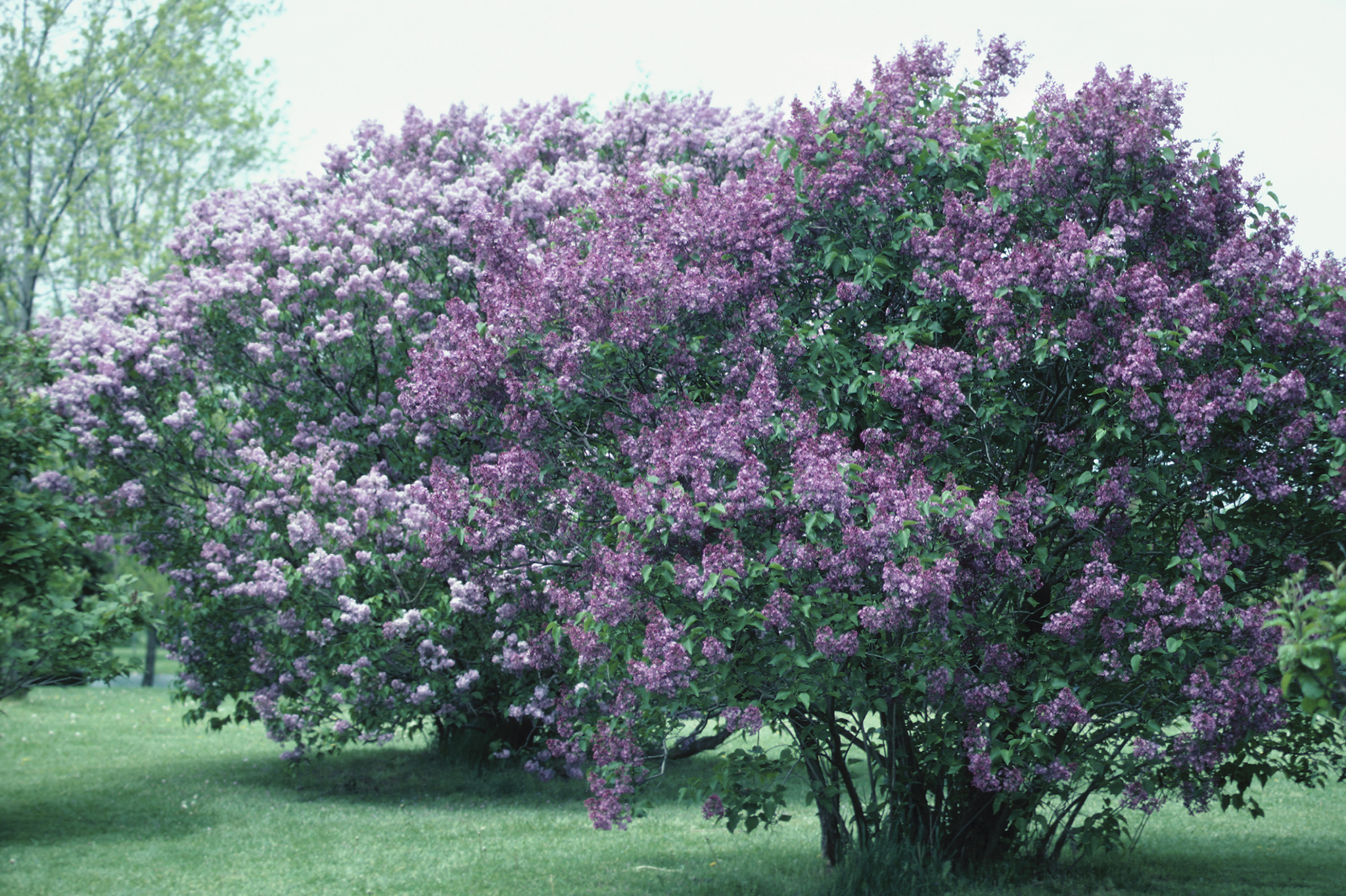
This period is specifically for one very important group: spring-flowering shrubs. If you prune them in late winter, you'll cut off all the flower buds that developed last year, missing their spring show entirely. The rule is simple: prune spring bloomers immediately after their flowers fade.
What to prune now: Lilacs, forsythia, flowering quince, and some hydrangeas (like bigleaf hydrangeas). Once blossoms fade, prune to shape them and remove old flowers—this gives them the rest of the season to set new buds for next spring.
Summer (July–August): Light Maintenance and Shaping
Summer isn't the time for major pruning projects. Heavy pruning during the heat forces the plant to use precious energy to recover when it should be surviving the heat. However, light maintenance is perfectly fine.
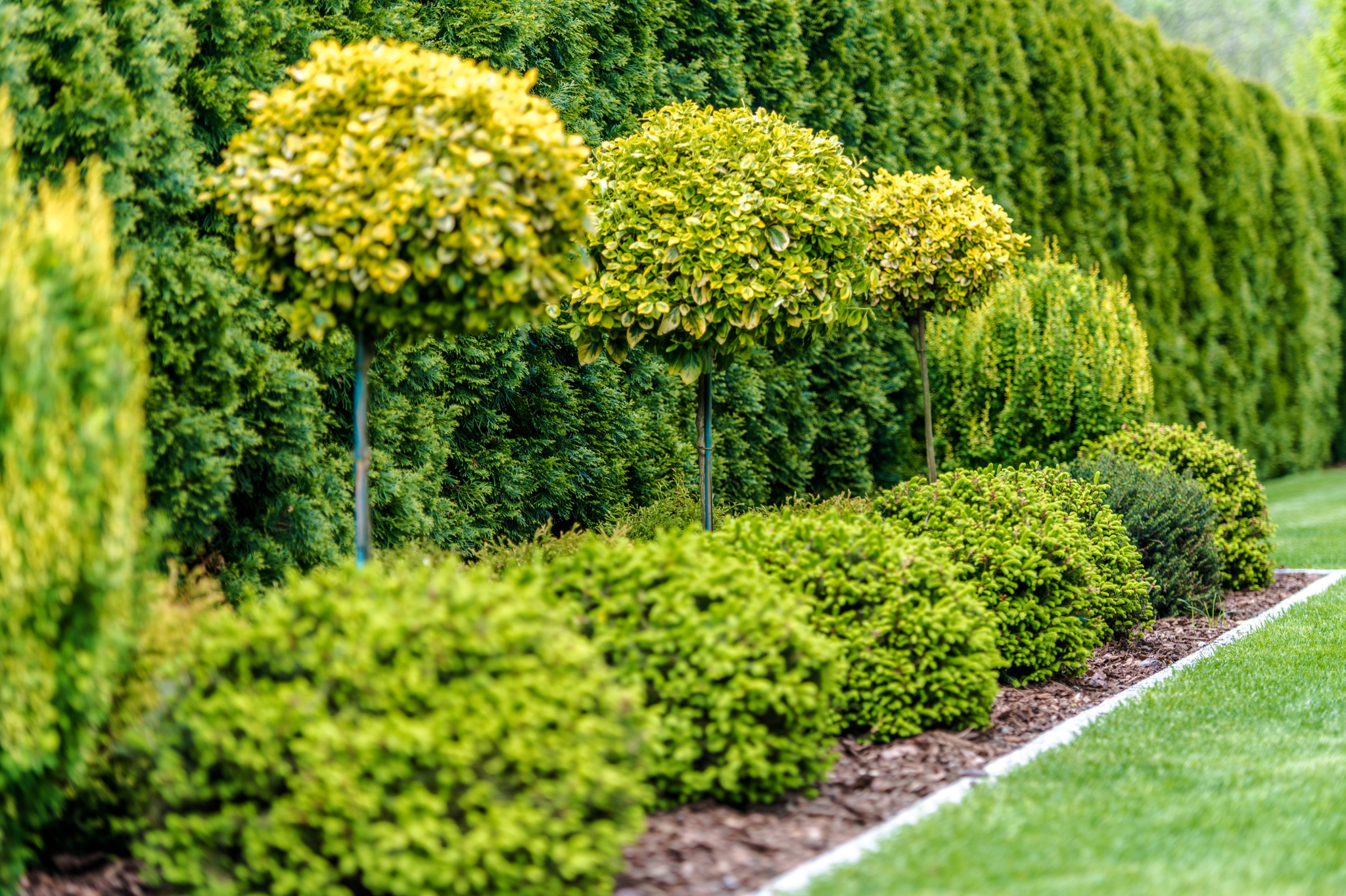
What you can do: Deadhead spent flowers on perennials and some shrubs to encourage a second flush of blooms. Remove damaged or diseased limbs immediately regardless of season—this is a health issue, not a routine trim. Give fast-growing hedges a light trim to keep them neat.
Fall (September–November): The Danger Zone—Proceed with Caution
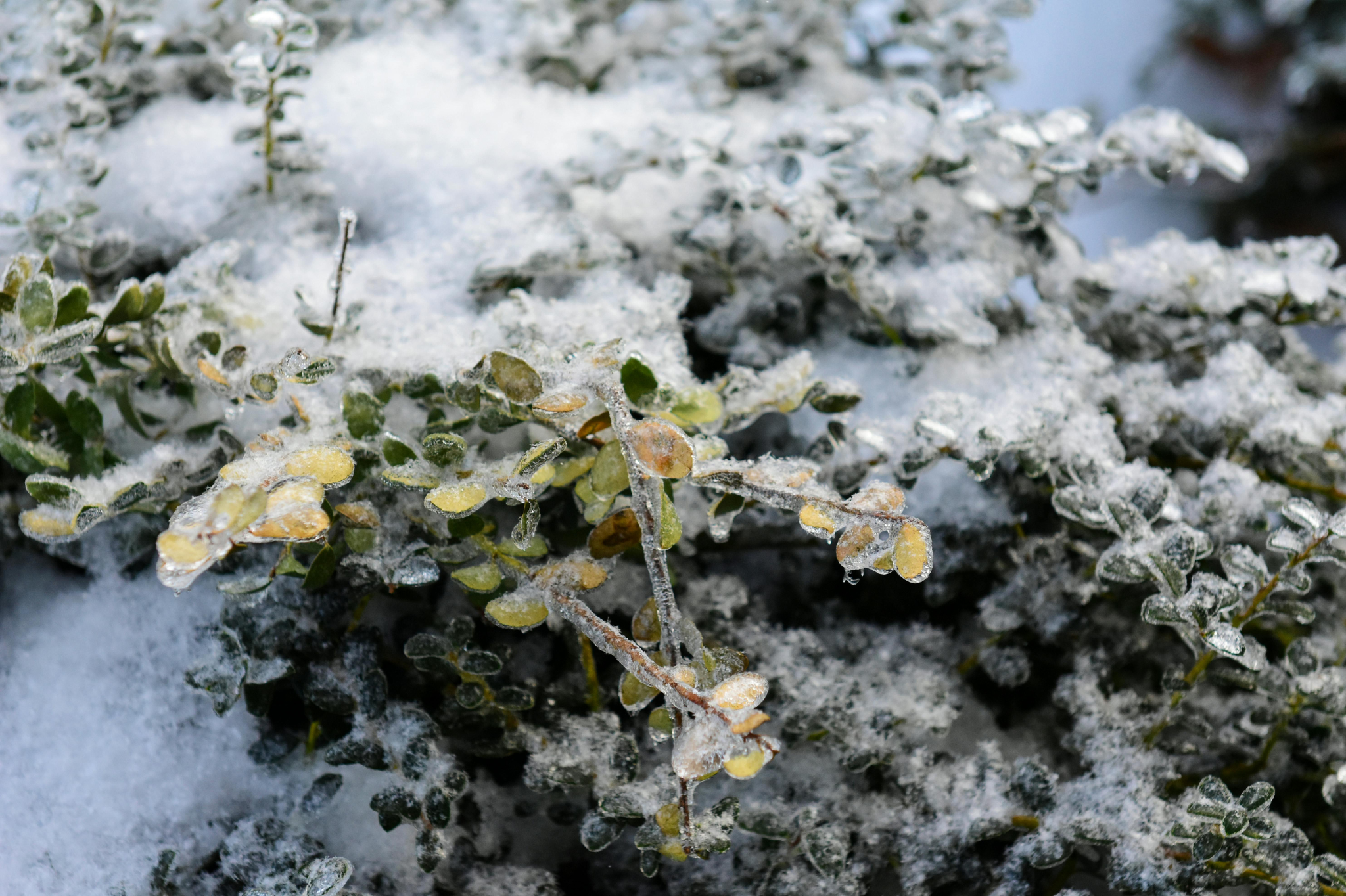
This is the time of year when we strongly advise putting the pruners away. Pruning in the fall stimulates new growth, but that tender new growth doesn't have time to "harden off" before our cold Southern Utah winter sets in. The first hard freeze will kill it, wasting the plant's energy. Additionally, open wounds in the fall can be an entry point for winter diseases and fungi.
The Exception: You can safely remove any dead, diseased, or broken branches at any time of year. Dead wood is dead wood.
Special Considerations for Southern Utah
Our high-desert climate adds extra layers to the pruning equation. After pruning, previously shaded bark on trees can be suddenly exposed to our intense high-altitude sun, leading to sunscald. For thin-barked trees like cherries, plums, and young maples, consider painting the exposed trunk with a diluted white latex paint (a 50/50 mix with water) to reflect the sun until the canopy grows back. Also avoid pruning evergreens like junipers and pines in the fall—our dry winter air and winds can burn the foliage. Prune them in late winter or early spring instead.
When in Doubt, Call the Professionals
At C&K Landscaping, we know the specific needs of trees and shrubs in our area, from the orchards of Richfield to the residential yards of Manti. We treat your property like our own, showing up on time with the expertise to get the job done right. Our comprehensive maintenance services include professional pruning at the optimal time for your plants' health and your landscape's beauty.
Whether you need help with a complete landscape transformation, a new irrigation system, or just a reliable hand for seasonal clean-ups, our team is ready. Schedule a free estimate with C&K Landscaping today and let's make your outdoor space the best on the block.
Topics: