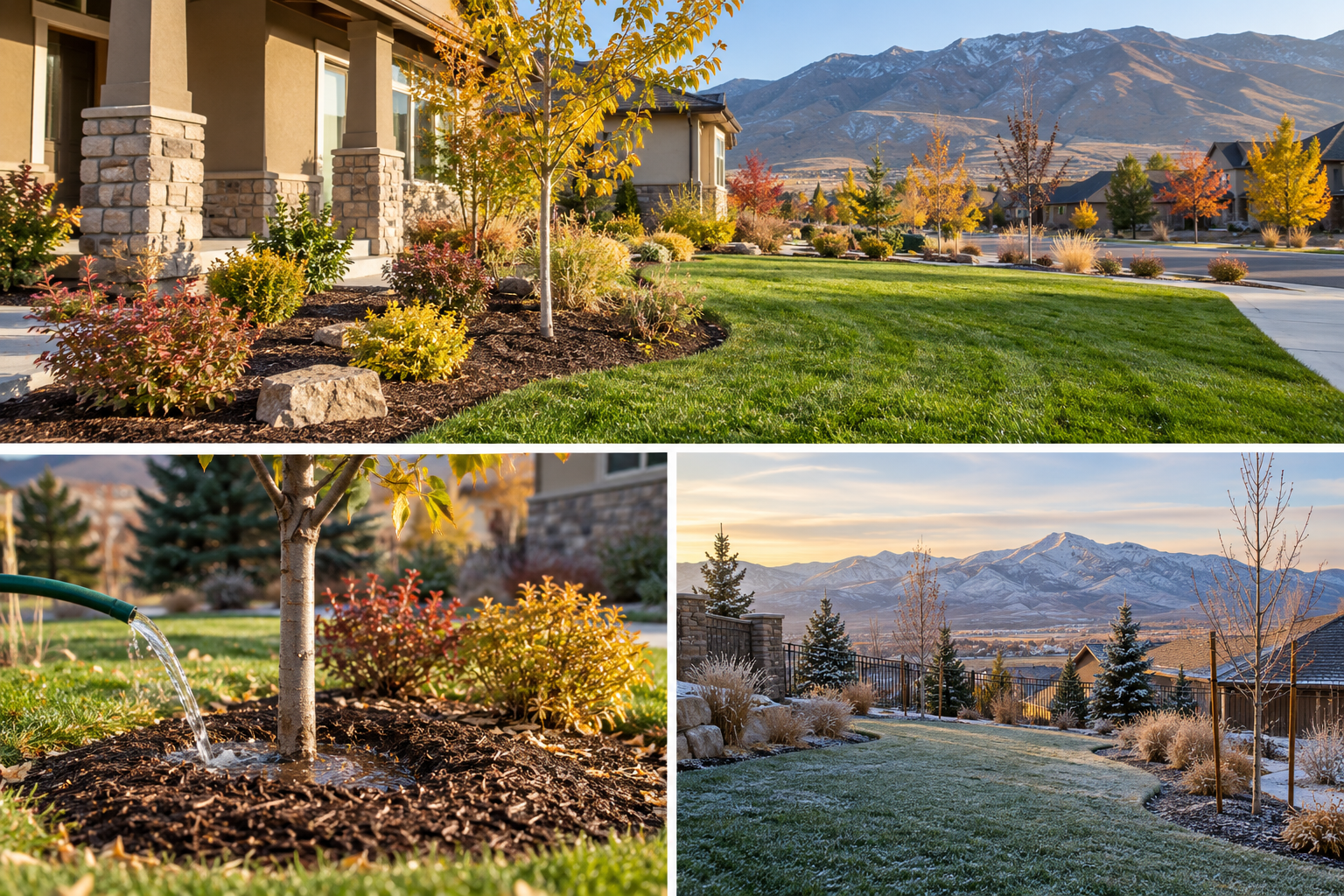
You just invested in a brand-new patio, a fresh planting bed, or a complete yard overhaul. The equipment is gone. The crew has left. You're standing there with a cup of coffee, looking at pristine work. Then the question hits: What do I do next Monday?
At C & K Landscaping, we hear this question constantly. Homeowners assume that after a professional install, the yard runs on autopilot. It does not. The truth is that the quality of your long-term results depends almost entirely on the quality of your landscaping maintenance.
Here is exactly what the upkeep looks like after we finish the job—no fluff, no sales pitch, just the calendar of work ahead of you.
First 30 Days: The Critical Establishment Phase
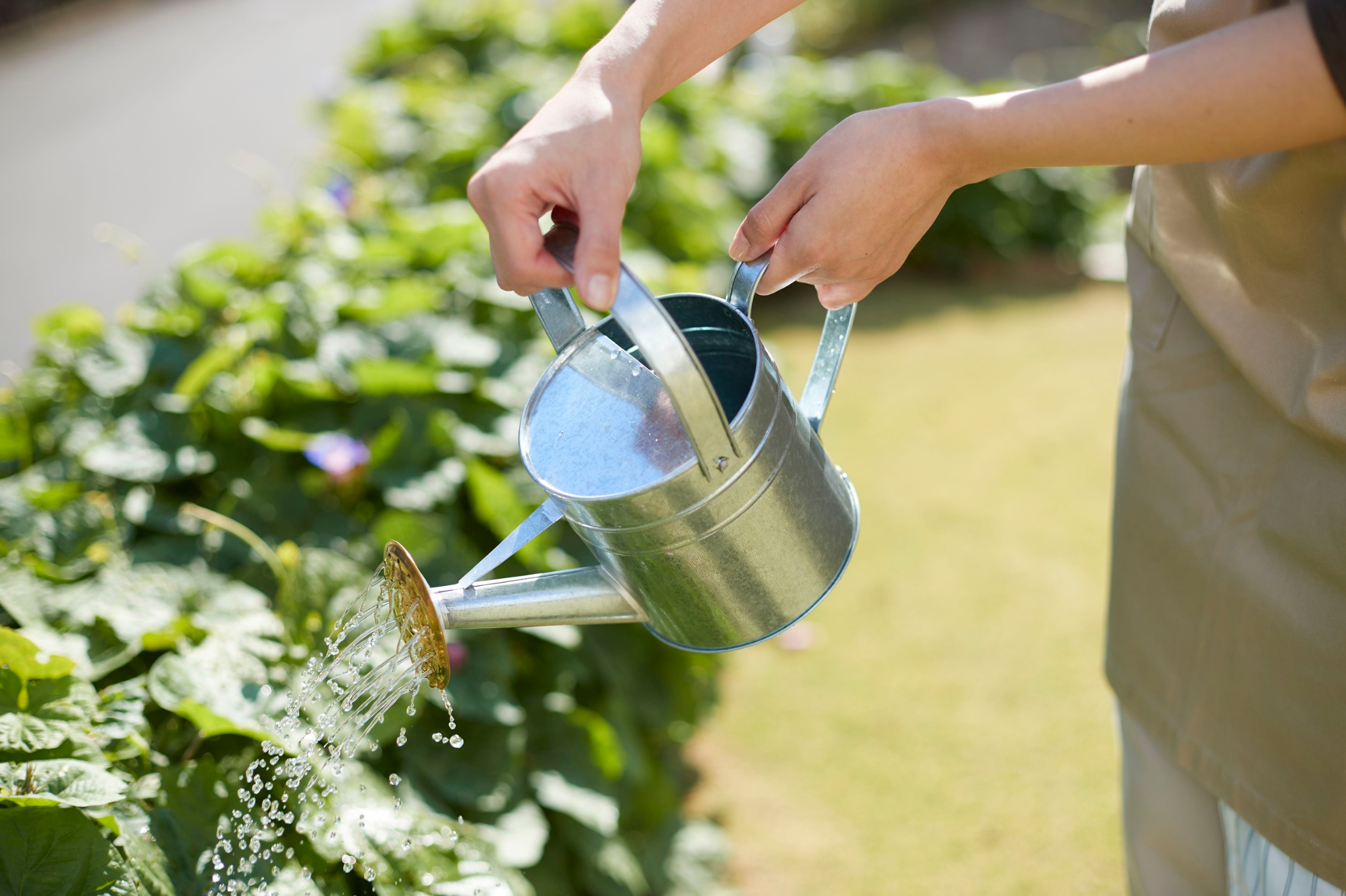
If we installed new plants, sod, or seed, the first month is not "maintenance." It is survival. New root systems cannot reach deep water yet. You will need to water small shrubs every other day. Sod requires daily soaking for the first two weeks. Skip this, and you are not looking at neglect—you are looking at a dead yard.
Weed pressure also spikes in the first month. Fresh soil is open real estate for crabgrass and dandelions. Plan to hand-pull or spot-spray every five to seven days. This is not a reflection of poor install work; this is biology. Landscaping maintenance in month one means consistent, light intervention. Heavy equipment stays in the garage.
Months 2–6: The Rhythm of Routine
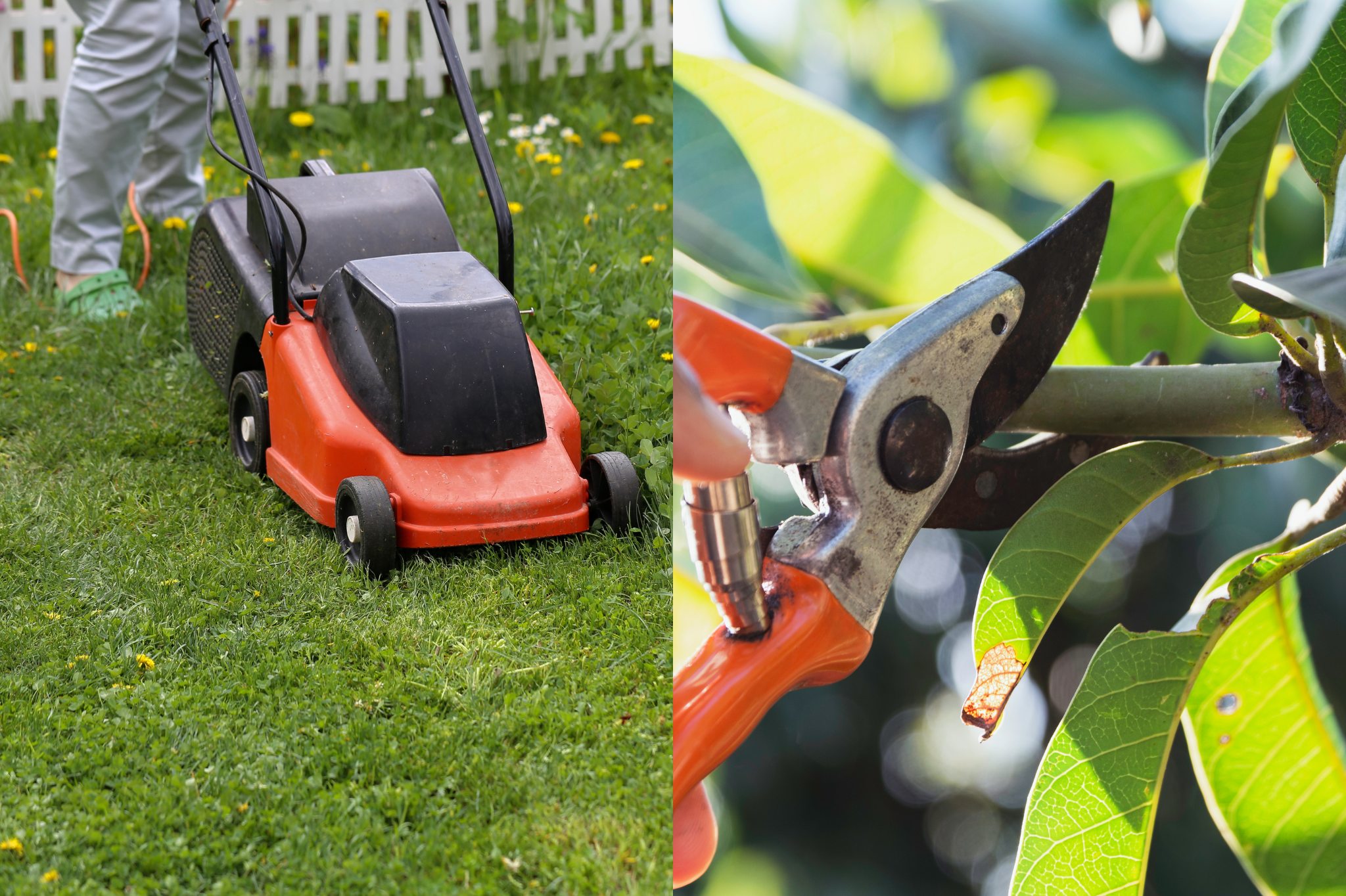
Once plants establish roots, your work shifts from emergency mode to rhythm mode. This is where most homeowners either succeed or fall apart. Here is the weekly and monthly breakdown.
Weekly tasks:
- Mow at the correct height for your grass type. Do not scalp.
- Edge all hardscape borders. Mulch and pavement look cheap when lines blur.
- Blow debris off patios and walkways. Ignored debris becomes organic stains.
- Spot-check irrigation heads. A broken head kills a corner of your yard before you notice.
Monthly tasks:
- Prune dead or crossing branches on young trees.
- Replenish mulch in thin areas. One inch of fresh mulch suppresses weeds and retains moisture.
- Check for pests. Bagworms, aphids, and grubs do not send a warning text.
- Deep-clean gutters if you have downspouts discharging near planted areas.
This phase feels manageable because it is. Proper landscaping maintenance at this stage is not hard labor; it is a Saturday morning loop. But if you let mowing slide for ten days or ignore a patch of chickweed for two weeks, that loop doubles in effort.
Months 6–12: Seasonal Shifts
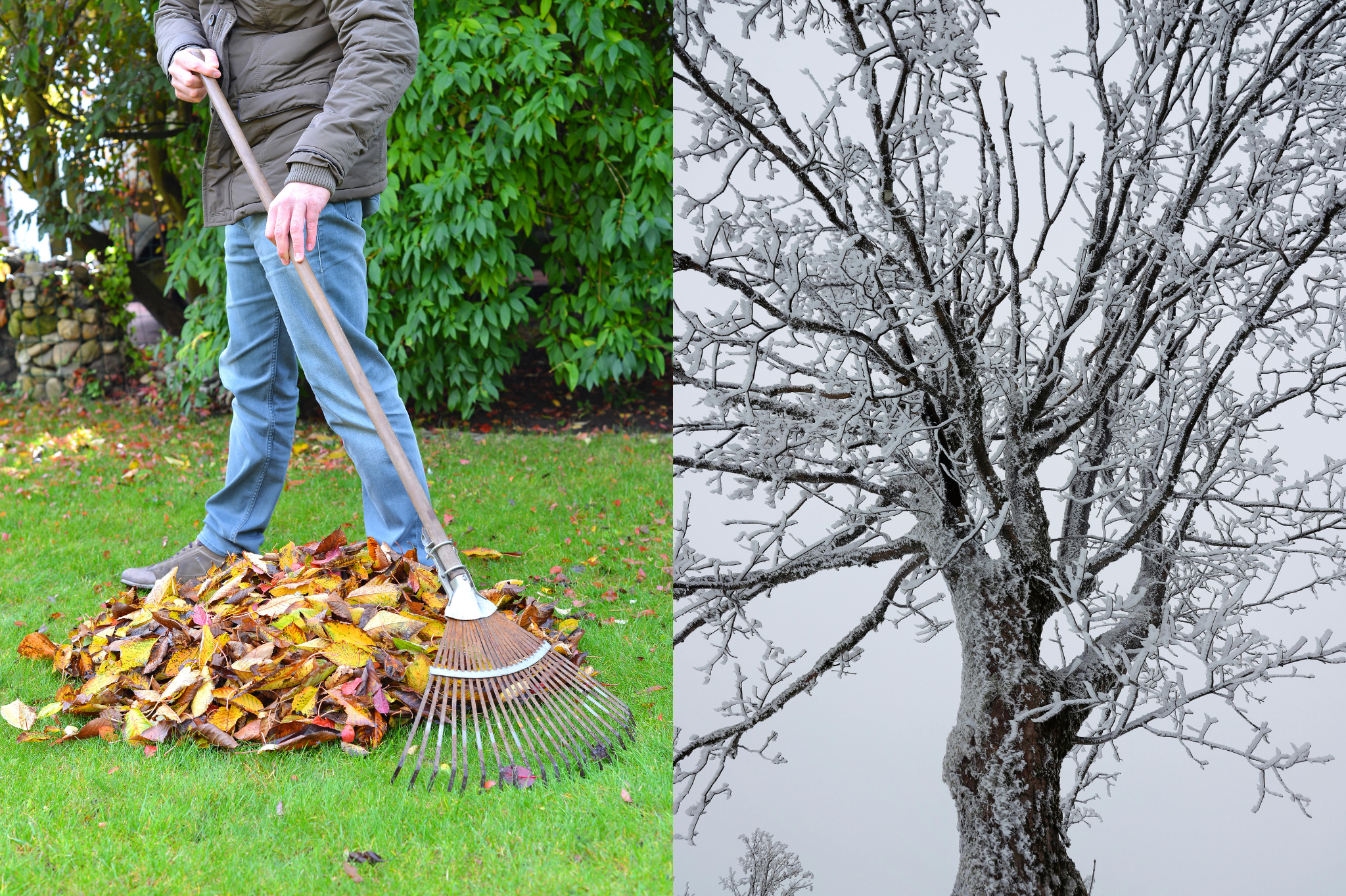
Here is where new homeowners get blindsided. They survive summer but forget that fall and winter demand different work.
Fall maintenance after a new install:
- Do not stop mowing just because leaves fall. Tall grass going into winter invites snow mold.
- Rake leaves off young ground cover. Smothered plants die before spring.
- Apply a winterizer fertilizer if we installed cool-season grass. This is not optional.
- Blow out irrigation systems before the first freeze. Buried pipes crack. Cracks cost thousands.
Winter maintenance (zones with frost):
- Do not walk heavily on frozen sod. You will break frozen grass blades.
- Remove heavy snow off shrubs by hand. Shaking a branch is fine; a snowplow blast is not.
- Plan your spring tools now. Sharp blades and fresh trimmer line save time in March.
What a Professional Maintenance Contract Covers
Let us be direct: you can do all of this yourself. Many clients do. But the reason C & K Landscaping offers ongoing landscaping maintenance is not because you are incapable. It is because the aggregate of these tasks consumes five to eight hours per week in peak season.
A standard maintenance contract from us includes:
- Weekly mowing, trimming, and blowing.
- Monthly pruning of ornamentals and small trees.
- Biweekly weed control in beds (no hand-pulling required from you).
- Seasonal mulch top-ups.
- Irrigation checks and adjustments.
- Spring and fall cleanups.
What it does not include: major tree work, hardscape repairs, or new plant installs. Those are separate projects because they require different crews and equipment.
Where Homeowners Go Wrong
We have seen three patterns that ruin otherwise beautiful landscapes.
Pattern one: Intermittent effort. You maintain hard for two weeks, then travel for ten days, then return to a jungle. Catching up takes triple the time. Landscaping maintenance is a low, steady frequency—not heroic bursts.
Pattern two: Wrong tools. Using a dull mower blade tears grass. Using a string trimmer near young tree bark kills the cambium layer. Using a pressure washer on fresh pavers blows out joint sand. Tools matter.
Pattern three: Guessing on water. Overwatering breeds fungus. Underwatering breeds shallow roots. We install irrigation for a reason. Use it on a schedule, not on a feeling.
You hired C & K Landscaping because you wanted a professional result. That result does not end when the truck leaves. A landscape is a living system. Systems require inputs. Your inputs—or ours—determine whether your investment doubles in value or turns back into a field.
If you want the easiest path, call us for a weekly maintenance proposal. We are already familiar with your property. We installed it. We know where the drainage issues hide and which shrub needs extra winter protection.
If you want to DIY, that works too. Just print this blog and tape it to your garage door. Follow the timeline. Buy sharp tools. And when you find yourself spending every Saturday wrestling with weeds instead of sitting on your new patio, you know where to find us.
Ready to hand off the work? Contact C & K Landscaping for a maintenance quote tailored to your recent install. We finish the job. Then we keep it finished.
Topics: