When planning a beautiful and functional outdoor space, you'll likely hear the terms hardscaping and softscaping. While both are essential components of landscape design, they serve very different purposes. Understanding the difference can help you make informed decisions as you bring your landscaping vision to life.
What Is Hardscaping?
Hardscaping refers to the non-living, structural elements of your landscape. These features are often made of stone, concrete, metal, or wood and form the "bones" or foundation of your outdoor space. Hardscaping defines areas, creates function, and adds permanence to a yard.
Common hardscape features include patios and decks, walkways and stepping stones, retaining walls, fences and gates, driveways, pergolas and gazebos, and outdoor kitchens and fire pits. Hardscaping provides structure, directs foot traffic, controls erosion, and sets the stage for your planting beds and lawn.
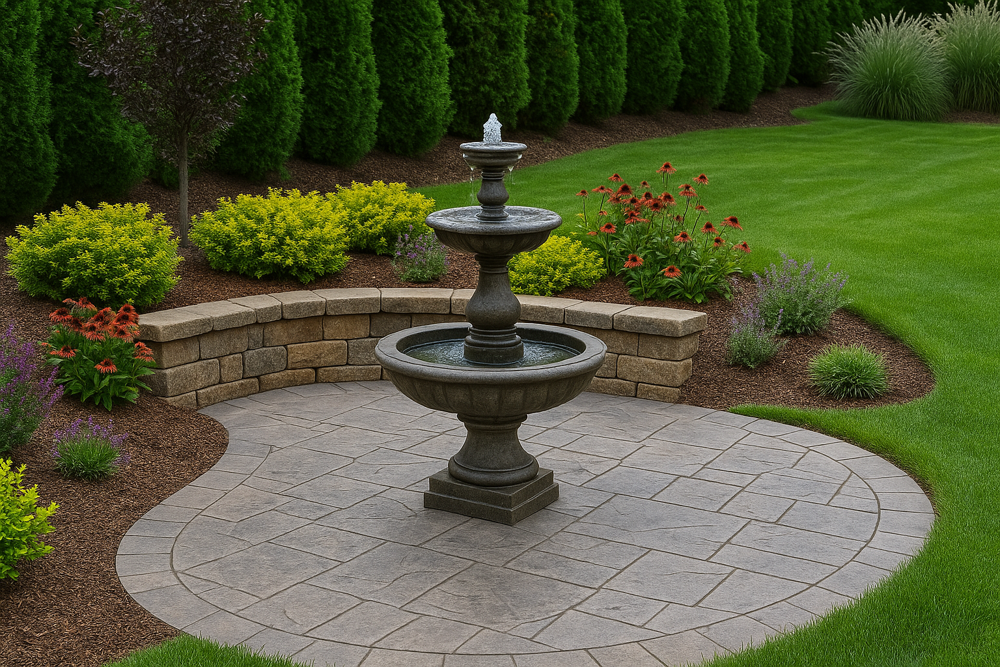
Example: A stamped concrete patio bordered by a stone retaining wall is a prime example of hardscaping that enhances both beauty and functionality.
What Is Softscaping?
Softscaping includes all the living, horticultural elements in your yard—the parts that grow, change, and evolve with the seasons. Softscape features bring color, movement, and life to the otherwise rigid elements of hardscape.
Common softscape elements include lawn (grass or turf), shrubs and trees, flowers and perennials, garden beds, groundcovers and mulch, and vines and hedges. Softscaping is what makes a yard feel lush, vibrant, and alive—and can be customized to reflect personal style, regional climate, and maintenance preferences.
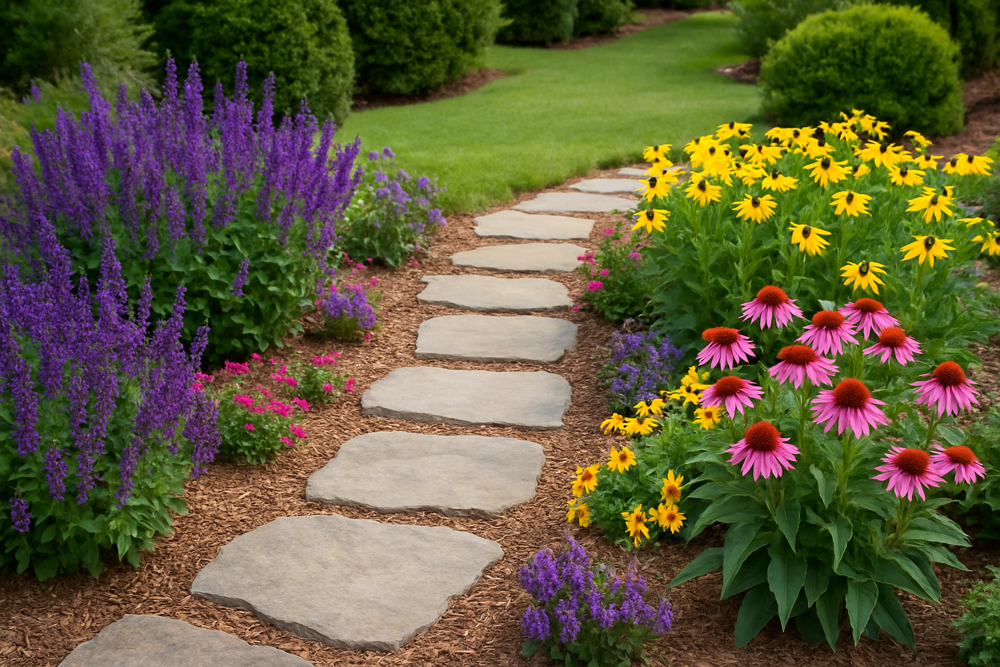
Example: A soft border of flowering perennials around a stone pathway enhances its visual appeal and brings in pollinators.
Hardscape vs. Softscape: Why Both Matter
The key to a successful landscape design is balance. Too much hardscape can make your yard feel sterile or harsh, while too much softscape can lead to maintenance headaches or a lack of definition. A thoughtfully designed yard uses hardscaping for structure and support, while softscaping brings color, texture, and ecological value.
Designing Your Landscape: Tips for Success
- Start with Hardscape First: Install permanent features like patios, walkways, or irrigation before you begin planting. It prevents root damage and messy redo's later on.
- Match Your Maintenance Style: Don't love yard work? Choose low-maintenance softscape elements like drought-tolerant plants, mulch beds, and native shrubs.
- Think in Layers: A beautiful yard uses vertical space—trees for height, shrubs for mid-level interest, and groundcovers to fill in below.
- Use Hardscaping to Frame Your Softscape: Retaining walls, edging, and raised beds help organize plantings, improve drainage, and add contrast.
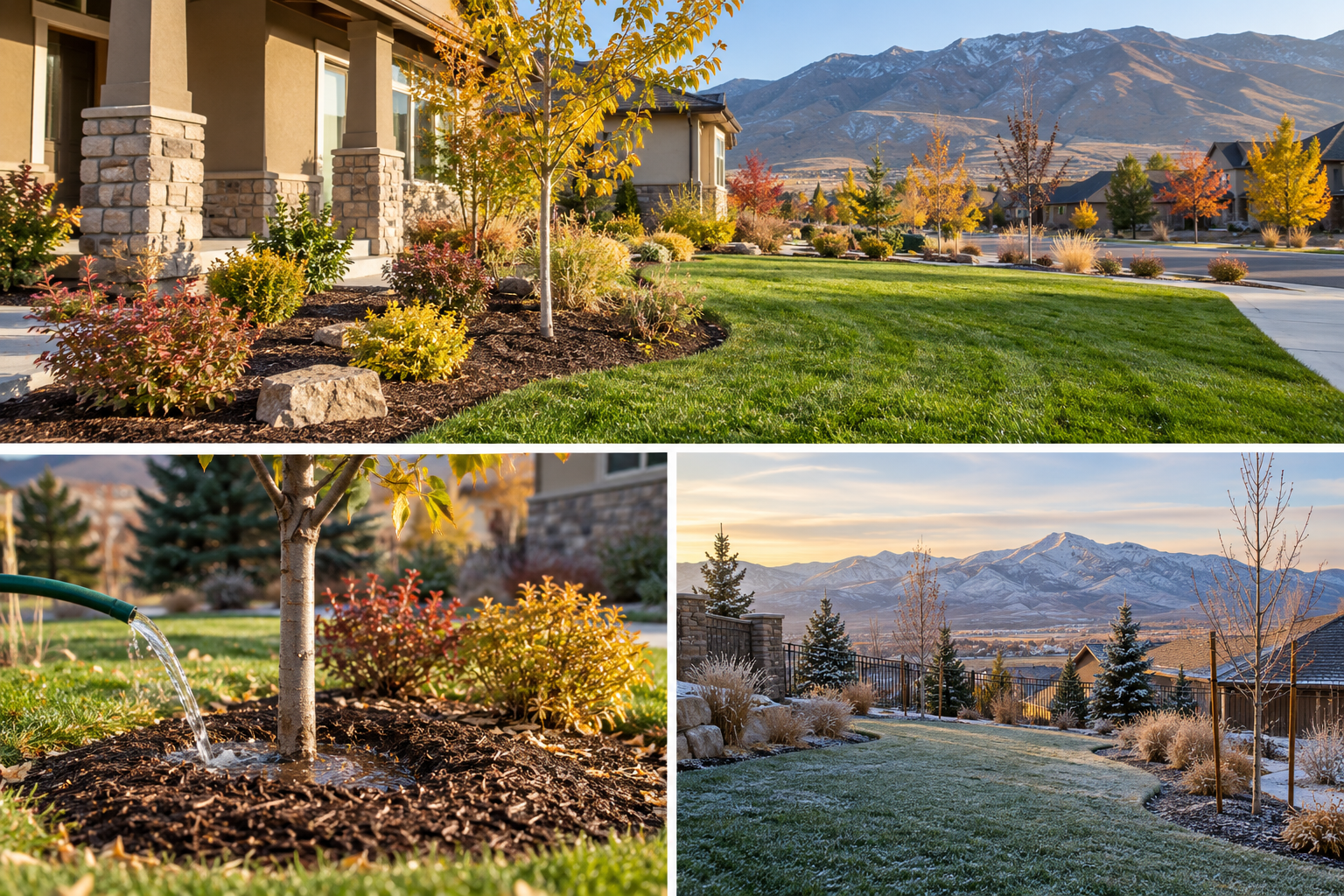
- Plan for the Seasons: Use a mix of evergreen and deciduous plants, plus some that bloom at different times, to keep your landscape appealing year-round.
Real-Life Applications of Hardscape and Softscape
Backyard Retreat: A client in Salina wanted a relaxing backyard with minimal upkeep. We designed a paver patio with built-in bench seating and paired it with a softscape of low-maintenance ornamental grasses and river rock beds. The result was a cozy space perfect for family barbecues and evening relaxation.
Curb Appeal Overhaul: A Richfield homeowner needed an update that wouldn't break the bank. We removed overgrown shrubs and added a retaining wall with tiered garden beds filled with hardy perennials—drastically boosting curb appeal and resale value.
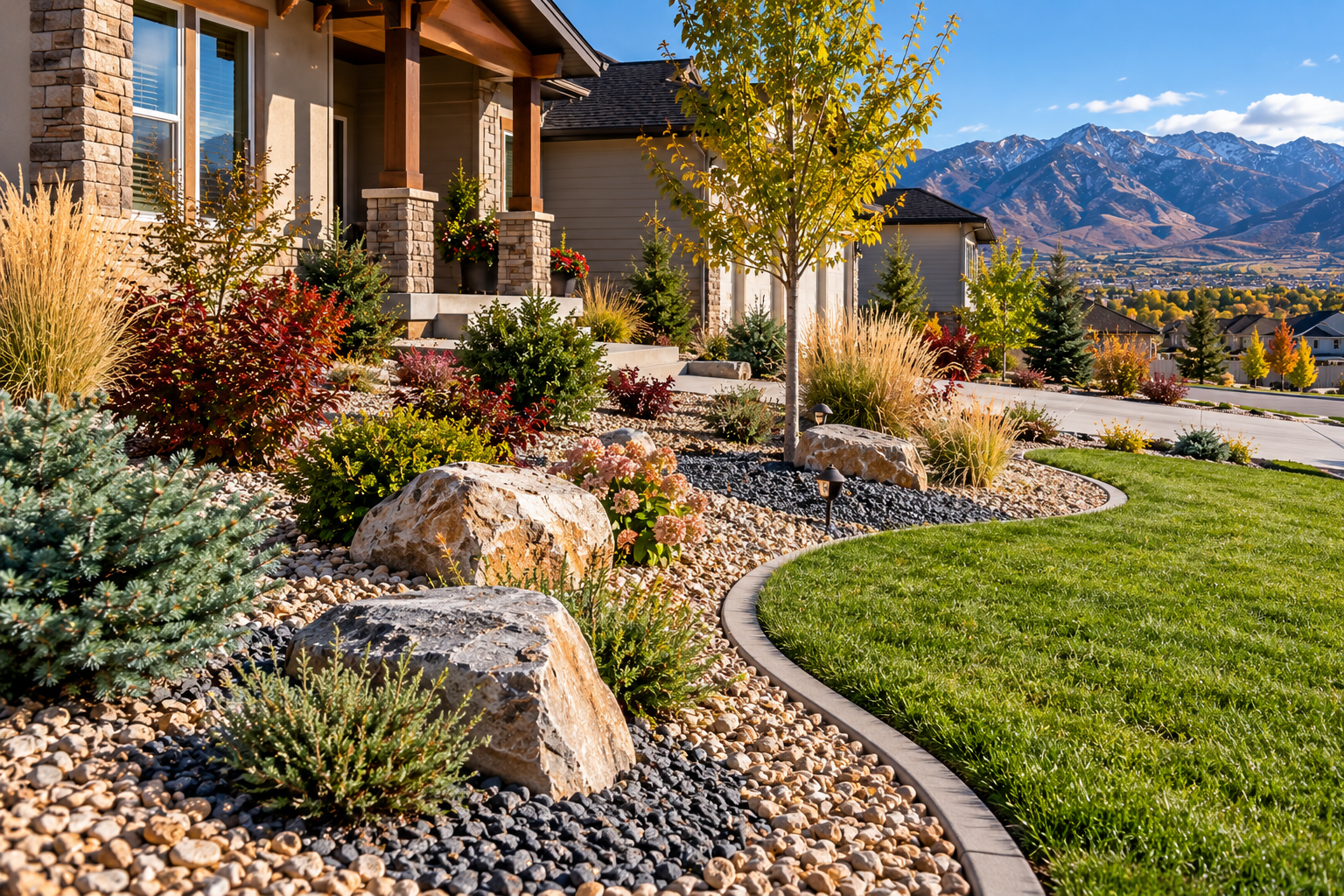
Xeriscape Upgrade: For a drought-conscious property in Manti, we used decorative rock, native wildflowers, and steel-edged pathways to create a stunning xeriscaped yard with almost zero lawn maintenance.
Should I Hire a Professional?
While you can tackle small projects on your own, combining hardscape and softscape elements into a unified design often requires a trained eye. At C&K Landscaping, we specialize in creating outdoor spaces that are not only stunning but built to last. From paver walkways and retaining walls to water-wise plant selections and lush lawn installations, we do it all—so you can enjoy your yard without the stress.
📍 Serving Central Utah, including Richfield, Manti, Salina, and Gunnison, our team is local, experienced, and passionate about great landscaping.

Ready to Build Your Dream Landscape?
Whether you're dreaming of a flagstone path through native flowers or a custom fire pit for entertaining, we're here to help from design through installation.
👉 Contact us today for a free consultation and turn your vision into reality.
Topics: