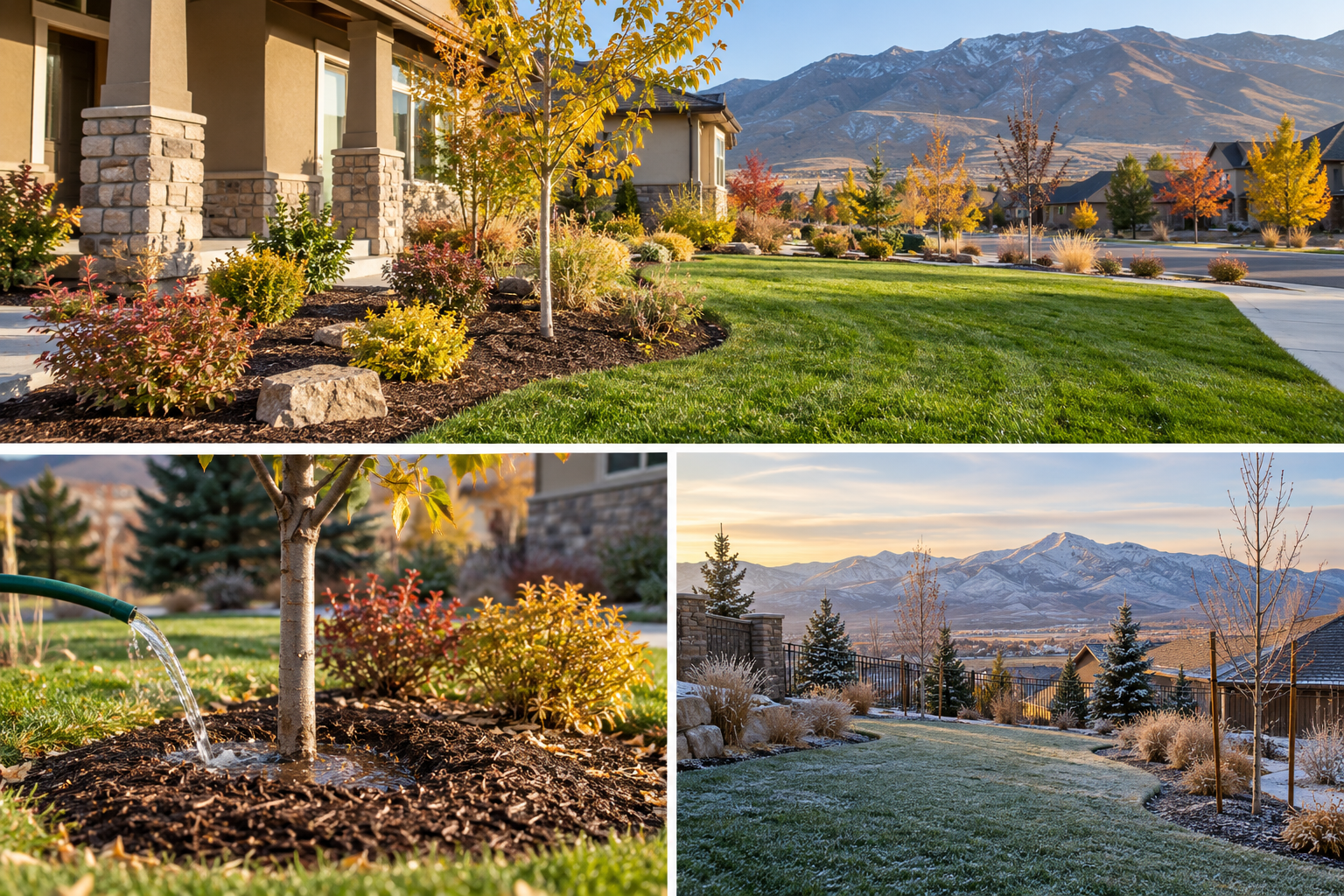

A lush, green lawn is the dream of many Southern Utah homeowners. But in our hot, dry climate with limited rainfall, achieving that vibrant look takes more than just occasional watering. The good news is that with the right strategy, soil care, and seasonal timing, you can grow and maintain a healthy lawn that enhances your home's curb appeal year-round.
1. Start With the Right Grass Type
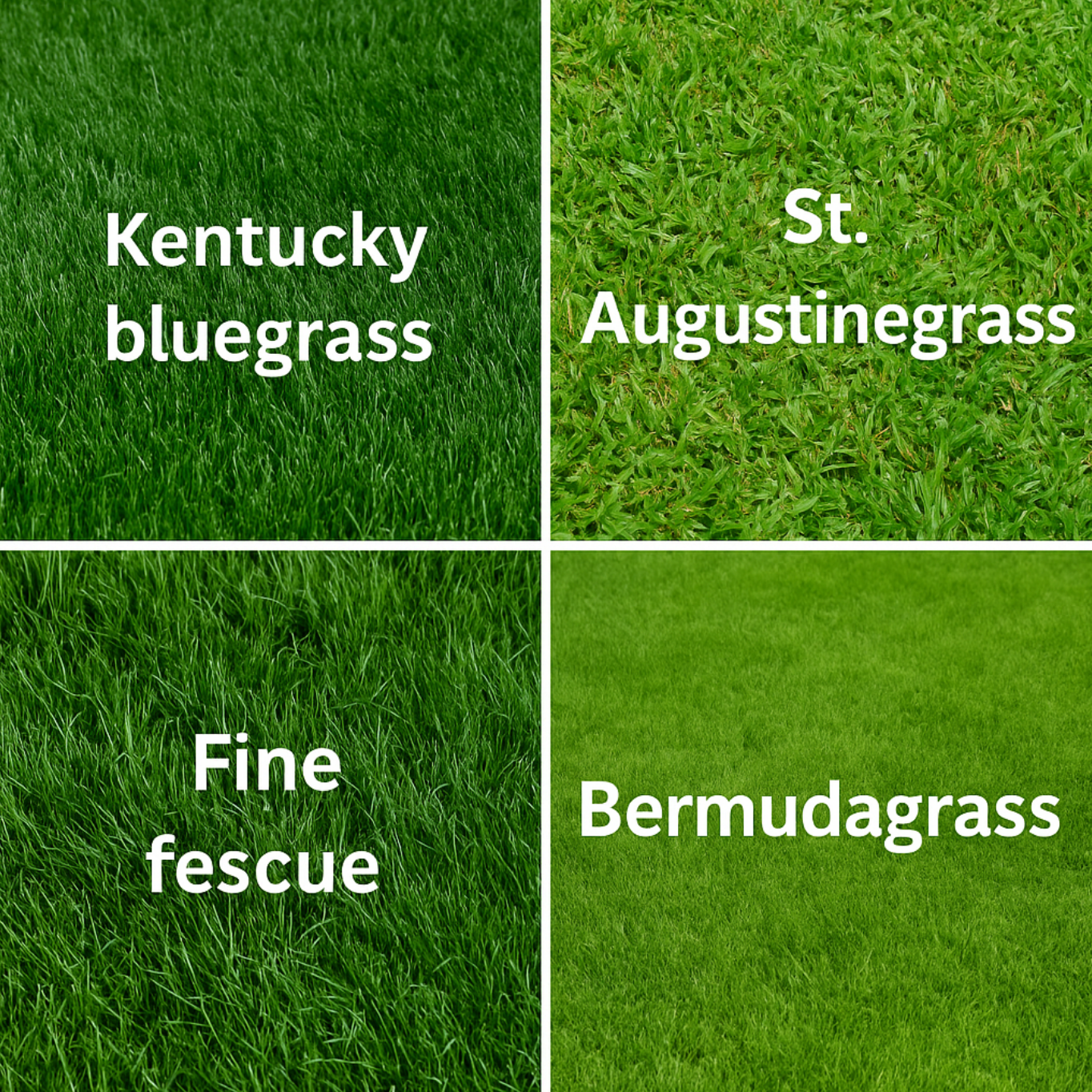
Not all grasses perform equally well in Southern Utah's climate. Cool-season grasses like Kentucky bluegrass, tall fescue, and perennial ryegrass grow well in spring and fall when temperatures are milder—they look great but need more water during hot summers. Warm-season grasses like bermudagrass or zoysiagrass handle heat and drought better but go dormant and turn brown in winter.
For many homeowners, a blend of cool- and warm-season grasses provides the best balance of year-round color and resilience. The right choice now means fewer headaches, lower maintenance, and a greener lawn for years to come.
2. Focus on Healthy Soil
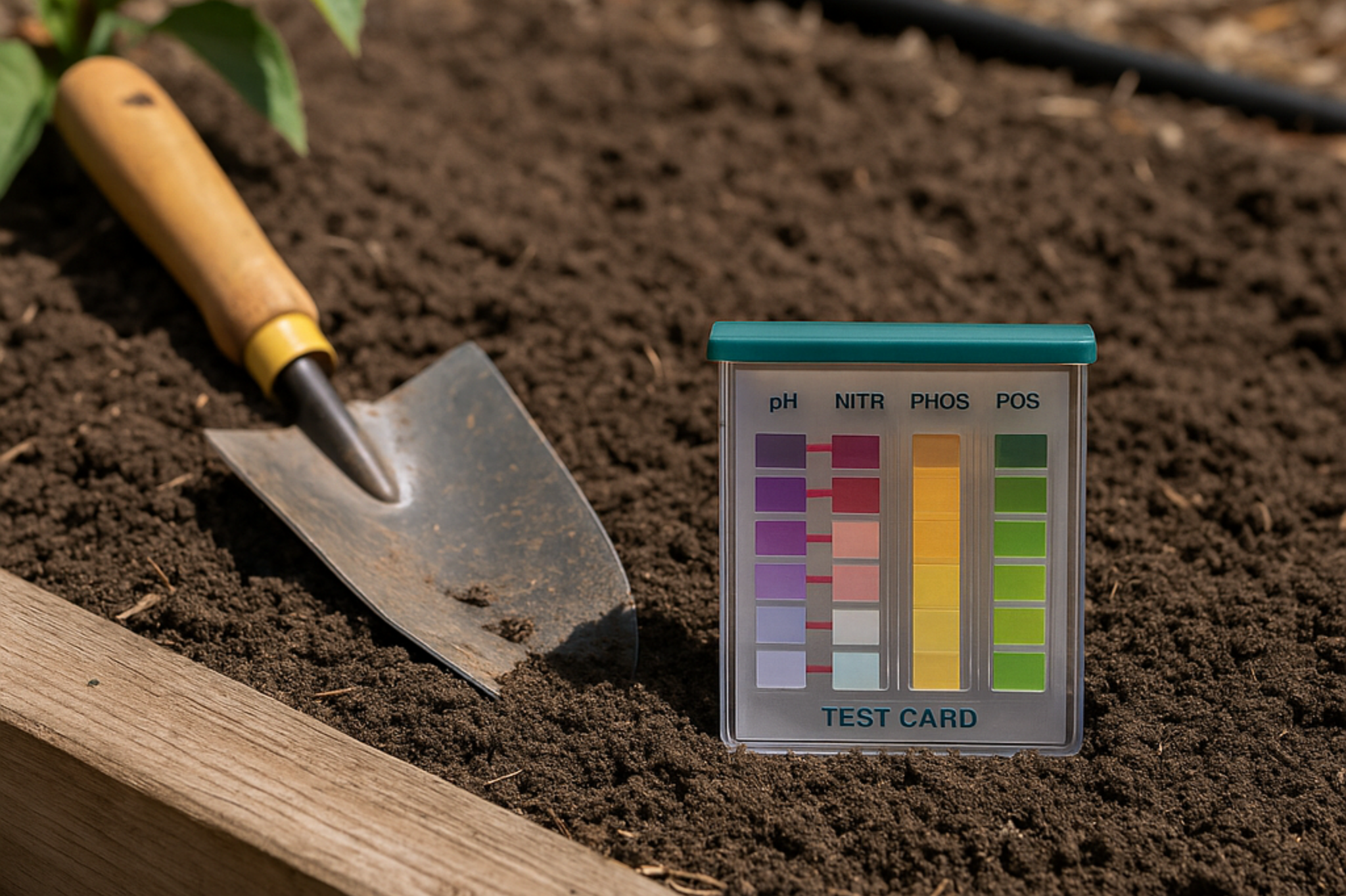
Soil is the hidden secret behind every lush lawn. Test your soil for pH and nutrient levels—most lawns in Southern Utah benefit from amendments like compost or gypsum to balance alkaline conditions and improve texture. Aerate compacted soil at least once a year to improve root growth and water absorption. Add organic matter to increase fertility and moisture retention, which helps develop a sponge-like soil structure that holds water longer and reduces irrigation frequency.
Healthy soil encourages deep root systems, which are key to withstanding heat and drought. Investing in proper soil preparation ensures your lawn is both more resilient and easier to maintain.
3. Water Smart, Not More
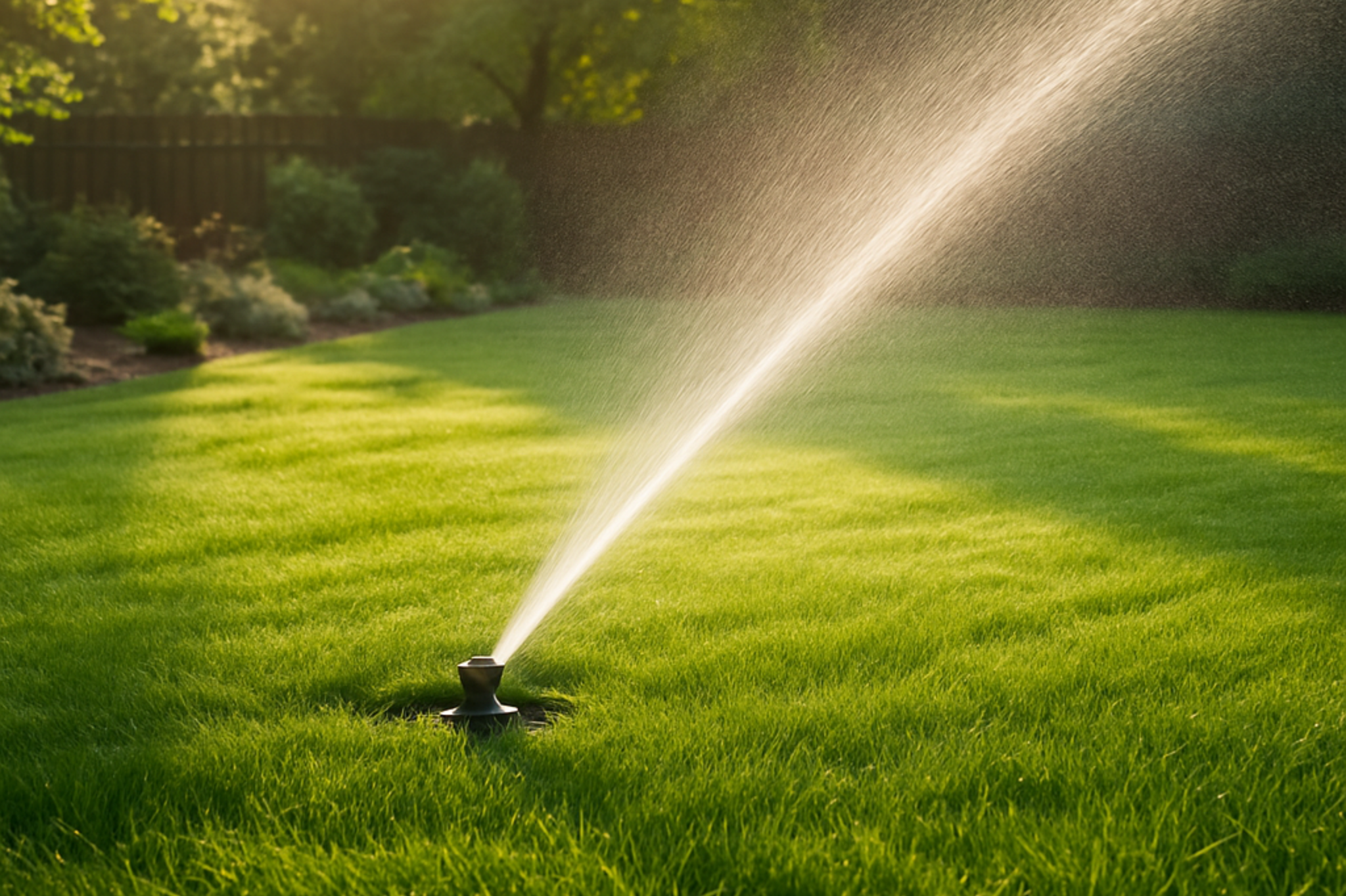
In Southern Utah, water is precious, and efficient irrigation is critical for a green lawn. Deep and infrequent watering is best—aim to water 2–3 times per week, long enough to soak the soil 6–8 inches deep. This encourages roots to grow deeper, making your lawn more drought-tolerant. Early morning watering (before 9 a.m.) reduces evaporation and helps prevent fungal issues.
Drip irrigation and smart sprinkler systems save water while ensuring even coverage. Overwatering causes shallow roots and wasted water, so stick to a consistent schedule and adjust seasonally.
4. Mow the Right Way
How you mow affects your lawn's health as much as how often you water. Set mower blades higher (2.5–3.5 inches) to shade the soil, reduce water loss, and encourage deeper roots. Keep blades sharp to avoid tearing grass, which leads to brown tips and disease. Leave grass clippings when possible—they act as a natural fertilizer and help retain moisture.
Avoid removing more than one-third of the grass blade in a single cut, which can stress your lawn. Consistency is key—don't let your lawn grow too tall between mowings.

5. Fertilize With a Plan
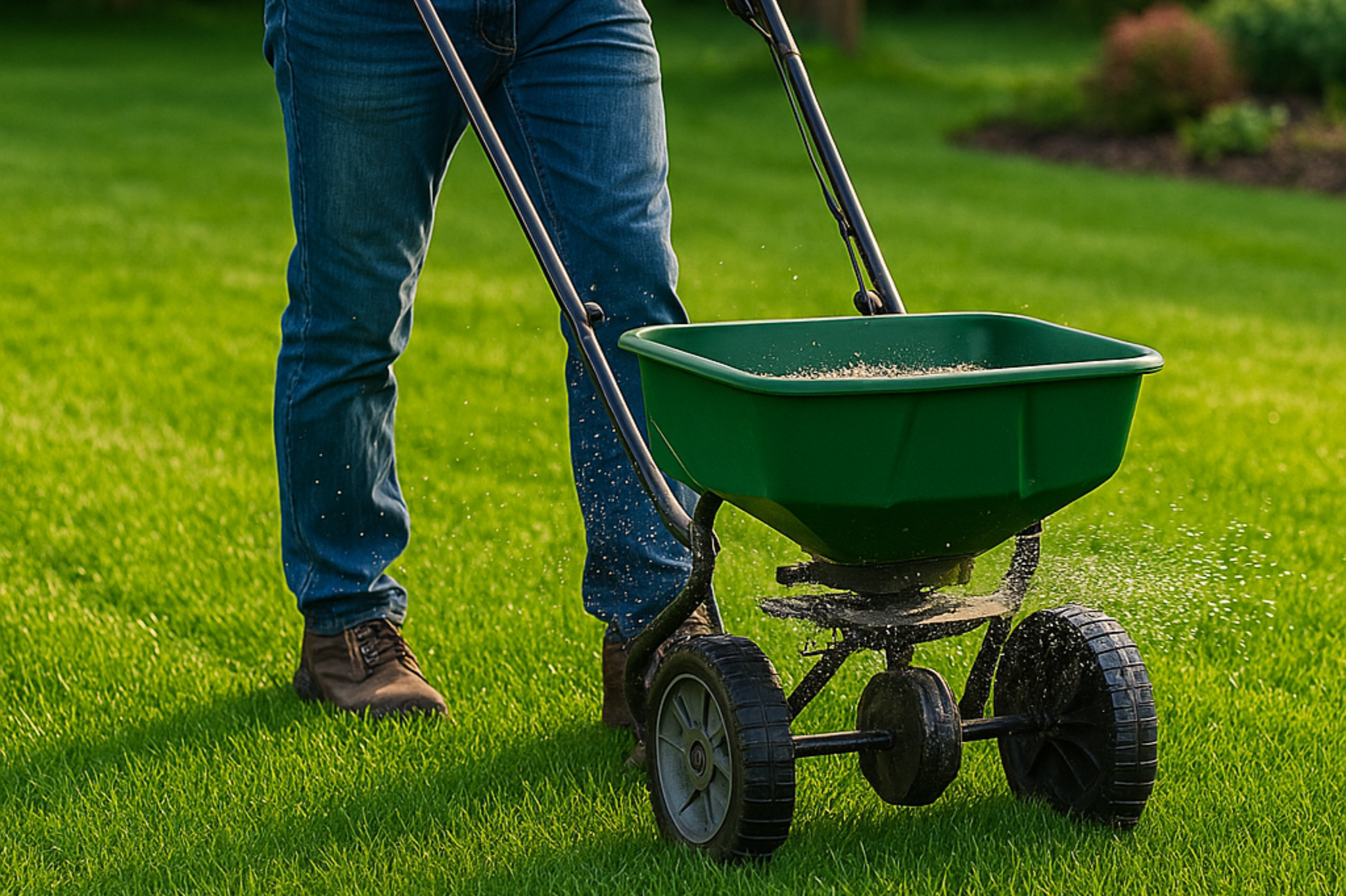
A regular fertilization schedule ensures your lawn gets the nutrients it needs year-round. In spring, apply a balanced fertilizer to support new growth. In summer, use a slow-release fertilizer to maintain color without overstimulating growth. In fall, apply fertilizer high in potassium to strengthen roots before winter. Avoid over-fertilizing, which can burn grass and pollute groundwater—a soil test can guide you to the right nutrient mix.
6. Control Weeds and Pests Early
Weeds and lawn pests can quickly take over if left unchecked. Apply pre-emergent weed control in early spring before crabgrass and spurge germinate. Spot treat problem areas with herbicides or natural methods, and use mulch around beds and borders to block weed growth. Monitor for pests like grubs or chinch bugs—look for thinning grass, brown patches, or visible insects. A proactive approach prevents bigger problems later.

7. Consider Overseeding and Lawn Renovation
If your lawn is thin, patchy, or stressed from summer heat, overseeding can bring it back to life. Fall overseeding is especially effective in Southern Utah—cooler air and warm soil create perfect growing conditions, and grass seeds germinate quickly and establish strong roots before winter. Pair with aeration to give seeds direct soil contact and better moisture absorption. Choose drought-tolerant varieties like tall fescue or turf-type perennial ryegrass to improve long-term health and reduce water demands.

A Green Lawn Starts With Smart Care
The best way to achieve a lush, green lawn in Southern Utah is to combine the right grass type, healthy soil, efficient watering, and consistent maintenance. While it takes effort and planning, the results are worth it—a vibrant lawn that boosts your home's beauty and value.
📞 If you're ready to upgrade your lawn, contact C&K Landscaping today. We can help with everything from soil preparation to irrigation design and seasonal maintenance—let's create a lawn that thrives in Southern Utah's unique climate.
Topics: