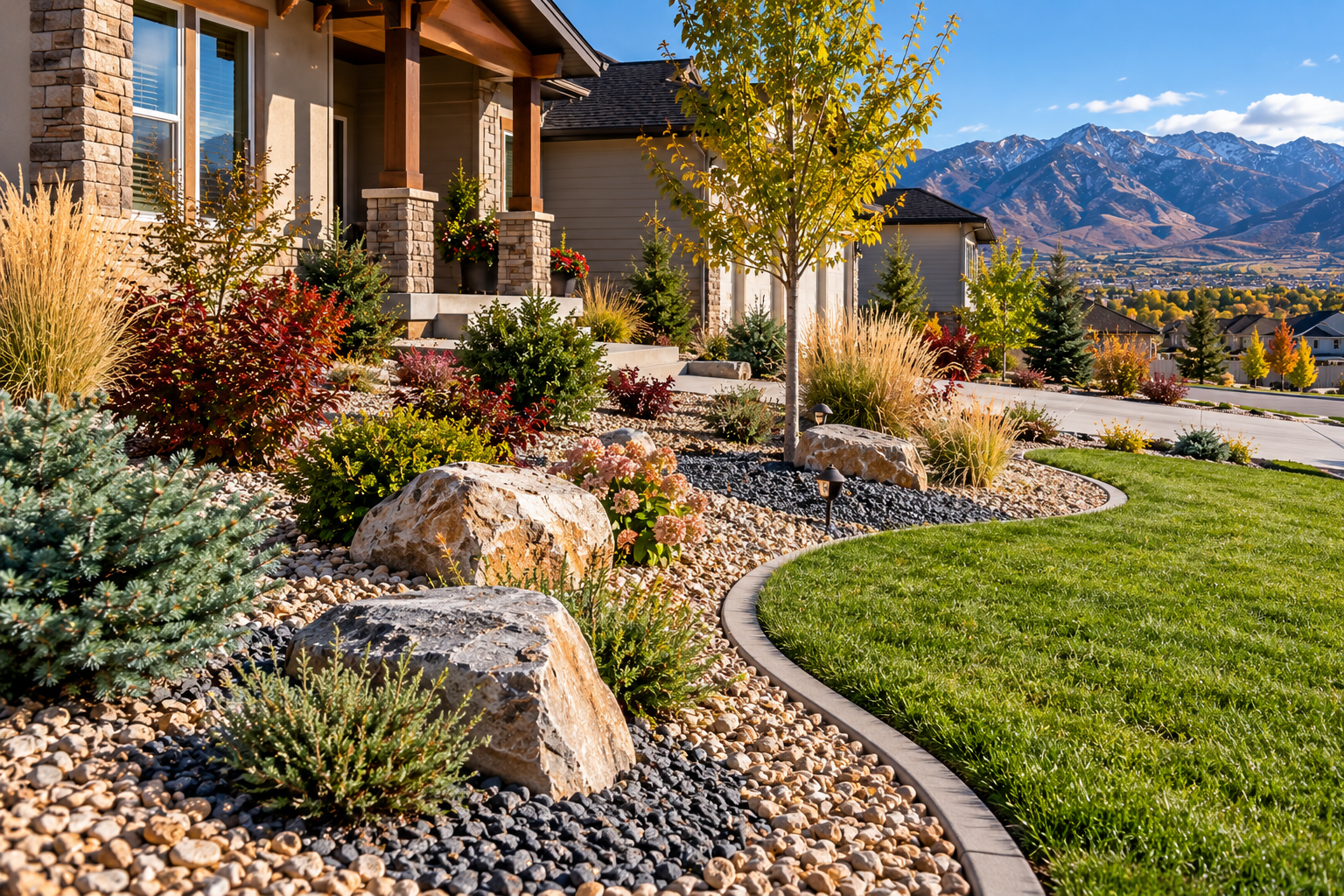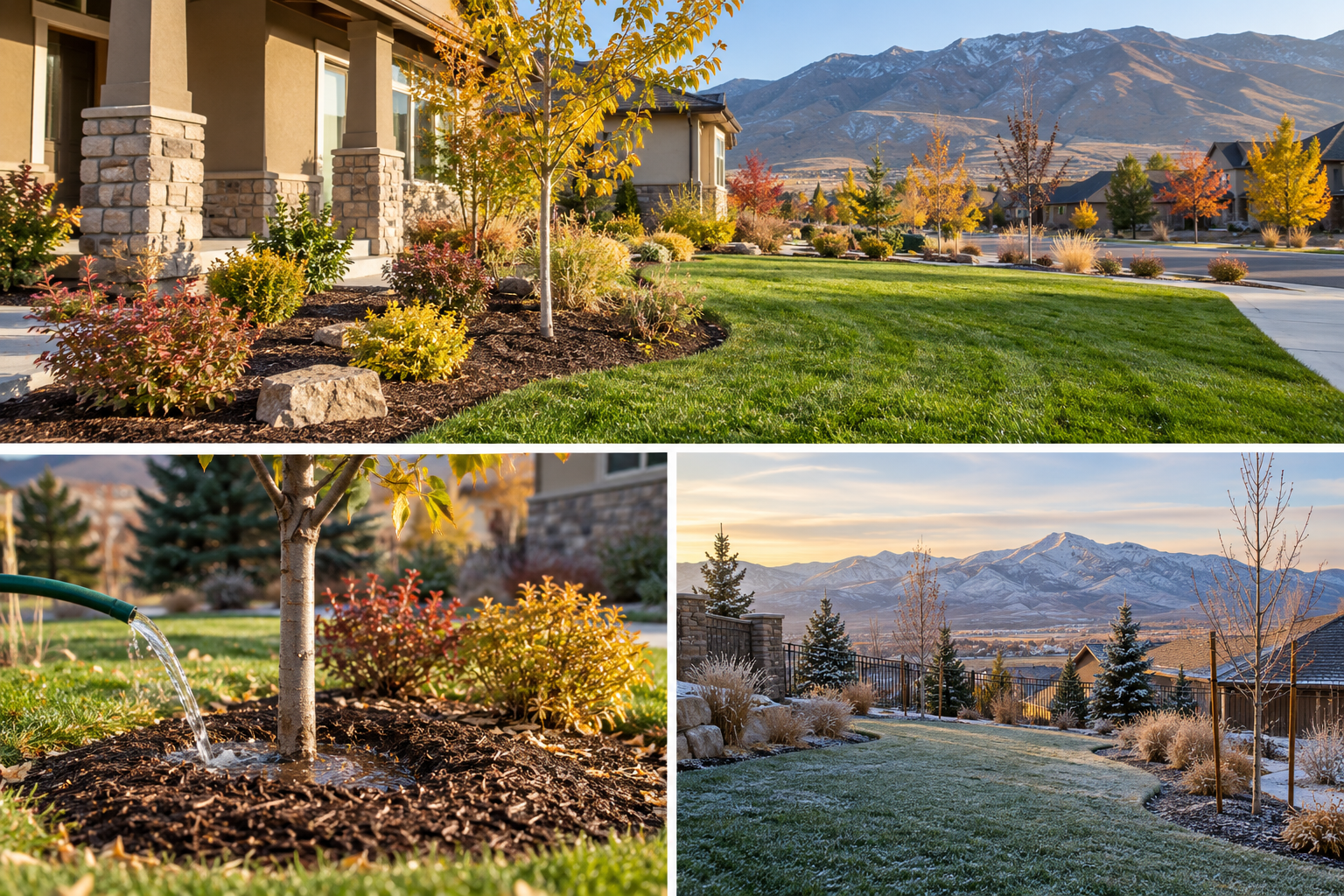

Slopes and hills can feel like a landscaping nightmare—but with the right approach, they become one of the most dramatic and interesting features of any property. Whether you're dealing with a gentle grade or a steep embankment, there are smart, proven solutions that prevent erosion, manage runoff, and look great year-round.
Why Slopes Need Special Attention
Left untreated, sloped ground erodes. Rain carries away topsoil, exposes roots, and creates muddy runoff that damages your yard, your foundation, and sometimes your neighbors' property. Standard mowing becomes dangerous on grades above 15–20%. And planting grass is often a losing battle—it never roots well enough to hold without constant reseeding.
The goal with slope landscaping is to stabilize the soil, slow water movement, and create a planting plan that works with gravity rather than against it.
1. Terracing
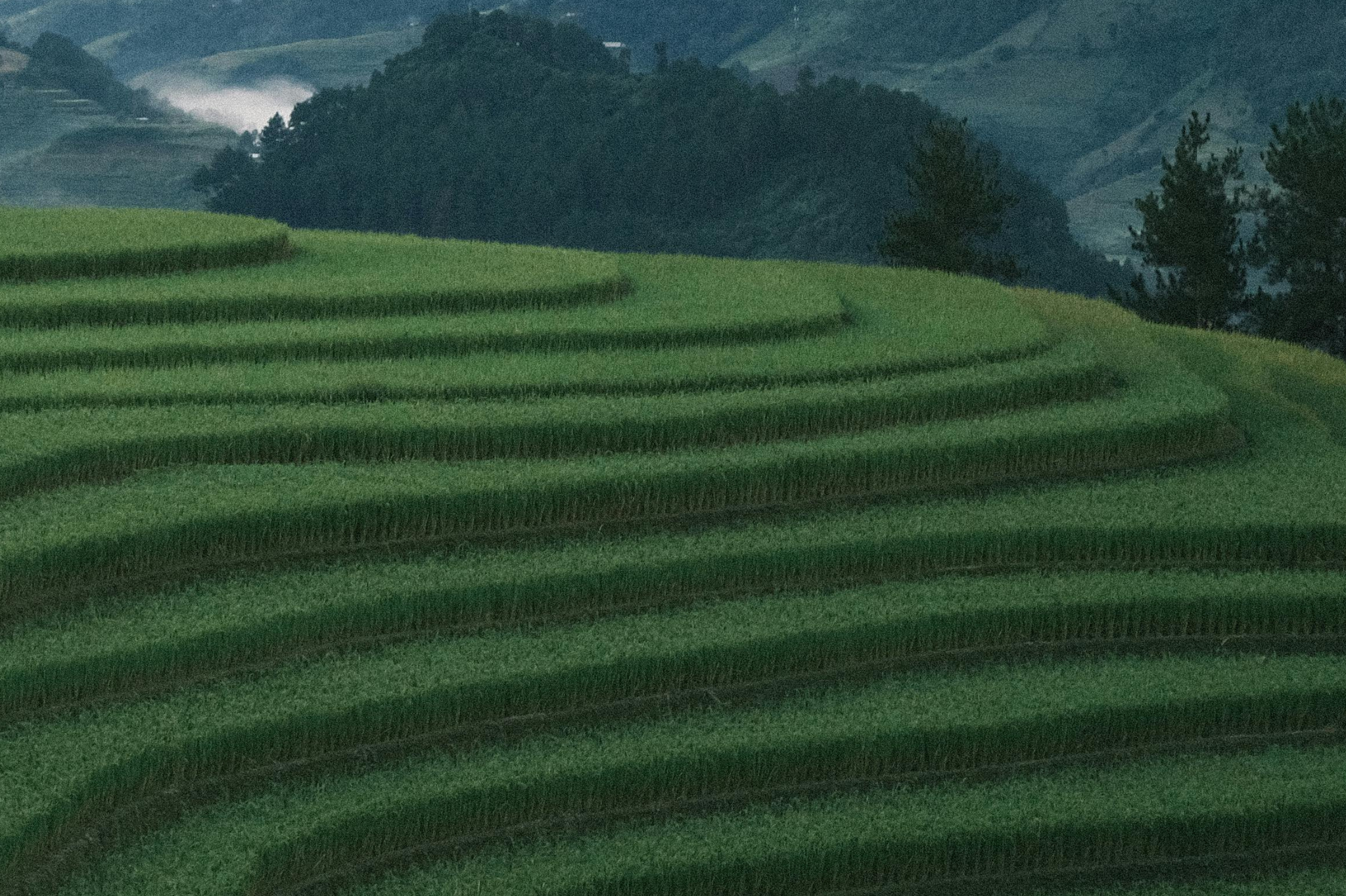
Terracing is the gold standard for steep slopes. It converts a hillside into a series of flat steps—each level becomes a usable planting bed, seating area, or garden space. Retaining walls (stone, timber, or concrete block) hold each terrace in place.
Terracing works best for slopes steeper than 33%, properties where you want a formal, structured look, and hillsides where you want to grow vegetables, flowers, or mixed plantings. It's the most labor-intensive option upfront, but it transforms an unusable slope into the most functional part of your yard.
2. Deep-Rooted Groundcovers

For gentle to moderate slopes, low-growing plants with deep, fibrous root systems are one of the most cost-effective solutions. Their roots hold soil in place while their foliage slows runoff and shades out weeds.
Best options for slope coverage include creeping juniper—drought-tolerant, spreads wide, holds slopes with minimal care—and blue rug juniper, a lower-growing variety ideal for quick coverage. Russian sage is tough, aromatic, and thrives in poor soil. Ornamental grasses have deep roots and flexible stems that absorb rain impact. Ice plant is excellent for dry, sunny slopes in warmer climates. These plants typically cost $2–5 per square foot to install and require almost no maintenance once established.
3. Retaining Walls with Drainage
Not all slopes need terracing across the entire hillside. Sometimes a single retaining wall at the base of a slope is enough to stop erosion and create a planting bed above. The key is proper drainage behind the wall.
A well-built retaining wall includes weep holes that let water drain through rather than build up pressure behind the wall, gravel backfill that directs water to those weep holes, and filter fabric that prevents soil from migrating into the gravel layer. Proper drainage separates a wall that lasts 30 years from one that leans or topples in 5. Walls also add real property value—they turn raw slope into structured, usable space.
4. Rock Gardens and Riprap
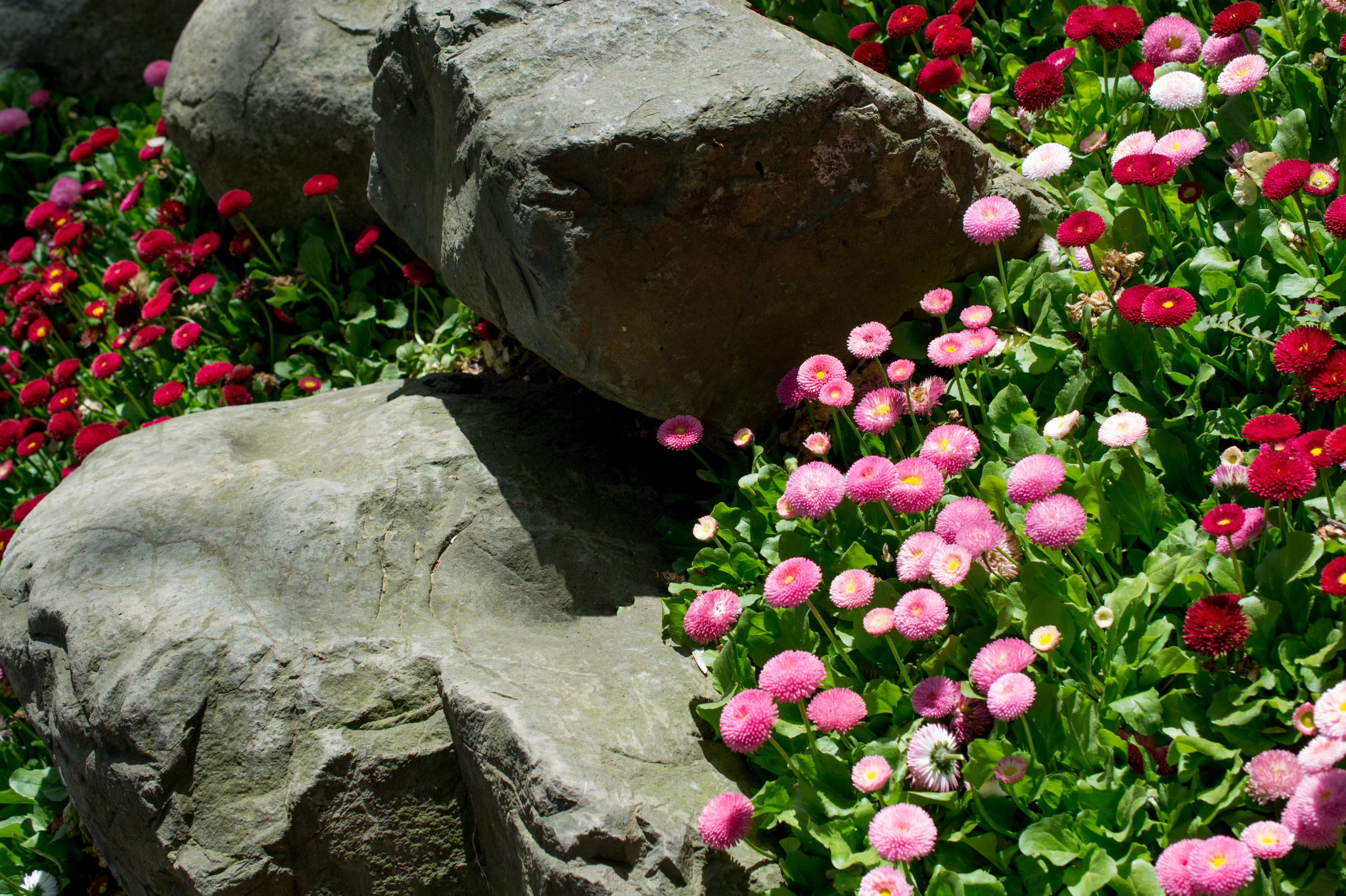
For steep, dry slopes where plants struggle to establish, rock is often the smartest solution. Riprap—angular stone laid in layers—protects bare soil from water erosion and requires zero maintenance once installed.
Rock gardens go a step further, combining large anchor stones with drought-tolerant plants tucked between them. The stones hold moisture, moderate soil temperature, and give plants a sheltered place to root. Rock solutions are ideal for very steep slopes (over 40%), dry exposed hillsides with poor soil, and areas where you want a naturalistic look with minimal upkeep.
5. Native Grasses and Wildflower Meadows
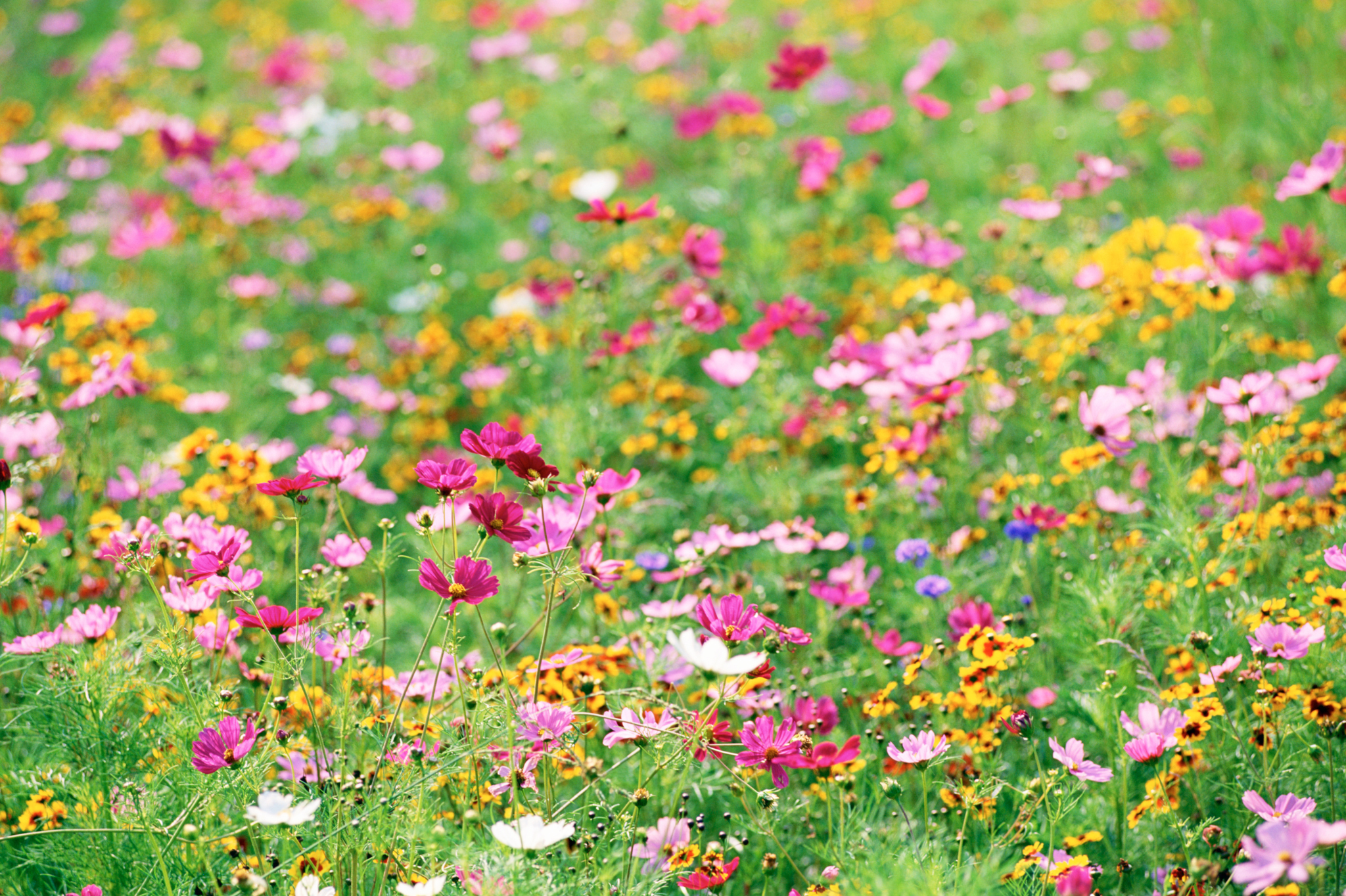
Native grasses and wildflowers evolved to hold hillsides without human help. Their root systems run deep—often 6 to 12 feet—anchoring soil far more effectively than turf grass. Once established, they need no irrigation, no fertilizer, and minimal mowing.
For slopes, consider little bluestem (stunning blue-green foliage, holds slopes well), prairie dropseed (fine-textured grass that forms dense erosion-resistant mats), and native wildflowers like black-eyed Susan, coneflower, and wild bergamot that self-seed and spread naturally. A wildflower meadow slope takes 2–3 seasons to fully establish, but after that it's essentially self-sustaining.
What to Avoid on Slopes
Some common landscaping choices actually make slope problems worse. Turf grass has shallow roots that don't hold slopes well, and mowing on a grade is both difficult and dangerous. Bark mulch alone washes away in heavy rain without a geotextile fabric underneath. Annual flowers need to be replanted every year, leaving soil exposed during transition. And poorly routed downspouts—directing roof drainage onto an unstable slope—accelerate erosion dramatically.
The C&K Approach to Slope Landscaping
When we tackle a hillside project, we start with a site assessment: measuring the grade, identifying where water collects or flows, and checking for any existing drainage issues. From there, we develop a plan that typically combines erosion control fabric installed before planting, deep-rooted plants selected for the specific slope angle and sun exposure, spot retaining walls or terracing where the grade is steepest, drip irrigation lines for slopes where establishment watering is needed, and a mulch layer secured with fabric stakes rather than just laid on top.
What Does Slope Landscaping Cost?
Costs vary widely depending on the solution. Groundcovers run $2–5 per square foot installed. Rock gardens and riprap cost $5–12 per square foot. Terracing ranges from $15–40 per square foot depending on wall material and height. Full design-build on a steep hillside can run $20–60+ per square foot. Most homeowners find that investing in the right solution upfront—rather than patching erosion year after year—saves significant money over time.
Ready to stop fighting your slope and start enjoying it? Contact C&K Landscaping today for a free on-site estimate.
Topics: