Choosing the best gravel for your driveway is more than just picking a bag at the hardware store. It's a critical decision that impacts durability, maintenance, aesthetics, and even your vehicle's tires. With so many options available, how do you determine which material is right for your home and climate?
Why Gravel? The Foundation of a Great Driveway
Gravel remains a premier choice for driveways due to its excellent drainage, cost-effectiveness, and natural appeal. Unlike paved surfaces, a properly installed gravel driveway allows water to permeate, reducing runoff and puddling. Before choosing a material, understand what makes gravel perform well: Angularity (rounded stones like pea gravel shift under pressure—angular edges lock together for stability), Size Variation (a well-graded mix includes stones of various sizes so smaller pieces fill gaps between larger ones, creating a dense surface), Durability (the stone must withstand vehicle weight without crushing), and Drainage (it must compact well while still allowing water through).
Top Contenders for the Best Gravel for Driveways
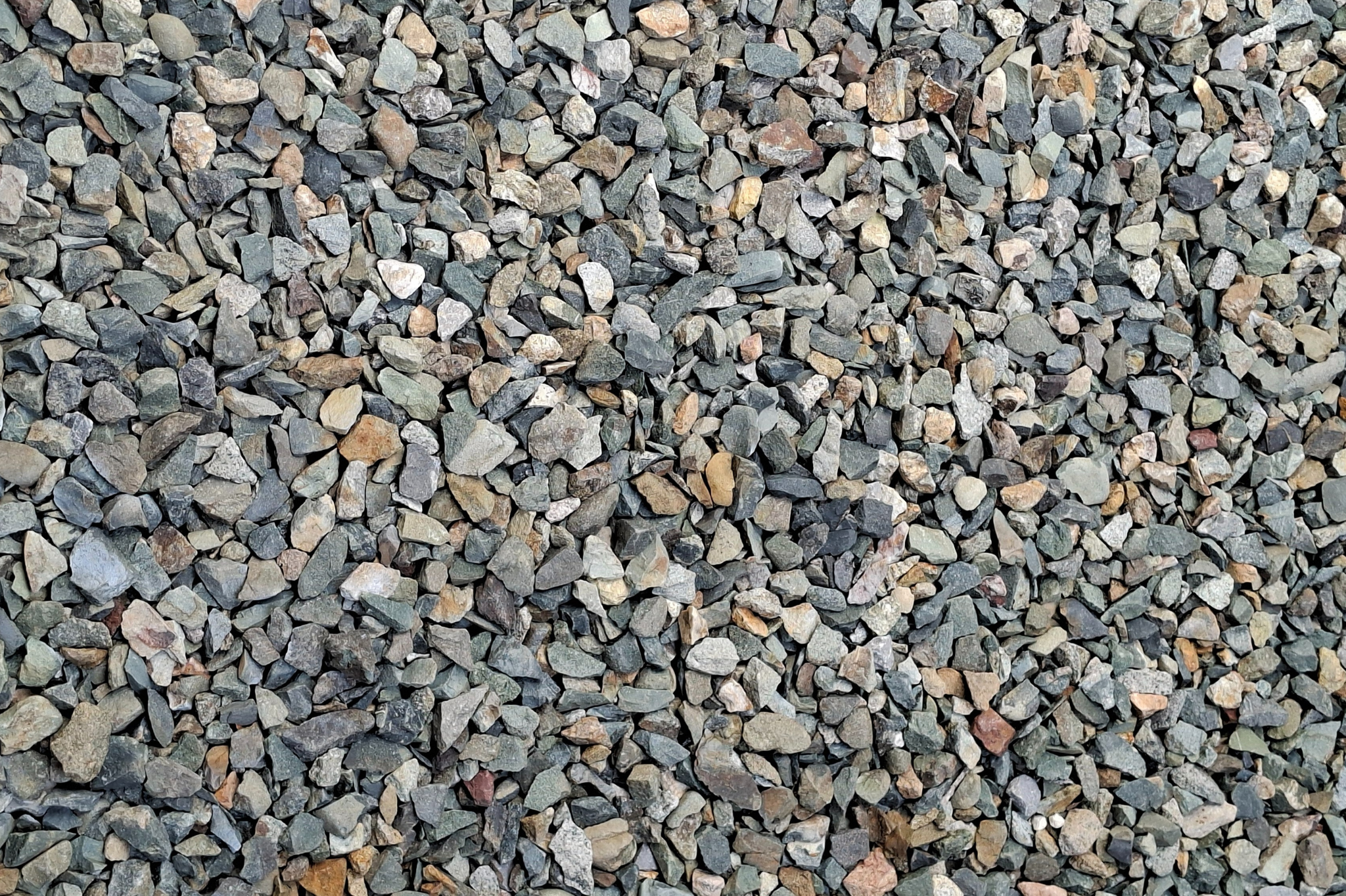
- Crushed Stone (Grade 411 or #3/#1 Mix): Often considered the gold standard. It's a blend of coarse angular stones—often limestone, granite, or trap rock—with stone dust (fines). The angular stones lock together while the fines act as a binding agent when compacted, creating a semi-permeable, solid surface. Highly stable for vehicle traffic. Best for primary driveways with regular use.
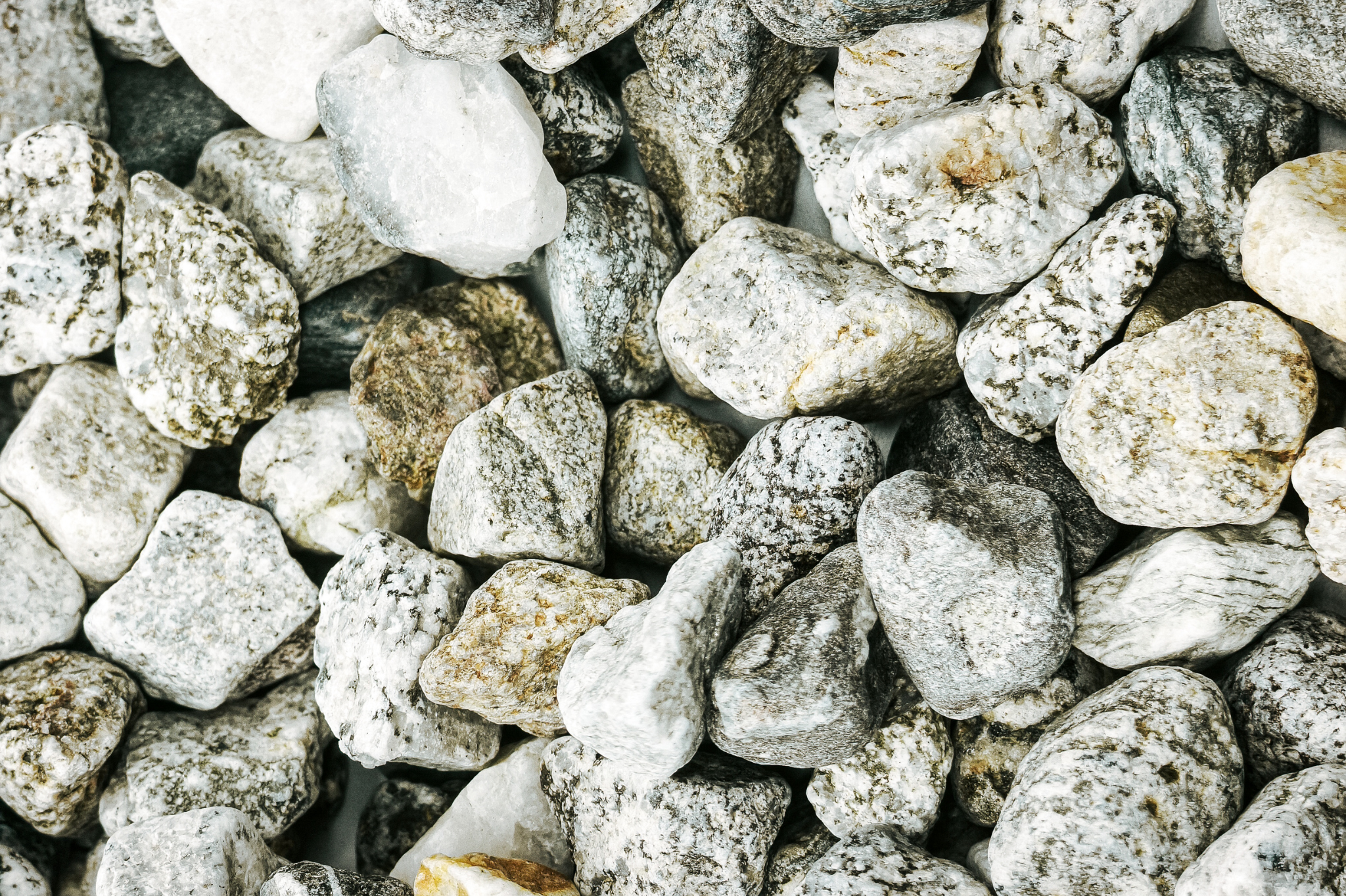
- Crushed Granite: Similar to general crushed stone but specifically from hard granite. Exceptionally durable and aesthetically pleasing with speckled gray, white, and black tones. Granite is one of the hardest natural stones, resisting wear and weathering exceptionally well. Best for homeowners seeking supreme durability and an attractive appearance.
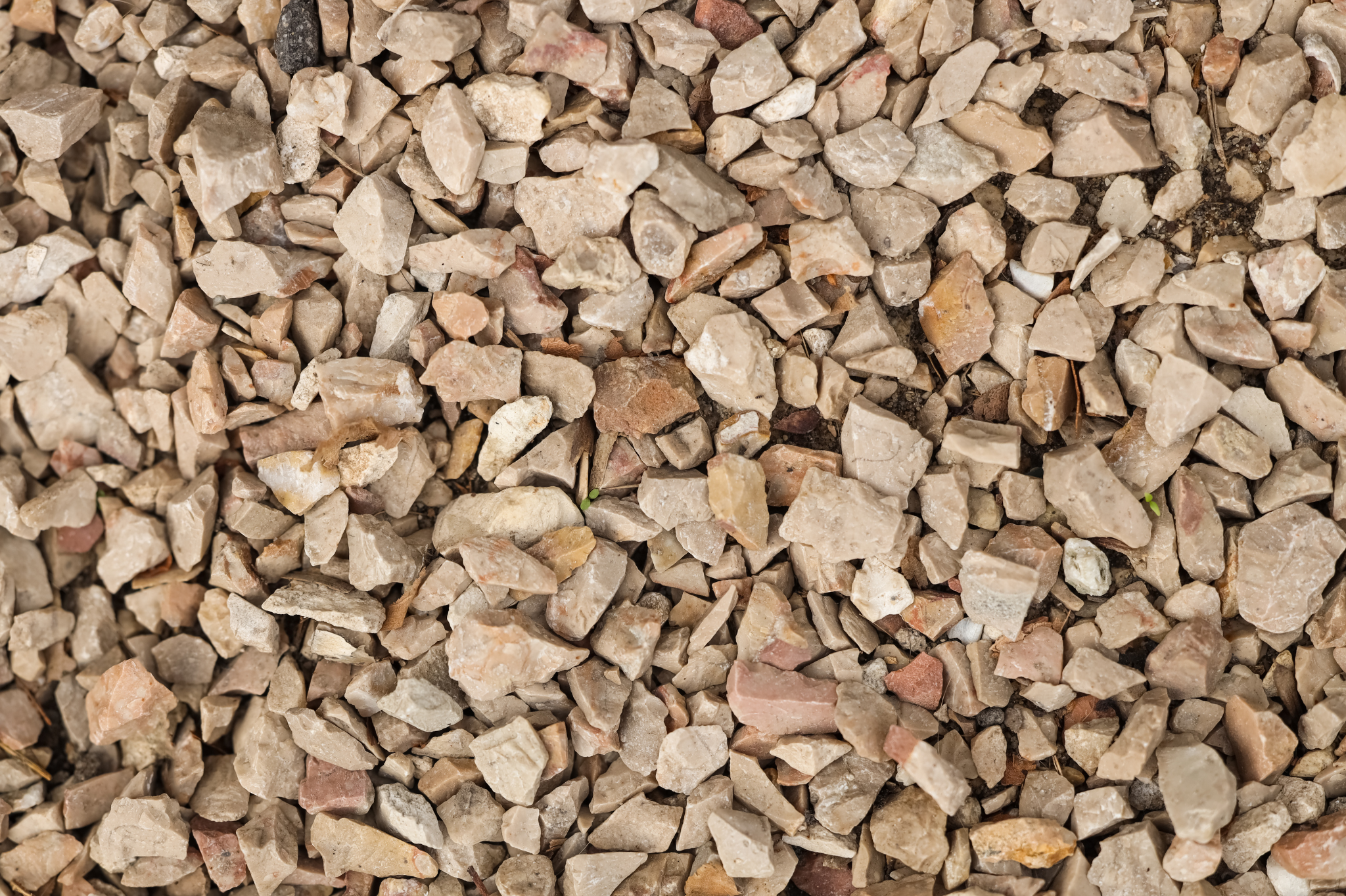
- Limestone (Crushed or Dolomite): A very popular and cost-effective option. Crushed limestone with fines offers good compaction and a light gray color that brightens the landscape. Dolomite is harder and provides excellent drainage but may not compact as firmly. Best for those wanting a lighter-colored, economical material—ensure you get a well-graded mix with fines.
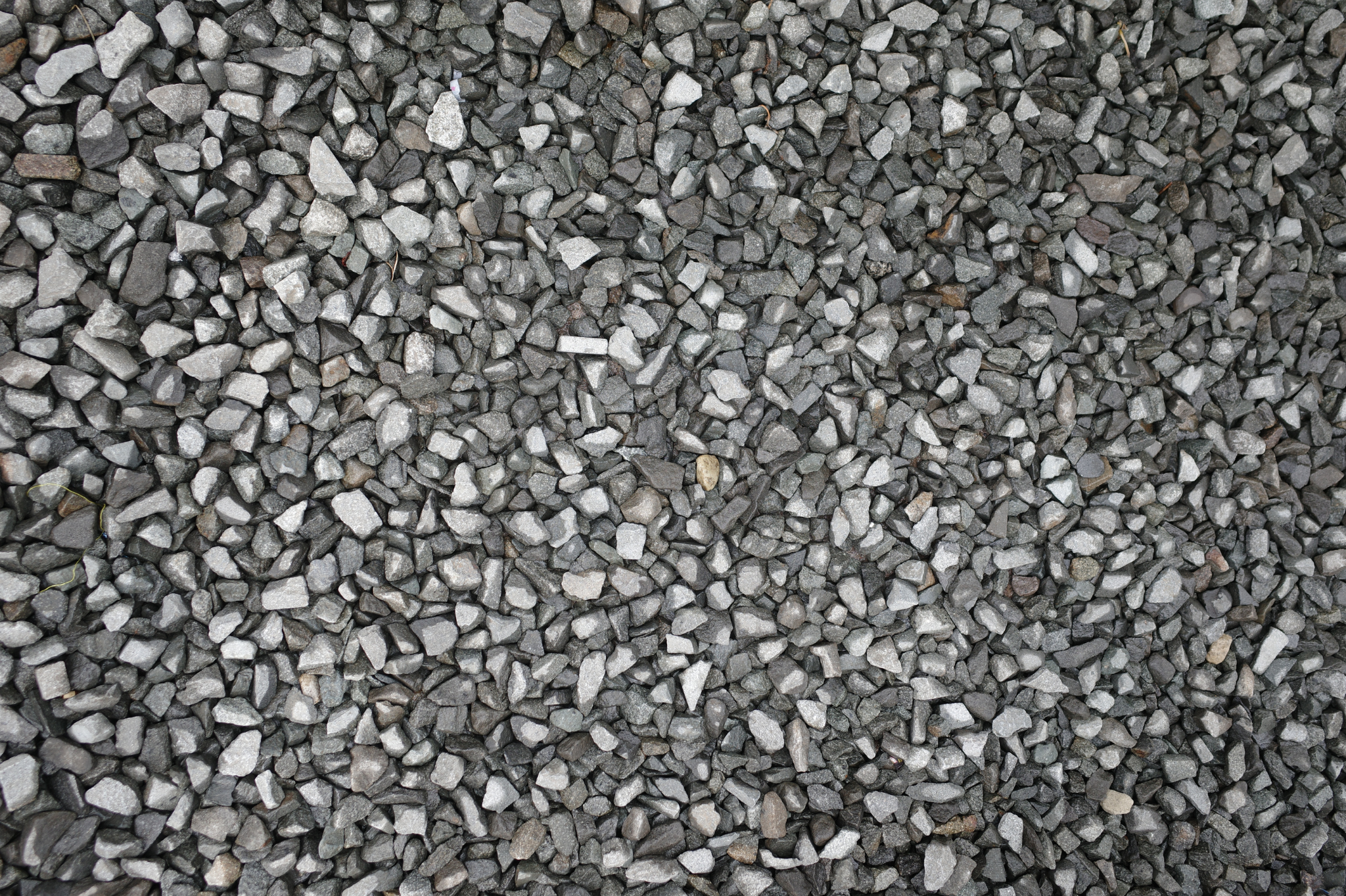
- Trap Rock (Basalt): One of the most durable and heavy-duty options. Trap rock is a dark volcanic rock that is incredibly dense—angular, crushed basalt in dark gray to black. Its extreme hardness resists crushing and weathering, providing exceptional stability and a unique, modern aesthetic. Best for long driveways, heavy truck traffic, or where a dark sophisticated look is desired.
What About Pea Gravel?
Proceed with caution. Pea gravel's smooth, rounded stones are attractive and comfortable underfoot, but they are not ideal for a primary driving surface—they roll and displace easily under tires, leading to constant raking and replenishment. It works well as a decorative top layer over a stable base or for walkways, but it is not the best gravel for driveways that see daily use.
The Installation Secret: It's All About the Base
Even the best gravel will fail without proper installation. The key is a solid, multi-layered base: Excavation and grading (the area is dug out and sloped for drainage, typically a 2% crown), then a geotextile fabric to prevent weeds and subsoil mixing, a base layer of 4–6 inches of large coarse crushed rock that is compacted, and finally 2–3 inches of your chosen surface gravel applied and compacted.
Maintenance for Longevity
Regular raking redistributes gravel pushed to the sides. Annual top-ups of a fresh inch of surface gravel every 1–2 years maintain depth and appearance. Address any weeds promptly, though a proper fabric base minimizes this significantly.
So, What's the Verdict?
For most homeowners, a well-graded crushed stone mix (like Item #4/411) offers the perfect balance of performance, availability, and value. If you prioritize maximum durability and a distinct look, crushed granite or trap rock are outstanding investments.
The true answer depends on your specific property, budget, and aesthetic. The most critical factor is pairing a high-quality, angular material with professional-grade installation.
At C&K Landscaping, we don't just deliver gravel—we engineer driveways built to last. From assessing your soil and drainage to recommending the perfect material and executing precise installation, we ensure your driveway is a stable, attractive, and low-maintenance asset to your home. Contact us today for a consultation and let's build a foundation you can drive on with confidence for years to come.
Topics: