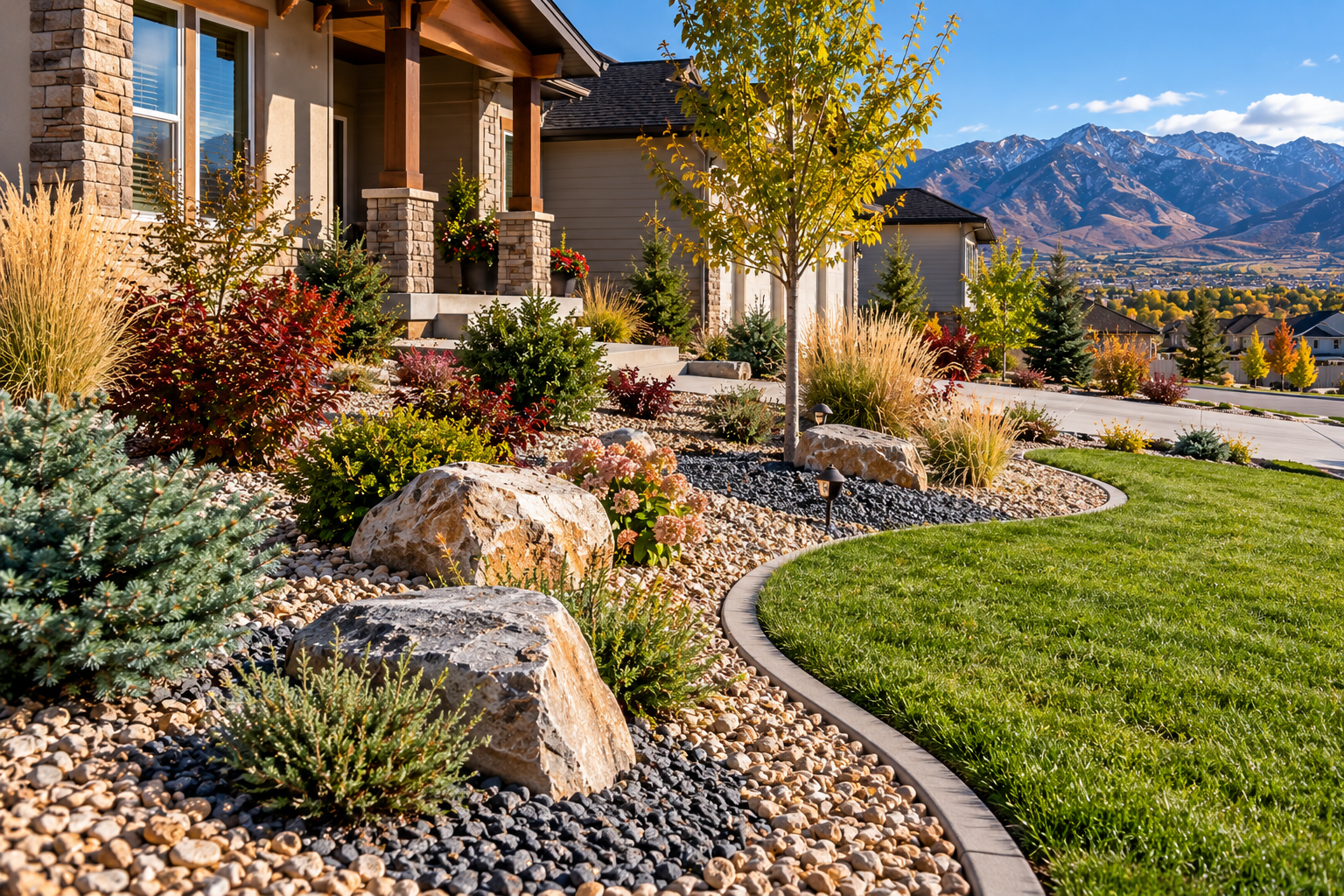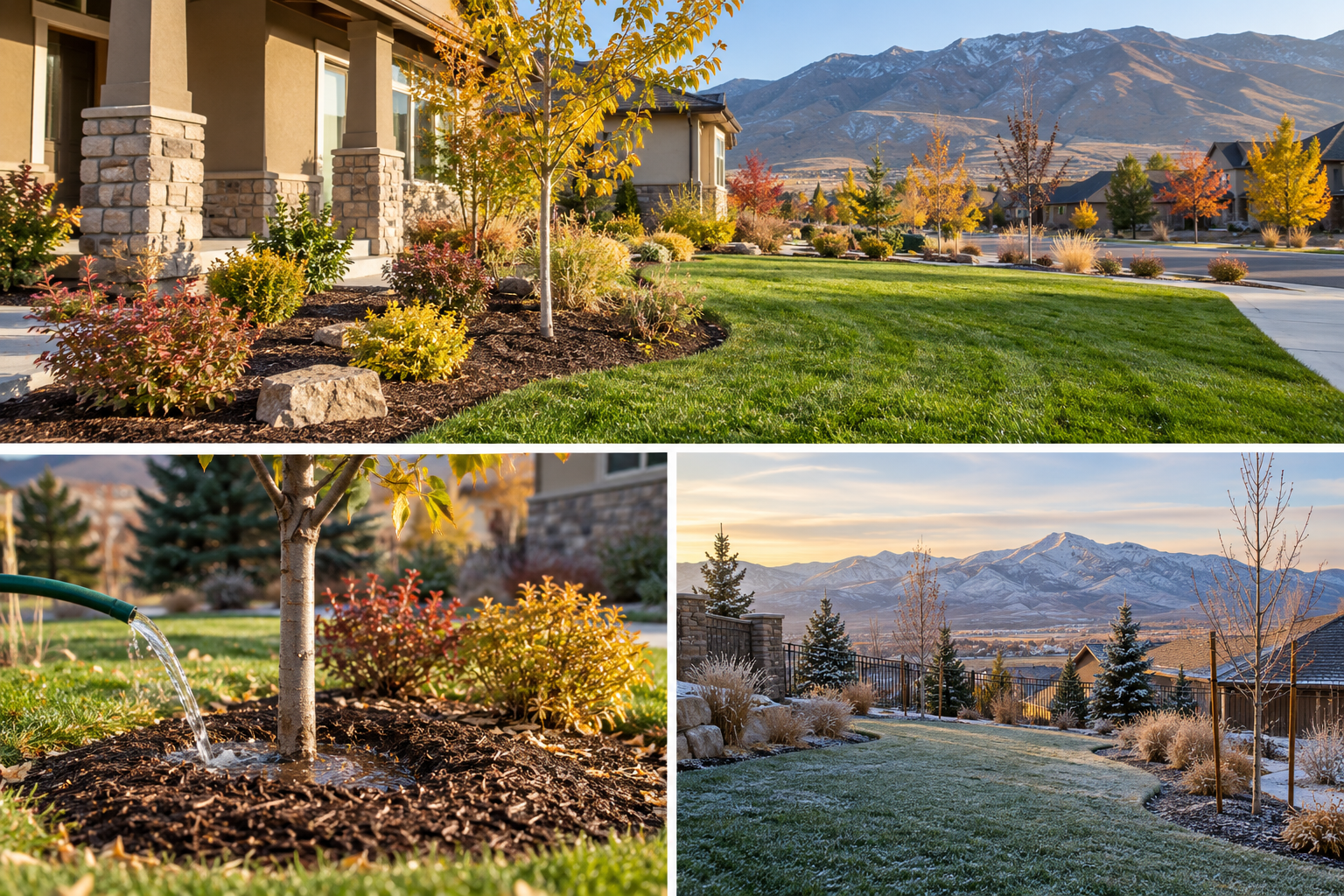

Not all plants are created equal—especially when it comes to landscaping in Utah. Whether you live in Southern Utah's desert climate or the more temperate Northern region, certain plants can become more of a burden than a beauty. Invasive species, water hogs, fire hazards, and plants that attract pests or threaten native ecosystems can all wreak havoc on your yard and your wallet.
Why It Matters: The Risks of Choosing the Wrong Plants
Utah's diverse climates demand thoughtful plant selection. Choosing the wrong species can lead to excessive water use in an already drought-prone state, soil degradation, invasive spread that chokes out native plants, increased fire risk, pest infestations, and poor curb appeal from plants that just can't thrive. Avoiding problematic plants saves you time, money, and maintenance—and protects your neighborhood's natural balance.
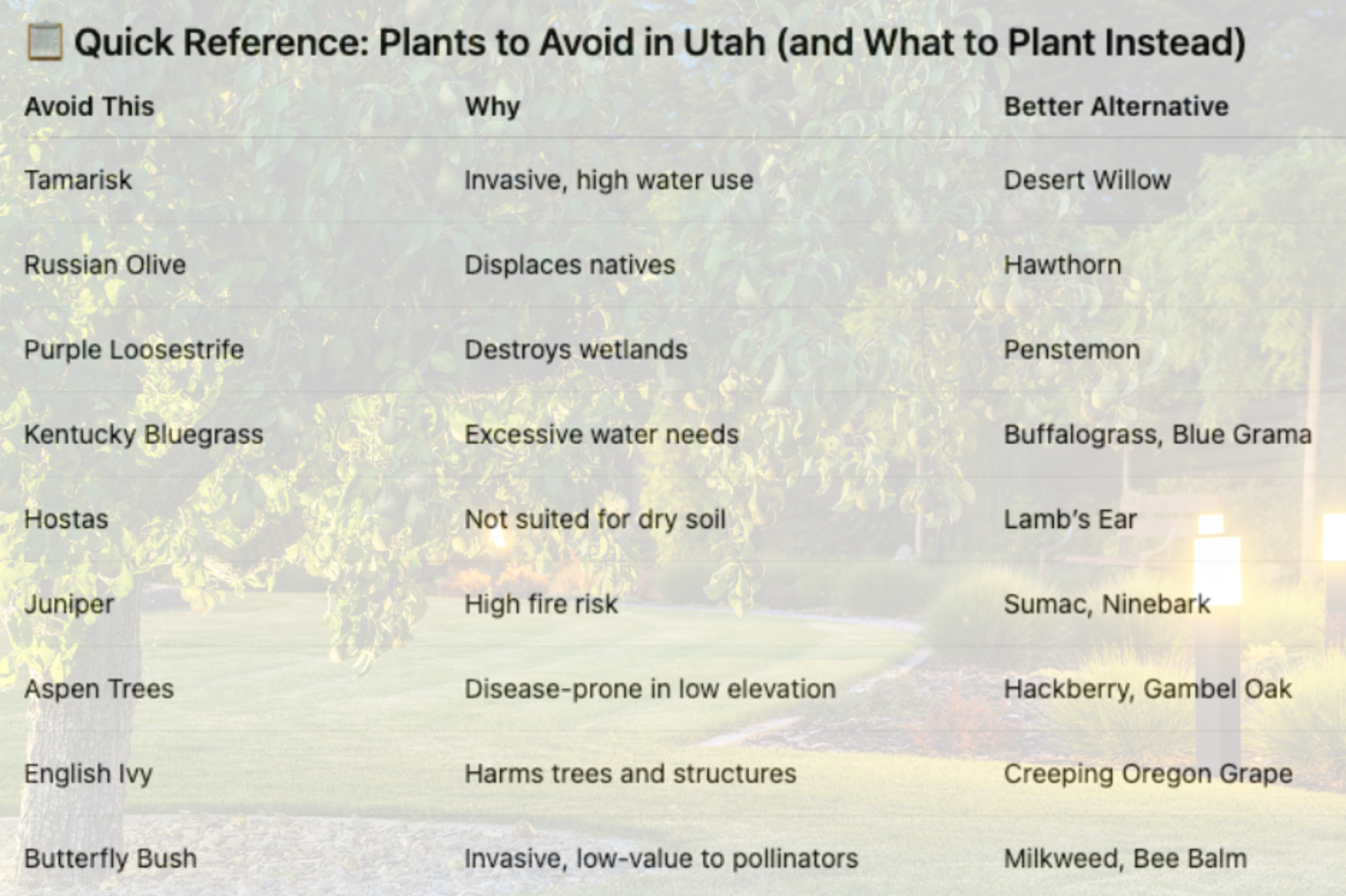
Invasive Plants to Avoid in Utah Landscapes
Invasive species are aggressive growers that outcompete native plants. Many were introduced for ornamental purposes but have since escaped cultivation.
- Tamarisk (Saltcedar): Invades riparian areas, depletes water sources, and increases soil salinity. Better option: Desert Willow or Serviceberry.
- Russian Olive: Displaces native vegetation, reduces wildlife habitat, and is difficult to remove. Better option: Hawthorn or Crabapple.
- Purple Loosestrife: Destroys wetlands and outcompetes native wetland plants. Despite its pretty flowers, it's devastating to native habitats. Better option: Bee Balm or Rocky Mountain Penstemon.
High Water-Use Plants You Should Skip
Utah is a water-wise state, and many cities offer rebates for replacing thirsty plants with low-water alternatives.
- Kentucky Bluegrass Lawns: Needs 40–50 inches of water per year in a state that averages only 13 inches. Better option: Buffalograss, Blue Grama, or native fescue blends.
- Hydrangeas: Require consistent moisture and shaded, humid environments—high-maintenance in Utah's dry air. Better option: Snowball Viburnum or Spirea.
- Hostas: Thrive in moist, shaded conditions with rich soil—a constant struggle in Utah landscapes. Better option: Desert Marigold, Lamb's Ear, or Creeping Thyme.
Plants That Increase Wildfire Risk
In fire-prone areas of Utah, particularly in foothills or canyon communities, fire-wise landscaping is essential.
- Juniper (Utah or ornamental varieties): High resin content makes it a firestarter. One spark can set off a chain reaction near buildings. Better option: Sumac, Ninebark, or low-growing native grasses.
- Pine and Spruce Trees (near structures): Needles and resin ignite easily; dry needles accumulate around the base. Better option: Deciduous trees like Ash or Oak, which are less flammable.
- Ornamental Grasses (unmanaged): Tall, dry stalks become quick-burning fuel. Without regular cutting, they can spread fires rapidly. Better option: Native bunch grasses cut back seasonally.
Plants That Attract Pests or Disease
- Aspen Trees in Low Elevation: Susceptible to borers, canker, and leaf spot diseases. Not well-suited for urban or low-altitude Utah landscapes. Better option: Hackberry or Gambel Oak.
- Box Elder Trees: Attract box elder bugs—annoying pests that enter homes in fall. Also messy, weak-wooded, and pest-prone. Better option: Honeylocust or Maple.
- Lilacs (in humid microclimates): Prone to powdery mildew and borers if not well-spaced or pruned. Better option: Smokebush, Mock Orange, or Native Currants.
Plants That Harm Native Ecosystems
- English Ivy: Chokes out native ground cover, climbs trees harming bark, and harbors rodents. Better option: Creeping Oregon Grape or Bearberry.
- Chinese Wisteria: Twists around trees and fences, destroys structures, and competes with native vines. Better option: Clematis or Trumpet Vine.
- Butterfly Bush (Buddleia davidii): Displaces native wildflowers and provides low nutrition for pollinators despite its reputation. Better option: Milkweed, Bee Balm, or Liatris.
Final Tips: How to Choose the Right Plants
Before making any major landscaping decision, ask yourself: Is this plant drought-tolerant? Is it native or adapted to Utah's climate? Will it need pesticides or lots of water to survive? Is it safe for pets and children? Does it support local birds, bees, and pollinators? Consulting with a certified local landscaper or nursery can help you identify the best plants for your specific microclimate.
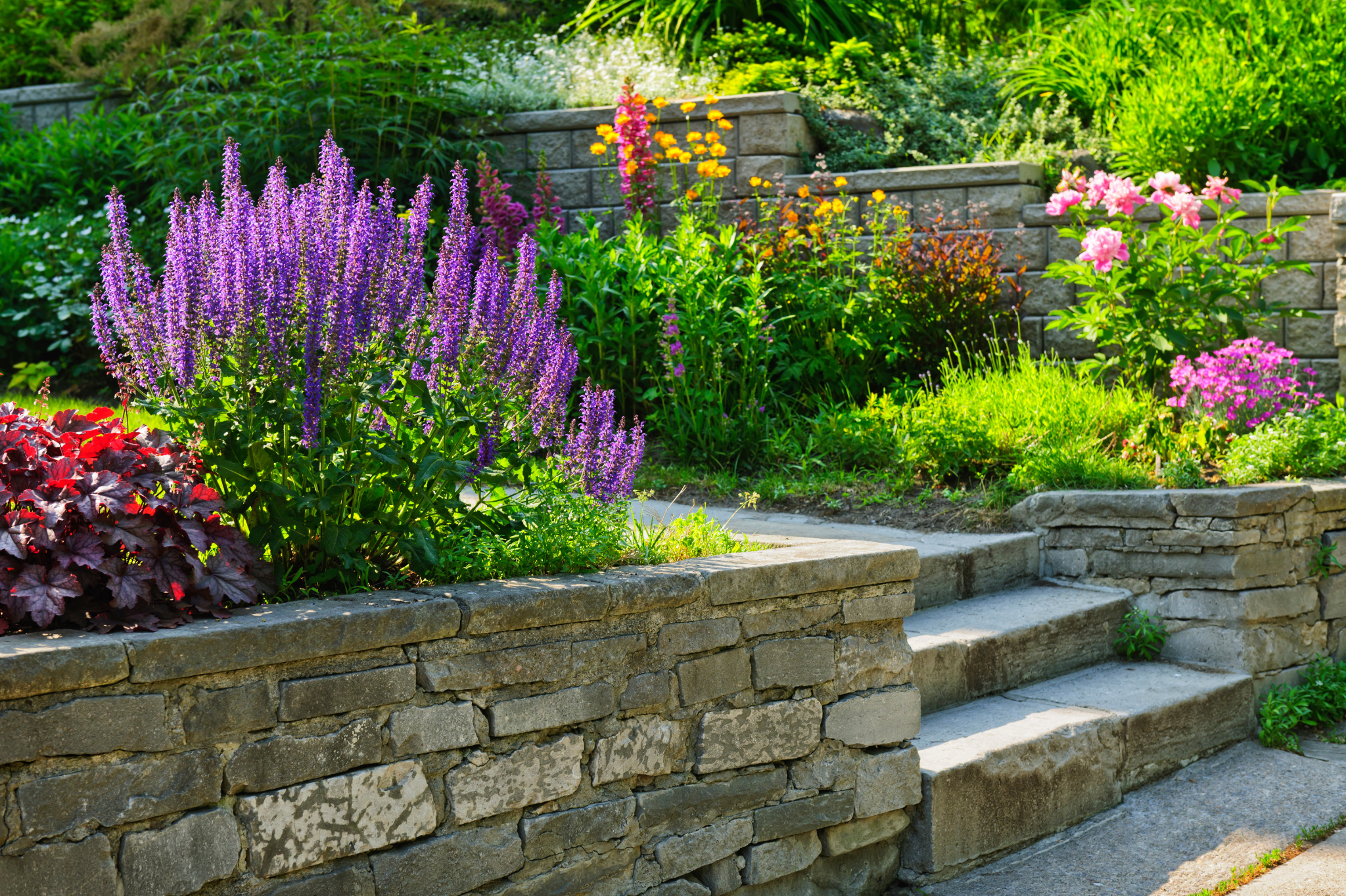
Build a Healthy, Beautiful, Sustainable Landscape
Avoiding the wrong plants is just as important as choosing the right ones. By steering clear of water hogs, fire hazards, invasive species, and pest-prone trees, you protect your property and help Utah thrive. Choose native, drought-tolerant, and low-maintenance alternatives—and your yard will reward you with color, texture, and vitality year after year.
📞 Need help choosing the right plants for your property? Contact us today for expert guidance, plant selection services, and full landscape design tailored to your Utah climate and soil.
Topics: