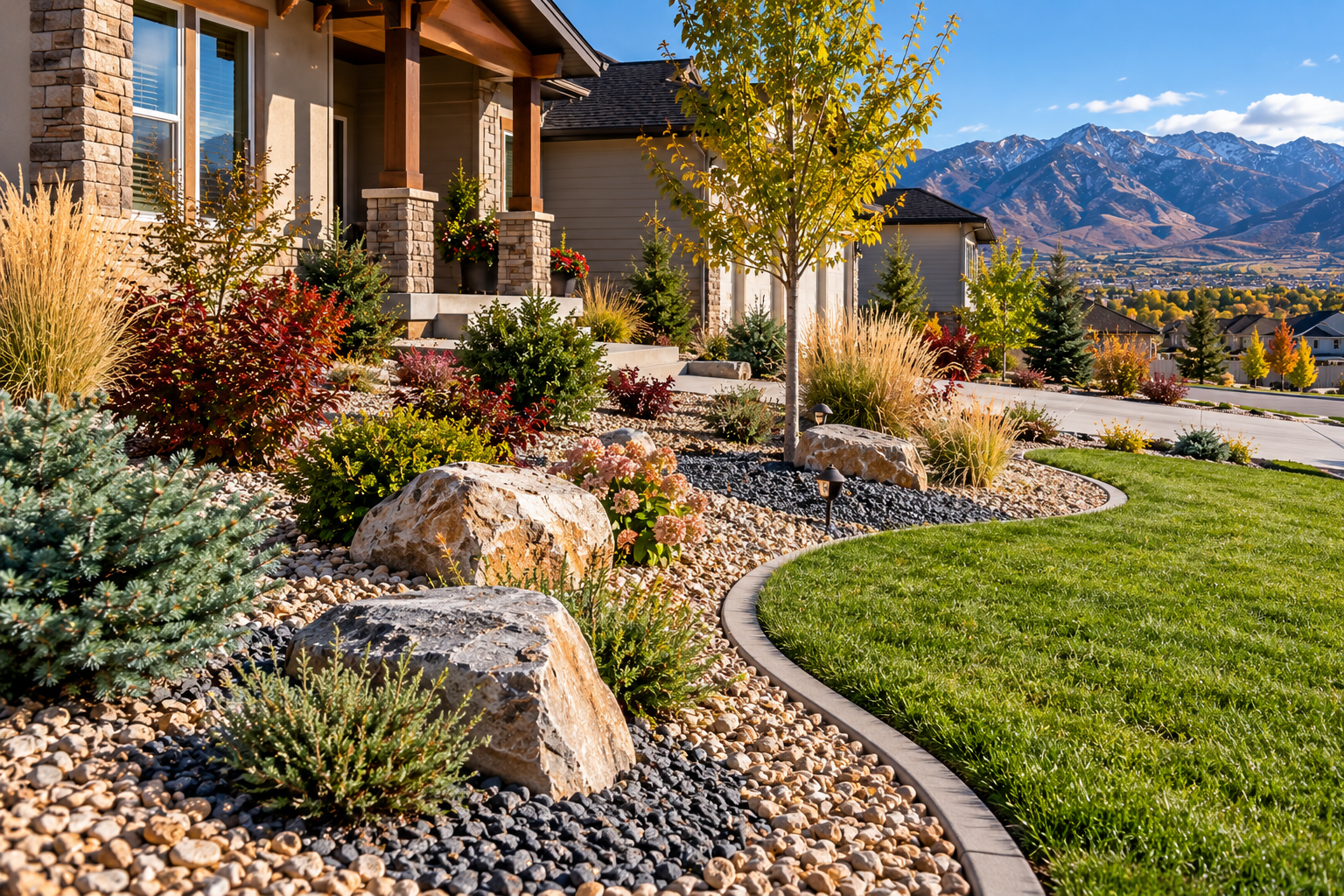
Living in Utah means learning how to thrive in a semi-arid climate—and your yard should be no different. With long summers, hot temperatures, and water restrictions becoming more common, drought-tolerant landscaping is no longer just trendy—it's essential.
So, what are the best drought-tolerant plants for Utah homeowners? As a professional landscape design company serving Utah's diverse regions, we've compiled a list of water-wise plants that are beautiful, low-maintenance, and proven performers in Zones 4–7.
Why Choose Drought-Tolerant Plants in Utah?
Utah landscapes face unique challenges:
- Hot, dry summers
- Low annual precipitation
- High elevation in many areas
- Occasional drought conditions
By choosing native and adapted drought-tolerant plants, you'll:
- Use significantly less water
- Reduce maintenance and upkeep
- Support local pollinators and wildlife
- Create a resilient, sustainable landscape
Top Drought-Tolerant Plants for Utah Landscapes
Penstemon (Beardtongue)
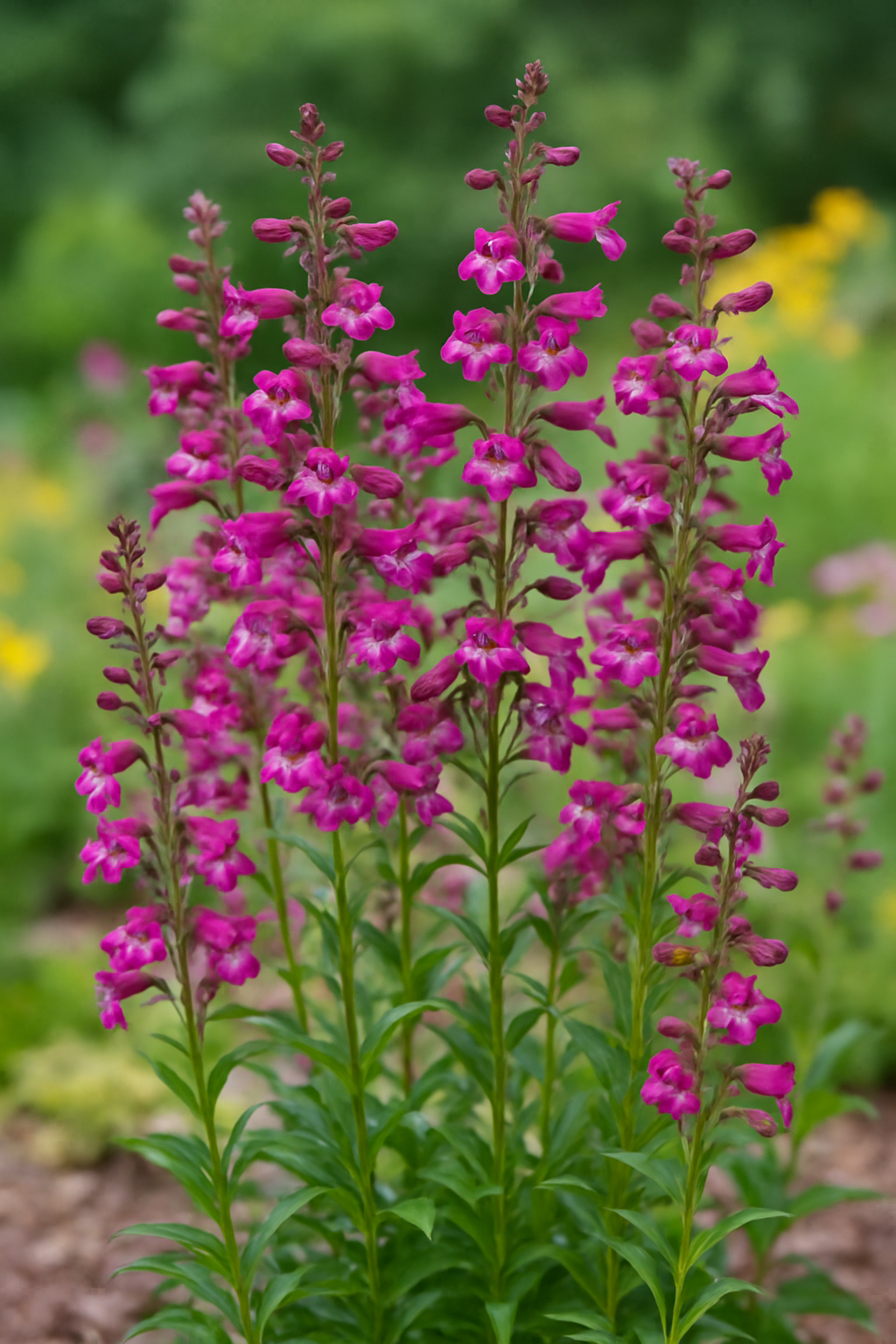
Zone: 3–8. Known for its upright blooms in pinks, purples, and reds, penstemon is a native Utah favorite. It's ideal for dry slopes and pollinator gardens. Full sun. Bloom Time: Late spring to early summer. Thrives in poor soil and attracts hummingbirds.
Blue Grama Grass (Bouteloua gracilis)
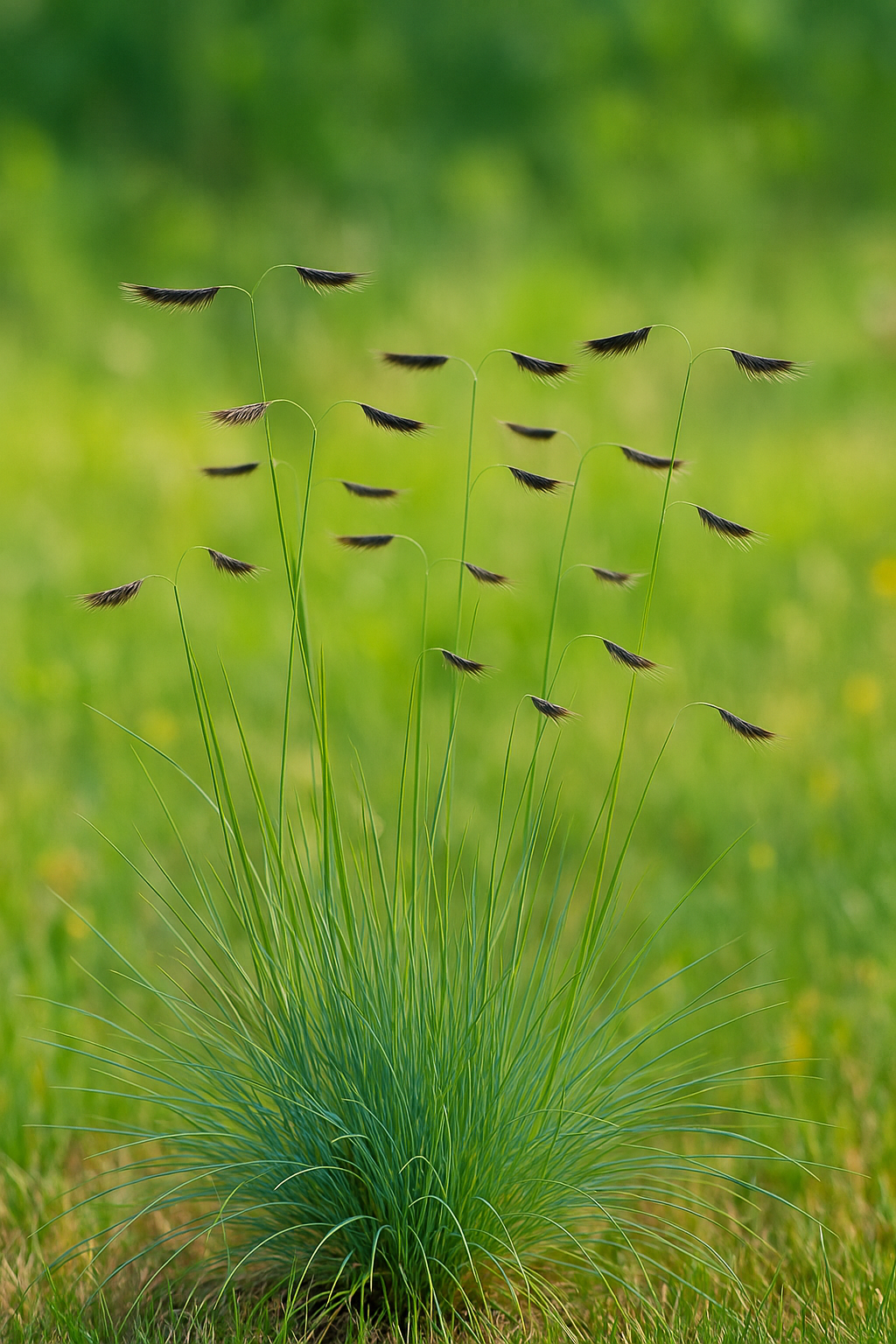
Zone: 4–9. This native ornamental grass offers fine texture, movement, and impressive drought resistance. Full sun. Height: 12–18 inches. Excellent lawn alternative or border filler.
Blanket Flower (Gaillardia aristata)
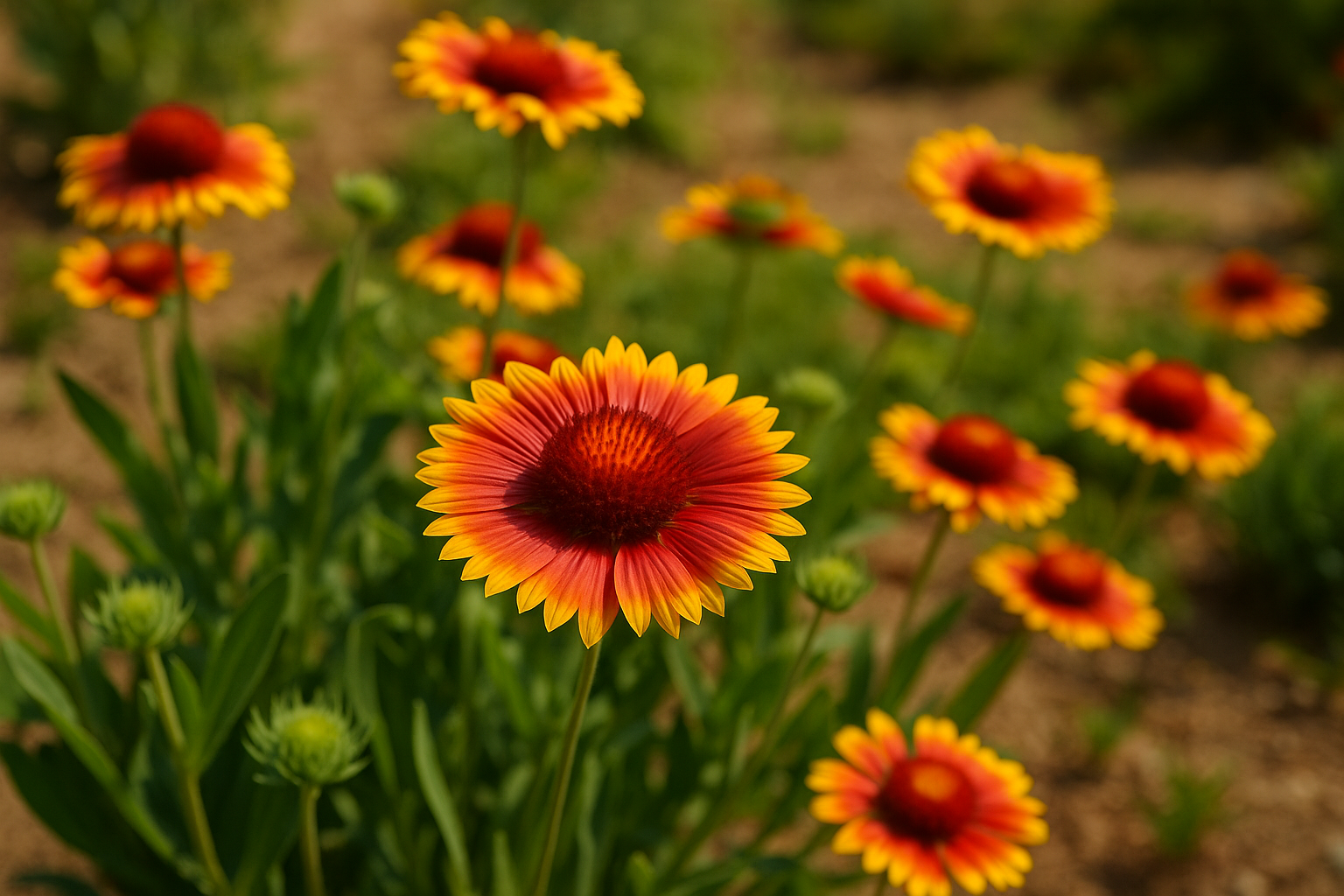
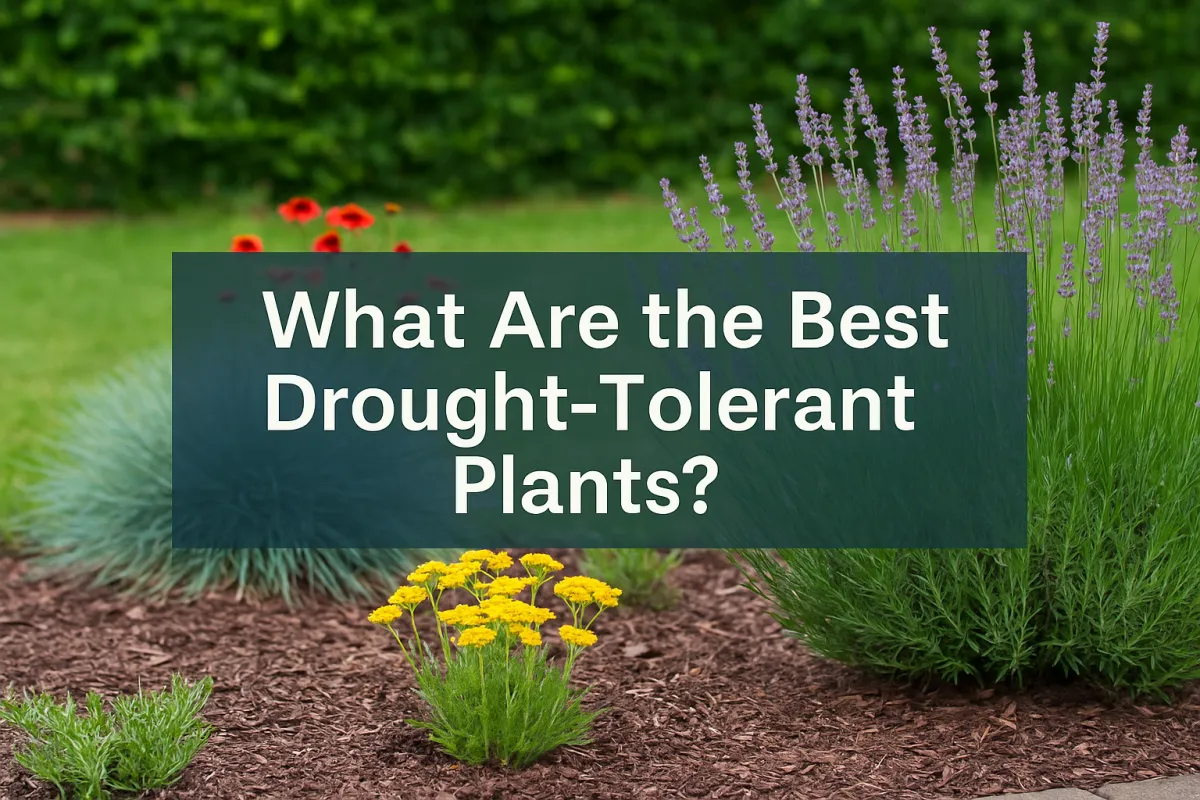
Zone: 3–9. With fiery yellow, orange, and red petals, blanket flower blooms all summer long with little water. Full sun. Bloom Time: Summer to fall. Long blooming and great for pollinators.
Apache Plume (Fallugia paradoxa)
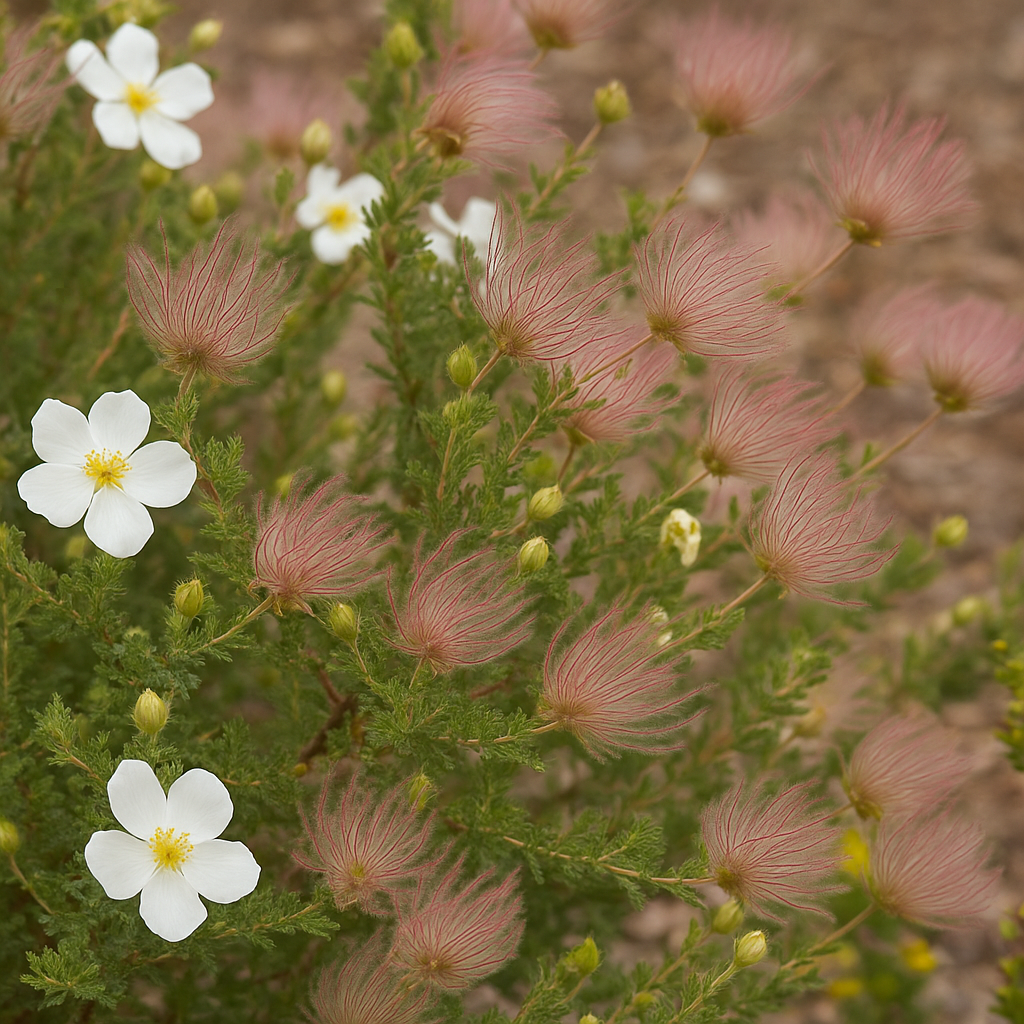
Zone: 4–9. This semi-evergreen shrub thrives in Utah's dry, rocky soils and produces delicate white flowers followed by feathery seed heads. Full sun. Height: 4–6 feet. Native, low-maintenance, and deer-resistant.
Salvia (Salvia nemorosa)
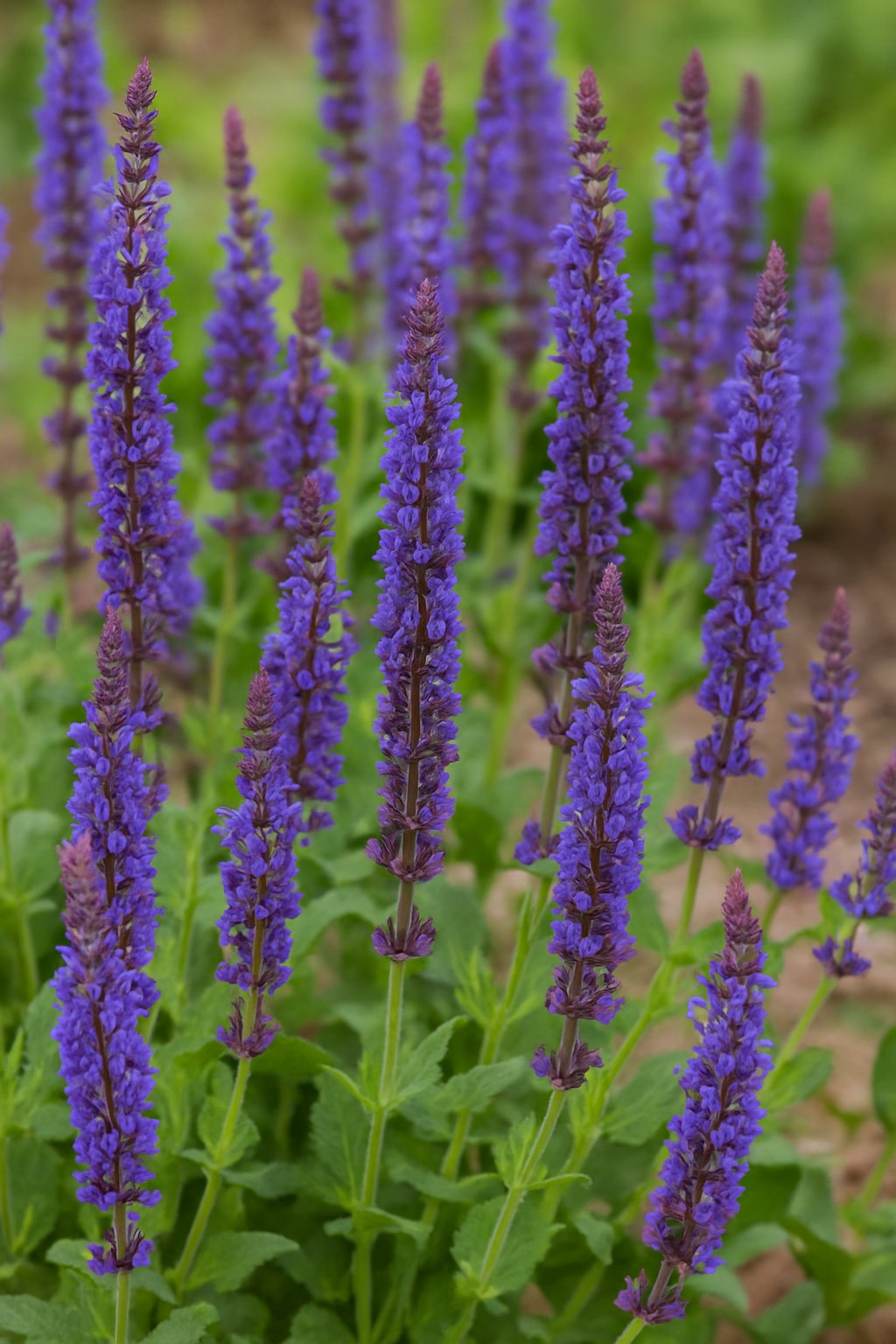
Zone: 4–9. With vertical purple spikes and fragrant foliage, salvia is a water-wise beauty that reblooms with minimal care. Full sun to light shade. Bloom Time: Late spring to fall. Easy to grow, attracts bees and butterflies.
Utah Serviceberry (Amelanchier utahensis)
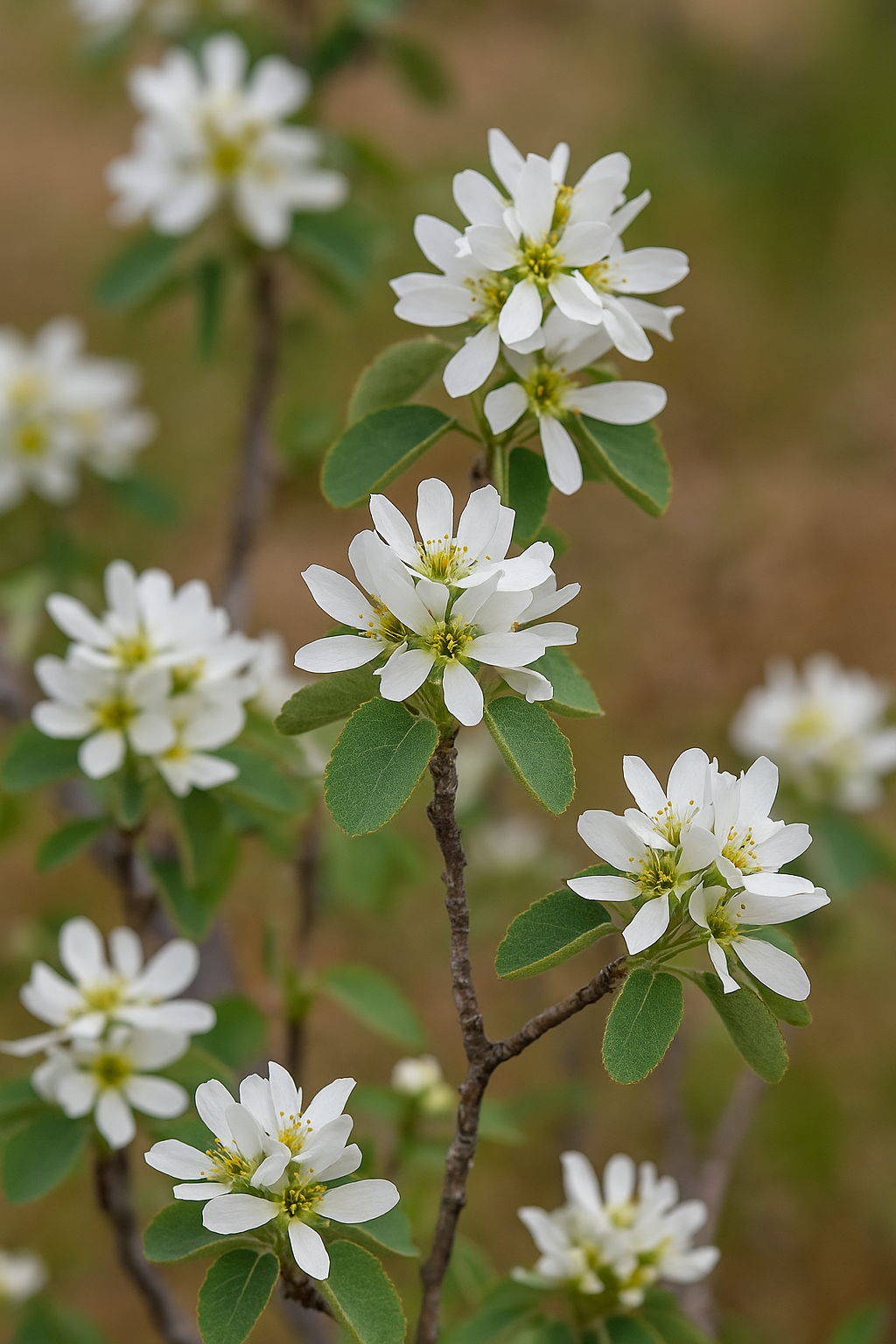
Zone: 4–7. This hardy native shrub offers four-season interest: spring flowers, edible berries, fall color, and a beautiful winter silhouette. Full sun to part shade. Height: 6–12 feet. Edible fruit, native, and bird-friendly.
Fernbush (Chamaebatiaria millefolium)
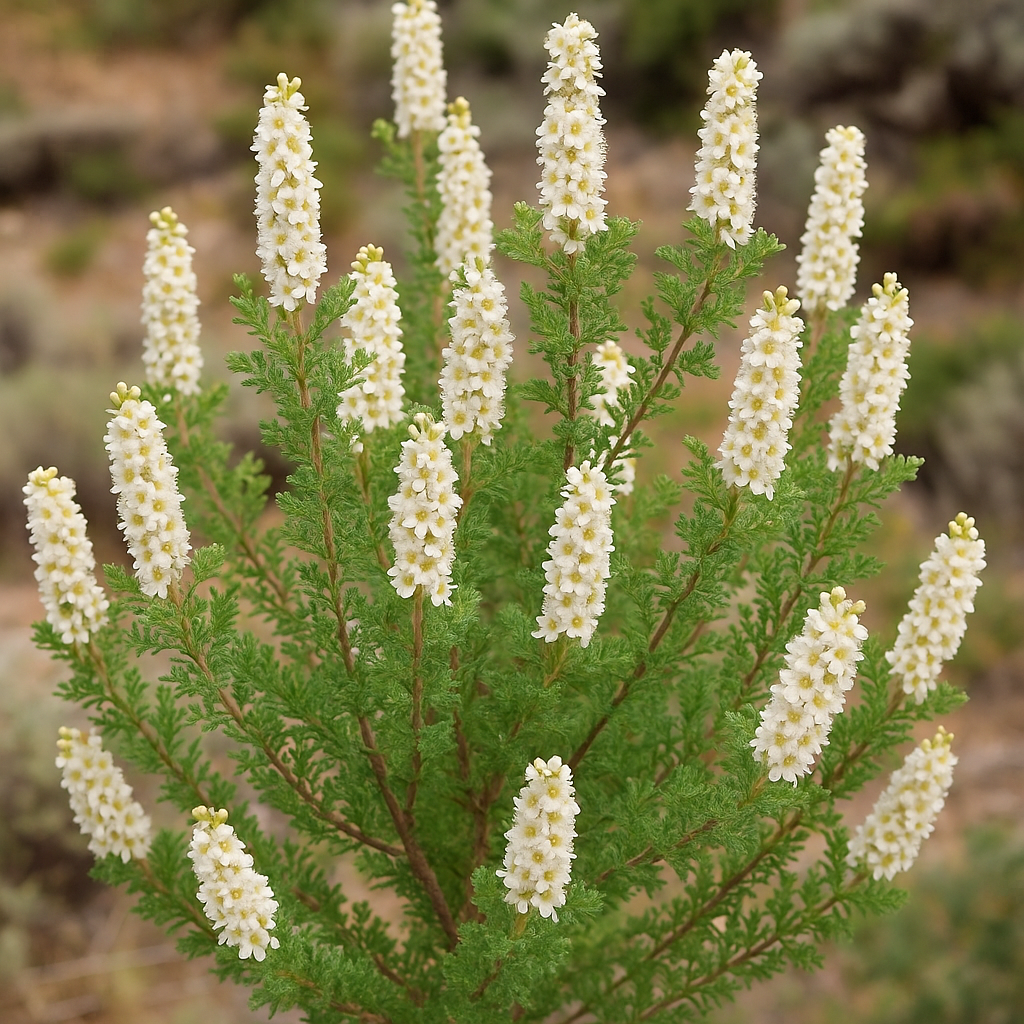
Zone: 4–8. Native to Utah's deserts and mountains, fernbush has aromatic, fern-like foliage and creamy white flowers in midsummer. Full sun. Bloom Time: Mid to late summer. Adaptable and perfect for xeriscaping.
Hens and Chicks (Sempervivum spp.)
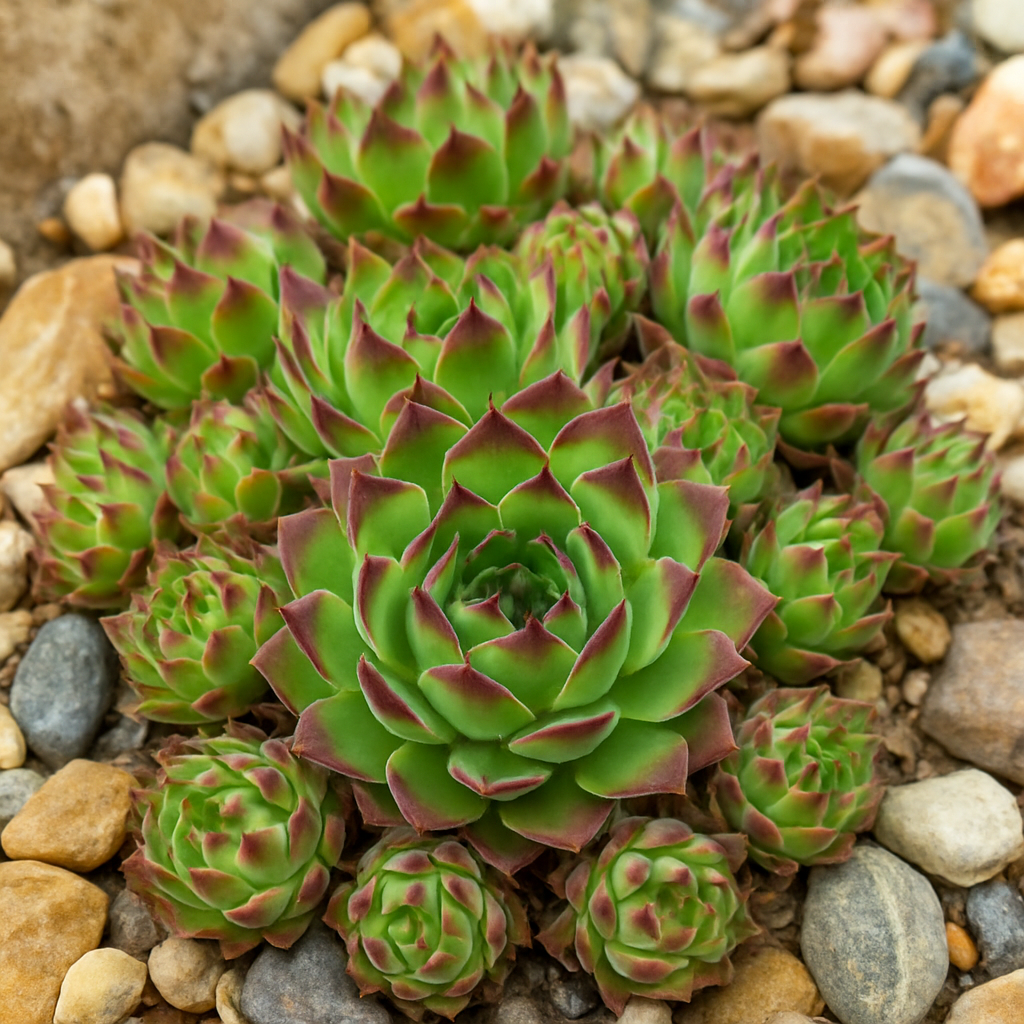
Zone: 3–8. These low-growing succulents are ideal for rock gardens, containers, and dry zones. Full sun to part shade. Height: 2–6 inches. Cold-hardy, colorful, and low profile.
Rocky Mountain Columbine (Aquilegia coerulea)
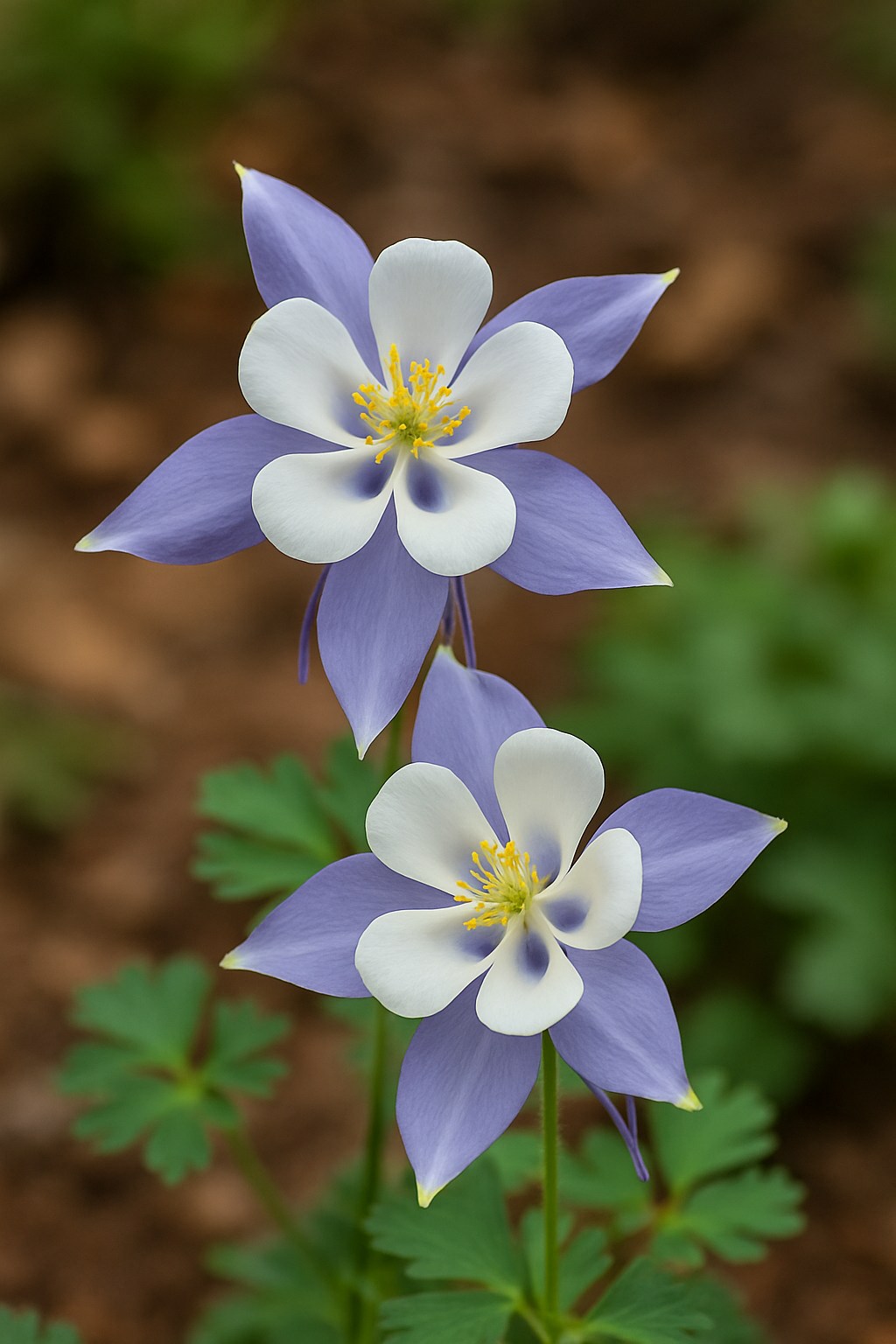
Zone: 3–8. Utah's state flower thrives in dry shade with unique two-tone petals in blue, white, and lavender. Part shade. Bloom Time: Late spring to early summer. Native and deer-resistant.
Russian Sage (Perovskia atriplicifolia)
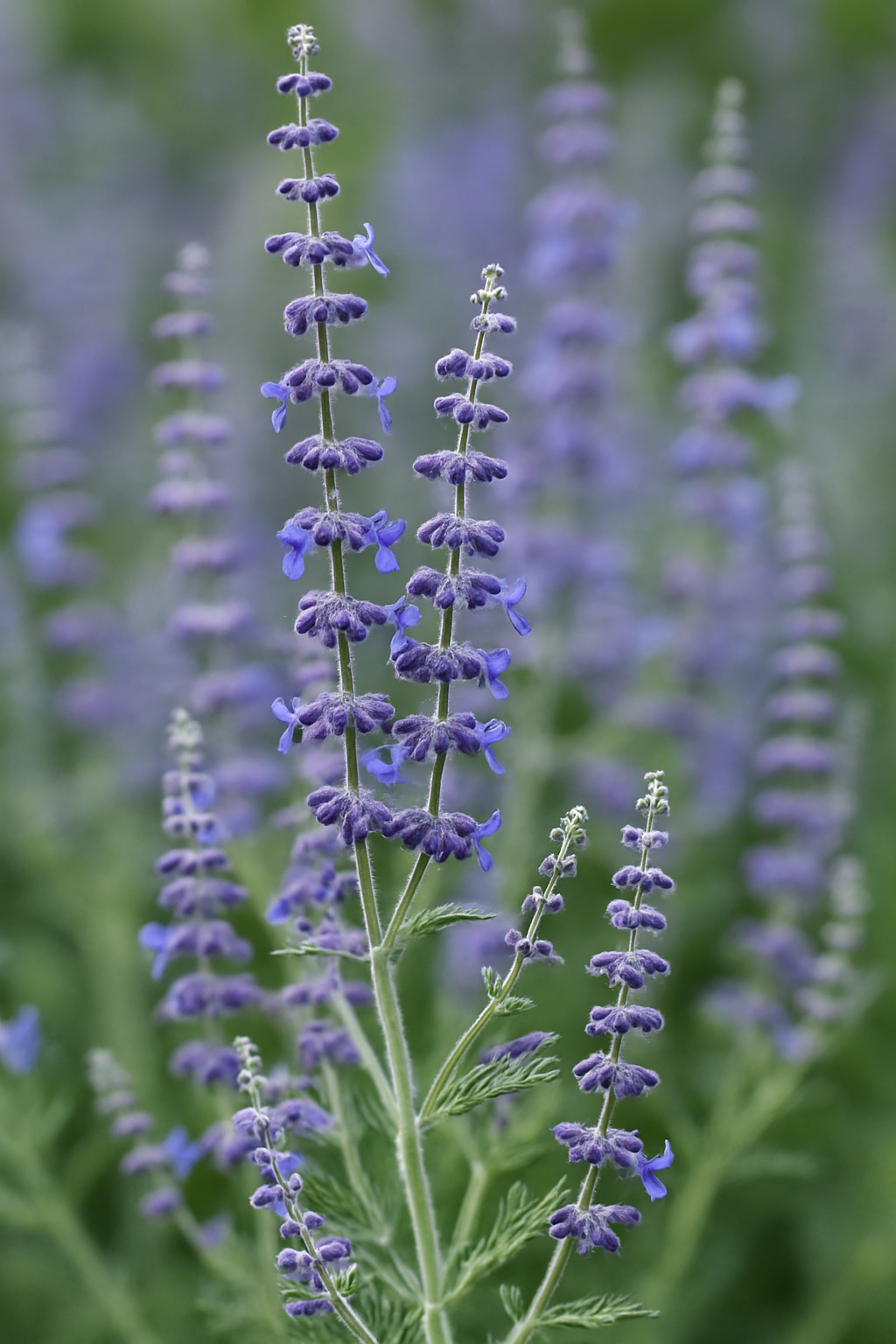
Zone: 4–9. This silvery, fragrant plant thrives in tough soils and produces tall, lavender-blue plumes all summer long. Full sun. Height: 3–5 feet. Long bloom time, heat tolerant, and low-maintenance.
Bonus Tips for Growing Drought-Tolerant Plants in Utah
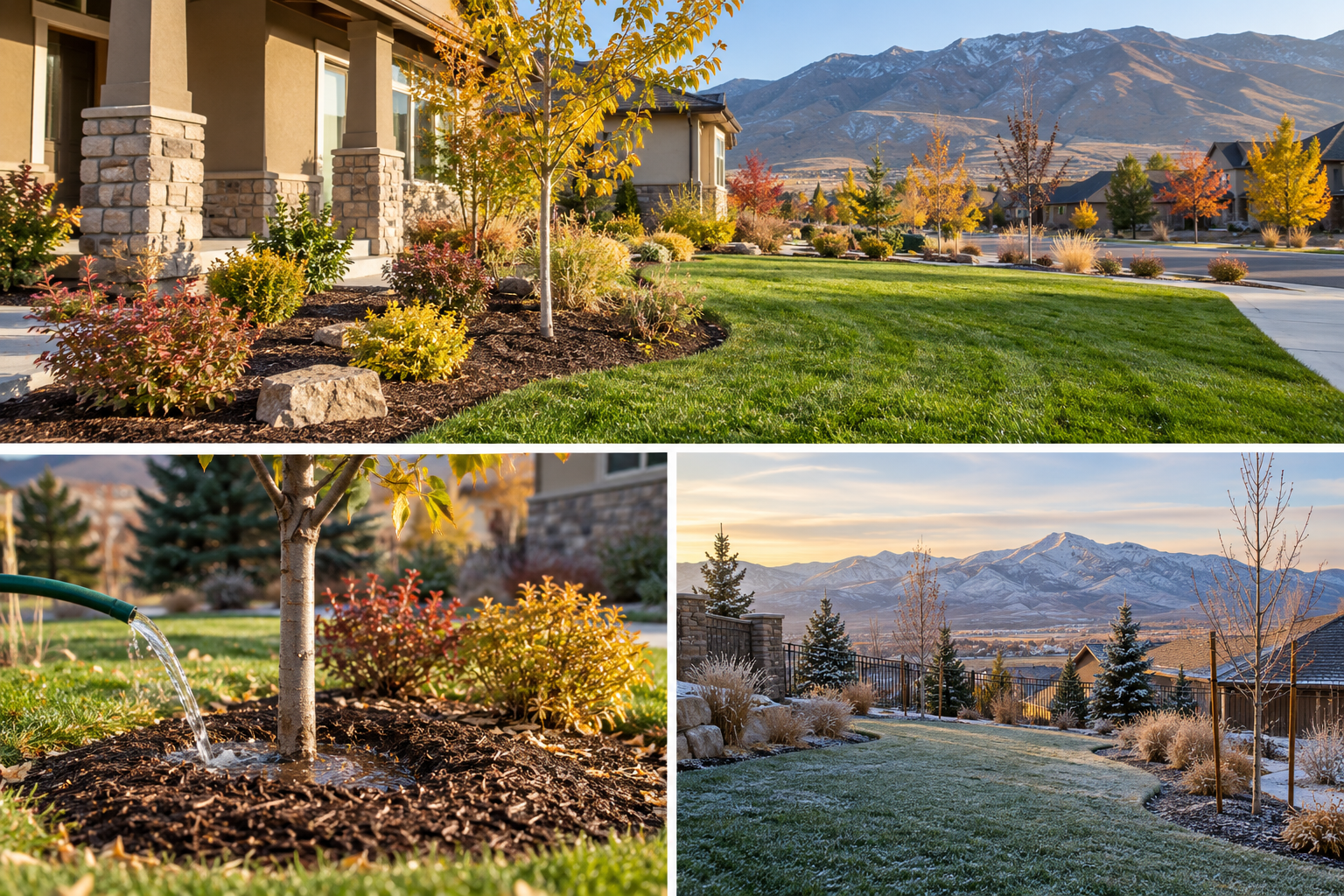
- Mulch deeply to retain moisture and reduce weeds.
- Group plants by water need so you can water efficiently.
- Water deeply but infrequently to encourage deeper root growth.
- Use native plants whenever possible—they're adapted to our soil, climate, and pests.
Want a Low-Water Yard That Still Looks Incredible?
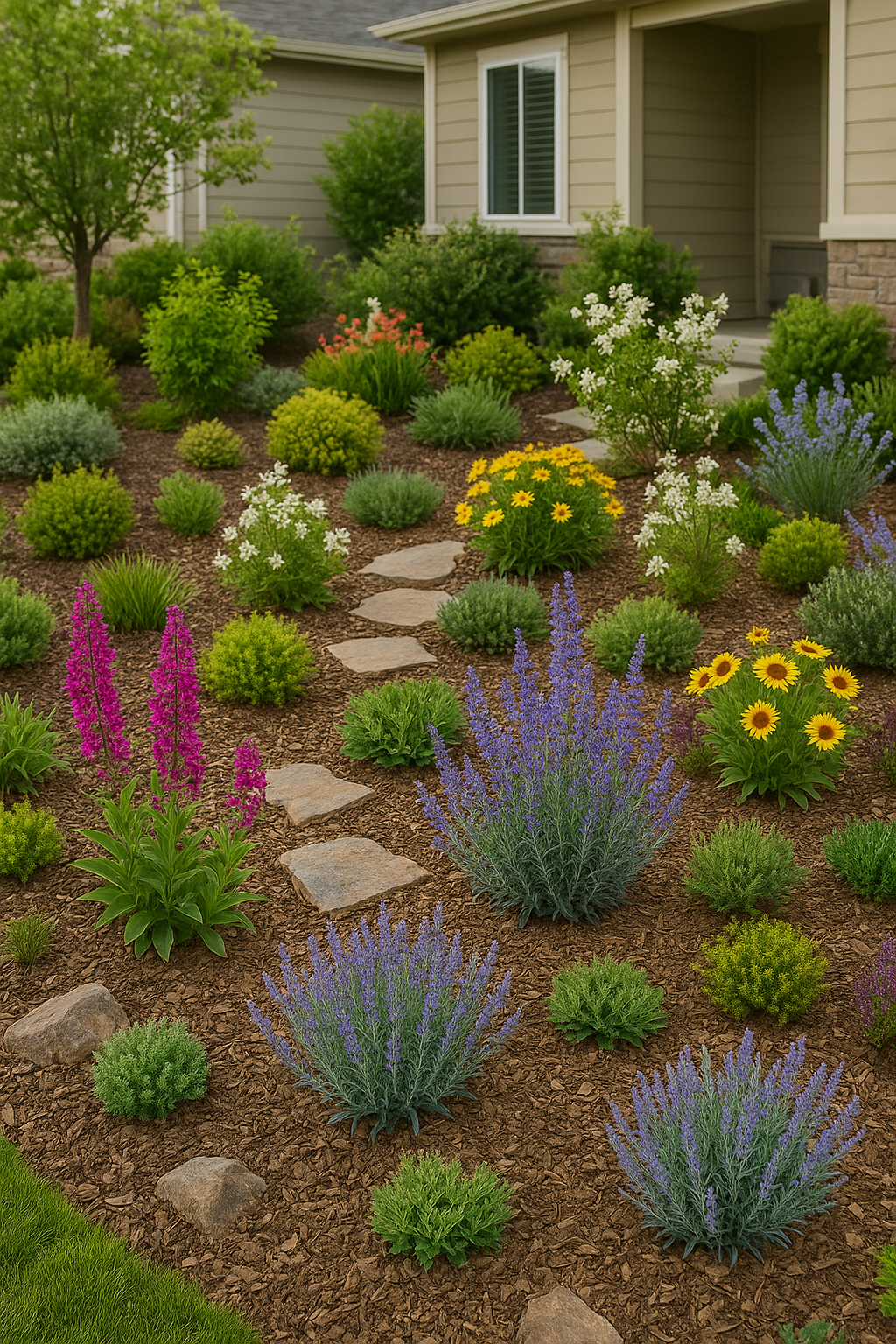
We specialize in custom landscape designs that work with Utah's natural conditions—not against them. That means fewer irrigation headaches, lower utility bills, and a landscape that looks amazing all year long.
Whether you're building a xeriscape from scratch or replacing part of your current lawn with native plantings, our team can help you create a beautiful, sustainable yard that saves water without sacrificing style.
Final Thoughts
Utah's climate might be dry, but your yard doesn't have to be dull. With the right drought-tolerant plants and a smart design plan, you can enjoy a colorful, vibrant landscape that thrives in the heat and looks amazing with minimal water.
Ready to build a low-water, high-impact landscape in Utah? Contact us today for a personalized design consultation—we'll help you create a yard that's beautiful, functional, and built to thrive in our unique climate.
Topics: