At C&K Landscaping, we build healthy, sustainable outdoor spaces for homeowners across Southern Utah. One of the most effective tools for improving soil and plant health is composting. Composting transforms yard waste and kitchen scraps into nutrient-rich organic matter. When integrated into professional landscaping, it improves soil structure, feeds plants naturally, and reduces waste.
Below are the key benefits of composting for your landscape.
1. Composting Improves Soil Health
Southern Utah soils are often sandy, clay-heavy, or low in organic matter. Compost adds essential nutrients and improves soil texture. It helps sandy soil retain water and helps clay soil drain better. Healthy soil grows deeper roots, stronger plants, and more vibrant lawns. One major benefit of composting is that it reintroduces beneficial microbes that break down nutrients into forms plants can use.
When you work with C&K Landscaping, we assess your soil's needs. Incorporating compost into beds and lawns reduces the need for synthetic fertilizers. Over time, compost builds lasting fertility rather than just providing a quick nutrient boost.
2. Composting Reduces Watering Needs
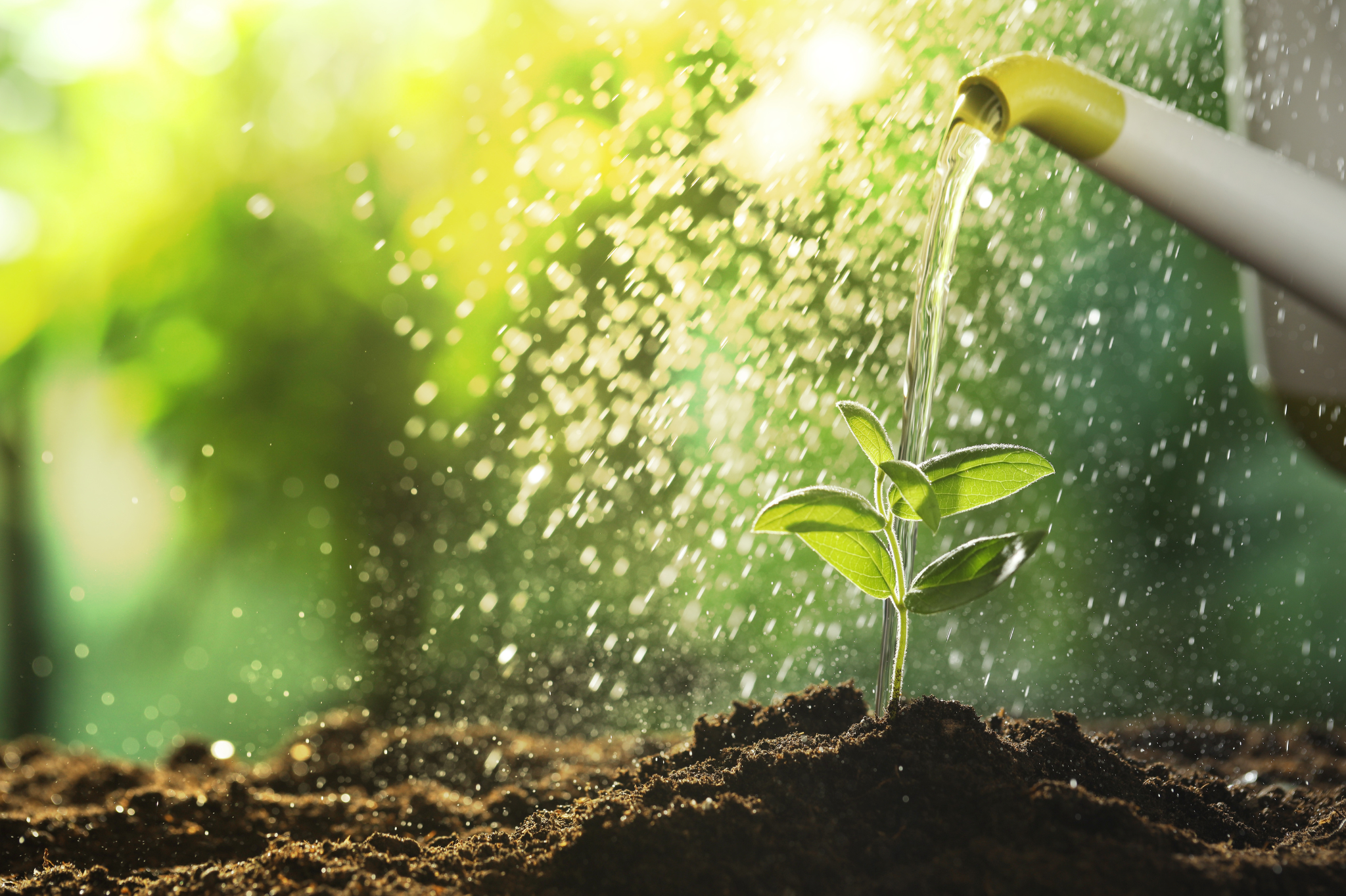
Water conservation is critical in Utah. Compost acts like a sponge, holding moisture in the root zone. Soils amended with compost can require up to 30% less irrigation. That means lower water bills and healthier plants during dry spells. Another clear benefit of composting is that it reduces runoff and erosion by improving how water soaks into the ground.
We see this directly when installing irrigation systems or designing low-maintenance beds. Compost helps every drop of water work harder. For homeowners wanting to reduce outdoor water use, composting is a simple, natural solution.
3. Composting Suppresses Weeds Naturally
Weeds thrive in bare, poor soil. Compost encourages dense plant growth and covers soil surfaces. A 2–3 inch layer of compost or compost-based mulch blocks sunlight from weed seeds. This is a practical benefit of composting that lowers your need for herbicides and hand-pulling.
At C&K Landscaping, we know weed control starts with great soil. Compost gives your desired plants a competitive edge. Healthier plants shade out weeds, and compost's biological activity can even suppress some weed seed germination.
4. Composting Recycles Yard and Kitchen Waste
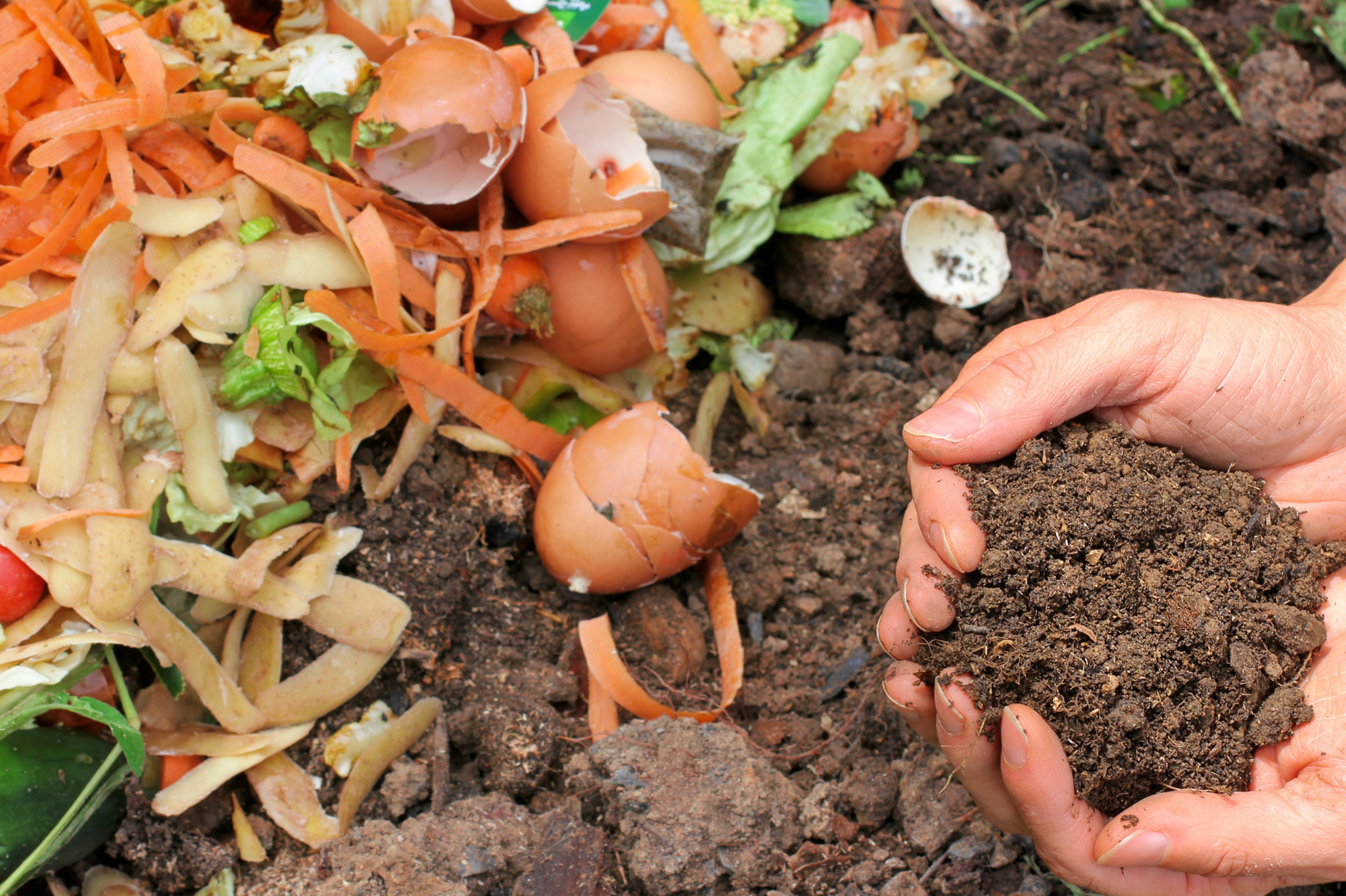
Yard trimmings and food scraps make up nearly 30% of household waste. Instead of sending leaves, grass clippings, and vegetable peels to a landfill, composting turns them into a resource. A key benefit of composting is waste reduction—you create free soil amendment while lowering your environmental footprint.
We encourage clients to start a simple compost pile or bin. Mix green materials (grass, food scraps) with brown materials (leaves, small twigs). Keep it damp and turn it occasionally. C&K Landscaping can also help you source quality compost if you prefer not to make your own.
5. Composting Reduces the Need for Chemical Fertilizers
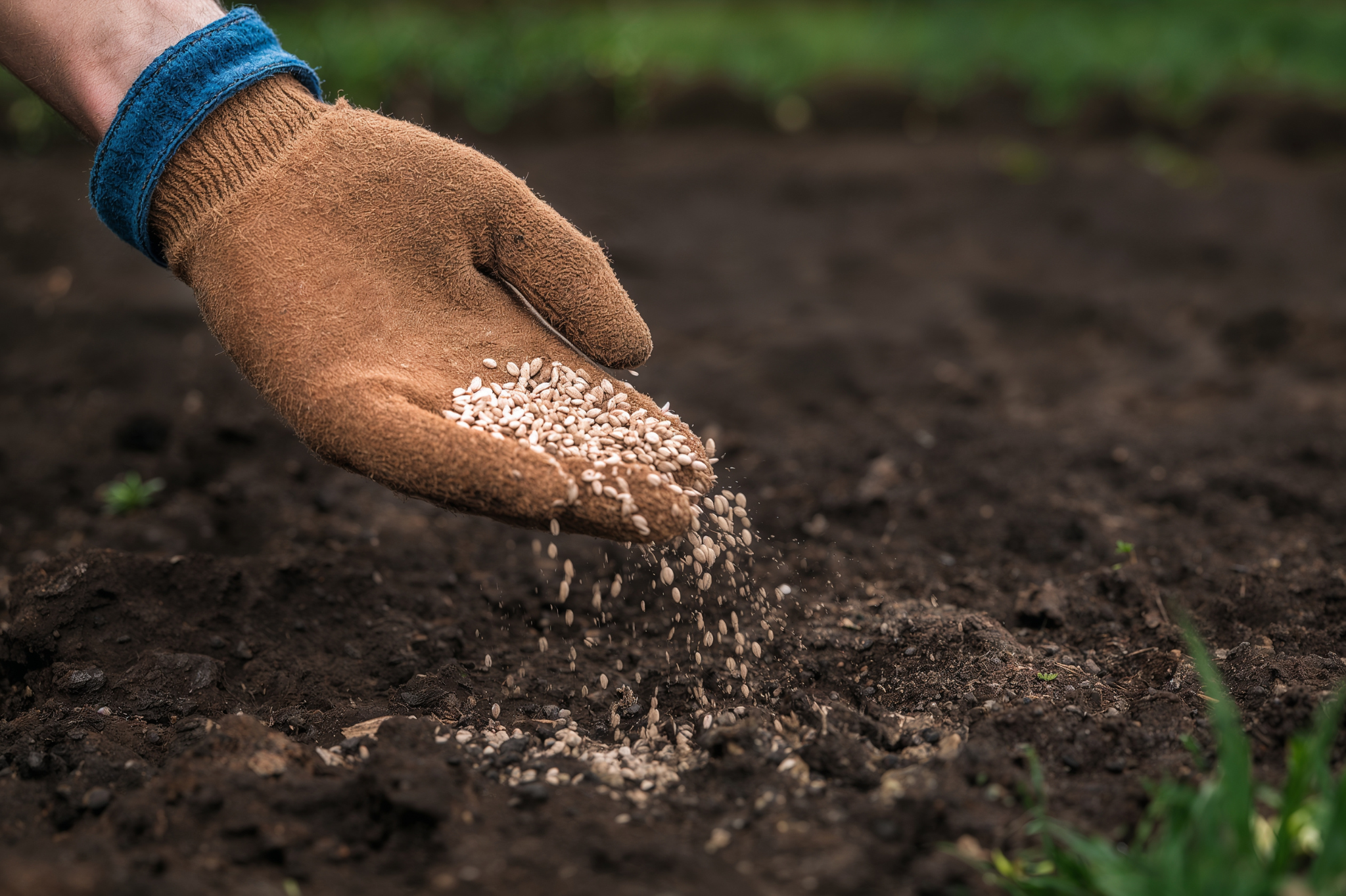
Synthetic fertilizers can burn plants, pollute waterways, and require repeat applications. Compost releases nutrients slowly over months. It provides nitrogen, phosphorus, potassium, and trace minerals in a balanced way. A major benefit of composting is that it feeds the soil food web, which then feeds your plants naturally.
Healthier soil means fewer pest and disease problems. Plants grown in compost-rich soil are more resilient. Over several seasons, you can reduce or eliminate chemical fertilizers entirely.
6. Composting Supports Drought-Tolerant Landscaping
Many Southern Utah homeowners want beautiful yards that survive on little water. Compost is the foundation of drought-tolerant landscaping. It improves water infiltration and storage, helping native and adapted plants thrive. An often-overlooked benefit of composting is that it reduces heat stress on roots, keeping plants greener longer during hot weather.
When we design a drought-resilient yard at C&K Landscaping, we always start with soil preparation using compost. It's the most reliable way to cut water use without sacrificing curb appeal.
7. Composting Saves Money
Every benefit of composting above leads to financial savings. Lower water bills, fewer fertilizer purchases, less weed control, reduced waste hauling fees, and healthier plants that don't need replacing. Over a few years, the savings add up significantly.
For C&K Landscaping clients, we recommend compost as a one-time investment with long-term returns. It's the opposite of disposable landscaping products.
How to Start Using Compost in Your Landscape
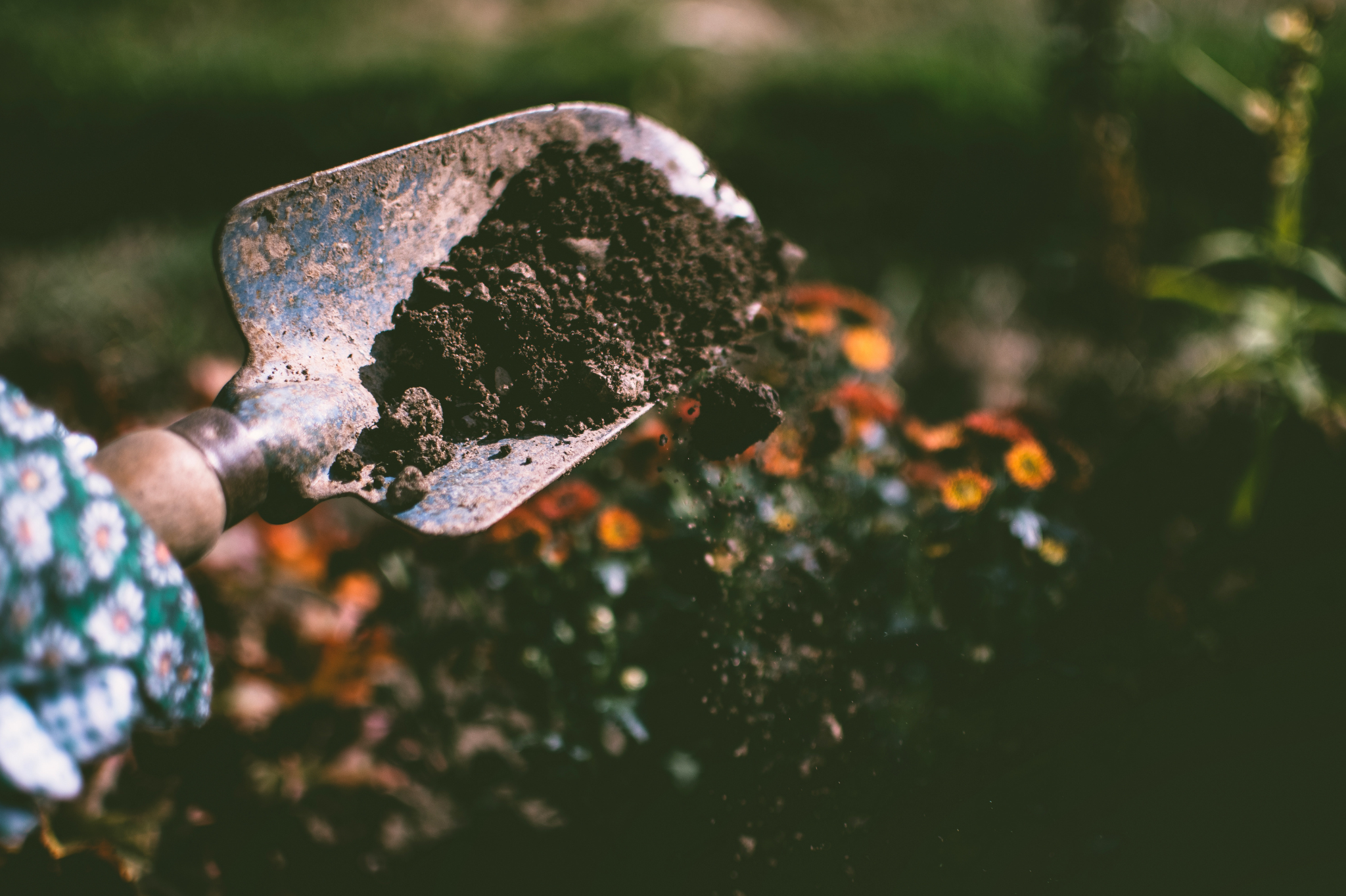
You don't need a large property or special equipment. Here's how to get the benefits of composting in your own yard:
- Top-dress lawns with ¼ inch of fine compost in spring or fall.
- Mix compost into planting beds at a ratio of 20–30% compost to 70–80% existing soil.
- Use compost as mulch 2–3 inches deep around trees, shrubs, and perennials.
- Brew compost tea (steep compost in water) to water in new plantings.
- Start a home compost pile with leaves, grass clippings, vegetable scraps, and coffee grounds.
If you'd rather skip the DIY composting process, C&K Landscaping can source high-quality finished compost for your project. We also incorporate compost into our garden design, lawn care, and landscape maintenance services.
The benefits of composting in landscaping include healthier soil, less watering, fewer weeds, less waste, no chemical fertilizers, better drought tolerance, and lower costs. Composting works with nature instead of against it—turning yard trimmings into black gold for your garden.
At C&K Landscaping, we've seen compost transform tired, struggling yards into lush, low-maintenance landscapes. Whether you're building a new design or improving an existing lawn, compost is the single best soil amendment you can use.
Ready to give your landscape the compost advantage? Contact C&K Landscaping for a free estimate. We'll walk your property, assess your soil, and build a plan that saves you time, money, and water—while creating the yard you deserve.
Topics: