If you are researching ways to improve your yard, you have likely encountered the term "native plants." But what does it actually mean, and why are they becoming essential in modern landscaping? At C&K Landscaping, we specialize in creating resilient, beautiful outdoor spaces across Southern Utah. Landscaping with native plants is central to that mission.
This guide defines native plants, details their measurable benefits, and explains why they outperform exotic species in our unique high-desert climate.
What Makes a Plant "Native"?
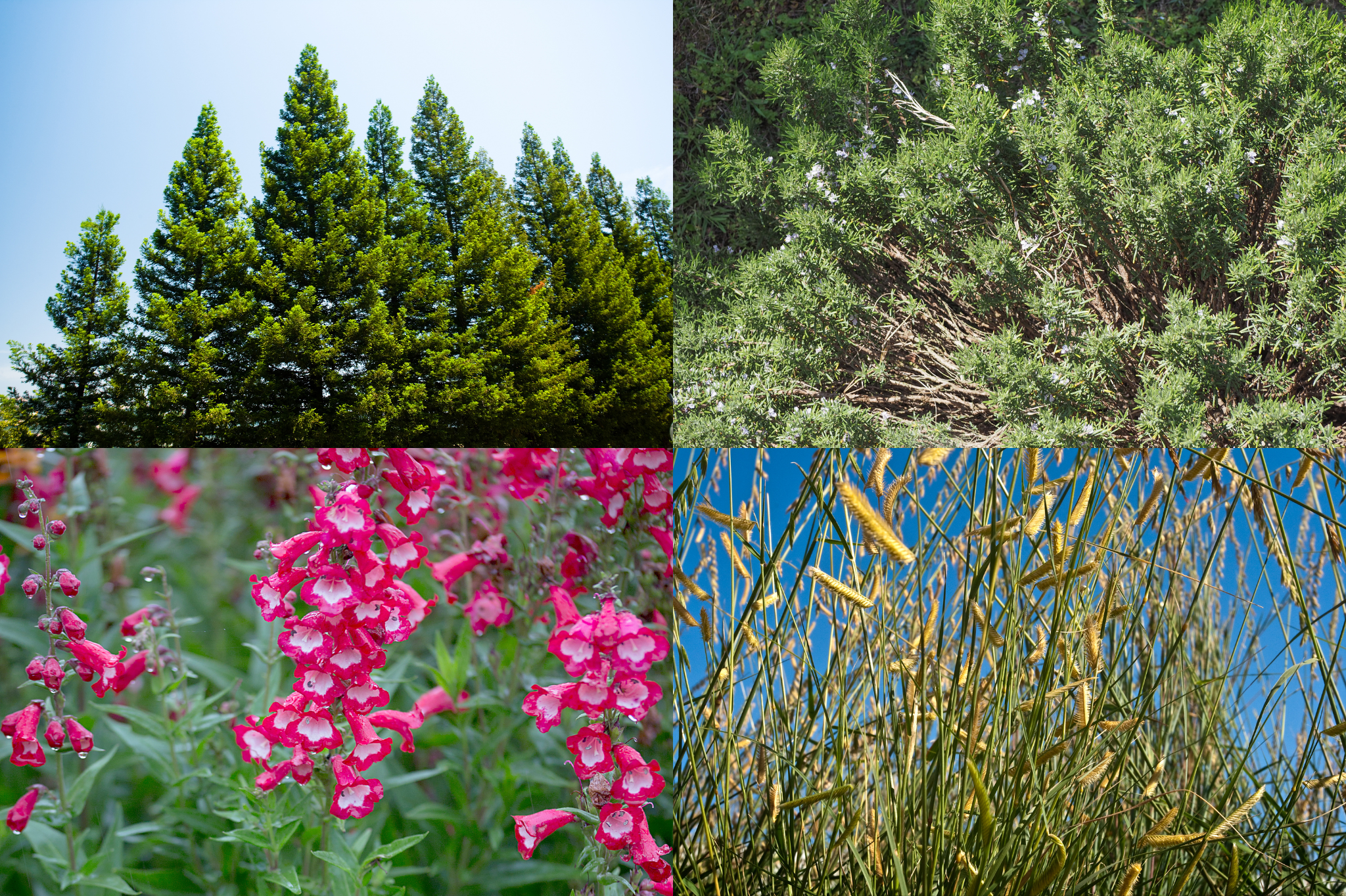
A native plant is a species that occurs naturally in a specific region, having evolved there over thousands of years without human introduction. These plants are genetically adapted to local conditions, soil composition, temperature ranges, rainfall patterns, and seasonal cycles. For Southern Utah, true natives include:
- Trees: Pinyon Pine (Pinus edulis), Fremont Cottonwood (Populus fremontii)
- Shrubs: Sagebrush (Artemisia tridentata), Utah Serviceberry (Amelanchier utahensis), Rabbitbrush (Chrysothamnus)
- Perennials: Penstemon (Penstemon spp.), Globemallow (Sphaeralcea), Blanketflower (Gaillardia), Showy Milkweed (Asclepias speciosa)
- Grasses: Blue Grama (Bouteloua gracilis), Indian Ricegrass (Achnatherum hymenoides)
These species form the backbone of our local ecosystem, supporting wildlife while requiring far fewer inputs than non-native ornamentals.
Benefit 1: Water Conservation (30-60% Less Irrigation)
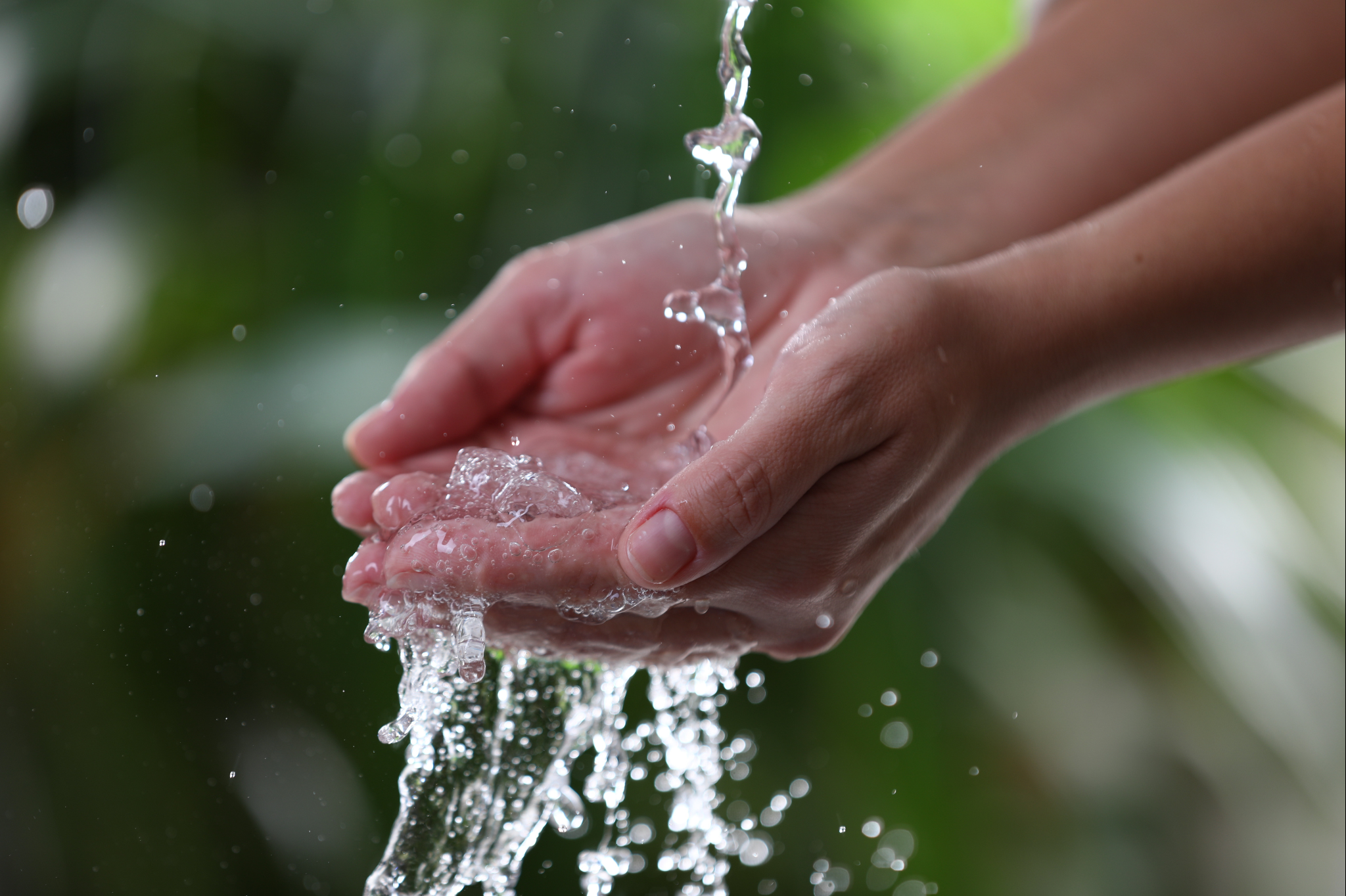
Southern Utah receives approximately 8-10 inches of annual rainfall. Native plants thrive on this natural precipitation once established. Their deep root systems, often extending 10-15 feet, access groundwater reserves that shallow-rooted exotics cannot reach.
A University of Utah study found that native plant landscapes use 30-60% less supplemental water than traditional turf-and-exotic beds. For a typical 5,000 sq. ft. yard, switching to native plants can save 15,000-25,000 gallons per year. This translates to $200-$400 annually in reduced water bills for Washington County residents.
Landscaping with native plants aligns with local water restrictions and reduces dependency on irrigation systems, lowering both costs and maintenance labor.
Benefit 2: Minimal Maintenance (50+ Hours Saved Yearly)
Non-native plants often require weekly watering, monthly fertilization, regular pesticide applications, and seasonal pruning to force unnatural growth habits. Native plants invert this equation. After a 1-2 year establishment period, they need:
- Watering: Once every 2-4 weeks during extreme drought
- Fertilizer: None — they extract nutrients from native soils
- Pesticides: Rarely — they have built-in chemical defenses against local pests
- Pruning: Minimal — they grow in forms suited to local wind and sun
For a homeowner spending 2 hours per week on yard work, this reduces annual labor from ~100 hours to ~40-50 hours, a time savings of over 50 hours per year.
Benefit 3: Wildlife Habitat Support
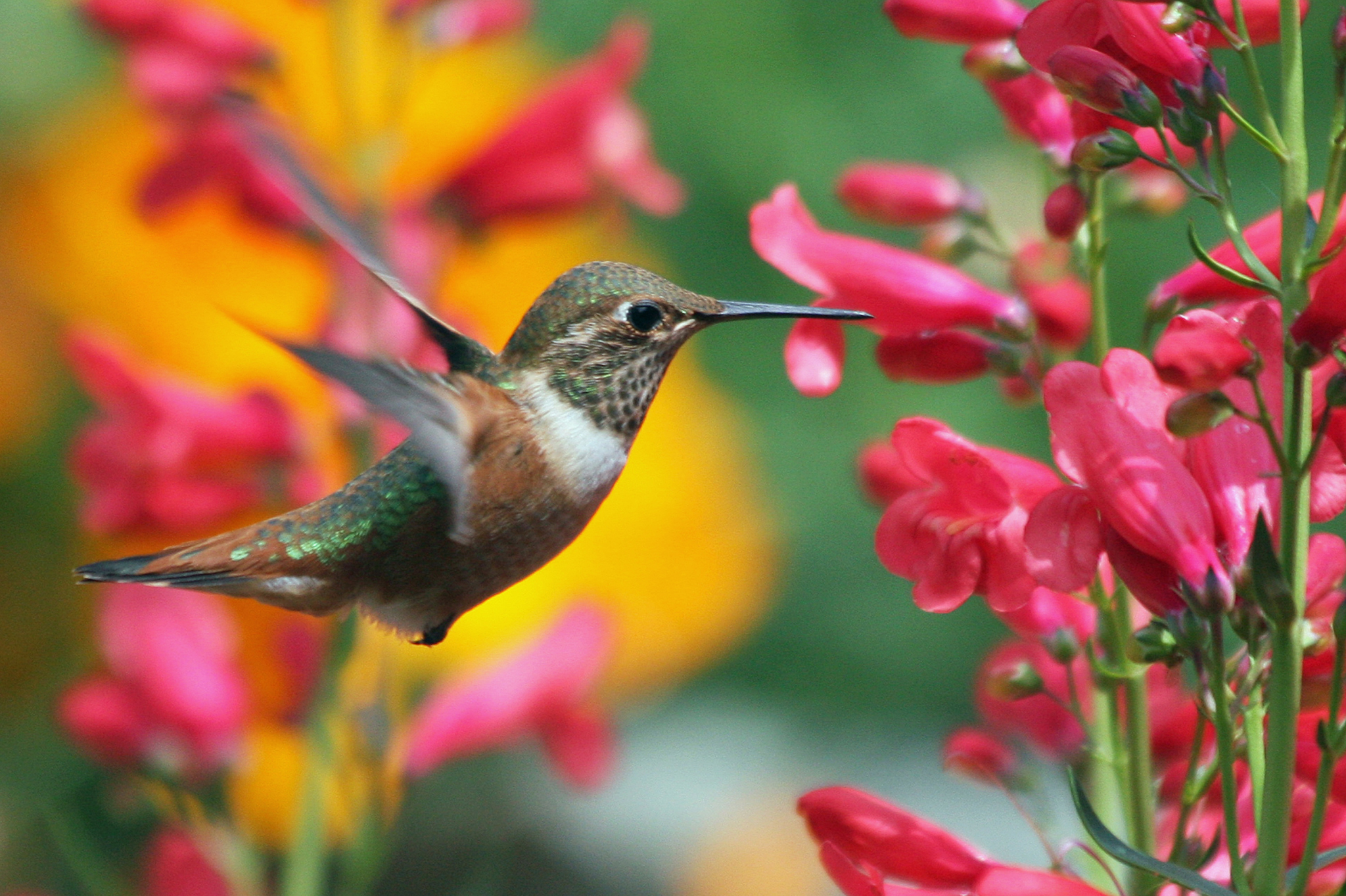
Native plants and native wildlife share co-evolved relationships. Insects, birds, and mammals depend on specific plants for food, shelter, and reproduction.
- Monarch butterflies rely exclusively on milkweed species (including Showy Milkweed) for caterpillar development.
- Hummingbirds feed on Penstemon and Trumpet Creeper, plants whose tubular flower shapes match their beaks.
- Birds (e.g., Pinyon Jays, Sage Thrashers) depend on seeds and berries from native shrubs for winter survival.
A landscape without native plants becomes a food desert for local fauna. Landscaping with native plants restores critical habitat corridors, increasing local biodiversity by 30-50% according to National Wildlife Federation data.
Benefit 4: Soil Health and Erosion Control
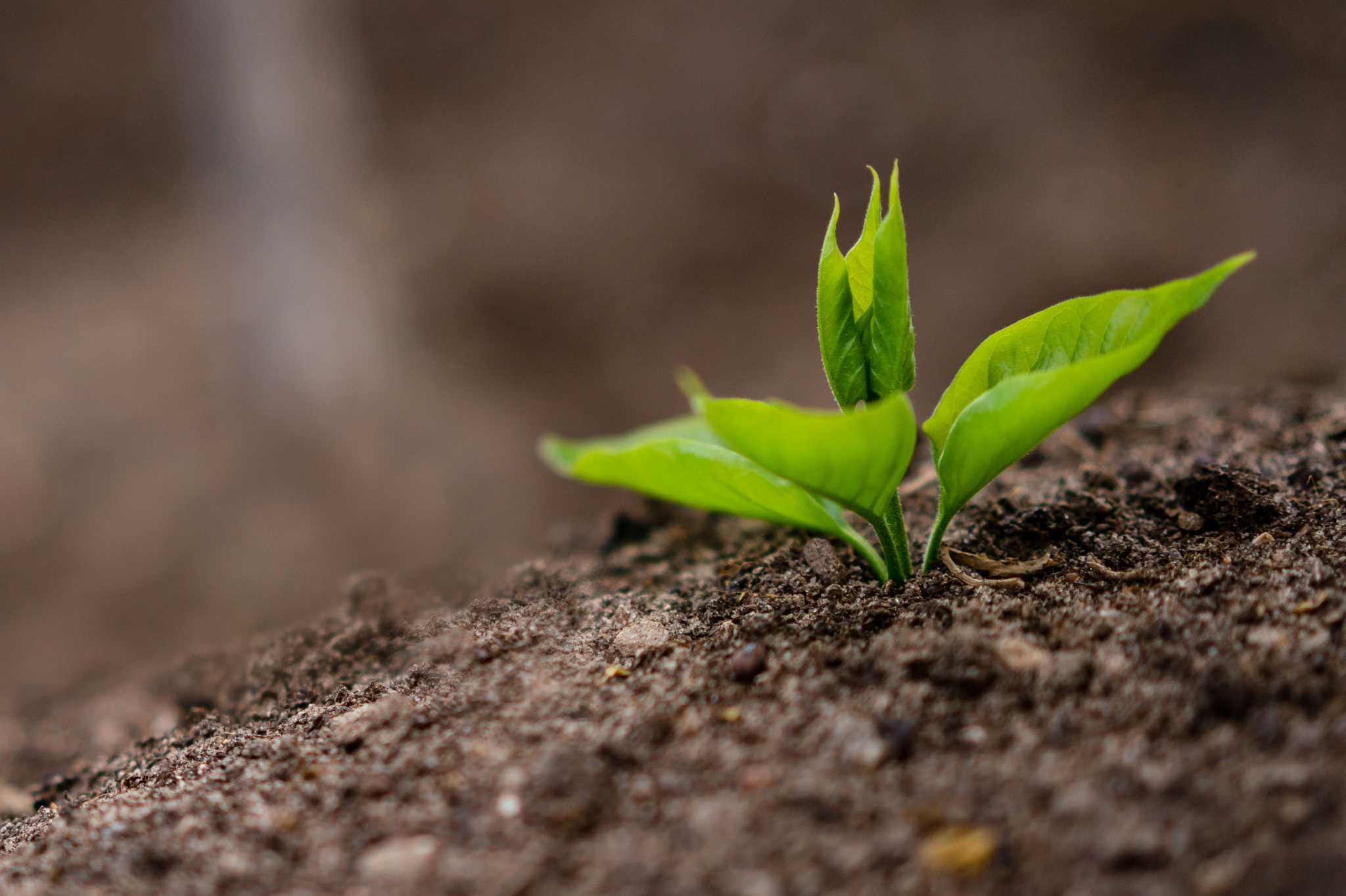
Non-native lawns often require annual aeration and compost additions to counteract soil compaction. Native plants, with their fibrous and taproot systems, naturally aerate soil as roots grow and die back, add organic matter through leaf litter, and stabilize slopes, reducing erosion by up to 80% on 15-degree or steeper inclines.
In Southern Utah's rocky, alkaline soils (pH 7.5-8.5), natives like Blue Grama grass and Rabbitbrush thrive where Kentucky bluegrass fails. This eliminates the need for soil amendments, saving $150-$300 per year on products.
Benefit 5: Lower Chemical Inputs
Conventional landscaping uses an estimated 10-15 pounds of fertilizer and 3-5 pounds of pesticides per 1,000 sq. ft. annually. These chemicals leach into groundwater, harm beneficial insects (bees, ladybugs), and require protective equipment for application.
Native plants reduce or eliminate these inputs. Their natural resistance to local diseases and pests means you avoid exposing your family, pets, and local waterways to synthetic chemicals. This is particularly valuable in areas like St. George, where groundwater recharge is a critical concern.
Aesthetic and Ecological Fit
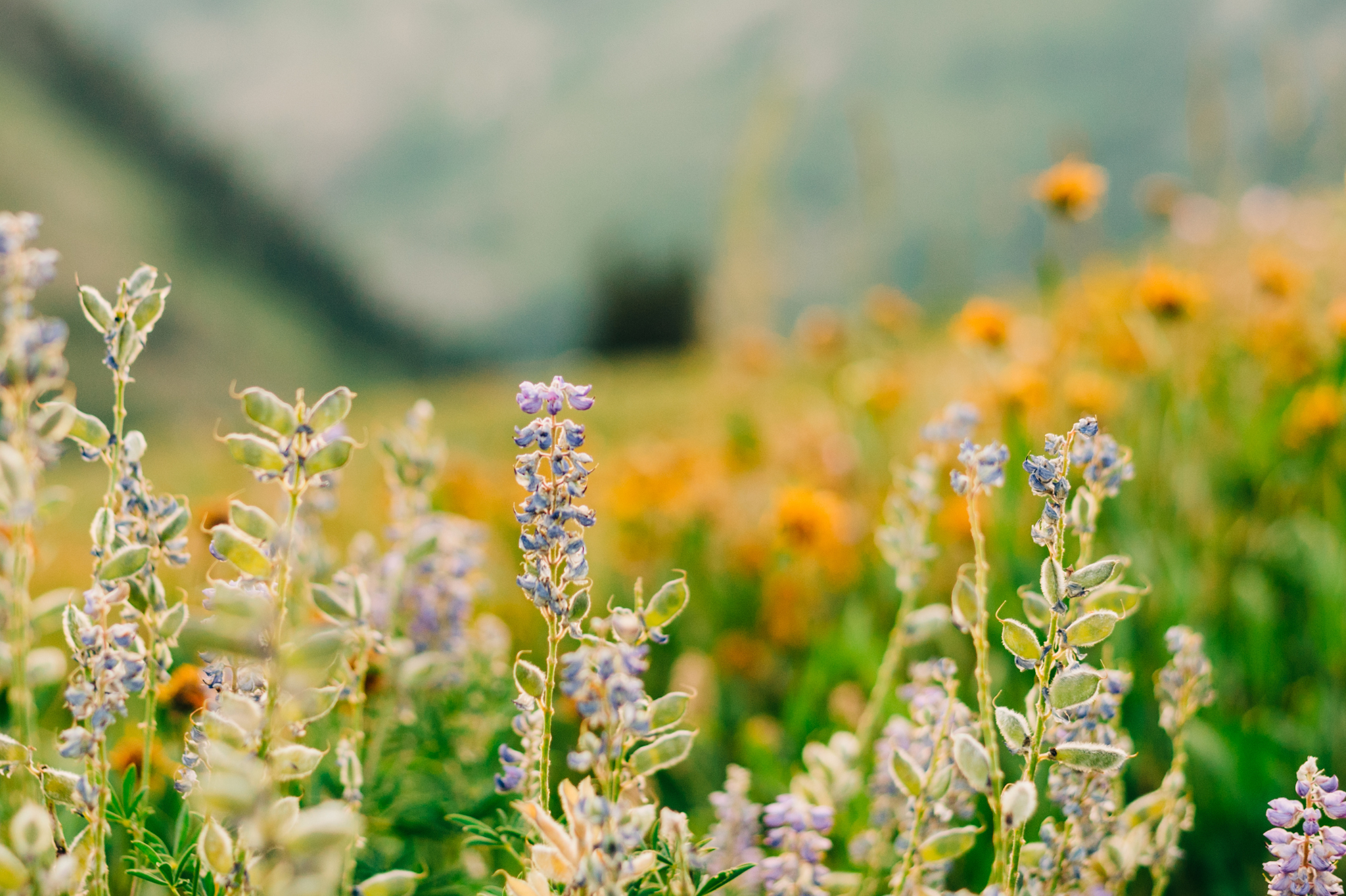
Landscaping with native plants is not a sacrifice of beauty for function. A well-designed native garden offers seasonal interest (spring blooms from Globemallow and Penstemon, summer foliage from Sagebrush, fall colors from Serviceberry, winter structure from Pinyon Pine), texture variety, and a warm color palette of oranges, deep purples, silvery grays, and bright greens that complement Southern Utah's red rock backdrop.
Common Concerns Addressed
"Won't native plants look wild or unkempt?" — Strategic design using clusters, defined borders, and contrasting heights creates polished, intentional landscapes. C&K Landscaping's design process ensures your yard is structured and refined, not overgrown.
"Aren't native plants harder to find?" — Local nurseries and specialty growers now stock a wide range of native species. We source from regional suppliers to guarantee genetic suitability.
"How long does establishment take?" — Most natives reach full root development in 18-24 months. During this period, supplemental watering is needed. After that, irrigation can be reduced by 70% or more.
Why C&K Landscaping?
We are locally owned and operated, serving Southern Utah homeowners with dependable on-time service, custom designs tailored to your property's microclimate, full installation from soil prep to final mulching, and fully licensed and insured peace of mind.
Landscaping with native plants is a practical, proven strategy for a yard that conserves water, reduces labor, cuts costs, and supports local wildlife. The data is clear: natives outperform exotics in nearly every metric that matters to Southern Utah homeowners.
C&K Landscaping is ready to transform your outdoor space. Call us for a free estimate and take the first step toward a landscape that works as hard as you do — beautifully, sustainably, and affordably.
Topics: