At C&K Landscaping, we believe a small backyard isn't a limitation—it's an invitation for creativity. Many homeowners assume a compact yard means sacrificing style or function, but with thoughtful design, even the tiniest outdoor space can become your favorite retreat. The best backyard design maximizes every square foot, blending beauty with purpose.
Why Small Spaces Demand Smart Design
The core principle of designing for a small yard is intentionality. Every element must earn its place, serving at least one purpose—whether aesthetic, functional, or both. A successful backyard design for small spaces feels spacious, uncluttered, and seamlessly extends your living area outdoors.
Key Principles for Compact Backyard Design
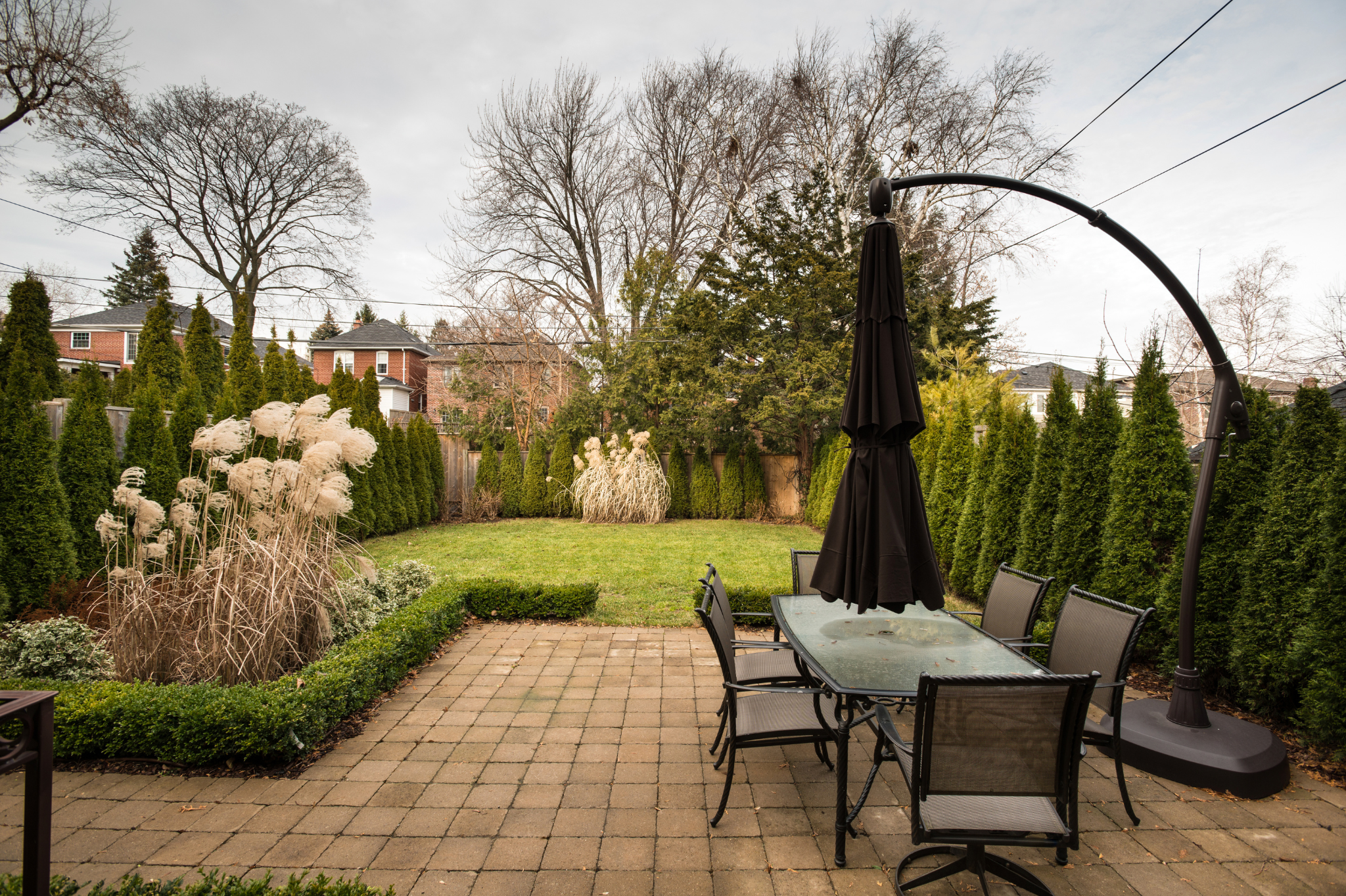
Create Zones for Function: Define distinct areas for dining, lounging, and greenery. Use changes in materials (like shifting from pavers to gravel), subtle level changes, or strategic furniture placement to visually separate zones without building bulky barriers.
Embrace Verticality: When floor space is limited, look up. Vertical gardens, trellises with climbing vines, wall-mounted planters, and tall narrow trees draw the eye upward, adding depth and lushness without consuming precious ground area.
Choose Scale-Appropriate Elements: Opt for slim-profile furniture, a modest bistro set instead of a full dining table, and a compact fire bowl rather than a large fire pit. The right scale makes the space feel larger.
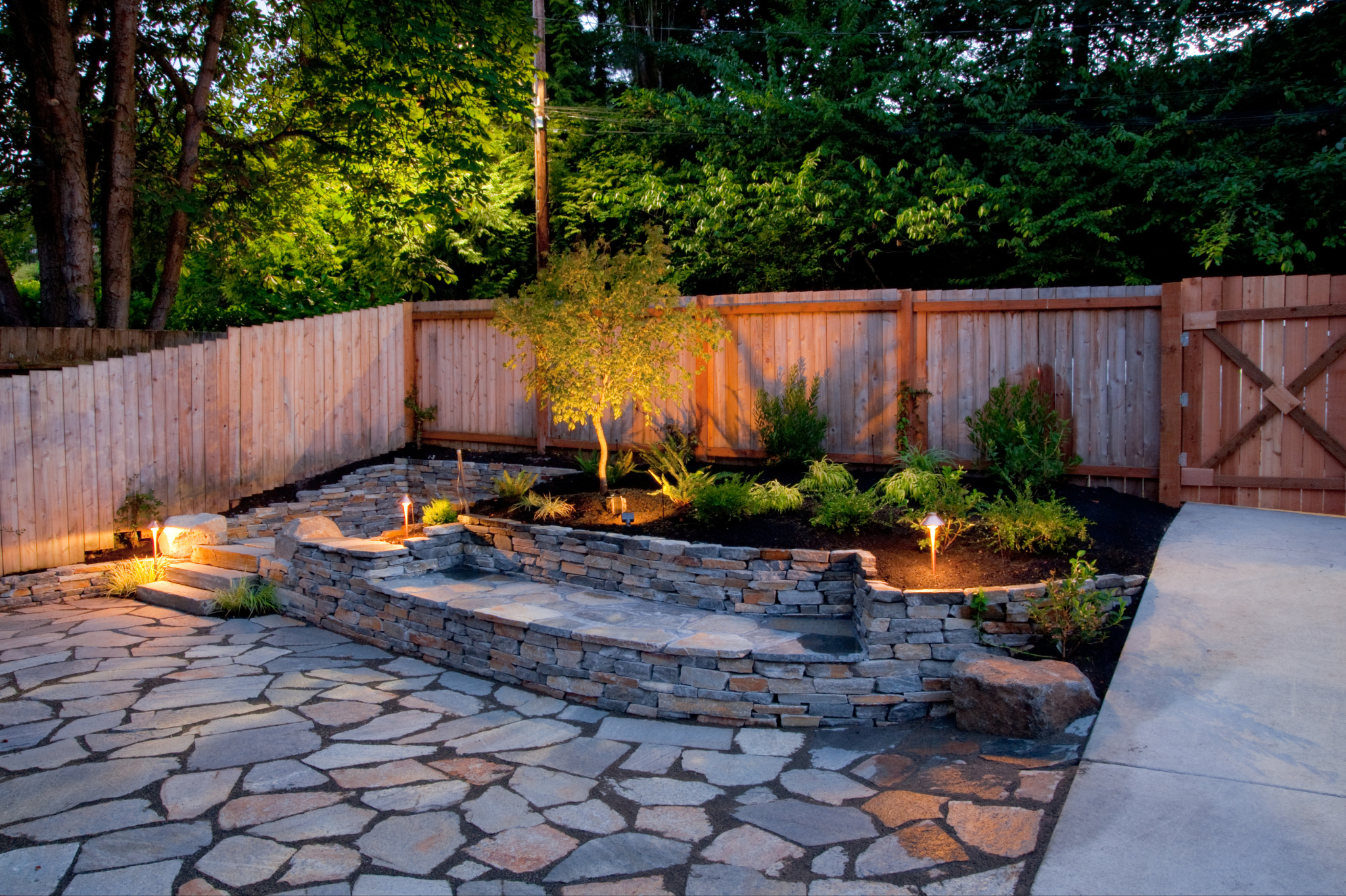
Incorporate Multi-Functional Features: A built-in bench with hidden storage, a retaining wall that doubles as seating, or a raised garden bed that defines a border are all smart ways to maximize utility.
Strategic Elements for Your Small Backyard Design
The Illusion of Space with Layout and Lines: Diagonal patterns—laying pavers, decking, or creating a lawn diagonally—can make a yard feel wider and longer. A gently curving walkway or border suggests mystery and continuation, encouraging the eye to travel and perceive more space. A single striking focal point, like a water feature, a piece of art, or a beautiful specimen plant, anchors the design and distracts from the yard's boundaries.
Intelligent Planting for Maximum Impact: Layer taller plants at the back or corners, graduating to shorter varieties in front to create depth and fullness. Stick to a cohesive color palette—lighter-colored flowers and foliage at the far end can make the yard feel more distant. Container gardening offers flexibility, allowing you to move pots to refresh the layout and add pops of color.
Materials and Color Palette: Light-colored hardscaping (like light gray pavers or pale decking) reflects more light and makes spaces feel airier. Using consistent materials throughout different zones creates a cohesive flow, preventing the space from feeling choppy or crowded.
Lighting to Extend Time and Space: Well-planned lighting is crucial in a small yard. Uplighting trees or walls, stringing café lights overhead, and using path lights not only make the space usable after dark but add a magical, layered dimension that expands the perceived space.
Example of a Simple Plan: Breaking Down a 15' x 20' Yard
Let's apply these principles to a 300-square-foot rectangle. Zone 1 — The Lounge (40%): Against the house, place a compact two-seater loveseat and a small side table on an outdoor rug. Zone 2 — The Dining Nook (30%): In a corner, position a round bistro table with two chairs; a pendant light or small umbrella above marks it as the dining spot. Zone 3 — The Green Zone (30%): Along the perimeter fence, install a vertical garden panel or tiered planters filled with herbs and flowers; in the far corner, plant one ornamental columnar tree (like a Japanese Maple on a standard) for height. The Connector: A simple curved gravel or stepping stone path connects the lounge to the dining nook, encouraging movement and flow.
Why Professional Insight Makes the Difference
While DIY projects can be rewarding, a professional landscape designer brings a trained eye to unlock your small yard's full potential. At C&K Landscaping, our process involves a thorough site analysis of sun exposure, soil, drainage, and your home's architecture. We take time to understand your lifestyle—whether you entertain, need space for pets or kids, or desire a low-maintenance sanctuary. From there, we create a master plan that considers sightlines, privacy, seasonality, and long-term growth.
A small backyard is a blank canvas waiting for a thoughtful, personalized touch. The ultimate backyard design for small spaces isn't about having less—it's about enjoying more: more style, more function, and more peace in a perfectly curated outdoor room.
Ready to reimagine your compact outdoor space? Contact C&K Landscaping today for a consultation, and let's build the small-but-mighty backyard you've been dreaming of.
Topics: