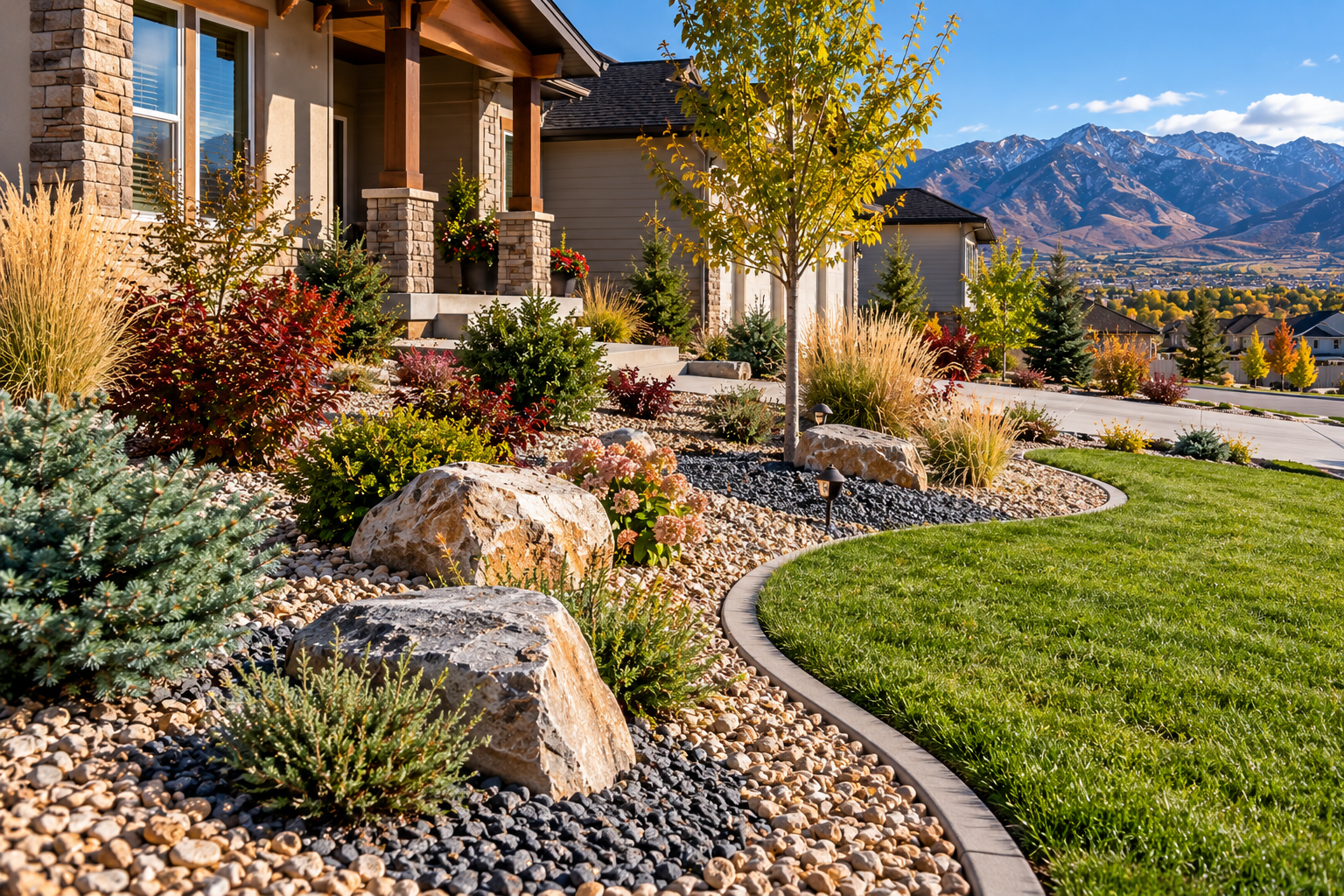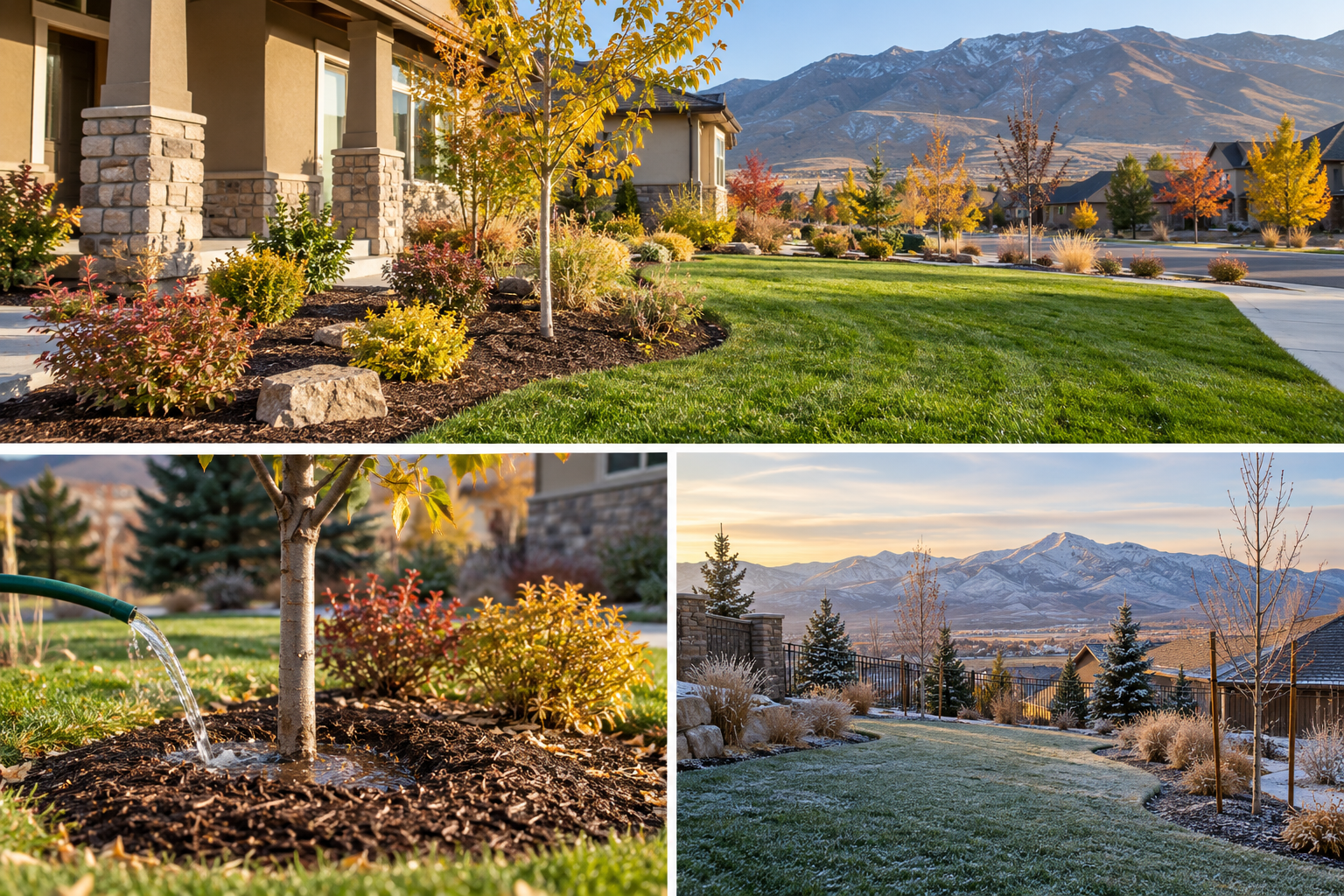
At C & K Landscaping, we hear the same frustration from homeowners across Southern Utah: "I want a beautiful yard, but my dog destroys it." The solution is not choosing between a happy pet and a healthy landscape. The solution is smart design.
A Dog-Friendly Yard is not an oxymoron. It is a strategic blend of durable materials, smart plant choices, and designated zones. When done correctly, your outdoor space becomes a sanctuary for both two-legged and four-legged family members, without the mud, dead grass, or constant repairs.
Here is the professional framework for designing a Dog-Friendly Yard that lasts.
1. Rethink the Lawn (Or Lose It)
Traditional turf grass is the number one victim of high-traffic dogs. Urine burns brown patches. Digging creates craters. Constant running creates compacted soil that won't drain.
Instead of fighting biology, replace high-traffic zones with dog-specific ground covers:
- Artificial turf - Modern options are pet-safe, drainable, and never turn brown. Rinse with a hose to remove urine.
- Clover lawns - Microclover withstands urine better than fescue, stays green with less water, and self-repairs.
- Decomposed granite (stabilized) - Compacted DG creates a firm, dust-free surface that drains instantly and doesn't stick to paws.
For a true Dog-Friendly Yard, limit turf to small, designated potty areas. Use the rest of your space for hardscapes and mulch.
.png)
2. Build Durable "Dog Runways"
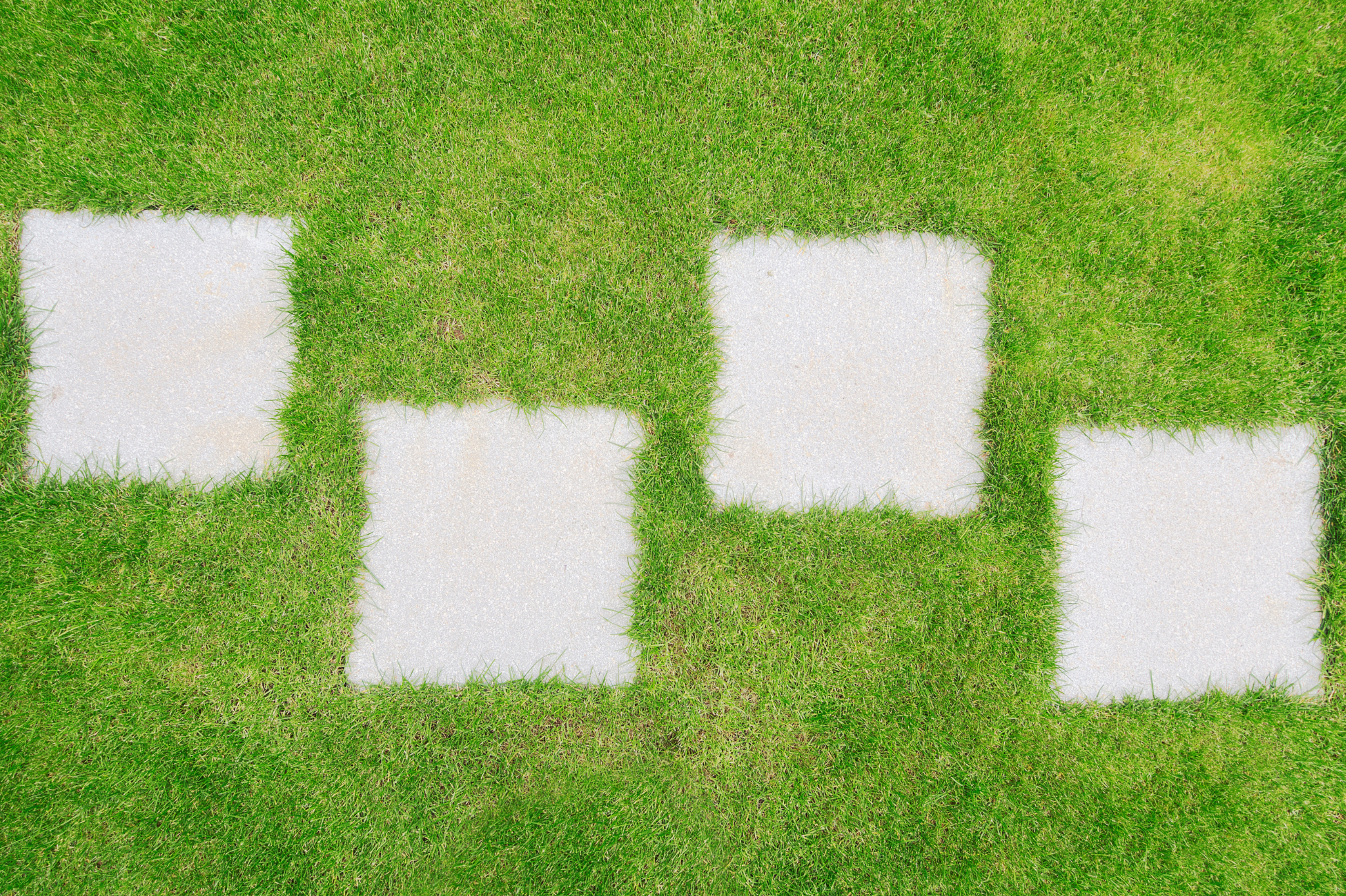
Dogs run along fences and between doorways. These natural pathways turn to mud pits in wet weather. Solve this permanently with paved or gravel paths.
Install a 24- to 36-inch wide pathway of pea gravel, crushed gravel, or flagstone along your fence line and from the back door to the yard's far end. Gravel is inexpensive, drains perfectly, and discourages digging. Flagstone adds a premium look while giving your dog a solid, cool surface in summer heat.
3. Choose Non-Toxic, Traffic-Tolerant Plants
A Dog-Friendly Yard requires plants that survive paw traffic and won't send your dog to the emergency vet. Avoid sago palms, oleander, lilies, and azaleas.
Instead, plant these dog-safe, durable options:
- Ornamental grasses (Pink Muhly, Blue Fescue) - Bend, don't break.
- Rosemary - Woody, fragrant, and thrives on neglect.
- Liriope (Lilyturf) - Almost indestructible ground cover.
- Native shrubs (Utah serviceberry, rabbitbrush) - Adapted to local conditions and pet-safe.
Install plants behind low borders (stone, brick, or metal edging) to define off-limits zones. Dogs respect physical boundaries if trained early.
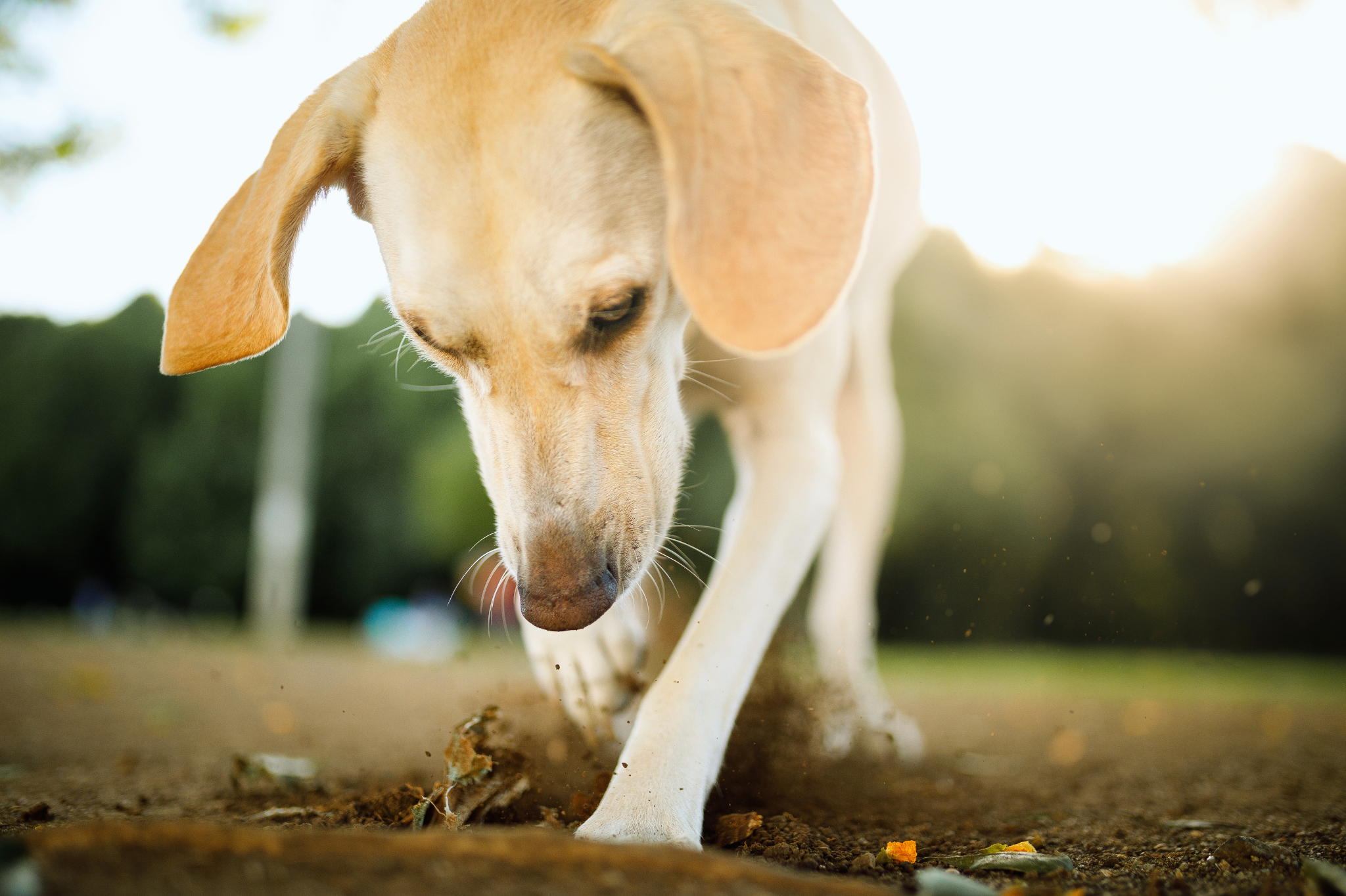
4. Create a Dedicated Digging Pit
Dogs dig for three reasons: boredom, prey, or cool shelter. Instead of punishing the instinct, redirect it.
Build a 3x6-foot digging pit in a shaded corner of your Dog-Friendly Yard. Use a timber frame filled with soft sand or loose topsoil. Bury toys, bones, or treats to encourage use. Most dogs will choose the pit over your flower beds within two weeks.
5. Install a Mud-Free Entry Zone
The back door threshold is ground zero for mud and dirt. Eliminate it with a transition zone:
- Patio pavers extend 6-8 feet from the door.
- Outdoor wash station with a low spigot and drain.
- Mud-free mat system (coconut coir or rubber) embedded into the hardscape.
Train your dog to wait on the pavers for paw wiping. This single habit saves hours of cleaning floors.
6. Smart Shade and Water Features
Dogs overheat faster than humans. A Dog-Friendly Yard must include shade and hydration. Plant a shade tree (dogwood, red maple, or native oak) on the west side of your yard. Or install a pergola with a pet-safe ceiling fan.
Add a low, recirculating water feature (a small bowl fountain or bubbler rock). Moving water attracts dogs to drink more, reducing urine concentration and lawn burn. Never let standing water sit (it breeds bacteria and mosquitoes).
7. Fencing Without the Escape Routes
Dogs escape under fences, over fences, and through rotted pickets. Inspect your perimeter for:
- Gaps under gates - No more than 2 inches.
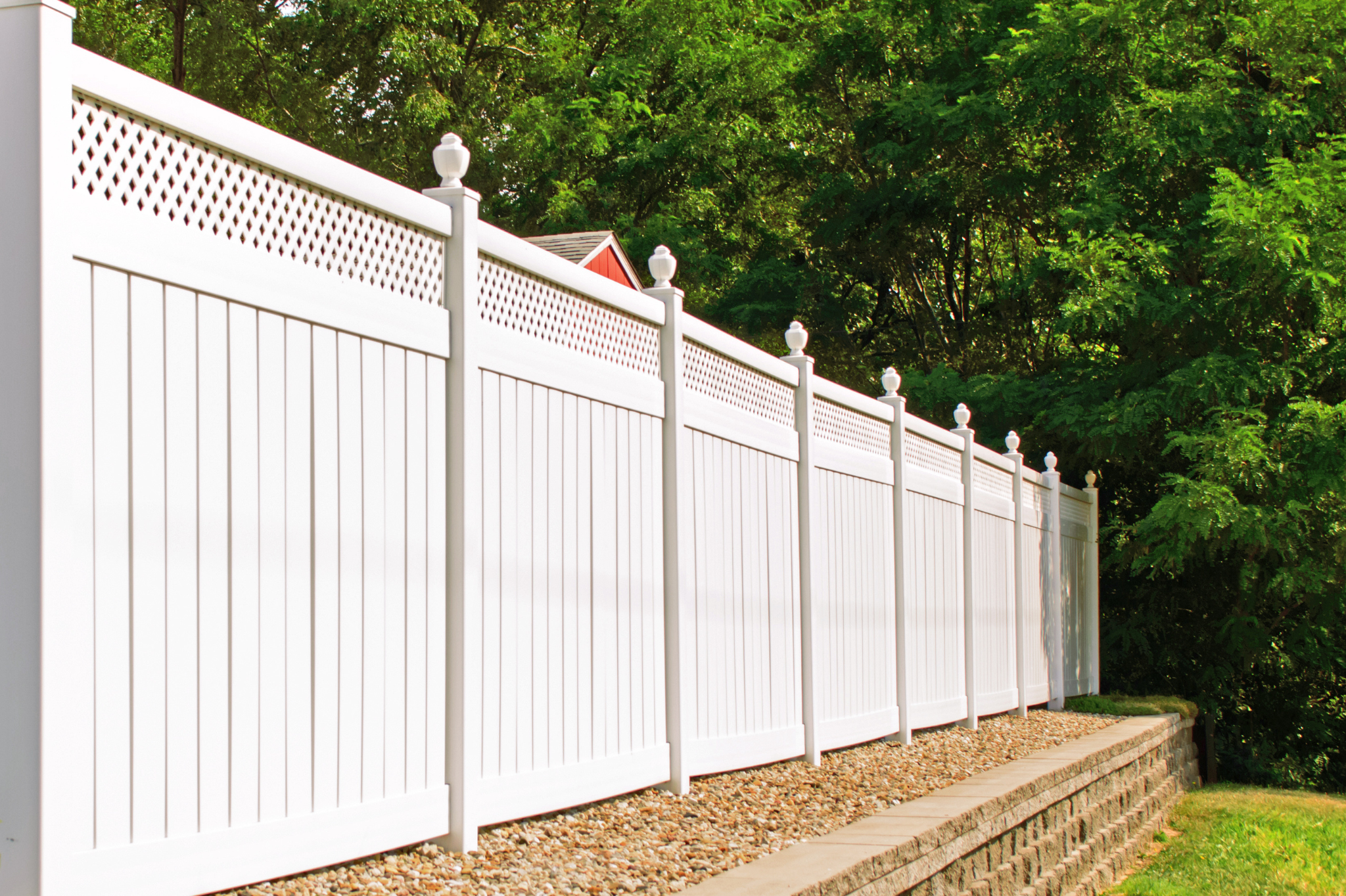
- Lattice or mesh along the bottom 18 inches to block digging.
- Coyote rollers on top for climbers and jumpers.
For privacy and noise reduction (barking triggers), use solid cedar or composite fencing. Avoid chain link, it invites barking and climbing.
Work With a Pro
Designing a true Dog-Friendly Yard is not a weekend DIY project. It requires grading for drainage, selecting region-appropriate materials (critical in Southern Utah's climate), and integrating hardscapes with living elements. One mistake, like choosing the wrong gravel or planting a toxic shrub, can ruin the investment.
C & K Landscaping specializes in durable, beautiful landscapes that serve your entire family, including the furry members. We'll walk your property, note problem zones, and build a custom plan that eliminates mud, repairs plant damage, and gives your dog the space they need without sacrificing curb appeal.
Request a Free Quote today - and stop fighting the losing battle between grass and your dog.
Topics: