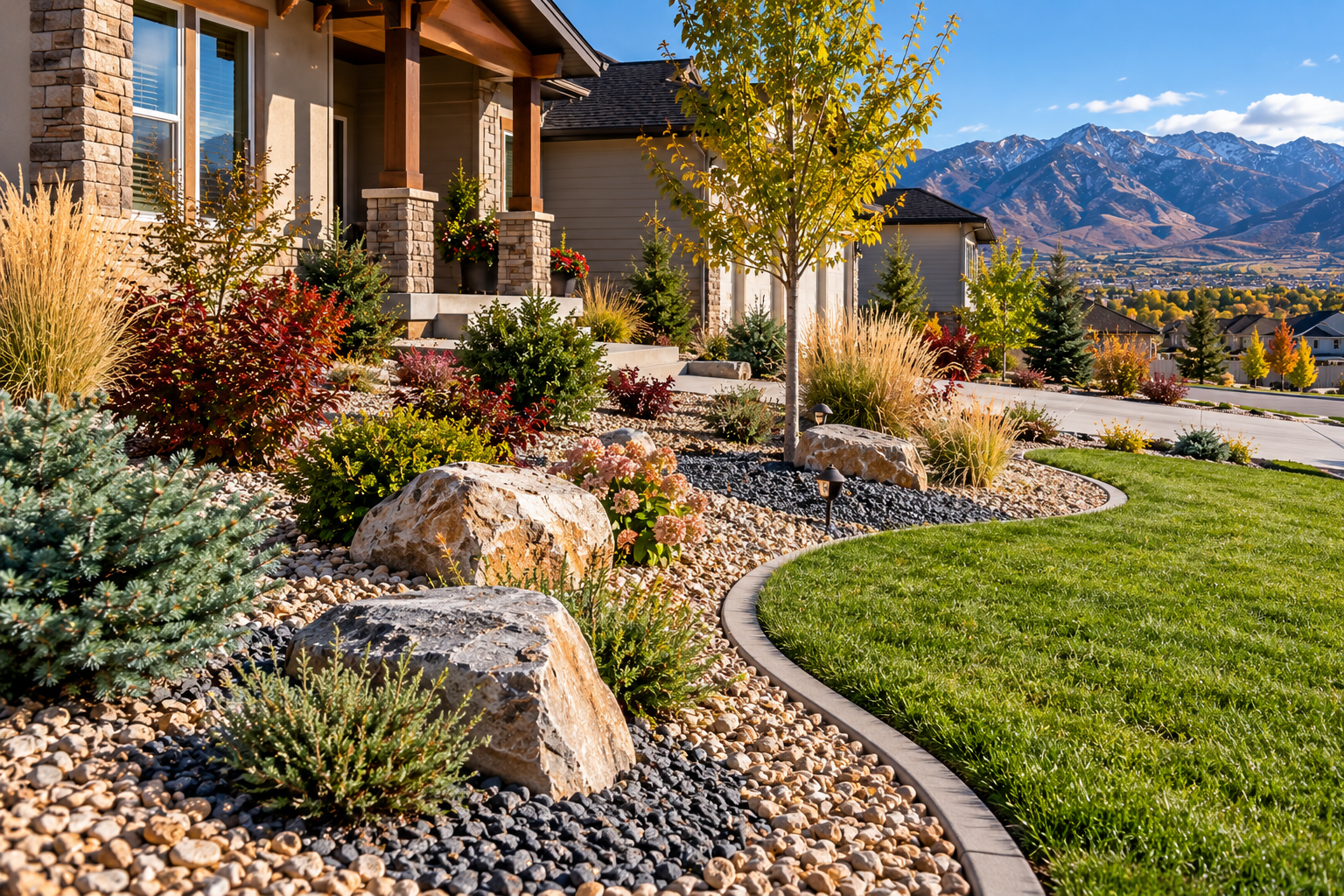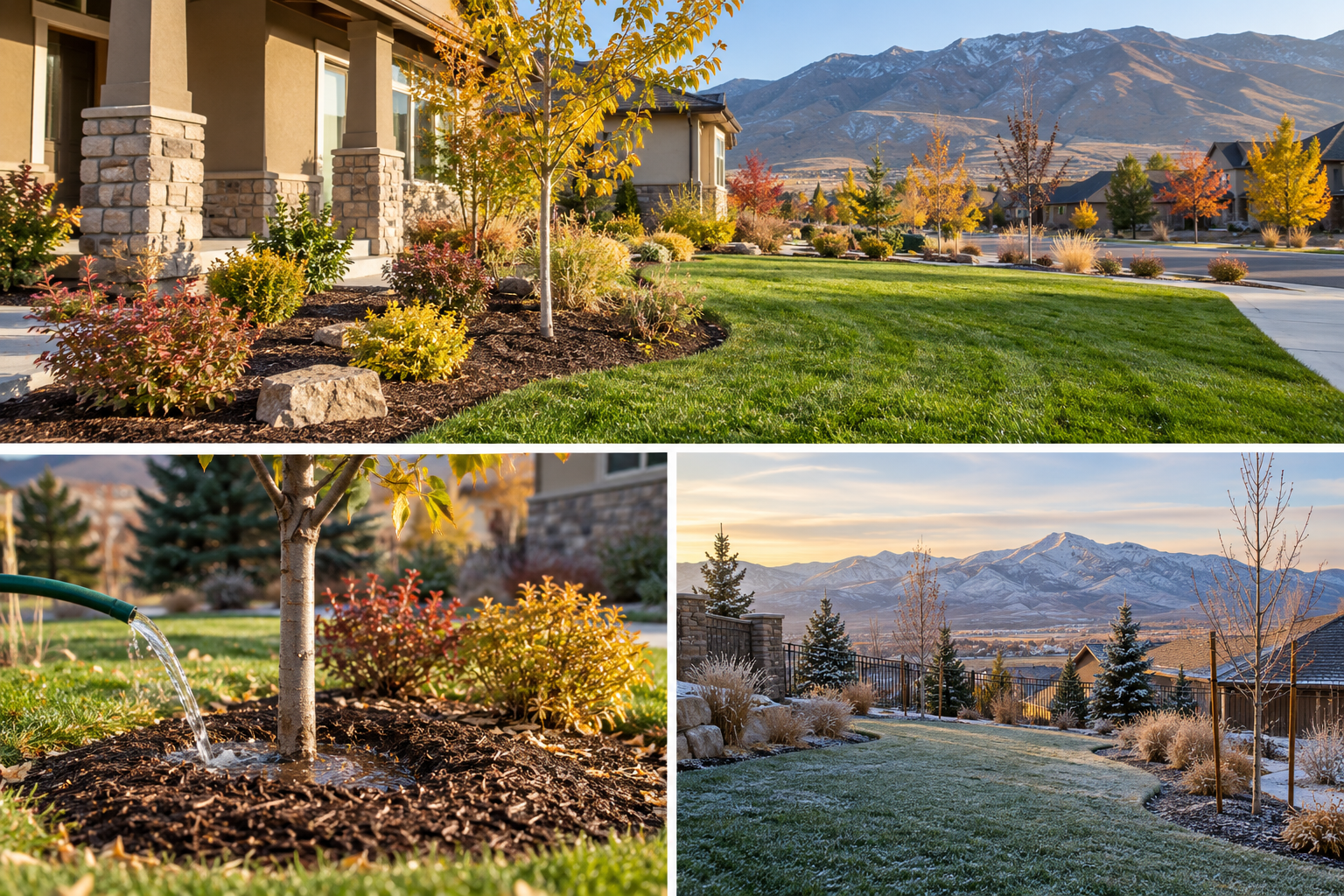
Creating a beautifully landscaped yard is a dream for many homeowners. Whether you're envisioning a lush lawn, colorful flower beds, a modern patio, or a backyard oasis complete with lighting and water features, one of the most common questions is: "How much should I budget for landscaping my yard?"
The answer, like most things in home improvement, is: it depends. Landscaping costs can vary dramatically depending on the size of your yard, the scope of your project, the materials and plants you choose, and whether you're doing the work yourself or hiring professionals.
What's Your Landscaping Goal?
Before talking numbers, it's important to clarify your goal. Landscaping projects fall into three main categories:
- Basic Landscaping – Lawn care, mulching, minor planting, and simple cleanups
- Intermediate Landscaping – Garden beds, sod installation, irrigation systems, and low retaining walls
- Full Landscape Design or Renovation – Patios, walkways, outdoor kitchens, lighting, fire pits, water features, or a full design plan
Your budget should align with the level of work you want. Are you trying to maintain a clean and functional space—or creating an outdoor living environment?
Average Landscaping Costs by Project Type
Here's a look at typical landscaping costs by the kind of work being done (national averages, may vary by region):
- Lawn mowing, edging & basic cleanup: $50–$200 per visit
- Mulch installation: $100–$300 per yard
- Tree planting (small to medium): $150–$500 each
- Flower bed installation: $500–$2,500
- Sod installation: $1–$2 per square foot
- Sprinkler system installation: $2,000–$5,000
- Retaining wall: $20–$50 per square foot
- Paver patio or pathway: $10–$30 per square foot
- Landscape lighting: $2,000–$6,000
- Landscape design plan: $500–$2,500
- Full yard landscaping (front & back): $5,000–$50,000+
How Size Affects Budget
The larger your property, the higher your costs—especially for materials priced per square foot. Here's a rough guide for a mid-range landscaping project:
- Small yard (under 1,000 sq. ft): $5,000–$10,000
- Medium yard (1,000–5,000 sq. ft): $10,000–$25,000
- Large yard (5,000+ sq. ft): $25,000–$50,000+
A general rule of thumb: budget 10–15% of your home's value for a complete landscaping overhaul.
DIY vs. Hiring a Professional
One of the biggest cost variables is labor. Hiring a landscape contractor typically costs $50–$100+ per hour. If you're willing to tackle parts of the project yourself—like planting, mulching, or installing basic edging—you could save thousands. However, some aspects like irrigation systems, large retaining walls, electrical lighting, or grading are best left to the pros for safety and effectiveness.
What Affects Landscaping Costs the Most?
Several variables can significantly increase or decrease your landscape budget:
- Site Conditions: Sloped yards, poor soil, or existing debris add labor and materials costs
- Material Choices: Natural stone costs more than concrete; exotic plants cost more than native species
- Design Complexity: A simple lawn costs far less than a multi-tiered yard with lighting, water features, and masonry
- Location: Urban areas with higher labor costs typically see higher landscape prices
Setting a Smart Landscaping Budget
- Prioritize Your Goals: Make a list of "must-haves" and "nice-to-haves." If your budget is tight, start with structural or foundational features like grading, pathways, or irrigation before decorative elements.
- Get Multiple Quotes: Always compare estimates from several contractors, and ask about labor, materials, and hidden costs.
- Budget for Maintenance: Ongoing maintenance like mowing, trimming, fertilizing, or replacing plants can cost $50–$500/month, depending on your needs.
- Think Long-Term Value: High-quality landscaping can boost your home's value by as much as 10–15%, especially curb appeal elements like lighting and low-maintenance plants.
- Phase Your Project: If you can't afford your dream yard all at once, break it into phases—hardscaping one year, planting the next. This also lets you adapt the design as your needs change.
How to Save Without Sacrificing Style
- Use native, drought-tolerant plants that require less water and care
- Mulch heavily—it makes beds look finished and reduces weeds
- Create focal points with one or two statement features, and keep the rest simple
- Buy smaller plants that will grow into their space instead of paying for mature ones
- Shop off-season—many nurseries discount plants and materials in fall
Final Thoughts
Landscaping is both an investment and an opportunity to personalize your space. Whether you want a low-maintenance yard, a lush garden, or an outdoor living retreat, planning your budget is the first and most important step.
With a clear plan, smart prioritization, and a mix of DIY and professional help, you can create a yard that adds beauty, value, and enjoyment to your home—without financial stress.
📞 Contact us today for a free estimate and let C&K Landscaping help you plan a yard transformation that fits your vision and your budget.
Topics: