
Weeds—they're the unwanted guests of every yard and garden. Just when you think you've achieved the perfect lawn or landscaped bed, dandelions, crabgrass, and thistles seem to spring up overnight. If you're a homeowner in Utah, preventing weeds is not only a matter of curb appeal—it's about water conservation, plant health, and long-term yard sustainability.
Understanding Weeds: Why Are They So Persistent?
Weeds are essentially opportunistic plants. They thrive in disturbed, nutrient-poor, or under-watered areas—conditions often present in lawns and garden beds. Most common weeds fall into two categories:
- Annual weeds (e.g., crabgrass, foxtail, spurge): Grow from seed each year and spread quickly
- Perennial weeds (e.g., dandelion, bindweed, thistle): Come back year after year from deep root systems
Weeds are fast-growing, produce thousands of seeds, and often have adaptations for harsh conditions, making them hard to eliminate once established. In Utah's diverse climates—from high-mountain valleys to lowland deserts—particularly problematic weeds include dandelion, crabgrass, spurge, bindweed, Canada thistle, and cheatgrass.
Start With Prevention: The Best Defense Is a Healthy Lawn
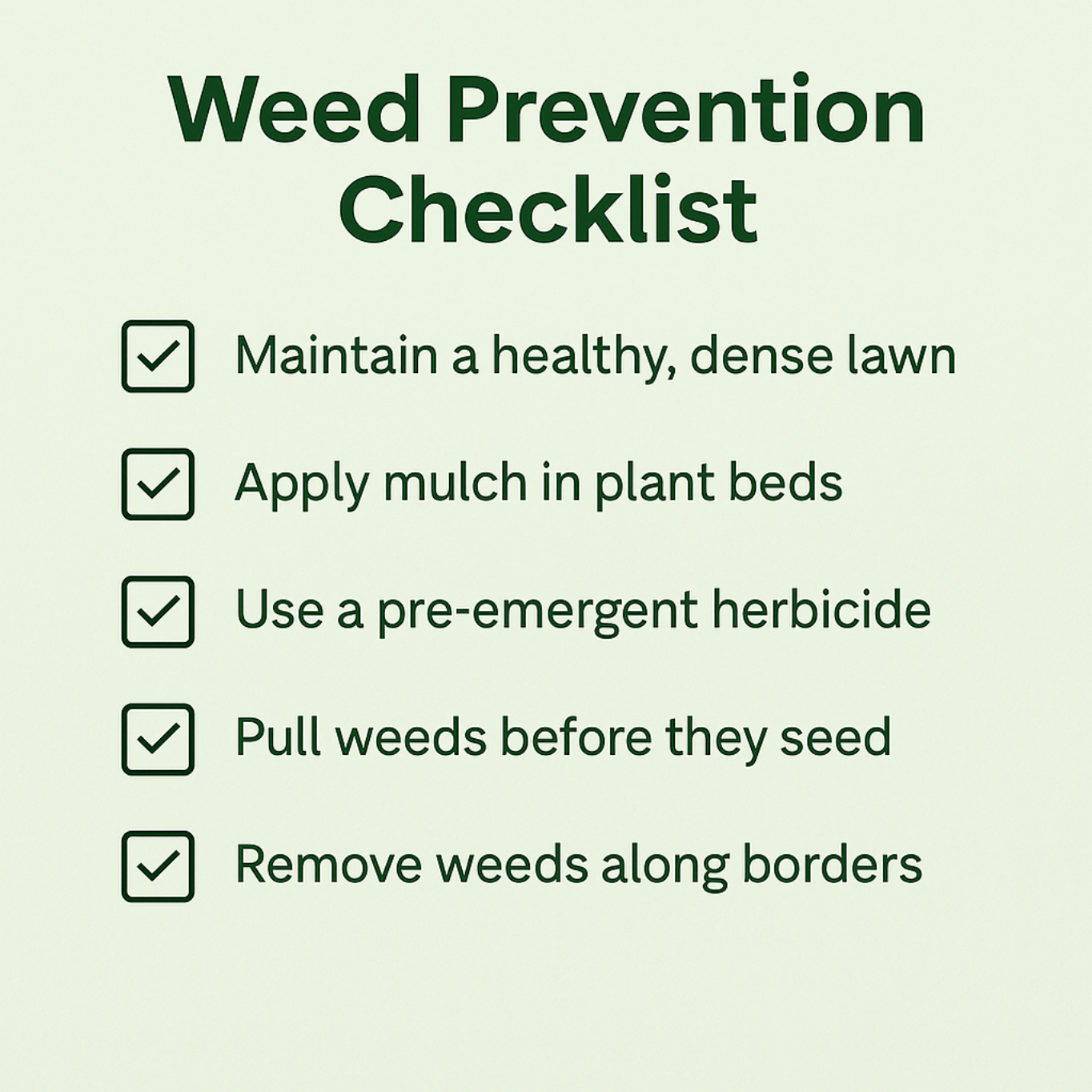
Weed control begins before weeds appear. Healthy, dense turf and well-managed planting beds make it hard for weeds to gain a foothold.
Keep Your Grass Strong: A well-maintained lawn will choke out many weed seeds. Mow high (3"–3.5") to shade the soil and prevent weed seed germination. Don't scalp the lawn—cutting too short weakens grass and invites weeds. Aerate once per year to prevent compaction and encourage deep grass roots. Fertilize in fall and spring with a slow-release fertilizer specific to your grass type. Water deeply but infrequently to promote deeper roots.
Overseed Bare Spots: Thin patches are an open invitation for weeds. Overseed each fall or early spring to maintain density. Use region-specific seed blends like drought-tolerant fescues or buffalograss for better results in Utah.
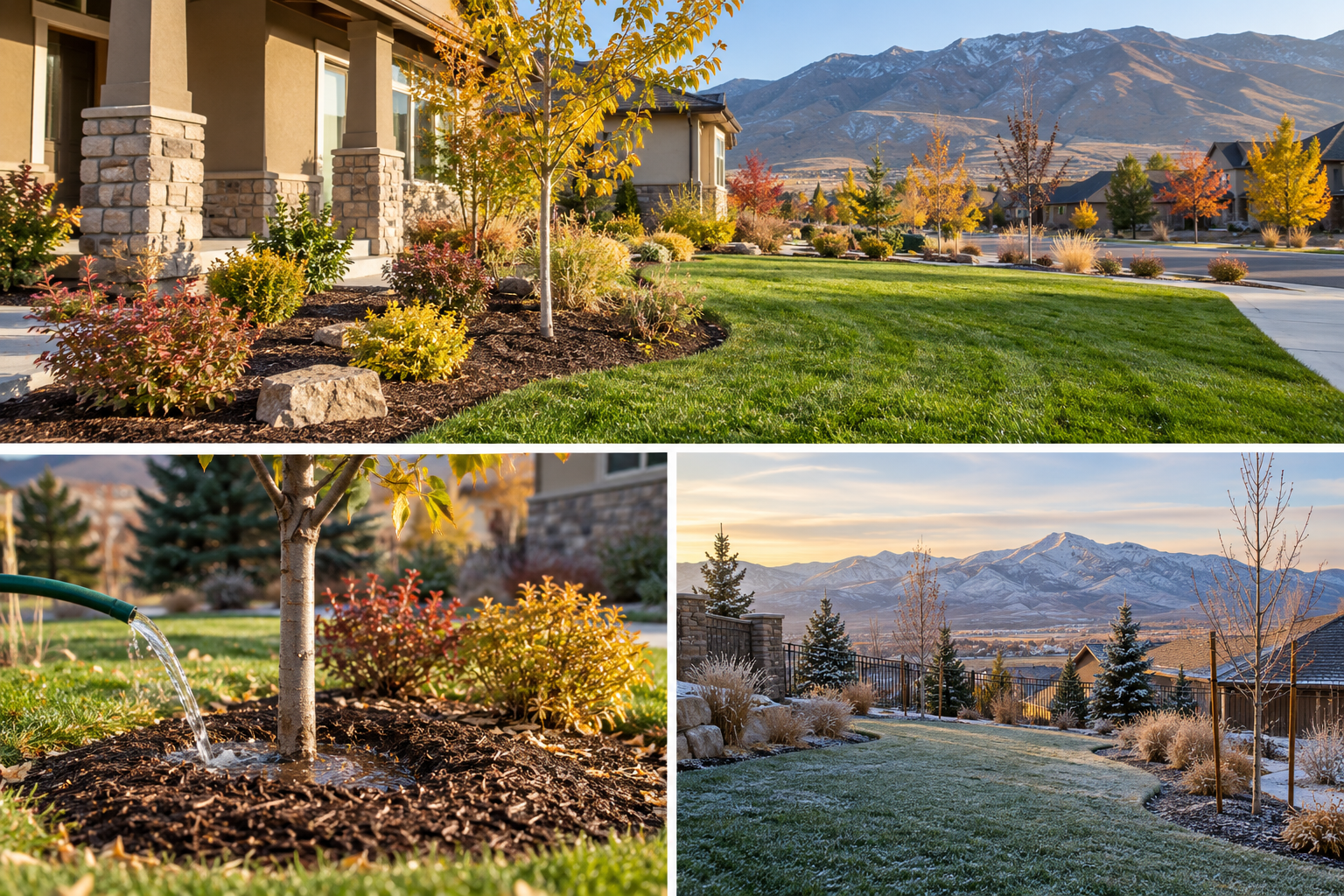
Block the Weeds with Smart Mulching: Apply 2–4 inches of mulch around plants (avoid piling at the base), use shredded bark, wood chips, or composted mulch, and reapply annually as mulch breaks down. For extra protection in high-weed areas, add weed barrier fabric beneath mulch. Consider low-growing dense ground covers like creeping thyme, ice plant, sedum, or clover as living mulch alternatives.

Weed Control: Organic and Chemical Approaches
Once weeds emerge, prompt action prevents them from spreading.
Organic Weed Control: Hand pulling works best for small outbreaks—pull after watering for easier root removal and get the entire root (especially for dandelions and bindweed). Boiling water works well on cracks in pavement or sidewalk edges but can kill grass too. Horticultural vinegar (20% acetic acid) works on young annual weeds but requires repeat applications. Flame weeding is great for driveways or gravel paths but not recommended near mulch or dry areas during fire season.
Pre-Emergent Herbicides: Applied before seeds germinate, pre-emergents are effective for crabgrass, spurge, and foxtail. Apply in early spring and again in fall. Popular options include Preen, Barricade, and Dimension.
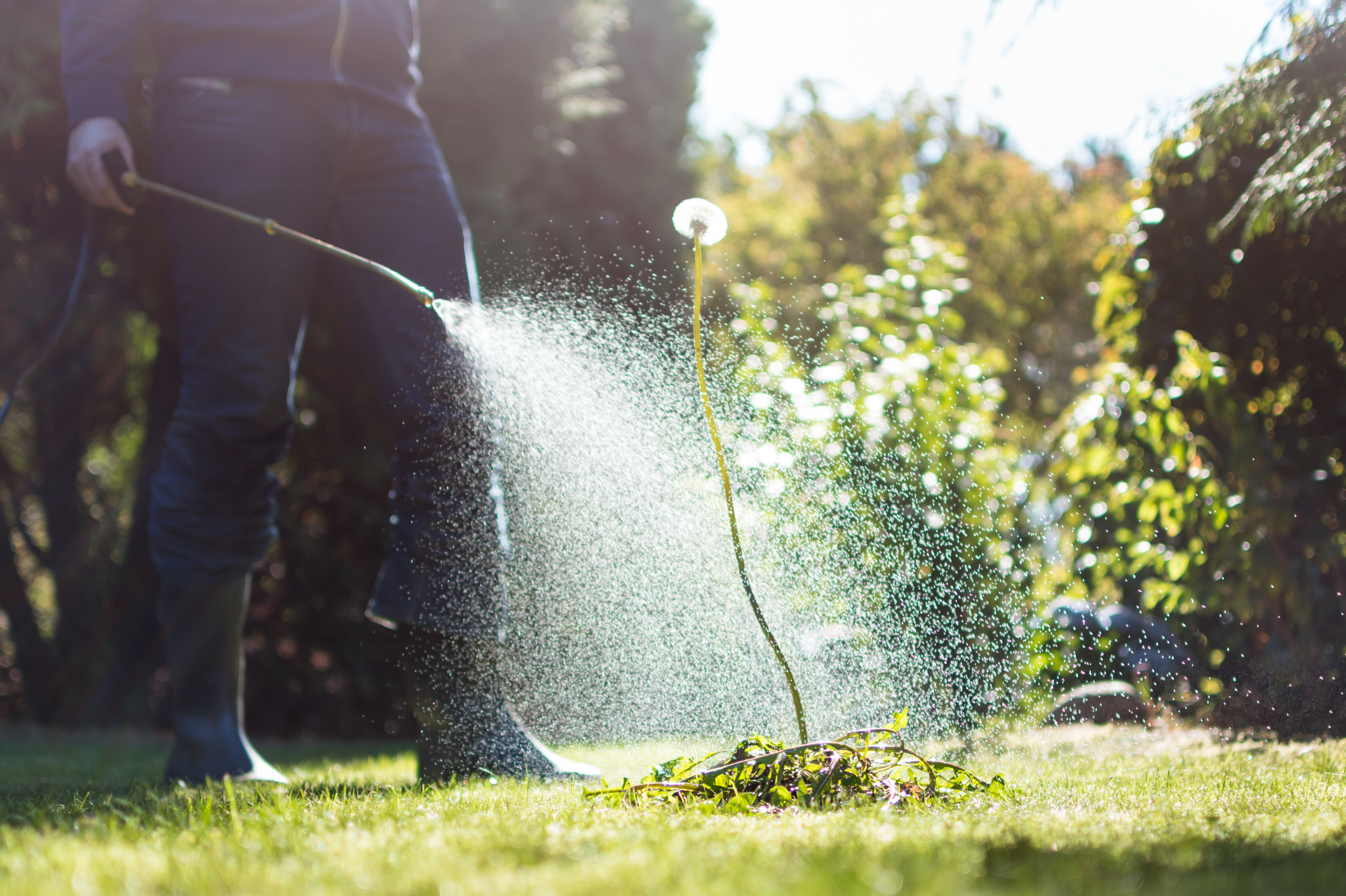
Selective Post-Emergent Herbicides: These target specific weeds without killing grass and work best for dandelions, clover, and thistle. Look for active ingredients like 2,4-D, Dicamba, or Quinclorac. Always follow label directions and avoid spraying on windy days.
Design for Weed Prevention: Smarter Landscapes, Fewer Problems
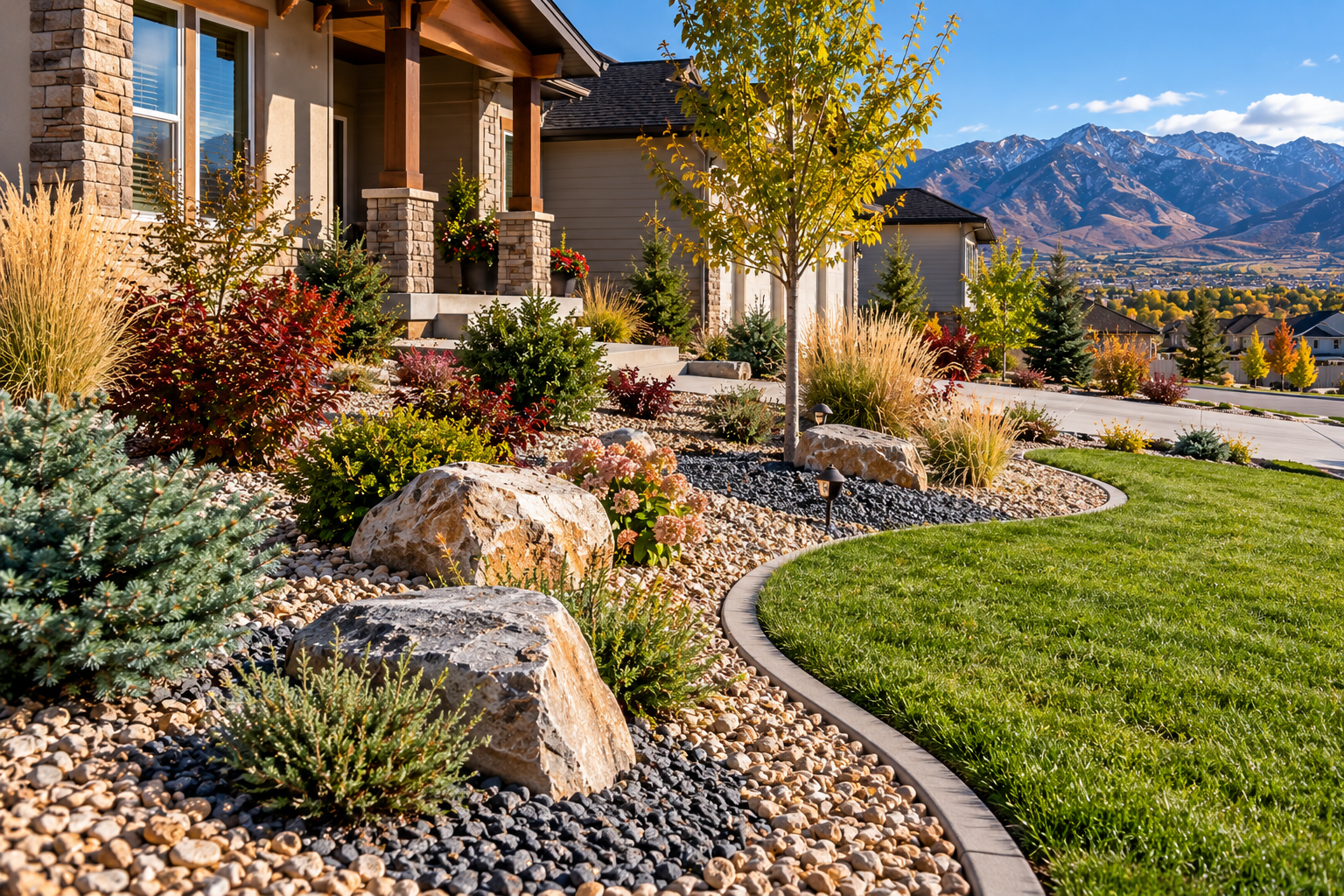
Your landscape layout can make or break your weed management strategy. Use dense planting arrangements to shade the soil, install border edging to separate turf from beds, create rock mulch zones around hard-to-weed areas, and favor native and drought-tolerant plants that thrive with little attention. Consider xeriscaping parts of your yard—native plant designs reduce maintenance and weed risk, especially in Utah's dry climate.
Seasonal Weed Prevention Checklist (Utah-Specific)
Spring (March–May): Apply pre-emergent before soil reaches 55°F, fertilize lawn and overseed any bare areas, pull early-sprouting weeds before seed heads form.
Summer (June–August): Mulch exposed areas to conserve moisture and block sunlight, spot-spray or pull new weeds, mow grass high and water deeply to encourage strong turf.
Fall (September–November): Aerate and fertilize lawn, apply a second round of pre-emergent for fall-germinating weeds, cut back perennial weeds and re-mulch.
Winter (December–February): Plan next season's plantings to eliminate weed-prone zones, inspect hardscape areas (pavers, paths) for cracks where weeds may emerge, service lawn tools and refill organic supplies.
Avoid These Common Weed Prevention Mistakes
Mistake #1: Overwatering — Too much water can encourage weed growth, especially invasive grass weeds. Mistake #2: Using Cheap Mulch — Low-quality mulch can contain weed seeds. Always source from reputable suppliers. Mistake #3: Delaying Action — Letting even a few weeds go to seed can spread thousands of new seeds across your yard. Mistake #4: Ignoring Edges & Borders — Most weeds start at the edges of driveways, fences, or garden beds. Maintain these zones diligently.

Create a Low-Weed Landscape That Lasts
Preventing weeds is a year-round commitment—but one that pays off in a healthier, easier-to-maintain, and more beautiful yard. Whether you're maintaining a traditional lawn or a water-wise landscape, the keys to success are: start with healthy soil and plants, cover bare soil with mulch or ground cover, be proactive with pre-emergents and seasonal care, and design smarter, not harder.
📞 Contact us today to schedule your free lawn inspection and learn about our customized weed control consultations, seasonal yard cleanups, and professional pre-emergent applications throughout Utah.
Topics: