A thriving garden doesn't start with the seed or the sapling—it starts with what lies beneath. The foundation of every healthy plant, vibrant flower bed, and productive vegetable plot is the planting soil you choose. At C&K Landscaping, we've seen too many well-intentioned projects struggle because of a single fundamental mistake: using the wrong dirt. This guide cuts through the confusion, helping you select the right soil for planting to ensure your landscape not only grows but flourishes.
Understanding Your "Dirt": It's More Than Just Soil
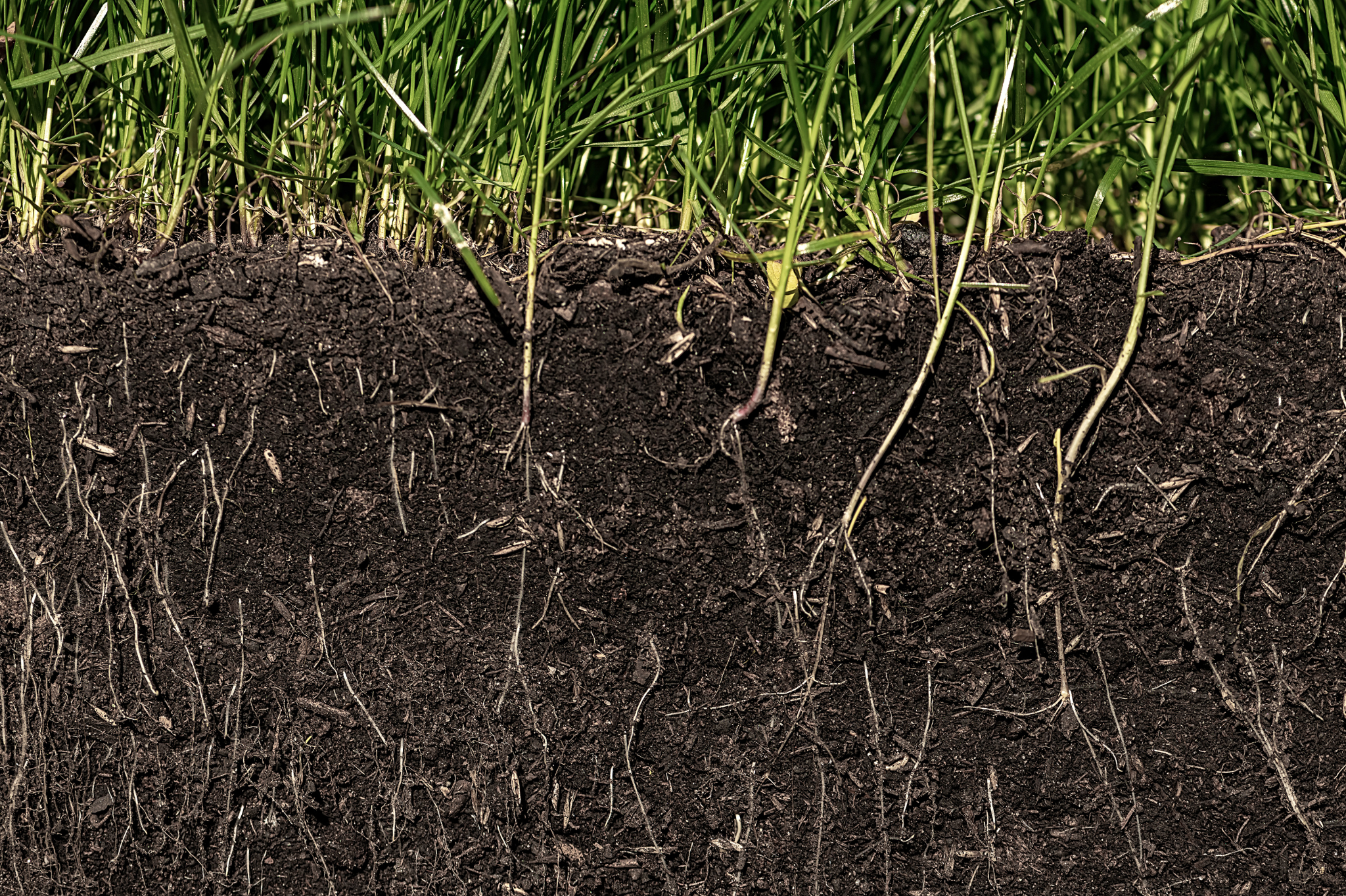
First, let's clarify a common misconception. The dirt you dig up in your yard is not ideal planting soil. Topsoil can be depleted, compacted, and lacking in the vital nutrients and structure plants crave. True, effective planting soil is a living, breathing ecosystem—a carefully balanced blend of minerals, organic matter, water, and air that provides nutrient supply, water management (both retention and drainage), aeration for roots to breathe and expand, and physical support for root systems.
All good soil for planting consists of three primary particles in varying proportions: Sand (the largest particle) improves drainage and aeration but doesn't hold nutrients well. Silt (medium-sized) holds moisture and nutrients effectively. Clay (the smallest particle) is nutrient-rich but dense, prone to poor drainage and compaction. The ideal blend for most plants is loam—roughly 40% sand, 40% silt, and 20% clay—retaining moisture and nutrients while still draining sufficiently so roots don't rot.
How to Choose the Right Soil for Your Project
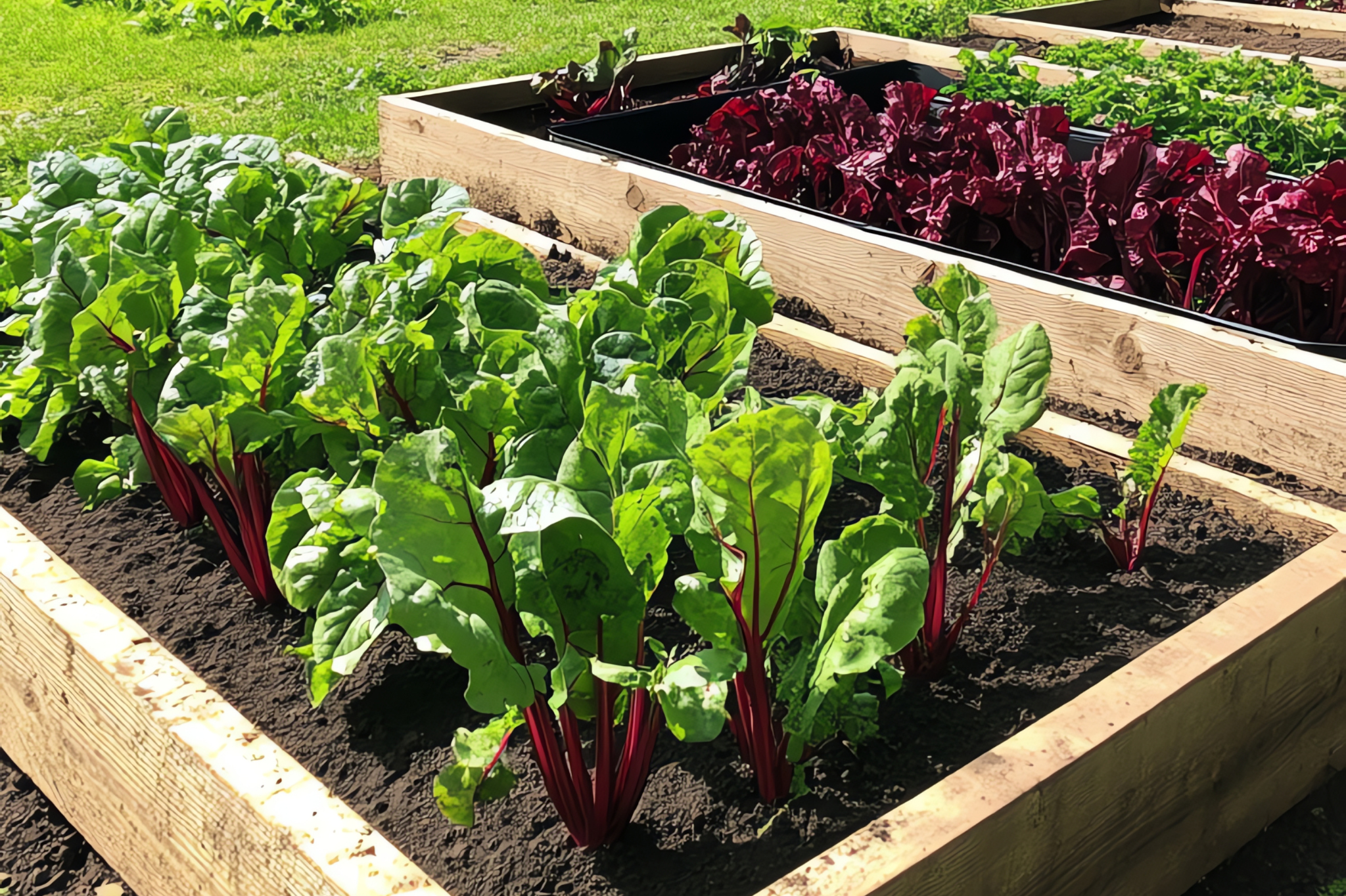
For Garden Beds & Vegetable Plots — Use Garden Soil or Topsoil Blend: For in-ground applications, a high-quality garden soil or blended topsoil rich in compost and organic matter is perfect. It works to improve the native soil's structure and fertility. Look for blends labeled for "raised beds" or "vegetable gardens," which are typically nutrient-dense.
For Containers & Pots — Use Potting Mix: Container plants need a specific soil called potting mix, which often contains no actual soil. It's lighter, fluffier, and engineered to provide excellent drainage and aeration in a confined space, preventing compaction and root suffocation. Using bagged topsoil in containers will compact, choke roots, and kill your plants.
For Lawn Establishment & Leveling — Use Screened Topsoil: When seeding a new lawn or filling low spots, a clean, screened topsoil free of weeds and large debris is essential. It should be slightly sandy to promote grass root growth but contain enough organic matter to hold moisture for germination.
For Trees & Shrubs — Use a Balanced Planting Mix: Long-lived woody plants need planting soil that ensures long-term stability and health. We often recommend a blend of native soil, compost, and a conditioner like pine bark fines to encourage strong root establishment beyond the planting hole into the surrounding ground.
Reading the Bag: Key Terms on Soil Labels
"Weed-Free" is crucial for reducing future maintenance. "Enriched with Compost/Manure" indicates added organic matter for fertility. "For Drainage" (often contains sand/perlite) is good for areas prone to wetness or for plants like lavender and rosemary. "Moisture-Retentive" (often contains peat/coir) is beneficial for hanging baskets or moisture-loving plants. pH Level matters too—most plants prefer a slightly acidic to neutral pH (6.0–7.0), while some like blueberries or azaleas need more acidic soil.
The C&K Landscaping Pro Tip: Test and Amend
The most assured path to success? Test your native soil. A simple pH and nutrient test kit reveals exactly what your landscape lacks. We then amend based on science, not guesswork. For heavy clay, we incorporate gypsum and organic matter. For sandy soil, we add compost to boost water and nutrient retention. This targeted approach transforms your existing ground into premium planting soil.
Common Soil Choice Mistakes to Avoid
Using bagged topsoil in containers will compact and choke roots. Assuming all soil is the same ignores the fact that the right planting soil for a cactus is the opposite of what a fern needs. Ignoring drainage is the #1 cause of plant failure—waterlogged roots are deadly. And forgetting long-term nutrition means planning for annual feeding with compost or appropriate fertilizers.
Let Us Lay the Groundwork for Your Success
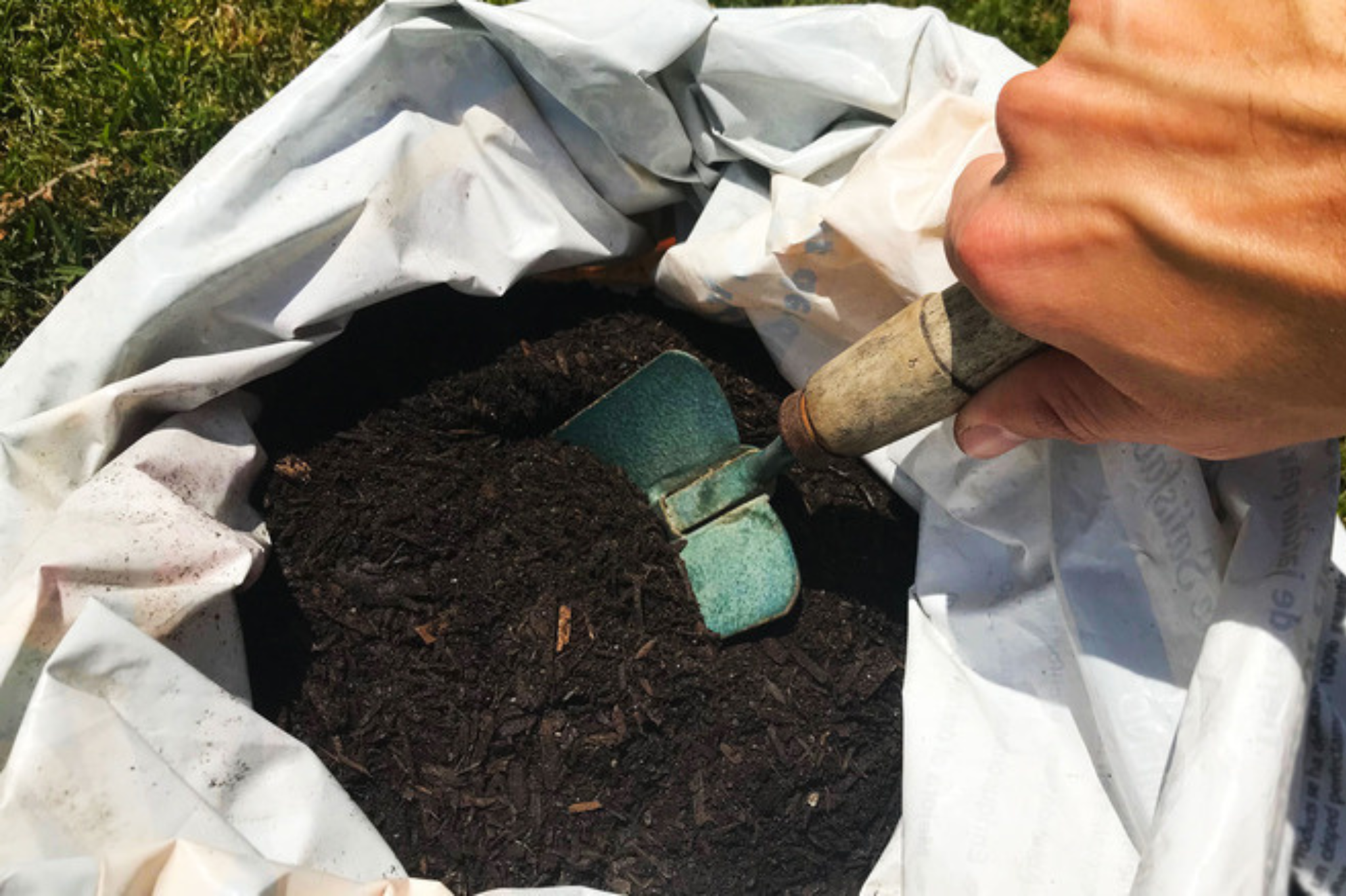
Choosing the right soil can feel overwhelming, but you don't have to navigate it alone. At C&K Landscaping, we consider the soil the cornerstone of every beautiful landscape we build or maintain. We source high-quality, locally appropriate soil blends and know exactly what amendments your specific project requires.
Ready to build a stronger foundation for your landscape? Contact C&K Landscaping today for a consultation. Let's discuss your vision, test your soil, and provide the perfect growing medium to make it a thriving, sustainable reality—from the ground up.
Topics: