

As the crisp autumn air settles over Monroe and the rest of Central Utah, we're all thinking about cozy sweaters, pumpkin spice, and the stunning changing leaves. But while you're enjoying the beauty of the season, your lawn is silently preparing for the long, cold winter ahead. The work you do now is the secret to a vibrant, healthy lawn when spring arrives.
At C&K Landscaping, we know the unique challenges and opportunities that Utah's climate presents. Our hot, dry summers and freezing, snowy winters mean that a one-size-fits-all approach to lawn care simply won't work. Think of fall preparation as putting your lawn to bed for the winter, ensuring it wakes up refreshed and ready to thrive.
1. The Most Important Meal of the Year: Fall Fertilization
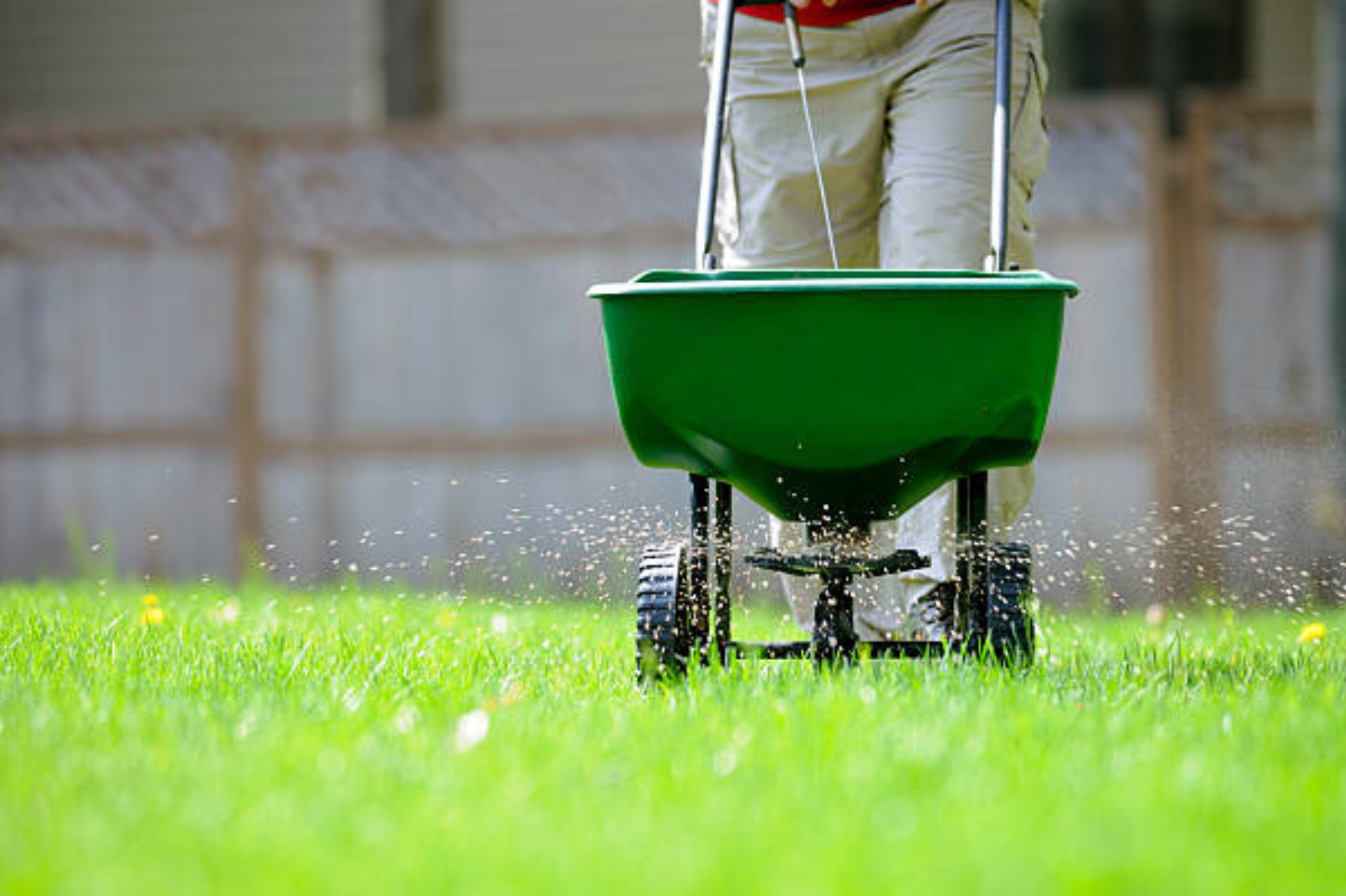
If you only fertilize your lawn once a year, fall is the time to do it. While summer fertilization focuses on green top-growth, a fall application is all about strengthening the roots. This process helps your grass store vital energy and nutrients that will sustain it through the dormant winter months and give it a powerful head start in the spring.
Utah's soils often have a unique composition, and choosing the right fertilizer is key. Look for a slow-release, nitrogen-heavy blend with a touch of potassium—nitrogen fuels deep green growth, while potassium enhances your grass's cold tolerance and disease resistance. Applying this in early to mid-September and then again in late October or early November (before the ground freezes) is the ideal two-step approach.
Why it matters: A well-fed lawn in the fall is better equipped to handle winter stress, resists disease like snow mold, and will show a much earlier and more consistent green-up come springtime.
2. Give Your Grass Room to Breathe: Lawn Aeration
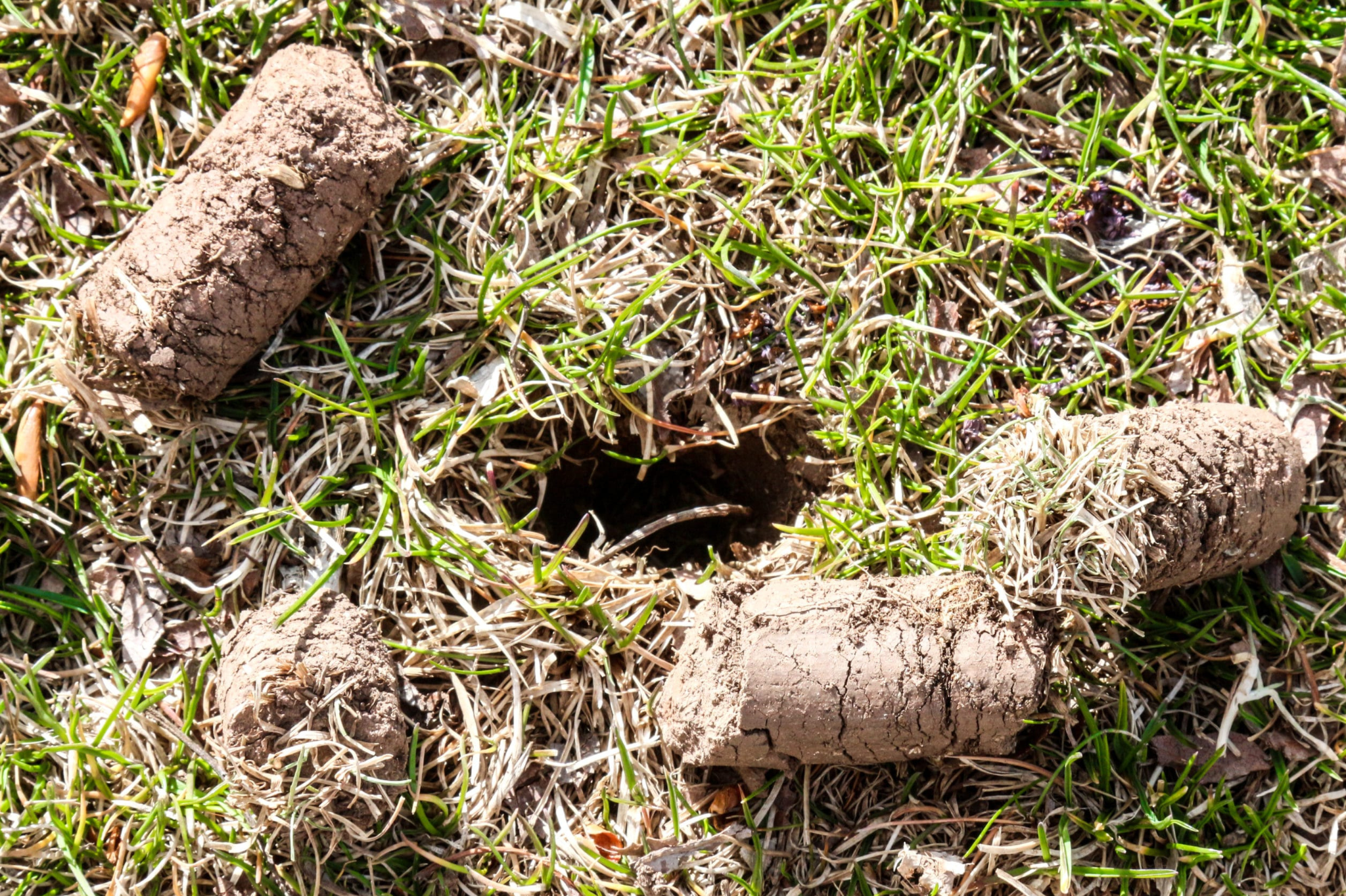
After a long summer of foot traffic, kids playing, and the scorching Utah sun, your lawn's soil has likely become compacted. Compacted soil chokes out the grass roots, preventing water, oxygen, and nutrients from reaching them. Lawn aeration creates small holes in the soil that:
- Improve air circulation and allow oxygen to penetrate the soil
- Enhance water and nutrient absorption so fertilizer reaches deep roots
- Reduce thatch buildup that can suffocate your lawn
The best time to aerate in Monroe is September or early October, while the soil is still warm and the grass is actively growing. If your lawn is thin or patchy, follow up aeration with overseeding—the small holes left behind are the perfect environment for new grass seeds to germinate.
3. The Final Cut: Mowing & Leaf Management
In early fall, keep your mower at a higher setting (around 2.5 to 3 inches) to allow the grass blades to perform maximum photosynthesis and build up energy reserves. For your final mow of the season (typically late October or early November), lower your blade to about 1.5 to 2 inches. This prevents grass from matting down under heavy snow cover, reduces the risk of snow mold, and helps your lawn conserve energy through winter.
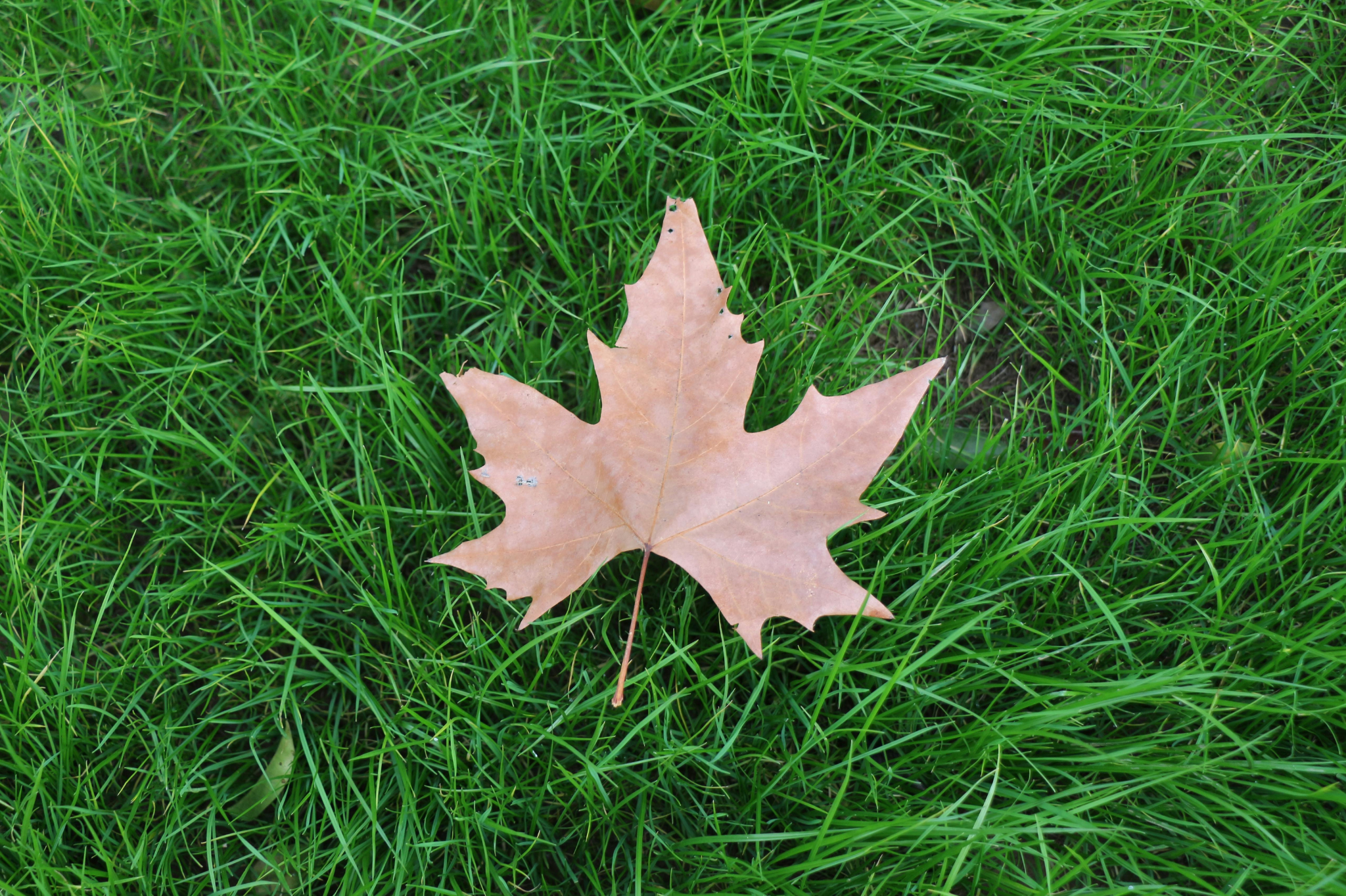
As for fallen leaves: while a light layer can provide some nutrients, a thick matted pile will suffocate your lawn. Rake or mulch them with your mower—mulching them into small pieces allows nutrients to return to the soil without blocking sunlight and air.
4. Protect Your Investment: Sprinkler Winterization
This is perhaps the most critical step for Utah homeowners to prevent costly damage. With freezing temperatures right around the corner, leaving water in your sprinkler system lines is a recipe for disaster—when water freezes, it expands, and that pressure can cause pipes, valves, and sprinkler heads to crack or burst.
The process of "blowing out" your sprinkler system uses a high-volume air compressor to force all remaining water out of the lines. This service is a non-negotiable part of fall lawn maintenance in Utah—it keeps your irrigation system completely dry and safe from ice damage, saving you from expensive repairs in the spring.
5. Tackle Those Weeds Now
Fall is a surprisingly effective time to fight perennial weeds like dandelions and field bindweed. As the days get shorter, these weeds pull nutrients from their leaves down to their roots to prepare for winter. Applying an herbicide in the fall takes advantage of this natural process—the weed will pull the treatment directly into its root system, often leading to a more complete and effective kill.

The C&K Landscaping Difference
Preparing your lawn for the harsh Utah winter can feel like a daunting task, but it's an investment that pays off immensely. At C&K Landscaping, we have the experience and local expertise to handle all your fall lawn care needs—from professional aeration and fertilization to meticulous sprinkler winterization.
Don't wait until the first frost to start thinking about your lawn.
📞 Contact C&K Landscaping today for a free consultation and let us help you prepare your lawn for a long, healthy winter's nap.
Topics: