
For many, the arrival of spring and summer is a time of joy—except for those who suffer from seasonal allergies. The very act of stepping into a beautiful garden can trigger sneezing, itchy eyes, and congestion. At C&K Landscaping, we believe your outdoor space should be a sanctuary, not a source of discomfort. The good news is that with thoughtful planning, you can create a stunning, vibrant landscape filled with low-allergy plants that minimize pollen and maximize enjoyment.
Understanding the Allergy Culprit: It's All About the Pollen
Most seasonal allergies are triggered by wind-pollinated plants. These plants produce enormous amounts of tiny, lightweight pollen grains designed to travel on the breeze. Think trees like oak, birch, and maple, or grasses like ryegrass and fescue. Their mission is to reach other plants, but they often end up in our noses and eyes instead.
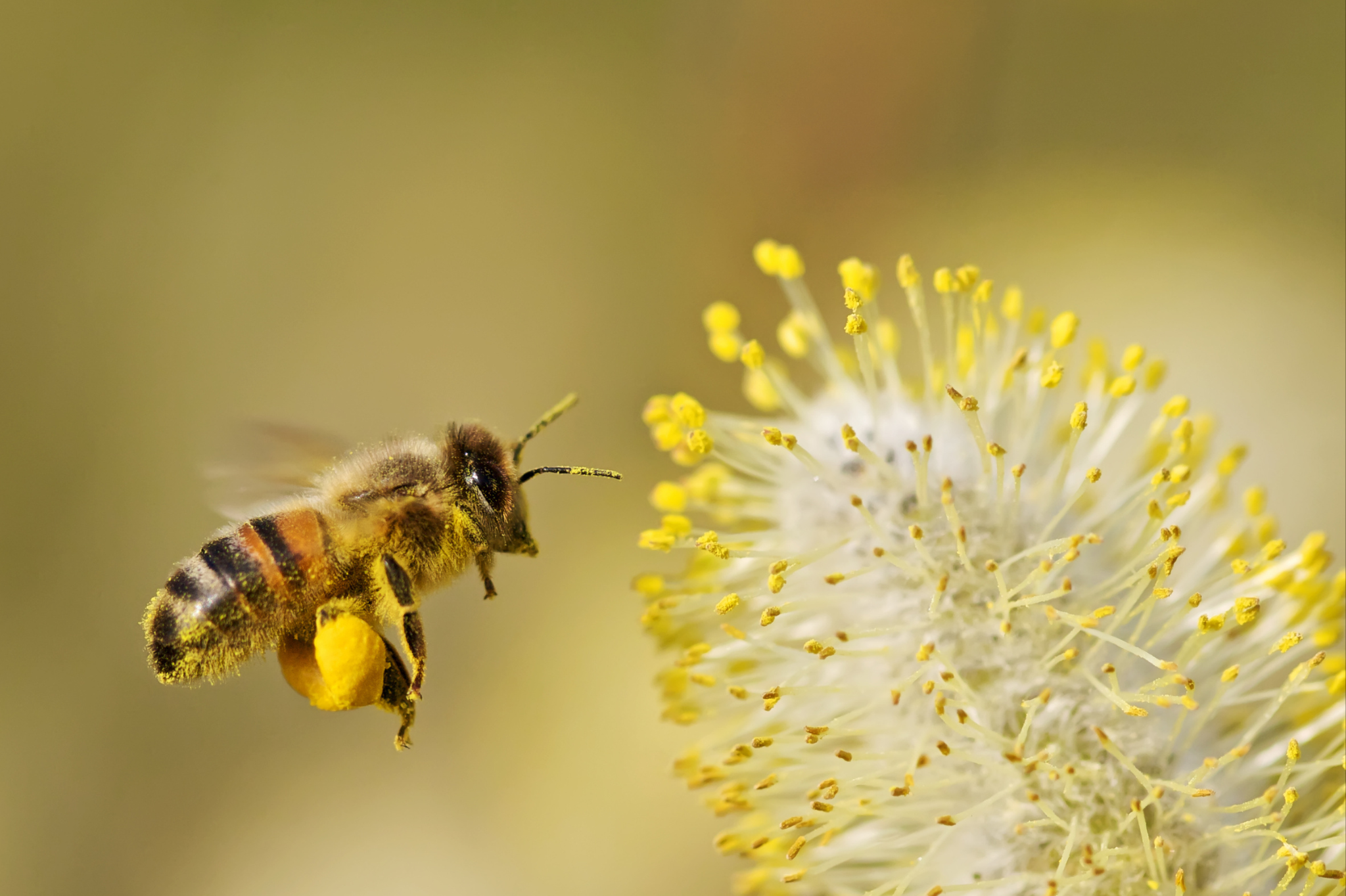
The key to an allergy-friendly garden is focusing on plants that are insect-pollinated. These plants—including many showy perennials and flowering shrubs—produce heavier, stickier pollen that relies on bees, butterflies, and other insects for transport. This pollen rarely becomes airborne, making them excellent low-allergy plants for your landscape.
Our Top Picks for Low-Allergy Plants
When designing a hypoallergenic garden, consider these categories of friendly flora:
- Female Trees and Shrubs (The Ultimate Choice): This is a professional landscaping secret—many troublesome trees (like juniper or mulberry) are male cultivars that shed pollen. Specifying female cultivars of species like holly, aspens, or junipers means the plant will not produce pollen at all. They may produce berries (which attract birds), but no allergenic pollen.
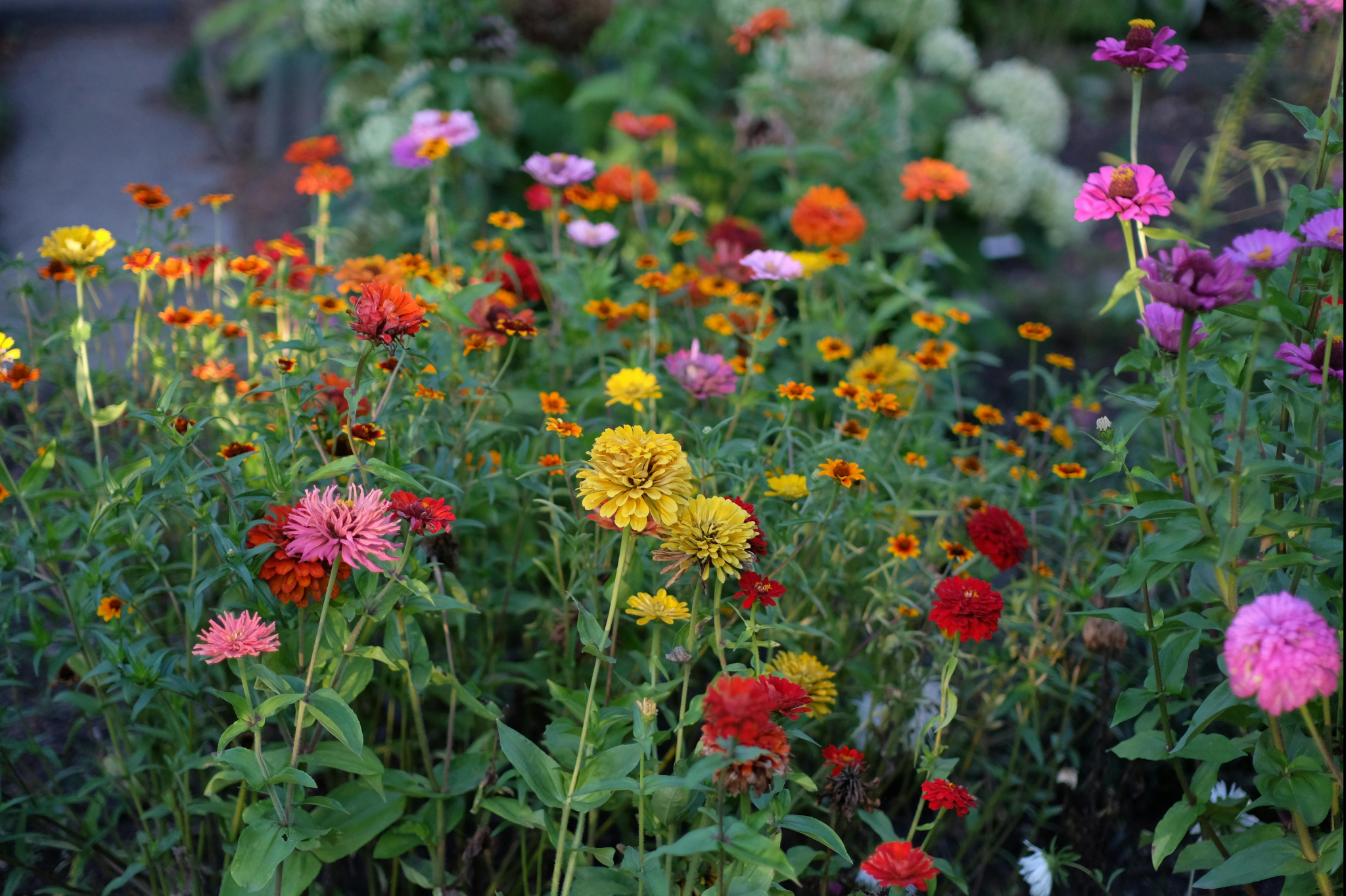
- Vibrant Perennials: Begonias and Geraniums are colorful, hardy, and entirely insect-pollinated. Hostas are excellent for shady areas, valued for their foliage. Irises and Daylilies have pollen too heavy to become airborne. Salvia (Sage) and Penstemon are beloved by pollinators and safe for allergy sufferers.
- Beautiful Flowering Shrubs: Azaleas and Rhododendrons are part of the insect-pollinated Ericaceae family. Hydrangeas feature large, showy flower clusters that are insect-dependent. Boxwood is a classic landscaping shrub with small, non-allergenic flowers.
- Safer Ground Covers and Vines: Replace pollen-heavy lawns with alternatives like Ajuga (Bugleweed), Pachysandra, or Vinca Minor for lush ground coverage. Clematis or Trumpet Vine are beautiful, climbing, and insect-pollinated.
Plants to Avoid in an Allergy-Sensitive Garden
Awareness is just as important as selection. We generally recommend minimizing or avoiding these high-pollen producers:
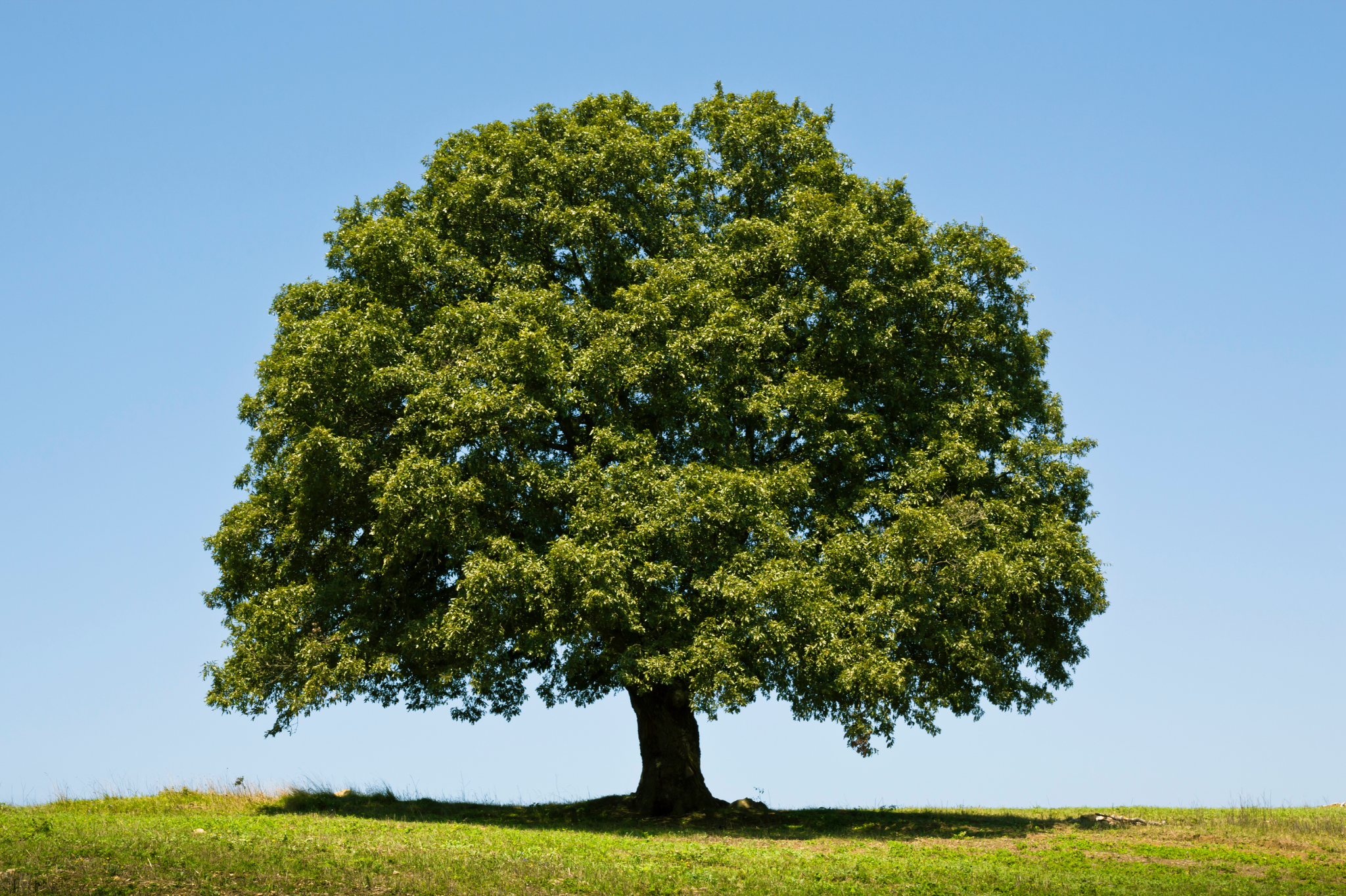
- Trees: Birch, Oak, Maple, Male Ash, Cedar, Male Junipers
- Grasses: Timothy, Rye, Bermuda, and Kentucky Bluegrass (unless kept very short and not allowed to flower)
- Weeds: Ragweed is the notorious culprit, but also watch for lamb's quarters and pigweed
Beyond Plant Selection: Pro Landscaping Strategies for Allergy Relief
At C&K Landscaping, our design approach integrates plant choice with smart practices:
The Lawn Factor: If you love your lawn, keep it meticulously mowed short to prevent grass from flowering and releasing pollen. Consider clover blends or low-pollen turf alternatives.
Strategic Placement: Avoid planting high-pollen trees or shrubs near windows, patios, or air intake vents. Create buffers with hedges of female shrubs, which can actually help filter pollen from the air.
The Importance of Hardscaping: Incorporating patios, walkways, decks, and water features increases your usable space while reducing the total pollen-producing plant area. It's a beautiful and practical solution.
Ongoing Maintenance is Key: A well-maintained garden is a lower-allergy garden. Regular weeding removes pollen offenders like ragweed. Prompt removal of fallen leaves and debris prevents mold spores—another common allergen—from accumulating.
Your Hypoallergenic Oasis Awaits
You don't have to choose between a breathtaking landscape and breathing easily. By intentionally selecting low-allergy plants and implementing thoughtful design principles, you can create an outdoor haven that soothes the senses without aggravating allergies.
Our team is experienced in designing and installing beautiful, functional landscapes for clients with allergies. We consider sun exposure, soil type, aesthetic preferences, and—critically—your health and comfort when selecting every plant.
Ready to transform your yard into a low-allergy retreat? Contact C&K Landscaping today for a consultation. We'll work with you to create a personalized landscape plan that lets you enjoy the beauty of nature, pollen-free.
Topics: